

Motmot

マダラフルマカモメ 対 ハネナガミズナギドリ

Daption capense 対 Pterodroma macroptera

マダラフルマカモメとハネナガミズナギドリのクイズ
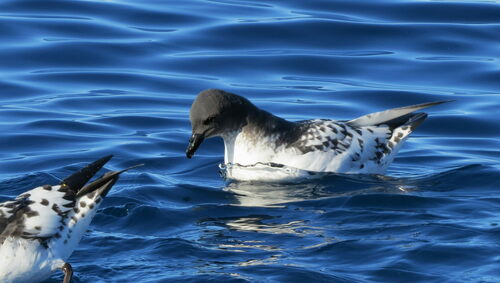
マダラフルマカモメ (Daption capense) マダラフルマカモメ
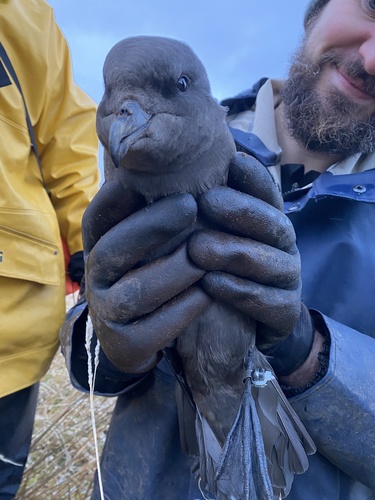
ハネナガミズナギドリ (Pterodroma macroptera) ハネナガミズナギドリ

メディア

読み込み中…

要点

マダラフルマカモメとハネナガミズナギドリの最も信頼できるフィールドマークは、マダラフルマカモメの目を引く黒と白の斑点模様の上翼と背中であり、ハネナガミズナギドリの均一な暗褐色の羽毛と対照的です。飛行中、マダラフルマカモメは大胆な黒い縁取りのある白い下翼を示し、ハネナガミズナギドリの下翼は完全に暗いです。これらの違いはすべての年齢とすべての季節で見ることができます。構造的に、ハネナガミズナギドリはより大きく、ずんぐりした体型で、重くて短いくちばしを持っています。遠くからでも、対照的な羽毛パターンとサイズの違いは通常双眼鏡で明らかです。

識別のコツ

  1. Upperwing and back pattern: マダラフルマカモメのすべての年齢は、南極海のミズナギドリの中でユニークな黒と白の斑点模様を上翼と背中に示します。ハネナガミズナギドリは、斑点がなく均一に暗褐色です。
  2. Underwing pattern: 飛行中、マダラフルマカモメは遠くからでも見える大胆な黒い縁取りのある白い下翼を示します。ハネナガミズナギドリの下翼はすべて暗く、すべての年齢で白や対照的な縁取りはありません。
  3. Head and neck: マダラフルマカモメは、白い腹部と対照的な黒い頭と首を持ち、ハネナガミズナギドリの頭は体の他の部分と同じ暗褐色で、くちばしの基部に小さく、時には見えない白い斑点があります。
  4. Bill shape: ハネナガミズナギドリは、厚くてずんぐりした全体が暗いくちばしを持っています。マダラフルマカモメのくちばしは相対的に小さく、頑丈さが少ないですが、遠くから見ると微妙です。
  5. Body size: ハネナガミズナギドリはマダラフルマカモメよりもかなり大きく、重いです。一緒に見たり、他の海鳥と一緒に見たりすると、サイズの違いは明らかです。
  6. Flight style: マダラフルマカモメは敏捷で、水面近くを素早く浮遊する動きで飛ぶことがよくあります。ハネナガミズナギドリは重く、より跳ねるような飛行をし、敏捷性が低いように見えます。
  7. Tail pattern: マダラフルマカモメの尾は黒い帯で斑点があり、バンキングや着陸時に見えます。ハネナガミズナギドリの尾は均一に暗く、羽毛の他の部分と一致しています。
  8. Belly and breast: マダラフルマカモメの腹部は白く、暗い上部と鋭く対照的です。ハネナガミズナギドリは全体が暗褐色で、腹部や胸部に白はありません。
  9. Habitat context: マダラフルマカモメは船を追いかけたり、海でスカベンジングするのがより一般的です。ハネナガミズナギドリは船にあまり引き寄せられず、より遠くの外洋で見られることが多いです。
  10. Association with other birds: ハネナガミズナギドリは、特に夜間に餌を取るときにクジラや他の海鳥と関連することがあります。マダラフルマカモメは餌を取る群れでより攻撃的で、競争相手に胃の油を吐き出すことがあります。
  11. Perched appearance: 陸上または水上で見られるとき、ハネナガミズナギドリはずんぐりしていて頑丈に見え、マダラフルマカモメはよりコンパクトで模様があるように見えます。
  12. White patch at bill base: ハネナガミズナギドリのみがくちばしの基部に小さな白い斑点を示すことがありますが、これは変動があり、常に見えるわけではありません。これを主要なマークとして頼らないでください。
  13. No seasonal or sex differences: 両種はフィールドIDに関連する羽毛の季節的または性的変化がほとんどないか、まったくありません。主な違いは年間を通じて一貫しています。
  14. Juvenile/immature confusion: 年齢特有の羽毛の落とし穴はありません。両種は巣立ち以降、成鳥と似たように見えるため、年齢は分離を複雑にしません。
  15. Common pitfalls: 主な混乱は、遠くからの視界がマダラフルマカモメの斑点模様を隠すときに発生します。そのような場合は、下翼のパターンと全体のサイズに頼ってください。

大きさ

ハネナガミズナギドリはマダラフルマカモメよりも明らかに大きく、重いです。成鳥のハネナガミズナギドリは、体重が約667gで、長さは42〜45cmです。一方、マダラフルマカモメは平均424gで、長さは35〜40cmです。マダラフルマカモメの翼幅は80〜90cmで、ハネナガミズナギドリは相対的に翼が長く、全体的にずんぐりしています。このサイズの違いは、通常、一緒に見たり、他の海鳥と一緒に見たりすると明らかです。

羽色

すべての年齢において、マダラフルマカモメは背中、上翼、尾を含む大胆な黒と白の斑点模様で特徴的で、白い腹部と胸部を持っています。下翼は白で、強い黒い縁取りがあり、頭と首は黒です。これらの斑点模様はユニークで、幼鳥と成鳥の両方で見ることができます。対照的に、ハネナガミズナギドリは、くちばしの基部に小さく変動する白い斑点を除いて、完全に暗褐色です。下翼は均一に暗く、白や対照的な縁取りはありません。ハネナガミズナギドリには年齢特有の上翼や下翼のパターンはなく、幼鳥と成鳥は同様に暗いです。唯一の淡い部分はくちばしの近くの小さな白い斑点で、微妙で遠くからは常に見えるわけではありません。

行動

両種は外洋性で、ほとんどの生活を海で過ごしますが、飛行スタイルは異なります。マダラフルマカモメはしばしばより浮遊感があり、敏捷に見え、時には船を追いかけて水面で攻撃的に餌を取ります。ハネナガミズナギドリは重く、より跳ねるような飛行をし、船を追いかける可能性は低いです。夜間に餌を取ることが多く、クジラや他の海鳥と関連することがあります。止まっているとき、ハネナガミズナギドリはずんぐりしていて頑丈に見え、マダラフルマカモメはよりコンパクトで模様があるように見えます。

生息環境

両種は南極海に生息し、海で重なることがありますが、マダラフルマカモメはより豊富で広範囲に分布し、船を追いかけたりスカベンジングすることがよくあります。ハネナガミズナギドリは南緯30度から50度の遠隔の島で繁殖し、船の近くで見られる可能性は低いです。沿岸水域では、マダラフルマカモメがより一般的で、特に喜望峰や亜南極の島々の近くで見られます。ハネナガミズナギドリはより厳密に外洋性で、繁殖地を除いて陸に近くで見られることはほとんどありません。

より良い説明を送る

比較と同じ項目を使ってください。文章はすぐに公開されます。

The most reliable field mark between Pintado Petrel and Great-winged Petrel is the striking black-and-white speckled upperwing and back of the Pintado Petrel, versus the uniform dark brown plumage of the Great-winged Petrel. In flight, Pintado Petrel shows a white underwing with a bold black border, while Great-winged Petrel’s underwing is entirely dark. These differences are visible at all ages and in all seasons. Structurally, Great-winged Petrel is larger and bulkier, with a heavier, stubby bill. Even at a distance, the contrasting plumage patterns and size difference are usually clear with binoculars.

  1. Upperwing and back pattern: Pintado Petrel of all ages shows a black-and-white speckled pattern on the upperwings and back, unique among Southern Ocean petrels. Great-winged Petrel is uniformly dark brown above with no speckling.
  2. Underwing pattern: In flight, Pintado Petrel displays a white underwing with a bold black border, visible even at a distance. Great-winged Petrel’s underwing is entirely dark, with no white or contrasting border, at all ages.
  3. Head and neck: Pintado Petrel has a black head and neck contrasting with its white underparts, while Great-winged Petrel’s head is the same dark brown as the rest of the body, except for a small, sometimes-invisible white patch at the base of the bill.
  4. Bill shape: Great-winged Petrel has a thick, stubby, all-dark bill. Pintado Petrel’s bill is proportionally smaller and less robust, though this can be subtle at a distance.
  5. Body size: Great-winged Petrel is substantially larger and heavier than Pintado Petrel. When seen together or with other seabirds, the size difference is obvious.
  6. Flight style: Pintado Petrel is agile, often flying close to the water with quick, buoyant movements. Great-winged Petrel has a heavier, more bounding flight, appearing less agile.
  7. Tail pattern: Pintado Petrel’s tail is speckled with a black band, visible when banking or landing. Great-winged Petrel’s tail is uniformly dark, matching the rest of the plumage.
  8. Belly and breast: Pintado Petrel’s underparts are white, sharply contrasting with the dark upperparts. Great-winged Petrel is dark brown all over, with no white on the belly or breast.
  9. Habitat context: Pintado Petrel is more likely to be seen following ships and scavenging at sea. Great-winged Petrel is less attracted to ships and more often seen in remote pelagic waters.
  10. Association with other birds: Great-winged Petrel may associate with whales or other seabirds when feeding, especially at night. Pintado Petrel is more aggressive at feeding flocks and may spit stomach oil at competitors.
  11. Perched appearance: When seen on land or water, Great-winged Petrel looks bulkier and more robust, while Pintado Petrel appears more compact and patterned.
  12. White patch at bill base: Only Great-winged Petrel may show a small white patch at the base of the bill, but this is variable and not always visible; do not rely on it as a primary mark.
  13. No seasonal or sex differences: Both species show little to no seasonal or sexual variation in plumage relevant to field ID; the main differences are consistent year-round.
  14. Juvenile/immature confusion: There are no age-specific plumage pitfalls; both species look similar to adults from fledging onward, so age does not complicate separation.
  15. Common pitfalls: The main confusion arises when distant views obscure the speckled pattern of Pintado Petrel; in such cases, rely on underwing pattern and overall size.

Great-winged Petrel is noticeably larger and heavier than Pintado Petrel. Adult Great-winged Petrel averages about 667 g in body mass and measures 42–45 cm in length, while Pintado Petrel averages 424 g and is 35–40 cm long. The wingspan of Pintado Petrel is 80–90 cm, while Great-winged Petrel is proportionally longer-winged and bulkier overall. This size difference is usually apparent when seen together or with other seabirds for scale.

At all ages, Pintado Petrel is distinctive for its bold black-and-white speckled upperparts, including the back, upperwings, and tail, with a white belly and breast. The underwing is white with a strong black border, and the head and neck are black. These pied patterns are unique and visible in both juveniles and adults. In contrast, Great-winged Petrel is entirely dark brown except for a small, variable white patch at the base of the bill. Its underwing is uniformly dark, lacking any white or contrasting border. There are no age-specific upperwing or underwing patterns in Great-winged Petrel; both immatures and adults are similarly dark. The only pale area is the small white patch near the bill, which is subtle and not always visible at a distance.

Both species are pelagic and spend most of their lives at sea, but their flight styles differ. Pintado Petrel often appears more buoyant and agile, sometimes following ships and feeding aggressively at the surface, even spitting stomach oil at competitors. Great-winged Petrel has a heavier, more bounding flight and is less likely to follow ships. It often feeds at night and may associate with whales or other seabirds. When perched, Great-winged Petrel appears bulkier and more robust, while Pintado Petrel looks more compact and patterned.

Both species occur in the Southern Ocean and can overlap at sea, but Pintado Petrel is more abundant and widespread, often seen following ships and scavenging. Great-winged Petrel breeds on remote islands between 30 and 50 degrees south and is less likely to be seen near ships. In coastal waters, Pintado Petrel is more likely, especially near the Cape of Good Hope and subantarctic islands. Great-winged Petrel is more strictly pelagic and rarely seen close to land except at breeding sites.

変更を破棄しますか?

保存していない編集があります。今離れると失われます。

マダラフルマカモメ · ハネナガミズナギドリ · 苦手な鳥