

Motmot

コシベニペリカン 対 トビ

Pelecanus rufescens 対 Milvus migrans

コシベニペリカンとトビのクイズ
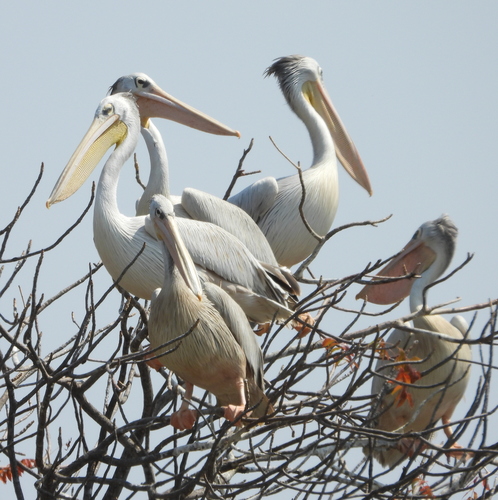
コシベニペリカン (Pelecanus rufescens) コシベニペリカン
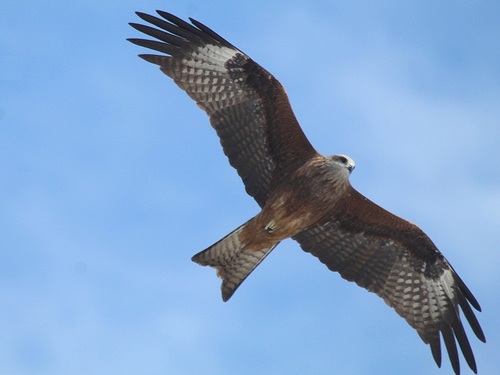
トビ (Milvus migrans) トビ

メディア

読み込み中…

要点

コシベニペリカンとトビの最も信頼できるフィールドマークは全体的な構造です:コシベニペリカンは、長くて太いくちばしと広い翼を持つ巨大で重い水鳥ですが、トビは、尖った翼と浅く分かれた尾を持つはるかに小さくて細長い猛禽類です。飛行中、コシベニペリカンは背中にピンクがかった色合いの淡い灰白色の羽毛を示しますが、トビは全体的に暗褐色で、頭は淡い色をしており、特徴的な暗く浅く分かれた尾を持っています。両者の幼鳥と成鳥の羽毛はそれぞれの成鳥に似ているため、年齢に関連する混乱は最小限です。止まっているのが見られた場合、コシベニペリカンの巨大なくちばしと直立した姿勢は、トビの鉤状のくちばしと猛禽類の姿勢と比べて明確です。生息地も強い手がかりです:コシベニペリカンはほぼ常に水の近くにいますが、トビはしばしば開けた土地や都市部の上を舞っています。

識別のコツ

  1. Size and structure: コシベニペリカンは巨大で、長い首と巨大なくちばしを持っています;トビははるかに小さく、細長く、猛禽類のようです。これは、どんな距離でも最も信頼できる違いです。
  2. Bill shape: コシベニペリカンは、大きな袋を持つ巨大でまっすぐな黄色の先端のくちばしを持っています;トビは、短くて鉤状の黒いくちばしと黄色のセリを持っています。くちばしの形は、暗い光の中でも診断的です。
  3. Tail shape: トビは飛行中に見える浅く分かれた暗い尾を持っています;コシベニペリカンの尾は短くて四角で、ほとんど目立ちません。
  4. Wing shape and flight: コシベニペリカンの翼は広くて丸みを帯びており、遅くて深い翼の打撃を持っています;トビの翼は狭く、より尖っており、飛行は敏捷で浮遊感があります。
  5. Plumage color: コシベニペリカンは淡い灰色と白で、背中にピンクがかった色合いがあります(決して深いピンクではありません);トビは全体的に暗褐色で、頭と首は淡い色で、暗い飛行羽毛を持っています。
  6. Head and neck: コシベニペリカンの長い首は飛行中に伸びます;トビの首は短く、通常はわずかにS字型に保たれています。
  7. Leg color: トビは黄色い脚と黒い爪を持っています;コシベニペリカンの脚は淡い色で、あまり目立ちません。
  8. Perched posture: コシベニペリカンは直立して止まり、しばしば水の近くの木や地面にいます;トビはより水平に止まり、しばしば開けた土地のポールや木にいます。
  9. Habitat: コシベニペリカンはほぼ常に水の近くにいます;トビは水から遠く離れた場所でも見られ、都市や農地の上でも見られます。
  10. Behavior: コシベニペリカンはしばしば群れで泳いだり飛んだりしているのが見られます;トビは通常、浮かんだり旋回したりしているのが見られ、時には緩い群れで見られますが、水の上ではめったに見られません。
  11. Vocalization: トビは大きな笛のような鳴き声を出します;コシベニペリカンはほとんど常に静かです。
  12. Breeding plumes: 繁殖期に長い頭の羽毛を発達させるのはコシベニペリカンだけです;トビの羽毛は季節ごとに変化しません。
  13. Juvenile confusion: 幼鳥のコシベニペリカンとトビは成鳥の小型版のように見えます;年齢特有の翼のパターンはこの二者の間で混乱を引き起こしません。
  14. Bill color: コシベニペリカンのくちばしは上部が黄色がかり、灰色の袋があります;トビのくちばしは黒で、黄色のセリがあります。
  15. Context: 湖の上を滑空している巨大な鳥や水の上の木に止まっているのを見た場合、それはほぼ確実にコシベニペリカンです;乾燥した土地の上を舞っている場合、特に分かれた尾と鋭い鳴き声を持っている場合、それはトビです。

大きさ

コシベニペリカンははるかに大きく、体重は平均約5445g、長さは125〜155cm、翼幅は2.15〜2.9mです。トビははるかに小さく、平均828gで、翼幅は約150cmです。距離があっても、コシベニペリカンの体格、長い首、巨大なくちばしは明らかですが、トビは典型的な中型の猛禽類で、飛行中ははるかに軽く、敏捷です。

羽色

どちらの種にも混乱を引き起こす可能性のある年齢特有の上翼パターンはありません:幼鳥と成鳥はそれぞれの成鳥の羽毛に似ています。コシベニペリカンは灰色と白で、背中に微妙なピンクがかった色合いがあります(決して明るいピンクではありません)し、灰色の袋を持つ黄色の先端のくちばしがあります。繁殖期の成鳥では、頭に長い羽毛が現れます。トビは全体的に暗褐色で、頭と首は淡い色、目の後ろには暗い斑点があり、黒い外側の飛行羽毛を持っています。体は暗いシャフトで縞模様があり、尾は浅く分かれた暗い色です。トビのくちばしは黒で、黄色のセリがあり、脚は黄色です。飛行中、コシベニペリカンの翼は広くて淡い色ですが、トビの翼は狭く、暗い横縞があり、より尖った形をしています。どちらの種の羽毛段階も、他の種に密接に似ているものはありません。

行動

コシベニペリカンは通常、水の上で泳いだり、のんびりしたり、群れで飛んだりしているのが見られ、しばしば協力して魚を捕まえます。飛行中は重くて労力を要し、遅くて深い翼の打撃を持ち、熱気流に乗る傾向があります。トビは敏捷で、しばしば土地の上を高く舞ったり、滑空したり、旋回したりしているのが見られ、時には群れで見られますが、水の上ではめったに見られません。トビははるかに操縦性が高く、方向転換が迅速で、浮遊感のある楽な飛行スタイルを持っています。止まっているとき、コシベニペリカンは直立していて巨大ですが、トビは他の猛禽類のようにより水平に止まります。

生息環境

コシベニペリカンは湿地に制限されています:沼地、浅い湖、緩やかな川、時には河口や潟にいますが、ほとんど水から遠く離れることはありません。静かで妨げられないバックウォーターを好み、水の近くの木に巣を作ったり、休んだりすることがよくあります。トビははるかに多様で、開けた土地、農地、都市部、時には水の近くでも見られますが、水生生息地には依存していません。開けた水の上で大きな鳥を見ることは、コシベニペリカンを強く支持します;乾燥した土地や都市の上では、トビがはるかに可能性が高いです。

声

コシベニペリカンは通常、特に飛行中は静かです;鳴き声は低くて喉の奥から出る音で、バーダーにはほとんど聞かれません。対照的に、トビは特徴的な鋭い笛の音を出し、その後に急速なヒヒヒという鳴き声を続けます。特に舞っているときや巣の近くではそうです。大きな笛のような鳴き声を聞くことは、トビを強く示唆します。

より良い説明を送る

比較と同じ項目を使ってください。文章はすぐに公開されます。

The most reliable field mark between Pink-backed Pelican and Black Kite is overall structure: the pelican is a massive, heavy-bodied waterbird with a long, thick bill and broad wings, while the kite is a much smaller, slender raptor with pointed wings and a shallowly forked tail. In flight, pelicans show pale greyish-white plumage with a pinkish tinge on the back, whereas kites are dark brown overall with paler heads and a distinctive dark, shallowly forked tail. Juvenile and adult plumages of both are similar to their respective adults, so age-related confusion is minimal. If seen perched, the pelican’s huge bill and upright stance are unmistakable compared to the kite’s hooked beak and raptor posture. Habitat is also a strong clue: pelicans are almost always near water, while kites are often soaring over open country or urban areas.

  1. Size and structure: The pelican is enormous, with a long neck and huge bill; the kite is much smaller, slender, and raptor-like. This is the single most reliable difference at any distance.
  2. Bill shape: Pelican has a massive, straight, yellow-topped bill with a large pouch; kite has a short, hooked, black bill with a yellow cere. Bill shape is diagnostic even in poor light.
  3. Tail shape: Kite has a shallowly forked, dark tail visible in flight; pelican’s tail is short and square, barely noticeable.
  4. Wing shape and flight: Pelican’s wings are broad and rounded, with slow, deep wingbeats; kite’s wings are narrower, more pointed, and flight is agile and buoyant.
  5. Plumage color: Pelican is pale grey and white with a pinkish back (never deep pink); kite is dark brown overall with paler head and neck, and dark flight feathers.
  6. Head and neck: Pelican’s long neck is extended in flight; kite’s neck is short and usually held in a slight S-shape.
  7. Leg color: Kite has yellow legs and black claws; pelican’s legs are pale and not as prominent.
  8. Perched posture: Pelican perches upright, often in trees or on the ground near water; kite perches more horizontally, often on poles or trees in open country.
  9. Habitat: Pelican is almost always near water; kite can be found far from water, including over cities and farmland.
  10. Behavior: Pelican often seen swimming or flying in groups; kite is usually seen soaring or circling, sometimes in loose groups but rarely over water.
  11. Vocalization: Kite gives a loud, whistling call; pelican is nearly always silent.
  12. Breeding plumes: Only pelican develops long head plumes in breeding season; kite’s plumage does not change seasonally.
  13. Juvenile confusion: Juvenile pelican and kite look like smaller versions of adults; no age-specific wing pattern causes confusion between these two.
  14. Bill color: Pelican’s bill is yellowish on top, greyish pouch; kite’s bill is black with yellow cere.
  15. Context: If you see a huge bird gliding over a lake or perched in a tree above water, it is almost certainly a pelican; if it is soaring over dry land, especially with a forked tail and shrill call, it is a kite.

Pink-backed Pelican is vastly larger: body mass averages around 5445 g, with a length of 125–155 cm and a wingspan of 2.15–2.9 m. Black Kite is much smaller, averaging 828 g, with a wingspan of about 150 cm. Even at a distance, the pelican’s bulk, long neck, and enormous bill are obvious, while the kite is a typical medium-sized raptor, much lighter and more agile in flight.

There are no age-specific upperwing patterns in either species that are likely to cause confusion: both juveniles and adults resemble their respective adult plumages. Pink-backed Pelican is grey and white with a subtle pinkish wash on the back (never bright pink), and has a yellow-topped bill with a greyish pouch. In breeding adults, long feather plumes appear on the head. Black Kite is dark brown overall, with paler head and neck, dark patch behind the eye, and black outer flight feathers. The body is streaked with dark shafts, and the tail is shallowly forked and dark. The kite’s bill is black with a yellow cere, and the legs are yellow. In flight, the pelican’s wings are broad and pale; the kite’s are narrower, with dark crossbars and a more pointed shape. No plumage stage of either species closely resembles the other.

Pink-backed Pelican is typically seen swimming, loafing, or flying in groups over water, often fishing cooperatively. It is heavy and labored in flight, with slow, deep wingbeats and a tendency to soar on thermals. Black Kite is agile, often seen soaring, gliding, or circling high over land, sometimes in groups, but rarely over water. It is much more maneuverable, with quick changes of direction and a buoyant, effortless flight style. Perched, pelicans are upright and massive, while kites perch more horizontally like other raptors.

Pink-backed Pelican is restricted to wetlands: swamps, shallow lakes, slow rivers, and occasionally estuaries or lagoons, but almost never far from water. It prefers quiet, undisturbed backwaters and often nests or roosts in trees near water. Black Kite is far more versatile, found over open country, farmland, urban areas, and sometimes near water, but not dependent on aquatic habitats. Seeing a large bird over open water strongly favors pelican; over dry land or cities, kite is far more likely.

Pink-backed Pelican is generally silent, especially in flight; any vocalizations are low and guttural, rarely heard by birders. Black Kite, by contrast, gives a distinctive shrill whistle followed by a rapid whinnying call, especially when soaring or near the nest. Hearing a loud, whistling call points strongly to kite.

変更を破棄しますか?

保存していない編集があります。今離れると失われます。

コシベニペリカン · トビ · 苦手な鳥