

Motmot

ハリオシギ 対 オオジシギ

Gallinago stenura 対 Gallinago hardwickii

ハリオシギとオオジシギのクイズ
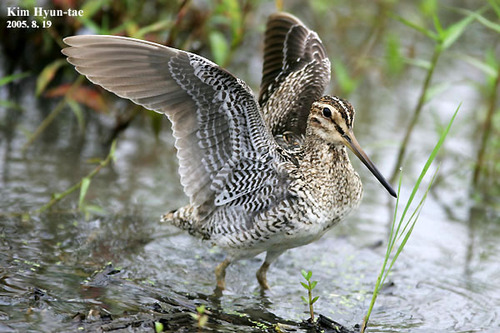
ハリオシギ (Gallinago stenura) ハリオシギ
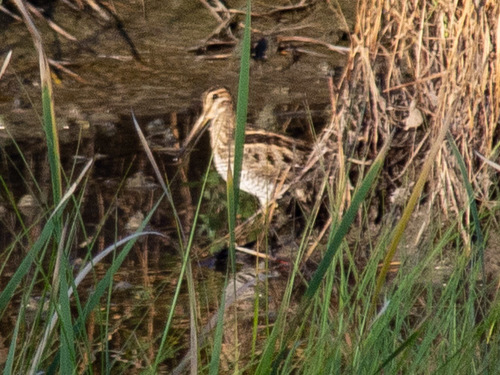
オオジシギ (Gallinago hardwickii) オオジシギ

メディア

読み込み中…

要点

ピンテールシギとオオジシギの間で最も信頼できるフィールドマークはサイズです:オオジシギは明らかに大きく、重く、止まっている時も飛んでいる時もずんぐりした外見をしています。両種は暗色の斑点模様の茶色とクリーム色の羽毛を共有しており、遠くから見ると非常に似ていますが、ピンテールシギは明らかに短い尾を持ち、発見された時にはより平坦で直接的な飛行経路を持っています。手に取ったり近距離で見ると、構造や重量の微妙な違いが役立つことがありますが、フィールドではサイズ、尾の長さ、飛行のスタイルが最も良い手がかりです。年齢特有の翼や尾のパターンの違いは、これら二種を区別するために十分に文書化されていないため、全体的な構造と印象に焦点を当ててください。

識別のコツ

  1. サイズと体格:オオジシギはピンテールシギよりも明らかに大きく、重いです。良い視界や他のシギとの比較ができるときにこれを利用してください。すべての年齢と性別に適用されます。
  2. 尾の長さと形:ピンテールシギは明らかに短い尾を持ち、飛行中または止まっている時に見ることができます。オオジシギの尾は相対的に長いです。すべての年齢に適用されます。
  3. 飛行のスタイル:ピンテールシギは通常、より平坦で直接的な飛行経路で発見されますが、オオジシギはより弓なりで跳ねるようなパターンで飛ぶことがよくあります。これは微妙で経験を要しますが、鳥が隠れ場所から飛び出すときに役立つことがあります。
  4. ディスプレイ行動:ピンテールシギのオスだけが群れでディスプレイし、飛行中に外側の尾羽から笛のような音を出します。これを見たり聞いたりした場合、それはピンテールシギの診断的な特徴です。
  5. くちばしの長さ:両者とも長くまっすぐなくちばしを持っていますが、オオジシギのくちばしはわずかに長く、重く、より大きなサイズに合っています。これは微妙で、フィールドでは常に信頼できるわけではありません。
  6. 羽毛のパターン:両種は暗色の斑点模様の茶色とクリーム色の羽毛を持ち、背中にクリーム色の線、暗い目のストライプ、縞模様の腹部があります。これらのマークは区別には信頼できません。
  7. 上翼と飛行パターン:これら二種の間で上翼パターンや年齢特有の飛行マークに関する文書化された違いはありません;翼のパネルや後縁に頼らないでください。
  8. 脚の色:ピンテールシギは短い緑がかった灰色の脚を持っていますが、これはオオジシギも似たように見えるため、強い区別にはなりません。
  9. 声:弱い「スキク」や笛のような特徴的なディスプレイソングを聞いた場合、それはピンテールシギです。オオジシギはあまり声を出さず、同じディスプレイ音を出しません。
  10. 生息地:両者は似たような湿地生息地を利用します;知られた繁殖地にいる場合を除いて、生息地を区別に使わないでください。
  11. 群れのサイズ:ピンテールシギは群れでディスプレイすることがありますが、オオジシギはより孤独または緩い群れで見られます。これはディスプレイ行動を見た場合にのみ役立ちます。
  12. 季節と範囲:オーストラリアの非繁殖季にいる場合、オオジシギの方が可能性が高いですが、両者は東南アジアでの移動中に重なることがあります。
  13. 性別と年齢:両性別とすべての年齢は羽毛が似ています;区別のために性別や年齢に頼らないでください。
  14. 他のシギとの混同:両者はチュウジシギやタシギと混同されることがあります;特に白い後縁を見た場合、これらの種を間違えないようにしてください(ピンテールシギやオオジシギはどちらも示しません)。
  15. 手に取った特徴:ピンテールシギの外側の尾羽は診断的ですが、ディスプレイ中以外ではフィールドで見ることは稀です。

大きさ

オオジシギはピンテールシギよりも明らかに大きく、重いです。オオジシギの平均は約153g(範囲150–230g)で、ピンテールシギの平均は116.5gです。長さでは、オオジシギは29–33cmで、ピンテールシギは25–27cmです。このサイズの違いは、直接比較や経験によって明らかになることが多く、オオジシギはずんぐりしていてくちばしが長く見えます。両者とも長いくちばしを持つシギですが、オオジシギは東アジアとオーストラリアで定期的に見られる最大のシギであり、ピンテールシギはよりコンパクトです。

羽色

これら二種の間で信頼できる年齢特有の上翼や飛行パターンの違いは文書化されていません;両者ともGallinagoシギに典型的な暗色の斑点模様の茶色、クリーム色、白の羽毛を持っています。両者は背中にクリーム色の線、暗い目のストライプ、淡い眉毛と眼下の線、縞模様の腹部を示します。ピンテールシギはわずかに短い尾を持ち、その外側の尾羽はピンのような構造に変形しており、手に取ったりディスプレイ中により明らかになります。オオジシギは全体的にわずかに暗く、ずんぐりしていますが、これは微妙で見逃されやすいです。両性別と年齢は似ており、幼鳥はフィールドで診断的ではない小さな詳細の違いのみです。

行動

両種は隠れ場所から reluctant に飛び出し、動揺したときにジグザグパターンで飛びます。ピンテールシギはオオジシギのより弓なりで跳ねる飛行に比べて、より平坦で直接的な飛行経路を持つ傾向があります。ピンテールシギのオスは群れでディスプレイし、ディスプレイ飛行中に外側の尾羽から特徴的な笛のような音を出します。オオジシギは孤独または緩い群れで見られ、同じグループディスプレイ行動はありません。

生息環境

両種は湿地生息地を利用し、特に移動中には湿地、湿った草地、稲作地を含みます。生息地は、両者が同じ種類の泥っぽい、草の生えた、または葦の生えた湿地に出現するため、重なる範囲のほとんどでは信頼できる区別にはなりません。オオジシギは日本の北部で繁殖し、オーストラリアの東部に移動しますが、ピンテールシギはユーラシアの北部で繁殖し、南アジアと東南アジアで越冬しますが、これらの違いは繁殖季以外のフィールドでの区別には役立ちません。

声

ピンテールシギのオスは大きく、繰り返しの「チケカ」ソングでディスプレイし、泡立つような音を出し、飛行中にピンのような外側の尾羽から特徴的な笛のような音を出します。通常の鳴き声は弱い「スキク」です。オオジシギの鳴き声は資料であまり詳しく記述されていませんが、同じ特徴的な笛のようなディスプレイ飛行はありません。実際には、鳴き声はピンテールのディスプレイを目撃しない限り、診断的であることは稀です。

より良い説明を送る

比較と同じ項目を使ってください。文章はすぐに公開されます。

The most reliable field mark between Pin-tailed Snipe and Latham's Snipe is size: Latham's is noticeably larger and heavier, with a bulkier appearance both perched and in flight. Both species share cryptic, mottled brown-and-buff plumage and are extremely similar at a distance, but Pin-tailed Snipe has a distinctly shorter tail and a flatter, more direct flight path when flushed. In the hand or at close range, subtle differences in structure and weight can help, but in the field, size, tail length, and flight jizz are your best clues. Age-specific wing or tail pattern differences are not well documented for separating these two, so focus on overall structure and impression.

  1. Size and bulk: Latham's Snipe is noticeably larger and heavier than Pin-tailed Snipe. Use this when you have a good view or comparison with other snipes. Works for all ages and sexes.
  2. Tail length and shape: Pin-tailed Snipe has a distinctly shorter tail, which can be seen in flight or when perched. Latham's Snipe's tail is proportionally longer. Applies to all ages.
  3. Flight jizz: Pin-tailed Snipe typically flushes with a flatter, more direct flight path, while Latham's Snipe often flies with a more arched, bounding pattern. This is subtle and requires experience but can be useful when birds flush from cover.
  4. Display behavior: Only Pin-tailed Snipe males display in groups and produce a whistling noise from their outer tail feathers in flight. If you see or hear this, it's diagnostic for Pin-tailed.
  5. Bill length: Both have long, straight bills, but Latham's Snipe's bill is slightly longer and heavier, matching its larger size. This is subtle and not always reliable in the field.
  6. Plumage pattern: Both species have cryptic, mottled brown and buff plumage with cream lines down the back, a dark eye-stripe, and streaked underparts. These marks are not reliable for separation.
  7. Upperwing and flight pattern: No documented differences in upperwing pattern or age-specific flight marks between these two; do not rely on wing panels or trailing edge.
  8. Leg color: Pin-tailed Snipe has short greenish-grey legs, but this is not a strong separator as Latham's can appear similar.
  9. Voice: If you hear a weak 'squik' or the distinctive display song with whistling, it's Pin-tailed Snipe. Latham's Snipe is less vocal and does not produce the same display sounds.
  10. Habitat: Both use similar wetland habitats; do not use habitat as a separator unless you are in a known breeding area.
  11. Group size: Pin-tailed Snipe may display in groups, while Latham's is more solitary or in loose groups. This is only useful if you see display behavior.
  12. Season and range: If you are in Australia in the non-breeding season, Latham's Snipe is more likely, but both can overlap on migration in Southeast Asia.
  13. Sex and age: Both sexes and all ages are similar in plumage; do not rely on sex or age for separation.
  14. Confusion with other snipes: Both can be confused with Swinhoe's Snipe and Common Snipe; ensure you are not mistaking those species, especially if you see a white trailing edge (which neither Pin-tailed nor Latham's shows).
  15. In-the-hand features: The pin-like outer tail feathers of Pin-tailed Snipe are diagnostic but rarely visible in the field except during display.

Latham's Snipe is significantly larger and heavier than Pin-tailed Snipe. Latham's averages about 153 g (range 150–230 g), compared to Pin-tailed's average of 116.5 g. In length, Latham's is 29–33 cm, while Pin-tailed is 25–27 cm. This size difference is often apparent in direct comparison or with experience, with Latham's looking bulkier and longer-billed. Both are long-billed snipes, but Latham's is the largest snipe regularly found in East Asia and Australia, while Pin-tailed is more compact.

There are no reliable age-specific upperwing or flight pattern differences documented between these two species; both have cryptically mottled brown, buff, and white plumage typical of Gallinago snipes. Both show cream lines down the back, a dark eye-stripe with pale supercilium and subocular lines, and streaked underparts. Pin-tailed Snipe has a slightly shorter tail, and its outer tail feathers are modified into pin-like structures, which are more apparent in the hand or when displaying. Latham's Snipe is overall slightly darker and bulkier, but this is subtle and easily missed. Both sexes and ages are similar, and immatures differ only in minor details not diagnostic in the field.

Both species flush reluctantly from cover and fly in a zigzag pattern when disturbed. Pin-tailed Snipe tends to have a flatter, more direct flight path compared to the more arched, bounding flight of Latham's Snipe. Pin-tailed males may display in groups, producing distinctive whistling noises from their outer tail feathers during display flights. Latham's Snipe is solitary or in loose groups and does not have the same group display behavior.

Both species use similar wetland habitats, including marshes, wet meadows, and rice fields, especially on migration. Habitat is not a reliable separator in most of their overlapping range, as both can occur in the same types of muddy, grassy, or reedy wetlands. Latham's Snipe breeds in northern Japan and migrates to eastern Australia, while Pin-tailed Snipe breeds in northern Eurasia and winters in South and Southeast Asia, but these differences are not useful for field separation outside the breeding season.

Pin-tailed Snipe males display with a loud, repetitive 'tcheka' song, which builds to fizzing and buzzing, and produce a distinctive whistling noise with their pin-like outer tail feathers in flight. The normal call is a weak 'squik.' Latham's Snipe's vocalizations are less well described in the sources, but it does not have the same distinctive whistling display flight. In practice, vocalizations are rarely diagnostic unless you witness a Pin-tailed's display.

変更を破棄しますか?

保存していない編集があります。今離れると失われます。

ハリオシギ · オオジシギ · 苦手な鳥