

Motmot

シロハラサケイ 対 ノガン

Pterocles alchata 対 Otis tarda

シロハラサケイとノガンのクイズ
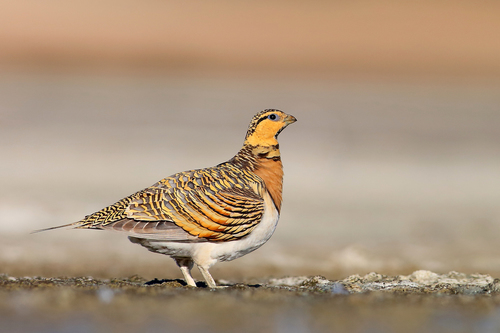
シロハラサケイ (Pterocles alchata) シロハラサケイ
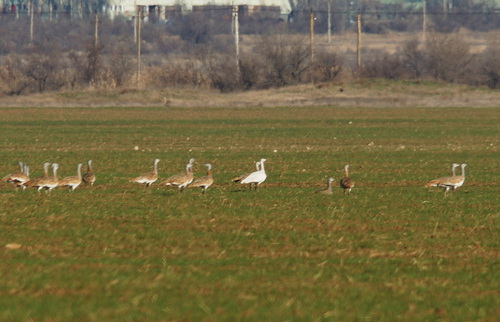
ノガン (Otis tarda) ノガン

メディア

読み込み中…

要点

シロハラサケイとノガンを区別する最も信頼できるフィールドマークは、全体的な構造と飛行の外観です:シロハラサケイは、コンパクトで鳩のような頭を持つ鳥で、長く尖った翼と非常に長いピン状の中央尾を持っています。一方、ノガンは、長い脚、太い首、広い翼を持つ巨大で重い体の鳥で、飛行中に広範囲に白い部分を示します。すべての羽色において、シロハラサケイは明るい白い翼の下と下部を示し、長く尖った尾を持っていますが、ノガンははるかに大きく、より重厚な体型、灰色の首、主に白い翼に茶色の縁があります。幼鳥と雌のノガンは遠くから見ると混乱を招くことがありますが、サイズ、形、飛行スタイルは常に異なります。声、 habitat、群れ行動もフィールドでの識別に役立ちます。

識別のコツ

  1. Size and bulk: ノガンはシロハラサケイよりもはるかに大きく、重いです;遠くの鳥でもこの違いが見られます。ノガンは長く太い首と長い脚を持ち、シロハラサケイはコンパクトで小さな頭と短い首を持っています。
  2. Flight silhouette: シロハラサケイは長く尖った翼と非常に長いピン状の中央尾を持っています;ノガンは広く丸い翼と短い扇状の尾を持っています。ノガンの飛行は遅く重く、シロハラサケイは速く直接的です。
  3. Underwing and underpart color: すべての年齢のシロハラサケイは、飛行中に明るい白い翼の下と下部を示します;ノガンは主に白い翼を持っていますが、下部は成鳥のみが白く、翼には茶色の縁と暗い上翼のストリークがあります。
  4. Tail shape: シロハラサケイの長いピン状の中央尾羽はユニークで、飛行中や休息中に特に雄で目立ちます。ノガンは短く広い尾を持ち、流れる羽はありません。
  5. Head and neck: シロハラサケイは鳩のような頭と首を持ち、しばしば小さな頭に見えます;ノガンは太く長い首と大きな頭を持ち、特に雄では顕著です。
  6. Plumage details (male sandgrouse): 繁殖期の雄のシロハラサケイは、黄緑色の頭と上部、栗色の胸の帯、縞模様の尾を持っています;ノガンの雄は灰色の首、栗色の胸の側面、ディスプレイ時に長い白い首の毛を持っています。
  7. Plumage details (female/immature sandgrouse): 雌のシロハラサケイは鈍い色合いで、金色のバフの頬と首、細かい縞模様を持っていますが、長い尾と白い翼の下を示します。雌のノガンはバフと茶色で、長い尾や緑/黄色の色合いはありません。
  8. Juvenile confusion: 幼鳥のノガンはセピア色でバフのストリークがあり、はるかに大きいです;シロハラサケイの幼鳥は詳細には記述されていませんが、常にコンパクトな構造と長い尾を示します。
  9. Flocking and behavior: シロハラサケイは群れを成し、しばしば速く低く飛ぶ密集した群れで見られます;ノガンはより孤立しているか、緩い群れで、直立して歩き、動かされない限り飛びません。
  10. Habitat: シロハラサケイは乾燥した開けた無木の平原を好みます;ノガンはより草原や農地に見られ、時にはより密な植生があります。
  11. Vocalization: 飛行中に大きく繰り返される鳴き声はシロハラサケイに典型的です;ノガンはほとんど静かです。
  12. Display: ノガンだけが華やかな姿勢、膨らんだ喉、長い白い首の毛でディスプレイを行います;シロハラサケイはこのようにディスプレイしません。
  13. Legs: ノガンの長い脚は歩いたり立ったりしているときに見えます;シロハラサケイは短い脚を持ち、通常は羽毛に隠れています。
  14. Bill: ノガンは強くまっすぐなくちばしを持っています;シロハラサケイは小さく鳩のようなくちばしを持っています。
  15. Seasonal variation: 雄のシロハラサケイは繁殖期に最も明るいですが、構造的な違いは常に信頼できます。

大きさ

シロハラサケイはその科の中で中型から大型の鳥で、体重は約237.5 g [wikidata]ですが、ノガンには及びません。ノガンは最も重い飛ぶ鳥の一つであり(成鳥の雄は10 kgを超えることがありますが、ここでは指定されていません)。フィールドでは、ノガンははるかに大きく、長く太い首と長い脚が地上でも飛行中でも見えます。シロハラサケイはコンパクトで、小さな頭と短い首を持ち、ノガンの体重や高さを示すことはありません。遠くからでも、ノガンのサイズと直立した姿勢は特徴的です。

羽色

幼鳥や未熟な羽色はシロハラサケイについて詳細には記述されていませんが、すべての年齢が飛行中に明るい白い翼の下と下部を示し、長いピン状の中央尾を持っています。繁殖羽の成鳥の雄は黄緑色の頭と上部、栗色の胸の帯、縞模様の尾を持っています;雌は鈍い色合いで、よりカモフラージュされ、細かい縞模様と短い尾を持っていますが、長く尖った尾と白い翼の下を示します。ノガンの成鳥(特に雄)は、上面が茶色で黒い縞模様、下面が白、灰色の首を持っています;飛行中、広い翼は主に白で、縁に茶色があり、上翼には暗いストリークがあります。雌は小さく、色が少なく、バフと茶色の色合いを持っていますが、同じ翼のパターンを示します。ディスプレイ時、雄のノガンは華やかな白い羽毛と長い白い首の毛を示し、シロハラサケイはこれを持っていません。幼鳥のノガンはカモフラージュのためにセピア色でバフのストリークがありますが、シロハラサケイよりもはるかに大きく、形が異なります。

行動

シロハラサケイは群れを成し、しばしば早朝に水場に向かって速く直接的に飛ぶ群れで見られ、急速で尖った翼の飛行と地面に近く留まる傾向があります。彼らは開けた乾燥した平原に巣を作り、通常は地上で静かです。ノガンはより孤立しているか、特に繁殖期以外は緩い群れで見られます;雄はレックで華やかな姿勢でディスプレイします。ノガンは直立した姿勢でゆっくり歩き、動かされない限り飛ぶことは稀で、彼らの飛行は重く、遅く深い羽ばたきと広い翼を持っています。シロハラサケイは長距離を歩いているところはほとんど見られず、習性ははるかに空中にあります。

生息環境

両種は開けた生息地を好みますが、シロハラサケイは乾燥した開けた無木の平原に生息し、しばしば乾燥または半乾燥地域に見られます。一方、ノガンは開けた草原や農地で繁殖し、時には巣作りのためにより密な草の植生があります。ノガンはより温帯または農業的な風景に見られることがあり、シロハラサケイはより典型的にステップ、半砂漠、または乾燥した平原に見られます。

声

シロハラサケイは飛行中に大きく繰り返される「カッタルカッタル」という鳴き声を出し、鼻にかかった「ガーガーガー」や低い「ガンガン」という音を出します。特に水に向かって飛んでいるときにこれらの音が聞かれます。彼らは通常地上では静かです。ノガンは一般的に静かで、特にシロハラサケイと比較して;雄はディスプレイ中に低い轟音やうなり声を出すことがありますが、これらはカジュアルな観察者にはほとんど聞かれません。ほとんどのフィールド状況では、飛行中に大きな鳴き声を出す群れはシロハラサケイである可能性が高いです。

より良い説明を送る

比較と同じ項目を使ってください。文章はすぐに公開されます。

The most reliable field mark to separate Pin-tailed Sandgrouse from Great Bustard is overall structure and flight appearance: sandgrouse are compact, pigeon-headed birds with long pointed wings and a very long, pin-shaped central tail, while bustards are massive, heavy-bodied birds with long legs, thick necks, and broad wings showing extensive white in flight. In all plumages, Pin-tailed Sandgrouse show bright white underwings and underparts with a long, pointed tail, while Great Bustard is much larger with a bulkier build, a grey neck, and a mostly white wing with brown edges. Juvenile and female bustards can be confusing at a distance, but the size, shape, and flight style are always different. Voice, habitat, and flocking behavior also help in the field.

  1. Size and bulk: Great Bustard is vastly larger and heavier than Pin-tailed Sandgrouse; even distant birds show this difference. Bustards have a long, thick neck and long legs, while sandgrouse are compact with a small head and short neck.
  2. Flight silhouette: Sandgrouse have long, pointed wings and a very long, pin-shaped central tail; bustards have broad, rounded wings and a short, fan-shaped tail. Bustards' flight is slow and heavy, sandgrouse are fast and direct.
  3. Underwing and underpart color: All ages of Pin-tailed Sandgrouse show bright white underwings and underparts in flight; Great Bustard has mostly white wings, but the underparts are white only in adults, and the wing shows brown edges and a dark upperwing streak.
  4. Tail shape: The sandgrouse's long, pin-shaped central tail feathers are unique and visible in flight and at rest, especially in males. Bustards have a short, broad tail with no streamers.
  5. Head and neck: Sandgrouse have a pigeon-like head and neck, often appearing small-headed; bustards have a thick, long neck and a large head, especially in males.
  6. Plumage details (male sandgrouse): Breeding male sandgrouse have a yellowish-green head and upperparts, chestnut breast band, and a barred tail; bustard males have a grey neck, chestnut breast sides, and long white neck bristles in display.
  7. Plumage details (female/immature sandgrouse): Female sandgrouse are duller, with golden-buff cheeks and neck, and finer barring, but still show the long tail and white underwings. Female bustards are buff and brown, with no long tail or green/yellow tones.
  8. Juvenile confusion: Juvenile bustards are sepia with buffy streaks and much larger; sandgrouse juveniles are not described in detail, but always show the compact structure and long tail.
  9. Flocking and behavior: Sandgrouse are gregarious, often seen in tight flocks flying fast and low; bustards are more solitary or in loose groups, walking upright and flying only when disturbed.
  10. Habitat: Sandgrouse prefer dry, open, treeless plains; bustards are more often in grasslands or farmland, sometimes with denser vegetation.
  11. Vocalization: Loud, repeated calls in flight are typical of sandgrouse; bustards are mostly silent.
  12. Display: Only bustards display with elaborate postures, puffed-up throat, and long white neck bristles; sandgrouse do not display in this way.
  13. Legs: Bustards' long legs are visible when walking or standing; sandgrouse have short legs, usually hidden by plumage.
  14. Bill: Bustards have a strong, straight bill; sandgrouse have a small, pigeon-like bill.
  15. Seasonal variation: Male sandgrouse are brightest in breeding season, but structural differences are always reliable.

Pin-tailed Sandgrouse is a medium-large bird for its family, with a body mass around 237.5 g [wikidata], but it is dwarfed by the Great Bustard, which is one of the heaviest flying birds (adult males can exceed 10 kg, though not specified here). In the field, bustards are much larger, with a long, thick neck and long legs visible both on the ground and in flight. Sandgrouse are compact, with a small head and short neck, and never show the bulk or height of a bustard. Even at a distance, the bustard's size and upright stance are distinctive.

Juvenile and immature plumages are not described in detail for sandgrouse, but all ages in flight show bright white underwings and underparts, with a long, pin-shaped central tail. Adult males in breeding plumage have a yellowish-green head and upperparts, chestnut breast band, and a barred tail; females are duller and more camouflaged, with finer barring and a shorter tail, but still show the long, pointed tail and white underwings. Great Bustard adults (especially males) are brown above with black barring, white below, and a grey neck; in flight, the broad wings are mostly white with brown along the edges and a dark streak on the upperwing. Females are smaller and less colorful, with buff and brown tones, but still show the same wing pattern. In display, male bustards show flamboyant white plumage and long white neck bristles, which sandgrouse never have. Juvenile bustards are sepia with buffy streaks for camouflage, but still much larger and differently shaped than sandgrouse.

Pin-tailed Sandgrouse are gregarious, often seen in flocks flying fast and directly to watering holes at dawn, with rapid, pointed-wing flight and a tendency to stay close to the ground. They nest in open, dry plains and are usually silent on the ground. Great Bustards are more solitary or in loose groups, especially outside the breeding season; males display on leks with elaborate postures. Bustards walk slowly with an upright stance, rarely fly unless disturbed, and their flight is heavy, with slow, deep wingbeats and broad wings. Sandgrouse are rarely seen walking for long distances and are much more aerial in their habits.

Both species prefer open habitats, but Pin-tailed Sandgrouse are found on dry, open, treeless plains, often in arid or semi-arid regions, while Great Bustards breed in open grasslands and farmland, sometimes with denser grassy vegetation for nesting. Bustards may be found in more temperate or agricultural landscapes, while sandgrouse are more typical of steppe, semi-desert, or dry plains.

Pin-tailed Sandgrouse gives a loud, repeated "kattar-kattar" call in flight, along with nasal "ga-ga-ga" and low "gang gang" notes, especially when flying to water. They are usually silent on the ground. Great Bustard is generally silent, especially compared to sandgrouse; males may make low booming or grunting sounds during display, but these are rarely heard by casual observers. In most field situations, a flock making loud calls in flight is much more likely to be sandgrouse.

変更を破棄しますか?

保存していない編集があります。今離れると失われます。

シロハラサケイ · ノガン · 苦手な鳥