

Motmot

ムナフムシクイチメドリ 対 ヒゲチャイロチメドリ

Mixornis gularis 対 Malacopteron magnirostre

ムナフムシクイチメドリとヒゲチャイロチメドリのクイズ
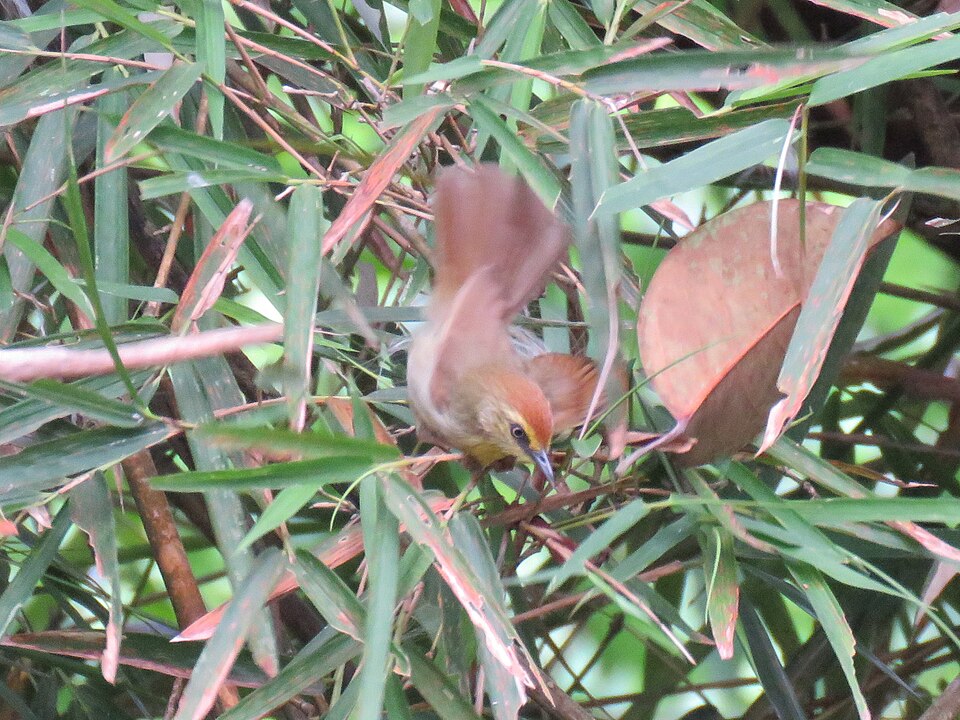
ムナフムシクイチメドリ (Mixornis gularis) ムナフムシクイチメドリ
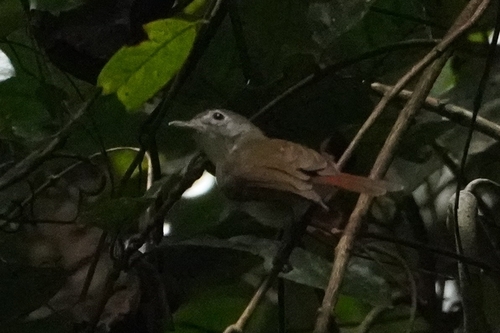
ヒゲチャイロチメドリ (Malacopteron magnirostre) ヒゲチャイロチメドリ

メディア

読み込み中…

要点

ムナフムシクイチメドリとヒゲチャイロチメドリを区別する最も信頼できる方法は、Pin-stripedの明るい黄色がかった眉斑と赤褐色の冠に焦点を当てることです。これは、ヒゲチャイロチメドリの鈍いオリーブブラウンの冠と強い顔の色がないことと対照的です。ムナフムシクイチメドリはまた、黄色がかった茶色の縞模様の喉を示しますが、ヒゲチャイロチメドリは白っぽい下部と微妙な灰色の頬とひげの縞を持っています。構造とサイズも異なります:Pin-stripedは小さくて軽く、植物の低いところでより活発で這うような行動をします。両種は、光が悪い場合や距離がある場合には混乱を招くことがありますが、頭部と喉の模様に注意を払うことが通常は決定的です。

識別のコツ

  1. Supercilium and crown color: ムナフムシクイチメドリは明るい黄色がかった眉斑と赤褐色の冠を示します—これらはどの年齢でも最も目立ち、信頼できるフィールドマークです。ヒゲチャイロチメドリは両方とも欠いており、オリーブブラウンの冠と強い眉斑がありません。
  2. Throat and underparts: Pin-stripedは茶色の縞模様のある黄色がかった喉を持ち、黄色がかった下部に溶け込んでいます。ヒゲチャイロチメドリは下部が白っぽく、黄色のトーンがなく、微妙な灰色のひげの縞のみです。
  3. Facial pattern: ヒゲチャイロチメドリは灰色の頬の縞と微かな灰色のひげの縞を持っていますが、これらはPin-stripedの顔の模様よりもはるかに目立ちません。光が悪い場合、黄色と赤褐色がないことはMoustachedの手がかりです。
  4. Size and structure: Pin-stripedは小さく(12 g)てコンパクトですが、ヒゲチャイロチメドリは大きく(16–25 g、18 cm)見え、相対的に大きなくちばしを持っているため、より重厚に見えます。これは、両種が一緒に見られる場合や、既知の参照種と一緒に見られる場合に役立ちます。
  5. Behavior: ムナフムシクイチメドリは非常に活発で、小さくて騒がしい群れで低い植物の中を這い回っているのがよく見られます。ヒゲチャイロチメドリはより孤独であるかペアでいる可能性が高く、より慎重に動きます。
  6. Habitat: Pin-stripedはエッジ、二次成長、庭、そして茂みのある地域を好みます。ヒゲチャイロチメドリはより密な、あまり乱されていない森林に典型的です。文脈が役立つことがありますが、両者は一部の地域で重なることがあります。
  7. Voice: 繰り返しの「チョンク・チョンク・チョンク」という呼び声が聞こえた場合、それはムナフムシクイチメドリです。ヒゲチャイロチメドリの声はここでは説明されていないため、この呼び声がないことは診断的ではありません。
  8. No age-specific wing pattern: どちらの種も特有の幼鳥や未成熟の翼の模様は記載されていないため、飛行マークに頼って区別しないでください。
  9. Plumage pitfalls: 鈍い光や距離がある場合、Pin-stripedの黄色と赤褐色は muted に見えることがあり、より地味なMoustachedと混同するリスクがあります。常に眉斑と喉の色を探してください。
  10. Group size: 複数の鳥が一緒に、特に低い植物の中を急速に移動している場合はPin-stripedを示します。密な森林の中で孤独またはペアの鳥はMoustachedかもしれません。
  11. Bill size: ヒゲチャイロチメドリのくちばしは比較的大きくて重いですが、これは微妙で、補助的な証拠として使用するのが最適です。
  12. Underpart color: 鳥が下部が明らかに白っぽく、黄色の洗いがない場合はMoustachedを優先してください。黄色がかったり縞模様のある喉はPin-stripedを示唆します。
  13. Crown color: 冠に赤褐色または赤いトーンがあるのはPin-stripedだけです。
  14. Supercilium strength: 強く明るい眉斑はPin-stripedの特徴です。弱いまたは欠如した眉斑はMoustachedを示唆します。
  15. Contextual clues: 庭、公園、または茂みのあるエッジでは、Pin-stripedの可能性が高いです。成熟した、乱されていない森林では、特に鳥が大きくて地味な場合はMoustachedを注意深く確認してください。

大きさ

ムナフムシクイチメドリは明らかに小さくて軽く、体重は約12 gです [wikidata]。ヒゲチャイロチメドリは大きく、長さは約18 cm、体重は16–25 gです [wikipedia]。フィールドでは、Pin-stripedはしばしばより繊細でコンパクトに見え、ヒゲチャイロチメドリはより重厚で長い体に見え、相対的に大きなくちばしを持っています(その科学名に反映されています)。

羽色

どちらの種についても年齢特有の翼や飛行パターンのマークは記載されていないため、頭部と下部の色に焦点を当ててください。成鳥のムナフムシクイチメドリは、目を引く黄色がかった眉斑(眉毛)と赤褐色の冠を示し、茶色の縞模様のある黄色がかった喉を持っています。その下部は黄色がかっており、胸に溶け込んでいます。それに対して、成鳥のヒゲチャイロチメドリは上面が鈍い茶色で、下面が白っぽく、オリーブブラウンの冠、灰色がかった頬の縞(目とくちばしの間)、および微妙な灰色のひげの縞(下顔面に沿って)を持っています。MoustachedはPin-stripedの強い黄色と赤褐色のトーンを欠いており、全体的により地味で muted に見えます。どちらの種についても特有の年齢や季節の違いは記載されていないため、これらの対比はすべての羽毛に当てはまります。

行動

ムナフムシクイチメドリは非常に活発で、小さくて騒がしい群れの中を這い回ったり登ったりしているのがよく見られます。地面の近くや密な低木の中に留まる傾向があり、高いところにはめったに出ません。ヒゲチャイロチメドリはここでは行動についてあまり説明されていませんが、地面のバブラーとして、より陸生であり、森林の下草の低いおよび中間のレベルを移動し、Pin-stripedよりも群れを形成しない可能性があります。フィールドでは、Pin-stripedの常に動き回ることや群れを形成することが手がかりになることがあります、特に複数の鳥が一緒に見られる場合は。

生息環境

両種は南アジアおよび東南アジアに生息していますが、ムナフムシクイチメドリは特に低くて密な植生とエッジの生息地に関連しています。二次成長、庭、茂みの中でよく見られます。ヒゲチャイロチメドリは、ここでは詳しく説明されていませんが、一般的には森林の種であり、より密な森林とあまり乱されていない地域を好みます。非常に開けたまたは乱された生息地で見られた場合、Pin-stripedの可能性が高いです。成熟した森林では、両者が可能ですが、Moustachedの方が期待されるかもしれません。

声

ムナフムシクイチメドリは大きく、繰り返しの「チョンク・チョンク・チョンク・チョンク・チョンク」という呼び声を出し、一般的なテーラー鳥を思わせるものです [wikipedia]。ここではヒゲチャイロチメドリの声の説明は提供されていないため、Pin-stripedの特有の呼び声が聞こえた場合のみ声が診断的です。

より良い説明を送る

比較と同じ項目を使ってください。文章はすぐに公開されます。

The most reliable way to separate Pin-striped Tit-Babbler from Moustached Babbler is by focusing on the Pin-striped’s bright yellowish supercilium and rufous crown, which contrast with the Moustached Babbler’s duller, olive-brown crown and lack of strong facial color. The Pin-striped Tit-Babbler also shows a yellowish, brown-streaked throat, while the Moustached Babbler has a whitish underpart and a subtle grey loral and moustachial stripe. Structure and size differ as well: Pin-striped is smaller and lighter, with a more active, creeping behavior low in vegetation. Both species can be confusing in poor light or at a distance, but careful attention to head and throat pattern is usually decisive.

  1. Supercilium and crown color: Pin-striped Tit-Babbler shows a bright yellowish supercilium and a rufous crown—these are the most visible and reliable field marks at any age. Moustached Babbler lacks both, with an olive-brown crown and no strong supercilium.
  2. Throat and underparts: Pin-striped has a yellowish throat with brown streaks, blending into yellowish underparts. Moustached Babbler is whitish below, with no yellow tones and only a subtle grey moustachial stripe.
  3. Facial pattern: Moustached Babbler has a grey loral stripe and a faint grey moustachial stripe, but these are much less conspicuous than the Pin-striped’s facial markings. In poor light, the lack of yellow and rufous is a clue for Moustached.
  4. Size and structure: Pin-striped is smaller (12 g) and more compact, while Moustached Babbler is larger (16–25 g, 18 cm) and appears bulkier with a proportionally bigger bill. This can be useful when both species are seen together or with known reference species.
  5. Behavior: Pin-striped Tit-Babbler is very active, often seen in small, noisy flocks, creeping through low vegetation. Moustached Babbler is more likely to be solitary or in pairs and moves more deliberately.
  6. Habitat: Pin-striped prefers edges, secondary growth, gardens, and scrubby areas. Moustached Babbler is more typical of denser, less disturbed forest. Context can help, but both can overlap in some areas.
  7. Voice: If you hear a repeated 'chonk-chonk-chonk' call, it is Pin-striped Tit-Babbler. Moustached Babbler’s vocalizations are not described here, so absence of this call is not diagnostic.
  8. No age-specific wing pattern: Neither species has a distinctive juvenile or immature wing pattern described, so do not rely on flight marks for separation.
  9. Plumage pitfalls: In dull light or at distance, Pin-striped’s yellow and rufous may appear muted, risking confusion with the plainer Moustached. Always look for the supercilium and throat color.
  10. Group size: Multiple birds together, especially moving rapidly through low vegetation, points to Pin-striped. Solitary or paired birds in dense forest may be Moustached.
  11. Bill size: Moustached Babbler’s bill is relatively larger and heavier, but this is subtle and best used as supporting evidence.
  12. Underpart color: If the bird appears clearly whitish below with no yellow wash, favor Moustached. Any yellowish or streaked throat suggests Pin-striped.
  13. Crown color: Rufous or reddish tones on the crown are only found in Pin-striped.
  14. Supercilium strength: A strong, bright supercilium is a Pin-striped feature; a weak or absent supercilium suggests Moustached.
  15. Contextual clues: In gardens, parks, or scrubby edges, Pin-striped is more likely. In mature, undisturbed forest, check carefully for Moustached, especially if the bird is larger and plainer.

Pin-striped Tit-Babbler is distinctly smaller and lighter, with a body mass of about 12 g [wikidata]. Moustached Babbler is larger, measuring about 18 cm in length and weighing 16–25 g [wikipedia]. In the field, Pin-striped often appears more delicate and compact, while Moustached Babbler looks bulkier and longer-bodied, with a proportionally larger bill (as reflected in its scientific name).

No age-specific wing or flight pattern marks are described for either species, so focus on head and underpart coloration. Adult Pin-striped Tit-Babbler shows a striking yellowish supercilium (eyebrow) and a rufous crown, with a yellowish throat streaked brown. Its underparts are yellowish, blending into the breast. In contrast, adult Moustached Babbler is dull brown above and whitish below, with an olive-brown crown, a greyish loral stripe (between eye and bill), and a subtle grey moustachial stripe (along the lower face). The Moustached lacks the Pin-striped’s strong yellow and rufous tones, instead appearing plainer and more muted overall. No distinctive age- or season-specific differences are noted for either species, so these contrasts hold for all plumages described.

Pin-striped Tit-Babbler is highly active, often seen creeping and clambering through low vegetation in small, noisy flocks. It tends to stay close to the ground or in dense shrubbery, rarely venturing high. Moustached Babbler is less described in terms of behavior here, but as a ground babbler, it is likely more terrestrial, moving through lower and mid-levels of forest undergrowth, and may be less gregarious than Pin-striped. In the field, Pin-striped’s constant movement and flocking can be a clue, especially if multiple birds are seen together.

Both species occur in South and Southeast Asia, but Pin-striped Tit-Babbler is particularly associated with low, dense vegetation and edge habitats, often in secondary growth, gardens, and scrub. Moustached Babbler, while not detailed here, is generally a forest species, preferring denser woodland and less disturbed areas. If seen in very open or disturbed habitats, Pin-striped is more likely; in mature forest, both are possible, but Moustached may be more expected.

Pin-striped Tit-Babbler gives a loud, repeated 'chonk-chonk-chonk-chonk-chonk' call, somewhat reminiscent of a common tailorbird [wikipedia]. No vocal description is provided for Moustached Babbler here, so voice is only diagnostic if Pin-striped’s distinctive call is heard.

変更を破棄しますか?

保存していない編集があります。今離れると失われます。

ムナフムシクイチメドリ · ヒゲチャイロチメドリ · 苦手な鳥