

Motmot

ハクセキレイ 対 ヨーロッパビンズイ

Motacilla alba 対 Anthus trivialis

ハクセキレイとヨーロッパビンズイのクイズ
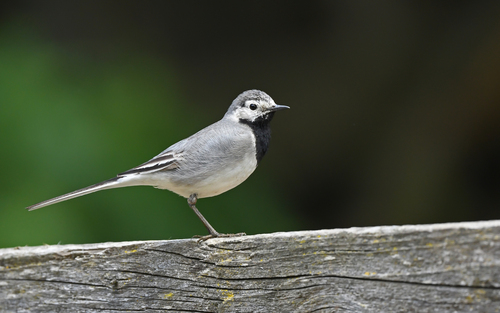
ハクセキレイ (Motacilla alba) ハクセキレイ
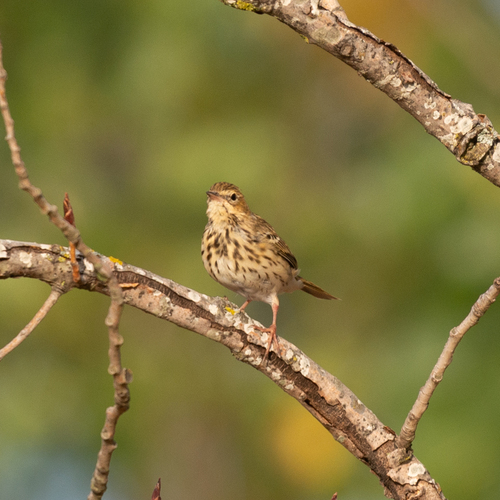
ヨーロッパビンズイ (Anthus trivialis) ヨーロッパビンズイ

メディア

読み込み中…

要点

ハクセキレイとヨーロッパビンズイを分ける最も信頼できる方法は、構造と行動によるものです:ハクセキレイは長く、常に揺れている尾を持ち、スリムでより直立した姿勢をしていますが、ビンズイはよりずんぐりしていて、重いくちばしを持ち、尾を揺らすことはほとんどありません。飛んでいるとき、ハクセキレイは翼と尾に強い白黒のコントラストを示しますが、ヨーロッパビンズイはより均一に茶色で縞模様です。特にイギリスの「ハクセキレイ」型の幼鳥や初冬のハクセキレイは、上面が暗く見えることがありますが、ビンズイの縞模様の背中や胸は欠けています。止まっているとき、ハクセキレイはシャープでモノクロームに見え、ビンズイは柔らかく、よりパターン化されています。木の中に鳥を見たら、ビンズイの重いくちばしと縞模様の腹部を確認し、ハクセキレイのクリーンで白い外観と比較してください。

識別のコツ

  1. Tail length and wagging: ハクセキレイは目立って長い尾を持ち、常に揺れています;ヨーロッパビンズイは短い尾を持ち、尾を揺らすことはほとんどありません。これはすべての年齢と季節で信頼できます。
  2. Wing and tail pattern in flight: ハクセキレイは翼と特に尾に大胆な白黒のコントラストを示します(白い外尾羽);ヨーロッパビンズイは上面が茶色で縞模様で、強い翼や尾のコントラストはありません。これは特に幼鳥や初冬の個体に役立ちます。
  3. Underparts: ヨーロッパビンズイは明るい胸に明確な暗い縞模様/斑点と白い腹を持っています;ハクセキレイはクリーンで白い腹部を持ち、ほとんど縞模様はありませんが、一部の亜種や年齢では暗いビブや胸の斑点が見られることがあります。
  4. Back and upperparts: ヨーロッパビンズイは上面が茶色で暗い縞模様があります;ハクセキレイ(特に「ハクセキレイ」)は上面が暗い灰色または黒ですが、ビンズイのように縞模様はありません。幼鳥のハクセキレイでもビンズイの強い縞模様はありません。
  5. Bill shape: ヨーロッパビンズイは重く、基部が広いくちばしを持っています;ハクセキレイのくちばしは細く、より尖っています。これは微妙ですが、良い観察に役立ちます。
  6. Perching behavior: ヨーロッパビンズイは木や電線に止まることが多いですが、ハクセキレイは地面や低い止まり木、水の近くで見られることが多いです。
  7. Song flight: ヨーロッパビンズイだけが木からパラシュートのように歌いながら飛ぶ行動をします。ハクセキレイはこのように行動しません。
  8. Habitat: ハクセキレイは開けた湿地や都市環境で一般的です;ヨーロッパビンズイは開けた森林、ヒース、散在する木や低い低木のある場所に生息し、都市部は避けます。
  9. Posture: ハクセキレイはより直立して見え、スリムに見えます;ビンズイはずんぐりしていて、より水平です。
  10. Sex and season: 繁殖羽のオスのハクセキレイは特に鮮明な白黒です;メスや幼鳥はより灰色や鈍い色合いになることがありますが、ビンズイの縞模様はありません。ヨーロッパビンズイは季節による変化が少なく、常に縞模様があります。
  11. Voice: ヨーロッパビンズイの鳴き声は強い「スペック」で、ハクセキレイの高い「ツィット」や「チシック」とは異なります。
  12. Confusion risk: 幼鳥のハクセキレイ、特に「ハクセキレイ」は上面が暗く見えることがあり、一見するとビンズイと混同されることがありますが、常にビンズイの縞模様の背中や胸はありません。
  13. Ground vs tree: 鳥が開けた地面で餌を食べている場合、ハクセキレイの可能性が高いです;木から歌っているか、パラシュートのように降りている場合は、ヨーロッパビンズイです。
  14. Feeding behavior: ハクセキレイは急速に歩いたり走ったりし、しばしば昆虫を追いかけます;ビンズイはよりゆっくりと歩いたり跳ねたりします。
  15. Local abundance: 都市や湿地環境では、ハクセキレイがはるかに多いです;特に春や夏の散在する木のある開けた森林では、ヨーロッパビンズイを確認してください。

大きさ

ヨーロッパビンズイはわずかに重く(体重約23.5g [wikidata])、ずんぐりした体型と重いくちばしを持っています。ハクセキレイは全体的にスリムで繊細で、体のサイズに対して尾が長いです。どちらも小さなスズメ目の鳥ですが、ハクセキレイはビンズイよりも細長く、頑丈ではありません。

羽色

幼鳥や初冬のハクセキレイ(特にイギリスの「ハクセキレイ」型)は上面がかなり暗く見えることがありますが、決してヨーロッパビンズイの強い茶色の縞模様は示しません。すべての年齢のハクセキレイは、翼と尾に黒、灰色、白の間に鋭いコントラストを持ち、特に飛んでいるときに明らかです;白い外尾羽は診断的です。ヨーロッパビンズイは上面が茶色で暗い縞模様があり、明るい胸に明確な黒っぽい斑点や縞模様があり、白い腹にフェードします。ハクセキレイの腹部ははるかにクリーンで、通常は白く、ほとんど縞模様はありませんが、一部の羽衣では暗いビブや胸の斑点が見られることがあります。冬には、ハクセキレイはより灰色や鈍い色合いを示すことがありますが、決してビンズイの縞模様の温かい明るい色合いはありません。フィールドでの性差は両種において小さいですが、繁殖羽のオスのハクセキレイは特に鮮明な白黒です。

行動

ハクセキレイはほぼ常に長い尾を上下に揺らしているのが見られ、餌を食べているときや止まっているときの両方でそうです。彼らはしばしば地面を速く歩いたり走ったりし、しばしば水の近く、開けた地面、または都市部で見られます。ヨーロッパビンズイは尾を揺らすことが少なく、より控えめな方法で歩いたり跳ねたりする傾向があります。彼らは木や電線に止まることがはるかに多く、彼らのディスプレイ飛行(上昇してパラシュートのように降りること)は診断的です。ハクセキレイは高い木に止まることはほとんどなく、地面や低い止まり木で見られることが多いです。

生息環境

ハクセキレイは非常に適応力があり、開けた田舎、都市部、水の近く、さらには建物の上でも見られます。森林に制限されることはありません。対照的に、ヨーロッパビンズイは開けた森林、ヒース、散在する木や低い低木のある場所で繁殖し、都市部を避け、草、シダ、中型の木の混合がある場所を好みます。鳥が密な森林や散在する木のある開けた湿地にいる場合、ヨーロッパビンズイの可能性が高く、ハクセキレイは開けた湿地や人間によって改変された生息地で見られる可能性が高いです。

声

ヨーロッパビンズイの鳴き声は強く、鋭い「スペック」で、ハクセキレイのより繊細で高音の鳴き声とはかなり異なります。ヨーロッパビンズイの歌飛行は独特で、木から上昇し、次にパラシュートのように降りながら長く続く歌を歌います。ハクセキレイはシンプルで高音の「ツィット」や「チシック」を持ち、ビンズイのような歌飛行は行いません。強い繰り返しの「スペック」を聞いたり、パラシュートのような歌飛行を見たりした場合、それはヨーロッパビンズイです。

より良い説明を送る

比較と同じ項目を使ってください。文章はすぐに公開されます。

The most reliable way to separate Pied/White Wagtail from Tree Pipit is by structure and behavior: wagtails have a longer, constantly wagged tail and a slimmer, more upright stance, while pipits are chunkier with a heavier bill and rarely wag their tails. In flight, wagtails show strong black-and-white contrasts on the wings and tail, while Tree Pipits are more uniformly brown and streaked. Juvenile and first-winter wagtails, especially the British 'Pied' form, can appear darker above, but still lack the pipit's streaked back and breast. Perched, wagtails look sharper and more monochrome, pipits softer and more patterned. If you see a bird in a tree, check for the pipit's heavier bill and streaked underparts versus the wagtail's cleaner, whiter look.

  1. Tail length and wagging: Wagtails have a noticeably longer tail that is constantly wagged; Tree Pipits have a shorter tail and rarely wag it. This is reliable at all ages and seasons.
  2. Wing and tail pattern in flight: Wagtails show bold black-and-white contrasts on the wings and especially the tail (white outer tail feathers); Tree Pipits are brown and streaked above, with no strong wing or tail contrast. This is especially useful for juveniles and first-winters.
  3. Underparts: Tree Pipit has a buff breast with clear dark streaks/spots and a white belly; wagtails have cleaner, whiter underparts with little or no streaking, though some subspecies or ages may show a dark bib or breast patch.
  4. Back and upperparts: Tree Pipit is brown above with dark streaks; wagtails (especially 'Pied') can be dark grey or black above, but never streaked like the pipit. Even juvenile wagtails lack the pipit's strong streaking.
  5. Bill shape: Tree Pipit has a heavier, broader-based bill; wagtail's bill is finer and more pointed. This is subtle but can help with good views.
  6. Perching behavior: Tree Pipits often perch in trees or on wires; wagtails are more likely to be seen on the ground, low perches, or near water.
  7. Song flight: Only Tree Pipit performs the parachuting song flight from a tree, with a drawn-out, descending song. Wagtails do not display this way.
  8. Habitat: Wagtails are common in open, wet, or urban habitats; Tree Pipits are found in open woodland, heath, or areas with scattered trees and low scrub, rarely in towns.
  9. Posture: Wagtails stand more upright and look slimmer; pipits are chunkier and more horizontal.
  10. Sex and season: Male wagtails in breeding plumage are especially crisp black-and-white; females and juveniles can be greyer or duller, but still lack pipit streaking. Tree Pipit shows little seasonal change, always streaked.
  11. Voice: Tree Pipit's call is a strong 'spek'; wagtail's call is a high 'tsit' or 'chissick'.
  12. Confusion risk: Juvenile wagtails, especially 'Pied', can appear dark above and may be confused with pipits at a glance, but always lack the pipit's streaked back and breast.
  13. Ground vs tree: If the bird is feeding on the ground in the open, wagtail is more likely; if singing from a tree or parachuting down, it's a Tree Pipit.
  14. Feeding behavior: Wagtails walk or run rapidly, often chasing insects; pipits walk or hop more slowly.
  15. Local abundance: In urban or wetland settings, wagtails are much more likely; in open woodland with scattered trees, especially in spring/summer, check for Tree Pipit.

Tree Pipit is slightly heavier (body mass ~23.5g [wikidata]), with a chunkier build and heavier bill. Pied/White Wagtail is slimmer and more delicate overall, with a longer tail relative to body size. Both are small passerines, but the wagtail appears more elongated and less robust than the pipit.

Juvenile and first-winter Pied/White Wagtails (especially the British 'Pied' form) can be quite dark above, but they never show the strong brown streaking of Tree Pipit. Wagtails of all ages have a sharp contrast between black, grey, and white in the wings and tail, especially obvious in flight; the white outer tail feathers are diagnostic. Tree Pipit is brown above with dark streaks and has a buff breast with clear blackish spots or streaks, fading to a white belly. The wagtail's underparts are much cleaner, usually white with little or no streaking except for possible dark bib or breast patches in some plumages. In winter, wagtails may show more grey or dull tones, but never the pipit's streaked, warm-buff look. Sex differences are minor in the field for both species, but male wagtails in breeding plumage can be especially crisp black-and-white.

Pied/White Wagtails are almost always seen wagging their long tails up and down, both when feeding and when perched. They often walk or run on the ground with a quick, purposeful gait, and are frequently found near water, open ground, or urban areas. Tree Pipits are less likely to wag their tails and tend to walk or hop in a more subdued fashion. They are much more likely to perch in trees or on wires, and their display flight (rising and parachuting down with a drawn-out song) is diagnostic. Wagtails rarely perch high in trees and are more often seen on the ground or low perches.

Pied/White Wagtail is highly adaptable, found in open country, urban areas, near water, and even on buildings. It is not restricted to woodland. Tree Pipit, in contrast, breeds in open woodland, heath, or areas with scattered trees and low scrub, avoiding urban areas and preferring places with a mix of grass, bracken, and medium-sized trees. If the bird is in dense woodland or open moorland with scattered trees, Tree Pipit is more likely; wagtails are more likely in open, wet, or human-modified habitats.

Tree Pipit's call is a strong, sharp 'spek', quite different from the wagtail's more delicate, high-pitched calls. The Tree Pipit's song flight is distinctive: it rises from a tree, then parachutes down with a drawn-out, descending song. Pied/White Wagtail has a simple, high-pitched 'tsit' or 'chissick', and does not perform a song flight like the pipit. If you hear a strong, repeated 'spek' or see a parachuting song flight, it's a Tree Pipit.

変更を破棄しますか?

保存していない編集があります。今離れると失われます。

ハクセキレイ · ヨーロッパビンズイ · 苦手な鳥