

Motmot

ソデグロバト 対 Yellowish Imperial-Pigeon

Ducula bicolor 対 Ducula subflavescens

ソデグロバトとYellowish Imperial-Pigeonのクイズ
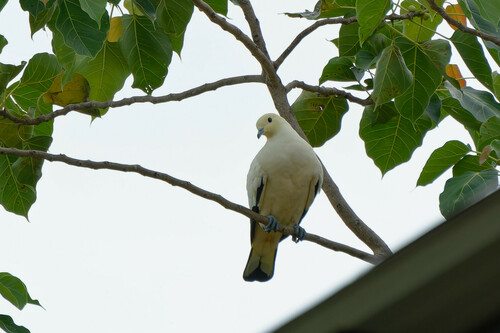
ソデグロバト (Ducula bicolor) ソデグロバト
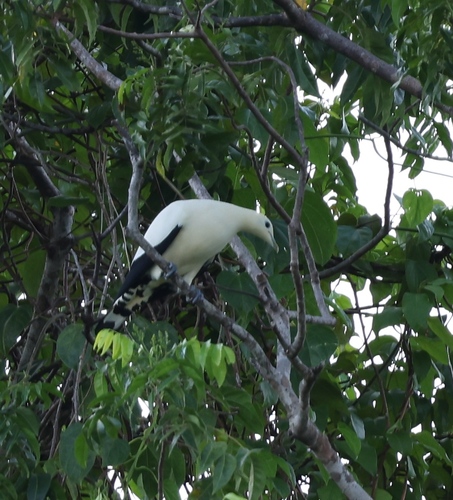
Yellowish Imperial-Pigeon (Ducula subflavescens) Yellowish Imperial-Pigeon

メディア

読み込み中…

要点

ソデグロバトとYellowish Imperial-Pigeonを区別する最も信頼できるフィールドマークは、全体の羽色のトーンです:ソデグロバトは清潔な白色で、Yellowish Imperial-Pigeonは羽毛全体に明確な黄味がかった洗いが見られます。両者は大きく、淡い鳩ですが、くちばしの色と尾羽のパターンも役立ちます:Piedは狭い暗い先端の青みがかったくちばしと、無地の白い尾羽の覆いを持ち、Yellowishは青みがかった基部のくちばし(黄味がかった先端付き)を持ち、より多くの黄味がかったトーンを示すことがあります。分布は強い手がかりです—Yellowishはビスマルク諸島に特有であり、Piedは東南アジアや近隣の島々に広く分布しています。未熟/幼鳥特有の翼や飛行パターンは、これら二つの間で診断的に説明されていないため、全体の色とくちばしの詳細に焦点を当ててください。

識別のコツ

  1. Overall plumage tone: ソデグロバトは全ての年齢で清潔で明るい白色ですが、Yellowish Imperial-Pigeonは羽毛全体に明確な黄味がかったまたはクリーミーな洗いがあります。これは最も信頼できるフィールドマークです。
  2. Bill color: Piedは狭い暗い先端の青みがかったくちばしを持ち、Yellowishは青みがかった基部ですが、黄味がかった先端を持ちます。これは微妙ですが、近距離で見ることができます。
  3. Undertail coverts and thighs: Piedは無地の白い尾羽の覆いと太ももを示し(時々尾羽の先端に小さな暗い斑点があることがあります)、Yellowishはここに斑点や明らかなマークがあるとは説明されていませんが、黄味がかった洗いがこれらの領域に広がることがあります。
  4. Range and location: ビスマルク諸島にいる場合、Yellowishが期待される種です;東南アジアの他の場所では、Piedがはるかに可能性が高いです。
  5. Yellowish tinge: 一部のソデグロバトはわずかに黄味がかって見えることがありますが、これは稀で、Yellowish Imperial-Pigeonほど顕著ではありません。黄味のトーンが明らかであれば、Yellowishを優先してください。
  6. Remiges (flight feathers): どちらの種もセレベスソデグロバトの銀灰色の飛翔羽を示さないため、ここでの混乱のポイントではありません。
  7. Greenish/yellowish bill: 緑がかった黄味のくちばしを見た場合、これらの二つではなくTorresian Imperial-Pigeonを考慮してください。
  8. Juvenile/immature wing pattern: どちらの種についても特有の幼鳥または未熟な上翼や飛行パターンは説明されていないため、この特徴に頼らないでください。
  9. Perched vs. flying: 両方の種は飛行中と止まっているときに似た外見を持ち、Yellowishの黄味がかった洗いは両方の状況で見えます。
  10. Sex and age: これら二つの間でフィールドIDに影響を与える性的二形や年齢に関連する羽毛の違いは説明されていません。
  11. Sympatry: これらの種は、極西ビスマルクを除いて分布が重なることはないため、地理的な文脈が非常に役立ちます。
  12. Confusion with other imperial pigeons: 黒い斑点のある尾羽の覆いや銀色の飛翔羽を見た場合、これらの二つではなく他の種(例:Silver-tipped、Torresian)を考慮してください。
  13. Lighting conditions: 強い日光や影が黄味のトーンに影響を与える可能性があることに注意してくださいが、良い光の中では通常違いは明確です。
  14. Bill detail: 良い視界がある場合のみくちばしの色を使用してください;そうでなければ、全体の色と場所に頼ってください。
  15. Habitat: 両方の種は森林や林地に見られますが、Piedはビスマルクの外のマングローブやプランテーションで見られる可能性が高いです。

大きさ

両方の種は比較的大きなインペリアルバトです。ソデグロバトの文書化された平均体重は456 g [wikidata]ですが、Yellowish Imperial-Pigeonの直接的な測定値は利用できませんが、同様に大きいと説明されています。サイズだけではフィールドでの信頼できる区別にはならず、両方とも頑丈で体格が似ています。

羽色

これら二つの種の間で年齢特有の上翼や飛行パターンの違いは説明されていないため、全体の色合いや柔らかい部分の詳細に焦点を当ててください。成鳥のソデグロバトは全体的に目を引く白色で、無地の白い太ももと尾羽の覆い(時々尾羽の先端に小さな暗い斑点があることがあります)を持ち、狭い暗い先端の青みがかったくちばしを持っています。Yellowish Imperial-Pigeonは、すべての羽毛において、体と翼全体に明確に黄味がかったまたはクリーミーな洗いがあり、稀な黄味がかったPiedよりもはるかに顕著です。くちばしは基部が青みがかり、先端が黄味がかっています。尾羽の覆いや太ももはYellowishでは斑点があるとは説明されていないため、主な違いは黄味がかった全体のトーンです。両方の種はセレベスソデグロバトの銀灰色の飛翔羽とTorresianの緑がかった黄味のくちばしを欠いています。特にビスマルクで強い黄味がかった色合いの鳥を見た場合、それはYellowish Imperial-Pigeonです;もしそれが鮮やかな白色であれば、それはPiedです。

行動

両方の種は典型的なインペリアルバトで、通常は高い木に止まっているか、森林のパッチ間を飛んでいるのが見られます。フィールドでそれらを確実に区別する行動の違いは説明されていません。

生息環境

ソデグロバトは東南アジア全体に広範囲に分布し、小さな島々、沿岸の森林、マングローブ、プランテーション、ミャンマーやタイからインドネシア、フィリピン、ニューギニアのバードヘッド半島までの低木地を含みます。Yellowish Imperial-Pigeonはビスマルク諸島の森林と林地に制限されています。したがって、場所は強い手がかりです:ビスマルクにいる鳥はおそらくYellowishであり、他の場所ではほぼ確実にPiedです。

より良い説明を送る

比較と同じ項目を使ってください。文章はすぐに公開されます。

The most reliable field mark to separate Pied Imperial-Pigeon from Yellowish Imperial-Pigeon is the overall plumage tone: Pied Imperial-Pigeon is clean white, while Yellowish Imperial-Pigeon shows a distinct yellowish wash throughout its plumage. Both are large, pale pigeons, but the bill color and undertail pattern also help: Pied has a narrowly dark-tipped bluish bill and plain white undertail coverts, while Yellowish has a bluish-based bill (with yellowish tip) and may show more yellowish tones. Range is a strong clue—Yellowish is endemic to the Bismarck Archipelago, while Pied is widespread across Southeast Asia and nearby islands. Immature/juvenile-specific wing or flight patterns are not described as diagnostic between these two, so focus on overall color and bill details.

  1. Overall plumage tone: Pied Imperial-Pigeon is clean, bright white in all ages, while Yellowish Imperial-Pigeon has a clear yellowish or creamy wash across the plumage. This is the single most reliable field mark.
  2. Bill color: Pied has a bluish bill with a narrow dark tip; Yellowish has a bluish base but a yellowish tip. This is subtle but can be seen at close range.
  3. Undertail coverts and thighs: Pied shows plain white undertail coverts and thighs (sometimes with a small dark spot at the undertail tip), while Yellowish is not described as having any spotting or obvious marks here, but the yellowish wash may extend to these areas.
  4. Range and location: If you are in the Bismarck Archipelago, Yellowish is the expected species; elsewhere in Southeast Asia, Pied is far more likely.
  5. Yellowish tinge: While some Pied Imperial-Pigeons can appear slightly yellowish, this is rare and never as pronounced as in Yellowish Imperial-Pigeon. If the yellow tone is obvious, favor Yellowish.
  6. Remiges (flight feathers): Neither species shows the silvery-grey remiges of Silver-tipped Imperial-Pigeon, so this is not a point of confusion here.
  7. Greenish/yellowish bill: If you see a greenish-yellow bill, consider Torresian Imperial-Pigeon, not either of these two.
  8. Juvenile/immature wing pattern: No distinctive juvenile or immature upperwing or flight pattern is described for either species, so do not rely on this feature.
  9. Perched vs. flying: Both species look similar in flight and when perched; the yellowish wash of Yellowish is visible in both situations.
  10. Sex and age: No sexual dimorphism or age-related plumage differences are described that would affect field ID between these two.
  11. Sympatry: These species do not overlap in range except possibly in extreme western Bismarcks, so geographic context is very helpful.
  12. Confusion with other imperial pigeons: If you see black-spotted undertail coverts or silvery remiges, consider other species (e.g., Silver-tipped, Torresian), not these two.
  13. Lighting conditions: Be aware that strong sunlight or shade can affect the perceived yellowish tone, but the difference is usually clear in good light.
  14. Bill detail: Use bill color only if you have a good view; otherwise, rely on overall color and location.
  15. Habitat: Both can be found in forest and woodland, but Pied is more likely in mangroves and plantations outside the Bismarcks.

Both species are relatively large imperial pigeons. The Pied Imperial-Pigeon has a documented average body mass of 456 g [wikidata], while no direct measurement is available for Yellowish Imperial-Pigeon, but it is described as similarly large. Size alone is not a reliable separator in the field, as both are robust and similar in bulk.

No age-specific upperwing or flight pattern differences are described between these two species, so focus on overall coloration and soft part details. Adult Pied Imperial-Pigeon is strikingly white overall, with plain white thighs and undertail coverts (sometimes a small dark spot at the undertail tip), and a narrowly dark-tipped bluish bill. Yellowish Imperial-Pigeon, in all plumages, is distinctly suffused with a yellowish or creamy wash across the body and wings—much more so than the rare yellowish-tinged Pied. Its bill is bluish at the base and yellowish at the tip. Undertail coverts and thighs are not described as spotted in Yellowish, so the main difference is the yellowish overall tone. Both species lack the silvery-grey remiges of Silver-tipped Imperial-Pigeon and the greenish-yellow bill of Torresian. If you see a bird with a strong yellowish tint, especially in the Bismarcks, it is Yellowish Imperial-Pigeon; if it is crisp white, it is Pied.

Both species are typical imperial pigeons, usually seen perched high in trees or flying between forest patches. No behavioral differences are described that would reliably separate them in the field.

Pied Imperial-Pigeon occupies a wide range across Southeast Asia, including small islands, coastal forests, mangroves, plantations, and scrub from Myanmar and Thailand through Indonesia to the Philippines and the Bird's Head Peninsula of New Guinea. Yellowish Imperial-Pigeon is restricted to forest and woodland in the Bismarck Archipelago. Thus, location is a strong clue: birds in the Bismarcks are likely Yellowish, while those elsewhere are almost certainly Pied.

変更を破棄しますか?

保存していない編集があります。今離れると失われます。

ソデグロバト · Yellowish Imperial-Pigeon · 苦手な鳥