

Motmot

アメリカウズラシギ 対 ヒメハマシギ

Calidris melanotos 対 Calidris mauri

アメリカウズラシギとヒメハマシギのクイズ
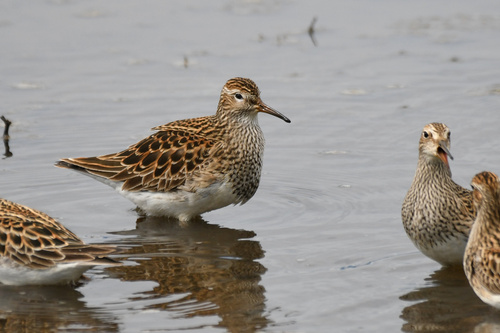
アメリカウズラシギ (Calidris melanotos) アメリカウズラシギ
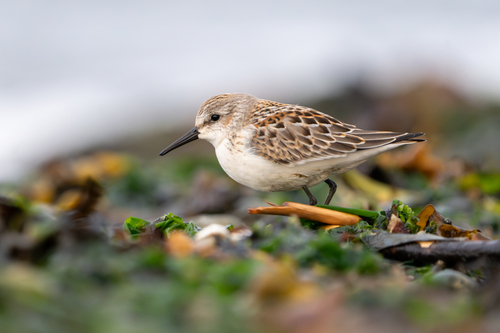
ヒメハマシギ (Calidris mauri) ヒメハマシギ

メディア

読み込み中…

要点

アメリカウズラシギとヒメハマシギを区別する最も信頼できる方法は、サイズと構造です:アメリカウズラシギははるかに大きく、ずっしりとしており、首と脚が長く、体が明らかに重いです。すべての羽色において、アメリカウズラシギは、鮮明に定義された暗い胸の帯とシャープな下端で際立っていますが、ヒメハマシギは小さく、よりコンパクトで、この強い胸の区分が欠けています。くちばしの形状と脚の色も役立ちます:アメリカウズラシギは、暗い先端と黄色がかった脚を持つオリーブ色の長いくちばしを持ち、ヒメハマシギは短く、細く、全体が黒いくちばしと黒い脚を持っています。幼鳥と非繁殖期の鳥は難しい場合がありますが、アメリカウズラシギの強い胸の帯は一貫したフィールドマークです。両種は移動中に一緒に見られることがあるため、構造と羽色に注意を払うことが重要です。

識別のコツ

  1. サイズと構造: アメリカウズラシギはヒメハマシギよりもはるかに大きく、重いです。長い首、長い脚、ずっしりとした体つきを探してください。ヒメハマシギはコンパクトで繊細です。これは近距離または混合群れで信頼できます。
  2. 胸の帯: アメリカウズラシギは常に鮮明に定義された暗い胸の帯とシャープな下端、白い腹を示します—これはすべての年齢と季節において最も良いフィールドマークです。ヒメハマシギはこの強い区分が欠けており、胸は無地またはわずかにマークされています。
  3. くちばしの形状と色: アメリカウズラシギは中程度の長さのオリーブ色のくちばしを持ち、暗い先端があります。ヒメハマシギは短く、細く、全体が黒いくちばしを持ち、先端がより細いです。くちばしの長さと太さは、鳥が並んでいるときに最もよく判断できます。
  4. 脚の色: アメリカウズラシギは黄色がかった脚を持ち、ヒメハマシギの脚は黒です。これは泥の条件や光が悪いときには見えにくいことがあります。
  5. 冠と眉斑: 繁殖羽のヒメハマシギは赤褐色の冠とより目立つ眉斑を示します。アメリカウズラシギの冠はより茶色で、赤褐色が少なく、眉斑が弱いです。
  6. 幼鳥の上面: 幼鳥のアメリカウズラシギは、赤褐色のトーンと白い背中のストライプで、上面がより鮮やかに模様が施されています。幼鳥のヒメハマシギは上面がより地味です。
  7. 冬羽: 両種は冬により地味になりますが、アメリカウズラシギは強い胸の帯を保持し、ヒメハマシギは上面が無地の灰色、下面が白になり、胸のマークがさらに少なくなります。
  8. 飛行時の視点: これらの種を区別する独特の上翼パターンはありません。飛行中でもサイズと胸の帯に頼ってください。
  9. 姿勢: アメリカウズラシギは、特に警戒しているときに、より直立して伸びた姿に見えることが多いです。ヒメハマシギはよりコンパクトで水平です。
  10. 生息地の文脈: 内陸の淡水池で見られた場合、アメリカウズラシギの可能性が高いです。ヒメハマシギは沿岸の泥干潟でより一般的ですが、両者は重なることがあります。
  11. 採餌行動: 両者は表面の無脊椎動物をついばんでいますが、アメリカウズラシギはより深く探ることがあり、より慎重に動くことがあります。
  12. 求愛行動: 求愛行動はオスのアメリカウズラシギにのみ記述されており、胸を膨らませることが含まれます。繁殖地以外では関連性がありません。
  13. 群れの構成: 混合群れでは、アメリカウズラシギは最も大きな「ピープ」として際立ちます。
  14. 声: 情報源には記述されていません。ここでの区別には声に頼らないでください。
  15. 落とし穴: 薄暗い光や距離がある場合、ヒメハマシギは実際よりも大きく見えることがあり、アメリカウズラシギの胸の帯は泥や姿勢によって隠されることがあります—可能な限り複数のマークを使用してください。

大きさ

アメリカウズラシギはヒメハマシギよりもかなり大きく、重いです。アメリカウズラシギは体重が約81.5g、長さが19〜23cm、翼開長が37〜46cmです [wikidata, wikipedia]。ヒメハマシギははるかに小さく、平均29.5g、長さが14〜17cm、翼開長が35〜37cmです [wikidata, wikipedia]。フィールドでは、アメリカウズラシギは首が長く、脚が長く、全体的により頑丈に見え、ヒメハマシギはコンパクトで繊細です。

羽色

幼鳥と非繁殖期のアメリカウズラシギは、鮮明に区切られた暗い胸の帯と明確な下端を持ち、白い腹と対照的です—これはすべての年齢と季節で見られ、最も診断的な羽色の特徴です。幼鳥のアメリカウズラシギは、赤褐色のトーンと白い背中のストライプで、上面がより鮮やかに模様が施されています。対照的に、ヒメハマシギは強い胸の帯が欠けており、成鳥と幼鳥は上面が茶色、下面が白で、繁殖羽では赤褐色の冠がありますが、冬には両種とも無地の灰色に見えることがあります。ヒメハマシギは暗い脚と短く、細い全体が黒いくちばしを持ち、アメリカウズラシギは黄色がかった脚と暗い先端のオリーブ色のくちばしを持っています。眉斑はアメリカウズラシギでは弱く、冠はヒメハマシギと比較してより茶色で赤褐色が少ないです。飛行中のどちらの種にも独特の上翼パターンは記述されていないため、体と頭のパターンに焦点を当ててください。

行動

両種は泥干潟や草地で採餌し、視覚で無脊椎動物をついばんだり、時には探ったりします。アメリカウズラシギは長い脚と首のため、姿勢がより直立して慎重に見えることがありますが、ヒメハマシギはよりコンパクトで、低い姿勢で素早く動くことがあります。求愛行動はオスのアメリカウズラシギにのみ記述されており、胸を膨らませることが含まれます。

生息環境

両種は移動する shorebird で、移動中に重なることがあります。アメリカウズラシギは北アメリカとアジアの北極の湿地帯で繁殖し、南アメリカとオセアニアで冬を越し、移動中や冬には淡水の生息地で見られることが多いです。ヒメハマシギは北極で繁殖し、太平洋沿岸に沿って移動し、南部アメリカから南アメリカで冬を越します。両者は泥干潟や草地を利用しますが、アメリカウズラシギは内陸の淡水池で見られる可能性が高く、ヒメハマシギは沿岸の泥干潟を好むことが多いです。

より良い説明を送る

比較と同じ項目を使ってください。文章はすぐに公開されます。

The most reliable way to separate Pectoral Sandpiper from Western Sandpiper is by size and structure: Pectoral is much larger and bulkier, with a longer neck and legs, and a noticeably heavier body. In all plumages, Pectoral Sandpiper stands out for its sharply defined, dark breast band with a crisp lower edge, while Western Sandpiper is smaller, more compact, and lacks this strong breast demarcation. Bill shape and leg color also help: Pectoral has a longer, olive-based bill with a dark tip and yellowish legs, while Western has a short, thin, all-dark bill and black legs. Juvenile and non-breeding birds can be tricky, but the strong breast band of Pectoral is a consistent field mark. Both species can occur together on migration, so careful attention to structure and plumage is essential.

  1. Size and structure: Pectoral Sandpiper is much larger and heavier than Western Sandpiper; look for a longer neck, longer legs, and a bulkier build. Western is compact and delicate. This is reliable at close range or in mixed flocks.
  2. Breast band: Pectoral Sandpiper always shows a sharply defined, dark breast band with a crisp lower edge and white belly—this is the single best field mark in all ages and seasons. Western Sandpiper lacks this strong demarcation; its breast is plain or only lightly marked.
  3. Bill shape and color: Pectoral has a medium-long, olive-based bill with a dark tip; Western has a short, thin, all-dark bill that is finer at the tip. Bill length and thickness are best judged when birds are side by side.
  4. Leg color: Pectoral Sandpiper has yellowish legs, while Western Sandpiper's legs are black. This can be hard to see in muddy conditions or poor light.
  5. Crown and supercilium: Western Sandpiper in breeding plumage shows a reddish-brown crown and a more prominent supercilium. Pectoral's crown is browner and less rufous, with a weaker supercilium.
  6. Juvenile upperparts: Juvenile Pectoral Sandpipers are more brightly patterned above, with rufous tones and white mantle stripes. Juvenile Westerns are plainer above.
  7. Winter plumage: Both species become plainer in winter, but Pectoral retains its strong breast band, while Western becomes plain grey above and white below, making it even less marked on the breast.
  8. Flight views: No distinctive upperwing pattern separates these species; rely on size and breast band even in flight.
  9. Posture: Pectoral often appears more upright and elongated, especially when alert. Western is more compact and horizontal.
  10. Habitat context: If seen on inland freshwater pools, Pectoral is more likely; Western is more common on coastal mudflats, but both can overlap.
  11. Foraging behavior: Both pick at surface invertebrates, but Pectoral may probe more and move more deliberately.
  12. Courtship display: Only male Pectoral Sandpiper puffs up its breast in display; not relevant outside breeding grounds.
  13. Flock composition: In mixed flocks, Pectoral will stand out as the largest 'peep' by a wide margin.
  14. Voice: Not described in sources; do not rely on vocalizations for separation here.
  15. Pitfalls: In dull light or at distance, Western can look larger than it is, and Pectoral's breast band may be obscured by mud or posture—use multiple marks where possible.

Pectoral Sandpiper is substantially larger and heavier than Western Sandpiper. Pectoral averages about 81.5 g in body mass, with a length of 19–23 cm and a wingspan of 37–46 cm [wikidata, wikipedia]. Western Sandpiper is much smaller, averaging 29.5 g, with a length of 14–17 cm and a wingspan of 35–37 cm [wikidata, wikipedia]. In the field, Pectoral appears longer-necked, longer-legged, and more robust overall, while Western is compact and delicate.

Juvenile and non-breeding Pectoral Sandpipers show a distinctive, sharply demarcated dark breast band with a clear lower edge, contrasting with a white belly—this is visible in all ages and seasons and is the single most diagnostic plumage feature. Juvenile Pectorals are also more brightly patterned above, with rufous tones and white mantle stripes. Western Sandpiper, in contrast, lacks a strong breast band; adults and juveniles are brown above and white below, with a reddish-brown crown in breeding plumage, but in winter both species can appear plain grey. Westerns have dark legs and a short, thin, all-dark bill, while Pectoral has yellowish legs and an olive-based bill with a dark tip. The supercilium (eyebrow) is weaker in Pectoral, and the crown is browner and less rufous compared to Western. No distinctive upperwing pattern is described for either species in flight, so focus on body and head pattern.

Both species forage on mudflats and grasslands, picking at invertebrates by sight and sometimes probing. Pectoral Sandpiper may appear more upright and deliberate in posture due to its longer legs and neck, while Western Sandpiper is more compact and may move quickly with a lower profile. Courtship display is only described for male Pectoral Sandpiper, involving puffing up the breast.

Both species are migratory shorebirds that can overlap on migration. Pectoral Sandpiper breeds in Arctic boggy tundra of North America and Asia and winters in South America and Oceania, often found in freshwater habitats on migration and winter. Western Sandpiper breeds in the Arctic and migrates along the Pacific coast, wintering from the southern US to South America. Both use mudflats and grasslands, but Pectoral is more likely to be found inland on freshwater pools, while Western often prefers coastal mudflats.

変更を破棄しますか?

保存していない編集があります。今離れると失われます。

アメリカウズラシギ · ヒメハマシギ · 苦手な鳥