

Motmot

パタゴニアカマドドリ 対 サザイカマドドリ

Pseudasthenes patagonica 対 Spartonoica maluroides

パタゴニアカマドドリとサザイカマドドリのクイズ
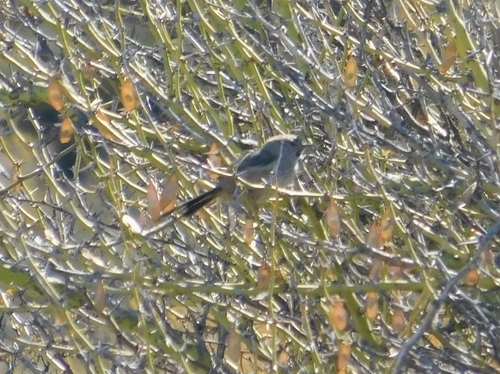
パタゴニアカマドドリ (Pseudasthenes patagonica) パタゴニアカマドドリ
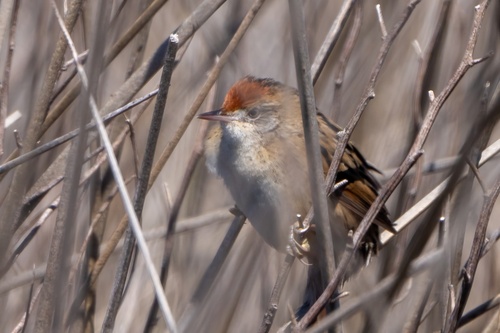
サザイカマドドリ (Spartonoica maluroides) サザイカマドドリ

メディア

読み込み中…

要点

パタゴニアカマドドリとサザイカマドドリを区別する最も信頼できるフィールドマークは頭部の模様です。カマドドリは、わずかに淡い眉斑しかない平坦な灰褐色の冠と顔を持ち、サザイカマドドリは豊かな赤褐色の冠と砂色の顔に強い白っぽい眉斑を示します。さらに、サザイカマドドリの上面は後頭部と上背に大胆に黒い縞模様があり、尾はより段階的で尖っています。両種はサイズが似ていますが、カマドドリはやや重く、がっしりとしています。カマドドリは乾燥した低木を好み、サザイカマドドリは湿った葦原に限定されています。飛んでいるときや止まっているときは、冠の色、眉斑の強さ、尾の形に注目して迅速に区別してください。

識別のコツ

  1. Crown color: パタゴニアカマドドリは平坦な淡い灰褐色の冠を持ち、サザイカマドドリは豊かな赤褐色の冠を持っています。これは特に止まっている鳥において、最も迅速な視覚的手がかりです。
  2. Supercilium: カマドドリの眉斑は淡く薄いです; サザイカマドドリの眉斑は大胆で白っぽく、砂色の顔に対してはっきりと目立ちます。
  3. Face pattern: カマドドリの顔は淡い灰褐色で、わずかなコントラストしかありません; サザイカマドドリの顔は砂色で、強い眉斑とより多くのコントラストがあります。
  4. Upperparts: カマドドリは上面が平坦な灰褐色です; サザイカマドドリは後頭部と上背に大胆な黒い縞模様があり、近距離または良い光の下で見ることができます。
  5. Tail shape: カマドドリの尾は暗い灰褐色で、外側の羽は栗色で特に段階的ではありません; サザイカマドドリの尾は茶色で、明確に段階的で尖っており、中央の羽にはいくつかの黒があります。この尾の形は、鳥が尾を扇ぐときや振るときに特に目立ちます。
  6. Underparts: カマドドリは下部が淡い灰色から黄褐色で、喉に黒い斑点や縞模様があります; サザイカマドドリは白っぽく、胸、側面、腹部にバフまたはシナモン色の洗いがあり、喉の縞模様はありません。
  7. Wing coloration: カマドドリの翼は茶色で、赤褐色の縁があります; サザイカマドドリの翼は茶色で、飛翔羽の基部にシナモン色があります。これは微妙で、良い光の下で見るのが最適です。
  8. Bill and legs: サザイカマドドリは黒っぽい上顎と淡い下顎を持ち、淡い茶色の脚と足があります; カマドドリのくちばしと脚の色は、これらのメモでは特に特徴的とは記述されていません。
  9. Habitat: 鳥が乾燥した低木や開けた国にいる場合、ほぼ確実にカマドドリです。葦原、セジマッシュ、または湿地にいる場合は、サザイカマドドリです。
  10. Behavior: サザイカマドドリは密な湿地の植生を這い回っているのが見られる可能性が高く、カマドドリは茂みの上に止まったり、開けた場所で地面を探したりする可能性が高いです。
  11. Size and shape: カマドドリはやや大きく、がっしりとしていますが、これは微妙で、フィールドでは常に信頼できるわけではありません。
  12. Vocalization: 長いバッタのようなブンブン音が聞こえたら、それはサザイカマドドリです。カマドドリの声はここでは記述されていません。
  13. Geographic range: 両種はアルゼンチンに生息していますが、サザイカマドドリはブラジル、パラグアイ、ウルグアイにも見られます。範囲だけではアルゼンチン内での診断にはなりません。
  14. Sex and age: 両性はそれぞれの種で似ており、年齢特有または季節的な羽毛の違いは記載されていないため、上記のすべてのフィールドマークは年間を通じてすべての年齢に適用されます。
  15. Common pitfalls: 鈍いまたは逆光のサザイカマドドリは、より地味に見えるかもしれませんが、赤褐色の冠と大胆な眉斑は通常はっきりと見えます。カマドドリは決して赤褐色の冠や強い眉斑を示しません。常に生息地と頭部の模様を最初に確認してください。

大きさ

パタゴニアカマドドリはやや大きく、重い(16 g 対 11 g)で、長さは14–15 cmで、サザイカマドドリの13–14.5 cmと比較されます。カマドドリはより頑丈でがっしりとした体型を持ち、サザイカマドドリは全体的に軽く、より繊細です。このサイズの違いはフィールドでは微妙ですが、カマドドリは特に止まっているときによりがっしりと見えることがあります。

羽色

どちらの種についても年齢特有の翼や飛行パターンのマークは記述されていないため、成鳥の羽毛に焦点を当ててください。パタゴニアカマドドリの成鳥は全体的に淡い灰褐色で、平坦な冠とわずかに淡い眉斑しか持っていません。翼は茶色で、わずかに赤褐色の縁があり、尾は暗い灰褐色で外側の羽に栗色があります。下部は淡い灰色から黄褐色で、喉には黒い斑点や縞模様があります。対照的に、サザイカマドドリの成鳥は目を引く赤褐色の冠、砂色の顔に大胆な白っぽい眉斑、後頭部と上背に強い黒い縞模様がある砂色からオリーブ色の上面を持っています。彼らの翼は茶色で、飛翔羽の基部にシナモン色があり、尾は茶色で、段階的で尖っており、中央の羽にはいくつかの黒があります。下部は白っぽく、バフまたはシナモン色の色合いがあります。両性はそれぞれの種で似ており、季節的または年齢に関連する違いは記載されていません。

行動

パタゴニアカマドドリは通常、乾燥した低木に生息し、低い植生の中を移動しますが、サザイカマドドリはほぼ常に密な湿地にいて、葦やセジの中で一人で採餌しています。サザイカマドドリの行動はより隠れがちで湿地の植生に結びついており、葦やセジの中を這い回っているのが見られることがあり、開けた地面に出ることはほとんどありません。カマドドリはより乾燥した開けた生息地で見られる可能性が高く、しばしば茂みの上に止まったり、地面で採餌したりします。

生息環境

生息地は強力な区別要因です: パタゴニアカマドドリはアルゼンチン固有で、乾燥した低木や乾燥した開けた国に生息しています。サザイカマドドリはアルゼンチン、ブラジル、パラグアイ、ウルグアイに生息していますが、葦原やセジの湿地—淡水、塩水、または塩水—のみに見られ、決して乾燥した低木には生息しません。鳥が湿地にいる場合、特に葦やセジの中にいる場合は、ほぼ確実にサザイカマドドリです; 乾燥した開けたまたは低木の生息地にいる場合は、カマドドリです。

声

サザイカマドドリの歌は長いバッタのようなブンブン音として記述されています。これらのメモではカマドドリの声の記述は提供されていないため、声はブンブン音が聞こえた場合のみ診断的であり、その場合はサザイカマドドリを指します。

より良い説明を送る

比較と同じ項目を使ってください。文章はすぐに公開されます。

The most reliable field mark to separate Patagonian Canastero from Bay-capped Wren-Spinetail is the head pattern: the canastero has a plain gray-brown crown and face with only a faint pale supercilium, while the wren-spinetail shows a rich rufous crown and a strong whitish supercilium on a sandy brown face. In addition, the wren-spinetail’s upperparts are boldly streaked black on the nape and upper back, and its tail is more graduated and pointed. Both species are similar in size, but the canastero is slightly heavier and stockier. The canastero prefers arid scrub, while the wren-spinetail is restricted to marshy reedbeds. In flight or perched, focus on crown color, supercilium strength, and tail shape for the quickest separation.

  1. Crown color: Patagonian Canastero has a plain light gray-brown crown; Bay-capped Wren-Spinetail has a rich rufous crown. This is the quickest visual cue, especially on perched birds.
  2. Supercilium: The canastero’s supercilium is faint and pale; the wren-spinetail’s is bold and whitish, standing out clearly against the sandy brown face.
  3. Face pattern: Canastero’s face is light grayish brown with only subtle contrast; wren-spinetail’s face is sandy brown with a strong supercilium and more contrast.
  4. Upperparts: Canastero is plain gray-brown above; wren-spinetail has bold black streaks on the nape and upper back, which are visible at close range or in good light.
  5. Tail shape: Canastero’s tail is dark gray-brown with chestnut outer feathers and is not especially graduated; wren-spinetail’s tail is brown, distinctly graduated, and pointed, with some black on the central feathers. This tail shape is especially noticeable when the bird fans or flicks its tail.
  6. Underparts: Canastero is pale grayish to tawny below, with black flecks and streaks on the throat; wren-spinetail is whitish with a buff or cinnamon wash on the breast, sides, and flanks, and lacks throat streaking.
  7. Wing coloration: Canastero’s wings are brown with rufescent edges; wren-spinetail’s wings are brown with cinnamon at the base of the flight feathers. This is subtle and best seen in good light.
  8. Bill and legs: Wren-spinetail has a blackish maxilla and paler mandible, with light tan legs and feet; canastero’s bill and leg colors are not described as distinctive in these notes.
  9. Habitat: If the bird is in dry scrub or open country, it is almost certainly a canastero. If in a reedbed, sedge marsh, or wetland, it is a wren-spinetail.
  10. Behavior: Wren-spinetail is more likely to be seen creeping through dense marsh vegetation, while canastero is more likely to perch on bushes or forage on the ground in open areas.
  11. Size and shape: Canastero is slightly larger and bulkier, but this is subtle and not always reliable in the field.
  12. Vocalization: If you hear a long, grasshopper-like buzz, it is the wren-spinetail. The canastero’s voice is not described here.
  13. Geographic range: Both occur in Argentina, but only the wren-spinetail is found in Brazil, Paraguay, and Uruguay. Range alone is not diagnostic within Argentina.
  14. Sex and age: Both sexes are similar in each species, and no age-specific or seasonal plumage differences are noted, so all field marks above apply year-round and to all ages.
  15. Common pitfalls: A dull or backlit wren-spinetail may appear plainer, but the rufous crown and bold supercilium usually remain visible. Canastero never shows a rufous crown or strong supercilium. Always check habitat and head pattern first.

Patagonian Canastero is slightly larger and heavier (16 g vs 11 g) and measures 14–15 cm in length, compared to the wren-spinetail’s 13–14.5 cm. The canastero has a more robust, stockier build, while the wren-spinetail is lighter and more delicate overall. This size difference is subtle in the field, but the canastero may appear bulkier, especially when perched.

No age-specific wing or flight pattern marks are described for either species, so focus on adult plumage. Patagonian Canastero adults are overall pale gray-brown above, with a plain crown and only a faint pale supercilium. The wings are brown with slightly rufous edges, and the tail is dark gray-brown with chestnut on the outer feathers. Underparts are pale grayish to tawny, with the throat showing black flecks and streaks. In contrast, Bay-capped Wren-Spinetail adults have a striking rufous crown, a bold whitish supercilium on a sandy brown face, and upperparts that are sandy to olive-brown with strong black streaks on the nape and upper back. Their wings are brown with cinnamon at the base of the flight feathers, and the tail is brown, graduated, and pointed, with some black on the central feathers. Underparts are whitish with a buff or cinnamon tinge. Both sexes are similar in each species, and no seasonal or age-related differences are noted.

Patagonian Canastero is typically found in arid scrub, moving through low vegetation, while Bay-capped Wren-Spinetail is almost always in dense marshes, foraging alone among reeds and sedges. The wren-spinetail’s behavior is more skulking and tied to wetland vegetation, and it may be seen clambering through reeds or sedges, rarely venturing into open ground. The canastero is more likely to be seen in drier, open habitats, often perching atop bushes or foraging on the ground.

Habitat is a strong separator: Patagonian Canastero is endemic to Argentina and found in arid scrub and dry open country. Bay-capped Wren-Spinetail is found in Argentina, Brazil, Paraguay, and Uruguay, but only in reedbeds and sedge marshes—freshwater, brackish, or saltwater—never in dry scrub. If the bird is in a wetland, especially among reeds or sedges, it is almost certainly a wren-spinetail; if in dry, open, or scrubby habitat, it is a canastero.

The wren-spinetail’s song is described as a long, grasshopper-like buzz. No vocal description is provided for the canastero in these notes, so voice is only diagnostic if the buzzing song is heard, in which case it points to the wren-spinetail.

変更を破棄しますか?

保存していない編集があります。今離れると失われます。

パタゴニアカマドドリ · サザイカマドドリ · 苦手な鳥