

Motmot

Papuan Eclectus 対 ルリゴシインコ

Eclectus polychloros 対 Psittinus cyanurus

Papuan Eclectusとルリゴシインコのクイズ
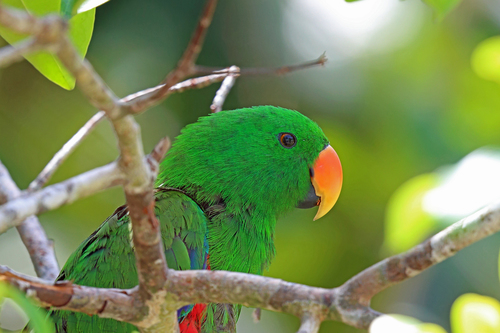
Papuan Eclectus (Eclectus polychloros) Papuan Eclectus
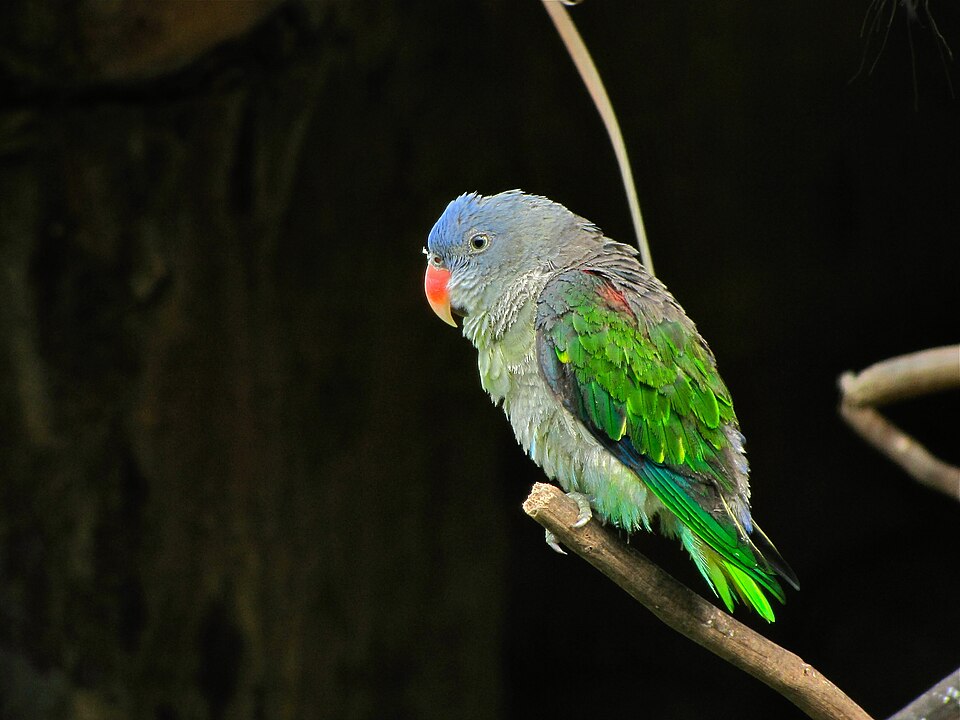
ルリゴシインコ (Psittinus cyanurus) ルリゴシインコ

メディア

読み込み中…

要点

Papuan Eclectusとルリゴシインコを区別する最も信頼できるフィールドマークは、全体のサイズと構造です:Papuan Eclectusははるかに大きくてがっしりしているのに対し、ルリゴシインコは小さくてコンパクトです。成鳥のオスでは、Papuan Eclectusは均一な明るい緑色で、尾は黄色の先端がありますが、オスのルリゴシインコは青い腰と頭、黒いマントル、赤いくちばしを示します。メスも非常に異なります:メスのPapuan Eclectusは主に赤と青ですが、メスのルリゴシインコは緑色で灰褐色の頭を持っています。飛行中、ルリゴシインコは明るい赤のアンダーウイングカバーと赤みがかった肩を見せますが、Papuan Eclectusにはこれがありません。これらの違いはすべての年齢と性別で見られ、良い視界があれば混同は起こりにくいですが、遠くから見たり短時間見たりすると緑のオウムで混乱することがあります。

識別のコツ

  1. Size and Structure: Papuan Eclectusはルリゴシインコよりもはるかに大きくてがっしりしています。スケール感がある場合は、これを最初のチェックとして使用してください。
  2. Tail Pattern (Male Papuan Eclectus): 尾の先端に黄色のバンドがあり、中央の尾羽は緑色で、側面の羽は青と緑です。このパターンはルリゴシインコにはありません。
  3. Overall Color (Adult Males): オスのPapuan Eclectusは明るい緑色でわずかに黄色がかっていますが、オスのルリゴシインコは青い頭と腰、黒いマントル、赤いくちばしを持っています。
  4. Red Underwing Coverts (ルリゴシインコ): 飛行中またはストレッチ中に、両性のルリゴシインコは明るい赤のアンダーウイングカバーと赤みがかった肩のパッチを示しますが、Papuan Eclectusでは見られません。
  5. Female Plumage: メスのPapuan Eclectusは主に赤と青で、灰褐色の頭を持つ緑のメスのルリゴシインコとは非常に異なります。
  6. Bill Color: オスのルリゴシインコは赤い上顎を持っていますが、Papuan Eclectusのオスはより典型的なオウムのくちばしを持っています(メモには赤とは記載されていません)。
  7. Yellowish Wing Coverts (ルリゴシインコ): ルリゴシインコは翼のカバーに黄色がかった縁を示し、特に近距離で目立ちます。
  8. Geographic Range: ニューギニアまたは北ケープヨークにいる場合はPapuan Eclectusを期待してください;東南アジアまたはマレー半島にいる場合はルリゴシインコを期待してください。
  9. Sexual Dimorphism: 両種は性的二形性がありますが、Papuan Eclectusでは(赤/青のメス対緑のオス)よりも、ルリゴシインコ(メスは灰褐色の頭、オスは青い頭/腰)での違いははるかに劇的です。
  10. Flight Impression: ルリゴシインコは飛行中に小さく、コンパクトで、敏捷に見えます;Papuan Eclectusは大きく、長い尾を持ち、飛行中は重く見えます。
  11. Shoulder Patch: 赤みがかった肩のパッチを示すのはルリゴシインコだけです;Papuan Eclectusにはありません。
  12. Habitat Context: 東南アジアの低地森林で赤いアンダーウイングを持つ小さな緑のオウムを見た場合、それはほぼ確実にルリゴシインコです。
  13. Subspecies Variation: 一部のPapuan Eclectusの亜種(例:アルー島)は尾の先端にピンク/オレンジ/赤を示すことがありますが、これはルリゴシインコでは見られません。
  14. No Overlap in Wild: 野生でバードウォッチングをしている場合、2種は地理的に重ならないため、場所が重要なチェックポイントです。
  15. No Age-specific Flight Marks: どちらの種にも記載された幼鳥や未成熟特有の上翼や飛行マークはないため、すべての年齢に対して成鳥のフィールドマークを使用してください。

大きさ

Papuan Eclectusはルリゴシインコよりもかなり大きいです。ルリゴシインコは約18 cmの長さの小さなオウムで、コンパクトで短い尾を持っています。Papuan Eclectusははるかに大きくて重く、明らかに長い尾とがっしりした、より頑丈な体型を持っています。距離があっても、両種がその地域で知られている場合、サイズの違いは通常明らかです。両者の間にサイズの重複はなく、構造だけでも混乱を排除できることがよくあります。

羽色

Papuan Eclectusには年齢特有の上翼や飛行マークは記載されていませんが、すべての年齢と性別のルリゴシインコは、飛行中または翼を広げたときに明るい赤のアンダーウイングカバーと赤みがかった肩のパッチを示します。成鳥のオスのPapuan Eclectusは全体が明るい緑色で、わずかに黄色がかっており、尾の先端には黄色のバンドがあります;中央の尾羽は緑色で、側面の羽は青と緑です。成鳥のオスのルリゴシインコは青い頭と腰、黒いマントル、赤い上顎、そして翼のカバーに黄色がかった縁を持っています。メスはさらに異なります:メスのPapuan Eclectusは主に赤と青ですが、メスのルリゴシインコは緑色で灰褐色の頭を持っています。明るい赤のアンダーウイングカバーと赤みがかった肩は、両性のルリゴシインコに存在しますが、Papuan Eclectusにはありません。どちらの種にも幼鳥や未成熟特有の翼のパターンは記載されていません。

行動

行動は、利用可能なメモからは強く診断できません。両種は樹上性のオウムですが、Papuan Eclectusははるかに大きいため、飛行中は遅くて慎重に見えるかもしれませんが、ルリゴシインコは小さいため、より速くて敏捷である可能性があります。社会的および採餌行動は、提供された情報源には詳細がありません。

生息環境

Papuan Eclectusはニューギニアとその近くの島々に生息しており、時には北ケープヨーク半島にまで広がります。ルリゴシインコは南ミャンマー、タイ半島、マレーシア、ボルネオ、スマトラ、および近くの島々に見られます。彼らの生息範囲は野生では重ならないため、場所が強い手がかりとなります。ニューギニアまたは北オーストラリアで見られた場合はPapuan Eclectusであり、東南アジアまたはマレー諸島で見られた場合はルリゴシインコです。

より良い説明を送る

比較と同じ項目を使ってください。文章はすぐに公開されます。

The most reliable field mark to separate Papuan Eclectus from Blue-rumped Parrot is overall size and structure: Papuan Eclectus is much larger and bulkier, while Blue-rumped Parrot is small and compact. In adult males, Papuan Eclectus is a uniform bright green with a yellow-tipped tail, whereas male Blue-rumped Parrot shows a blue rump and head, black mantle, and red bill. Females are also very different: female Papuan Eclectus is mostly red and blue, while female Blue-rumped Parrot is green with a grey-brown head. In flight, Blue-rumped Parrot flashes bright red underwing coverts and a reddish shoulder, which Papuan Eclectus lacks. These differences are visible at all ages and sexes, making confusion unlikely with good views, but distant or brief looks at green parrots can still cause mix-ups.

  1. Size and Structure: Papuan Eclectus is much larger and bulkier than Blue-rumped Parrot. Use this as your first check, especially if you have a sense of scale.
  2. Tail Pattern (Male Papuan Eclectus): Look for a yellow band at the tip of the tail, with central tail feathers green and lateral ones blue and green. Blue-rumped Parrot lacks this pattern.
  3. Overall Color (Adult Males): Male Papuan Eclectus is bright green with only a slight yellow tinge, while male Blue-rumped Parrot has a blue head and rump, black mantle, and red bill.
  4. Red Underwing Coverts (Blue-rumped Parrot): In flight or when stretching, Blue-rumped Parrot of both sexes shows bright red underwing coverts and a reddish shoulder patch—never seen in Papuan Eclectus.
  5. Female Plumage: Female Papuan Eclectus is mostly red and blue, extremely different from the green female Blue-rumped Parrot with a grey-brown head.
  6. Bill Color: Male Blue-rumped Parrot has a red upper mandible, while Papuan Eclectus males have a more typical parrot bill (not described as red in the notes).
  7. Yellowish Wing Coverts (Blue-rumped Parrot): Blue-rumped Parrot shows yellowish margins on the wing coverts, especially visible at close range.
  8. Geographic Range: If you are in New Guinea or northern Cape York, expect Papuan Eclectus; in Southeast Asia or the Malay Peninsula, expect Blue-rumped Parrot.
  9. Sexual Dimorphism: Both species are sexually dimorphic, but the differences are much more dramatic in Papuan Eclectus (red/blue female vs green male) than in Blue-rumped Parrot (female has grey-brown head, male has blue head/rump).
  10. Flight Impression: Blue-rumped Parrot appears small, compact, and agile in flight; Papuan Eclectus is large, long-tailed, and heavier in flight.
  11. Shoulder Patch: Only Blue-rumped Parrot shows a reddish shoulder patch; Papuan Eclectus does not.
  12. Habitat Context: If you see a small green parrot with red underwings in a Southeast Asian lowland forest, it is almost certainly Blue-rumped Parrot.
  13. Subspecies Variation: Some Papuan Eclectus subspecies (e.g., Aru Island) may show pink/orange/red in the tail tip, but this is not seen in Blue-rumped Parrot.
  14. No Overlap in Wild: If you are birding in the wild, the two species do not overlap geographically, so location is a key check.
  15. No Age-specific Flight Marks: There are no described juvenile or immature-specific upperwing or flight marks for either species, so use adult field marks for all ages.

Papuan Eclectus is substantially larger than Blue-rumped Parrot. The Blue-rumped Parrot is a small parrot, about 18 cm in length, and appears compact and short-tailed. Papuan Eclectus is much bigger and heavier, with a noticeably longer tail and a bulkier, more robust build. Even at a distance, the size difference is usually apparent if both species are known from the area. There is no overlap in size between the two, and structure alone can often rule out confusion.

There are no age-specific upperwing or flight marks described for Papuan Eclectus, but Blue-rumped Parrot of all ages and sexes shows bright red underwing coverts and a reddish shoulder patch in flight or when wings are spread. Adult male Papuan Eclectus is bright green overall with only a slight yellow tinge and a yellow band at the tail tip; the central tail feathers are green, with lateral feathers blue and green. Adult male Blue-rumped Parrot has a blue head and rump, black mantle, red upper mandible, and yellowish margins on the wing coverts. Females are even more distinct: female Papuan Eclectus is mostly red and blue, while female Blue-rumped Parrot is green with a grey-brown head. The bright red underwing coverts and reddish shoulder are present in both sexes of Blue-rumped Parrot, but not in Papuan Eclectus. No juvenile or immature-specific wing patterns are described for either species in the sources.

Behavior is not strongly diagnostic from the available notes. Both species are arboreal parrots, but Papuan Eclectus, being much larger, may appear slower and more deliberate in flight, while Blue-rumped Parrot is likely to be faster and more agile due to its smaller size. Social and feeding behaviors are not detailed in the provided sources.

Papuan Eclectus is native to New Guinea and nearby islands, sometimes extending to northern Cape York Peninsula. Blue-rumped Parrot is found in southern Myanmar, peninsular Thailand, Malaysia, Borneo, Sumatra, and nearby islands. Their ranges do not overlap in the wild, so location is a strong clue. If seen in New Guinea or northern Australia, it is Papuan Eclectus; if in Southeast Asia or the Malay Archipelago, it is Blue-rumped Parrot.

変更を破棄しますか?

保存していない編集があります。今離れると失われます。

Papuan Eclectus · ルリゴシインコ · 苦手な鳥