

Motmot

オオズグロカモメ 対 アカハシカモメ

Ichthyaetus ichthyaetus 対 Ichthyaetus audouinii

オオズグロカモメとアカハシカモメのクイズ
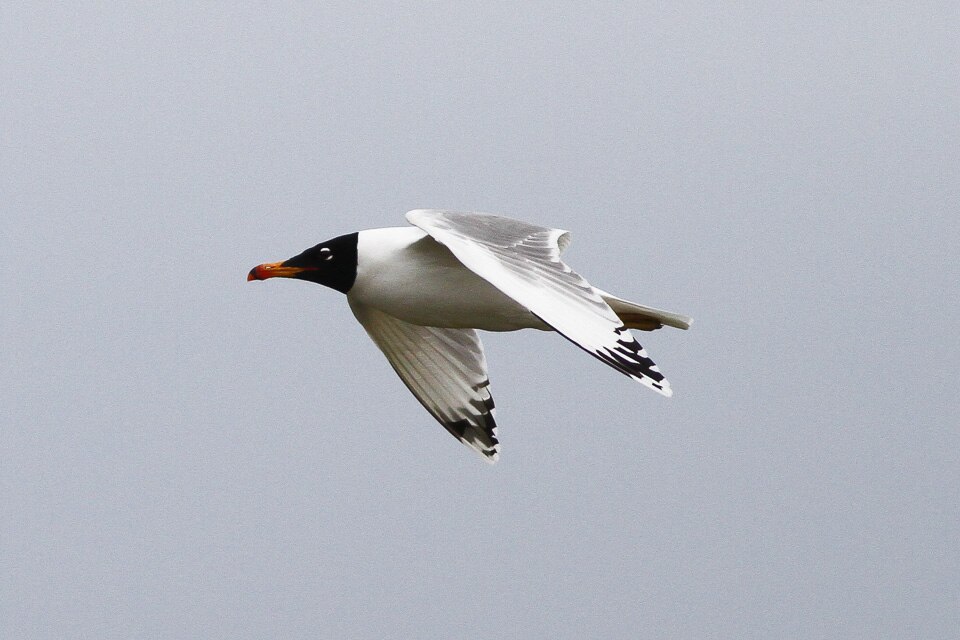
オオズグロカモメ (Ichthyaetus ichthyaetus) オオズグロカモメ
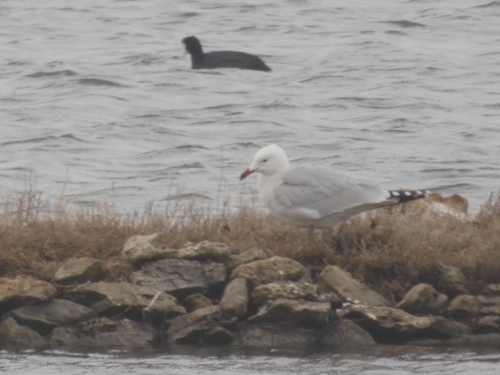
アカハシカモメ (Ichthyaetus audouinii) アカハシカモメ

メディア

読み込み中…

要点

オオズグロカモメとアカハシカモメの最も信頼できる区別は、サイズと頭の模様の組み合わせです:夏の成鳥Pallas'sは大胆な黒いフードを持っていますが、Audouin'sは年齢に関係なく完全な黒いフードを示しません。すべての羽色において、オオズグロカモメははるかに大きく、頑丈で、より重いくちばしと長い脚を持っています。飛行中は、翼先の模様に注意してください:Pallas'sは翼先に大きな白い「鏡」を示し、Audouin'sは「真珠のネックレス」—小さな白い斑点を持っています。脚とくちばしの色も異なります:Pallas'sは黄色い脚と赤い先端を持つオレンジ色のくちばしを持ち、Audouin'sは灰緑色の脚と短く深い赤いくちばしを持っています。未熟な鳥は難しい場合がありますが、Pallas'sは常により大きく、目を通して暗いマスクを示します。

識別のコツ

  1. Size and bulk: オオズグロカモメはAudouin'sよりもはるかに大きく、重いです。本当に巨大な体格のカモメを見たら、Pallas'sを優先してください。
  2. Head pattern (adults, summer): オオズグロカモメだけが繁殖羽において完全な黒いフードを示します。Audouin'sは黒いフードを持たず、頭は白か、わずかに汚れた程度です。
  3. Head pattern (non-breeding and immatures): Pallas'sは常に目を通して暗いマスクを示し、フードがないときでもそうです;Audouin'sはこのマスクを示さず、頭は淡いままです。
  4. Bill color and shape: Pallas'sは赤い先端を持つ長いオレンジ色のくちばしを持ち、Audouin'sは短くて太い深い赤いくちばしを持っています。くちばしの色は成鳥の強力な区別要因です。
  5. Leg color: オオズグロカモメは黄色い脚を持ち、Audouin'sは灰緑色の脚を持っています。これは成鳥において信頼できますが、遠くからは見えにくいことがあります。
  6. Wingtip pattern (adults): 飛行中、Pallas'sは翼先に大きな白い「鏡」を示し、Audouin'sは「真珠のネックレス」—小さな白い斑点の列を示します。これは、鳥がバンキングまたは着陸しているときに良い光の中で最もよく見えます。
  7. Upperparts: 両者は灰色の背中を持っていますが、Pallas'sはわずかに淡い色合いで、全体的により大きく見えます。
  8. Juvenile/immature confusion: 未熟なPallas'sは他の大型カモメに似て見えることがありますが、常により大きく、暗い頭のマスクを示します;Audouin'sの未熟な個体はスリムで、フードやマスクを持ちません。
  9. Structure: Pallas'sはAudouin'sよりも脚が長く、くちばしが重いです。Audouin'sはより繊細に見え、サイズに対して一次羽の突出が短いです。
  10. Habitat context: 内陸でよく見られる場合、Pallas'sの可能性がはるかに高いです。Audouin'sはほぼ常に厳密に沿岸または外洋にいます。
  11. Behavior: Audouin'sはめったに死肉を漁らず、海で夜間に餌を与えることが多いです;Pallas'sは典型的な大型カモメのように振る舞い、しばしば休んだり死肉を漁ったりしているのが見られます。
  12. Geographic range: Audouin'sは地中海と近くの沿岸に制限されています;Pallas'sははるかに広いユーラシアの範囲を持っています。
  13. Voice: 聞こえた場合、Pallas'sは深くて厳しい「アーグ」鳴き声を持っています。Audouin'sの声はここでは説明されていないため、この呼び声の不在は役立つかもしれませんが、決定的ではありません。
  14. Flock composition: 他のカモメと一緒に見られた場合、Pallas'sはそのサイズで際立ちます;Audouin'sは中型のカモメとより混ざり合います。
  15. Pitfalls: 悪い光の中や遠くからは、サイズと頭の模様が最も信頼できます。完全な成鳥の特徴を欠く未熟な大型カモメに注意してください—可能な限り、体格、頭のマスク、くちばし/脚の色に焦点を当ててください。

大きさ

オオズグロカモメはアカハシカモメよりも劇的に大きいです。平均体重は約1394g(オスは最大1600g)で、Pallas'sは世界最大の黒頭カモメであり、全体で3番目に大きいカモメです。体長は55〜72cm、翼幅は142〜170cmです。アカハシカモメは地中海の基準では大型のカモメですが、Pallas'sよりも明らかに小さく、より細身で、その巨大な体格と重い比率を欠いています。一緒に見られた場合、Pallas'sはAudouin'sを圧倒します。

羽色

行動

オオズグロカモメは典型的な大型カモメで、混合群れでよく見られ、内陸と沿岸の両方で見つけることができます。死肉を漁る可能性が高く、Audouin'sよりも海の魚に厳密に結びついていません。アカハシカモメは専門の魚食者で、めったに死肉を漁らず、厳密に沿岸および外洋に生息し、しばしば海の遠くで夜間に餌を与えたり、ビーチの近くをゆっくりとパトロールしたりし、時には抵抗を増すために脚を引きずることもあります。Audouin'sは内陸や海から離れた場所で見られる可能性が低いです。

生息環境

オオズグロカモメは、ユーラシア全体の大きな内陸湖、河川、沿岸地域を含むより広範な生息地で見つけることができます。アカハシカモメは地中海、西サハラのアフリカ、イベリア半島に制限されており、小さな島で繁殖し、海洋環境に密接に留まります。Audouin'sは非常に局所的で、繁殖範囲から遠くにさまようことはほとんどありませんが、Pallas'sはより広範囲に分布することができます。

声

オオズグロカモメは大型カモメに典型的な深くて厳しい「アーグ」鳴き声を持っています。Audouin'sの鳴き声は提供されたメモには記載されていないため、声はここでは信頼できる区別要因ではありません、Pallas'sの深く厳しい特性が確認されない限り。

より良い説明を送る

比較と同じ項目を使ってください。文章はすぐに公開されます。

The most reliable separation between Pallas's Gull and Audouin's Gull is the combination of size and head pattern: adult Pallas's in summer have a bold black hood, while Audouin's never shows a full black hood at any age. In all plumages, Pallas's Gull is much larger and more robust, with a heavier bill and longer legs. In flight, note the wingtip pattern: Pallas's shows large white 'mirrors' at the wingtips, while Audouin's has a 'string of pearls'—small white spots. Leg and bill color also differ: Pallas's has yellow legs and an orangey-yellow bill with a red tip, while Audouin's has grey-green legs and a short, deep red bill. Immature birds can be tricky, but Pallas's is always bulkier with a darker mask through the eye.

  1. Size and bulk: Pallas's Gull is much larger and heavier than Audouin's. If you see a truly massive gull with a heavy build, favor Pallas's.
  2. Head pattern (adults, summer): Only Pallas's Gull shows a full black hood in breeding plumage. Audouin's never has a black hood—its head remains white or only faintly smudged.
  3. Head pattern (non-breeding and immatures): Pallas's always shows a dark mask through the eye, even when not hooded; Audouin's never shows this mask, remaining pale-headed.
  4. Bill color and shape: Pallas's has a long, orangey-yellow bill with a red tip; Audouin's has a short, stubby, deep red bill. Bill color is a strong separator in adults.
  5. Leg color: Pallas's Gull has yellow legs; Audouin's has grey-green legs. This is reliable in adults but can be hard to see at distance.
  6. Wingtip pattern (adults): In flight, Pallas's shows large white 'mirrors' at the wing tips; Audouin's shows a 'string of pearls'—a row of small white spots. This is best seen in good light when the bird is banking or landing.
  7. Upperparts: Both are grey-backed, but Pallas's is a shade paler and appears more massive overall.
  8. Juvenile/immature confusion: Immature Pallas's can look similar to other large gulls but is always bulkier and shows a darker head mask; Audouin's immatures are slimmer and lack any hood or mask.
  9. Structure: Pallas's is longer-legged and heavier-billed than Audouin's. Audouin's looks more delicate and has a shorter primary projection relative to its size.
  10. Habitat context: If seen well inland, Pallas's is far more likely. Audouin's is almost always strictly coastal or pelagic.
  11. Behavior: Audouin's rarely scavenges and often feeds at night out at sea; Pallas's behaves more like a typical large gull, often seen loafing or scavenging.
  12. Geographic range: Audouin's is restricted to the Mediterranean and nearby coasts; Pallas's has a much broader Eurasian range.
  13. Voice: If heard, Pallas's has a deep, harsh 'aargh' cry. Audouin's voice is not described here, so absence of this call may help but is not definitive.
  14. Flock composition: If seen with other gulls, Pallas's will stand out for its size; Audouin's blends in more with medium-sized gulls.
  15. Pitfalls: In poor light or at great distance, size and head pattern are most reliable. Beware of immature large gulls lacking full adult features—focus on bulk, head mask, and bill/leg color when possible.

Pallas's Gull is dramatically larger than Audouin's Gull. With an average body mass of about 1394 g (males up to 1600 g), Pallas's is the world's largest black-headed gull and the third largest gull overall. It measures 55–72 cm in length with a 142–170 cm wingspan. Audouin's Gull is a large gull by Mediterranean standards but is noticeably smaller and more slender than Pallas's, lacking its massive bulk and heavy proportions. If seen together, Pallas's towers over Audouin's.

  • Juvenile/Immature (first-winter to third-year): Pallas's Gull immatures rapidly acquire grey upperparts and show a dark mask through the eye, a vestige of the adult hood. Audouin's immatures do not develop a hood or mask; their head is paler and more uniform. Both take four years to reach adult plumage, but Pallas's always appears bulkier and darker-headed at distance.
  • Adult breeding: Pallas's Gull is unmistakable with a full black hood, grey wings and back, large white mirrors at the wingtips, yellow legs, and an orangey-yellow bill with a red tip. Audouin's adult is much plainer-headed (white with a faint smudge at most), has a short, deep red bill, grey-green legs, and a distinctive 'string of pearls'—small white spots—on the wing tips instead of large mirrors.
  • Non-breeding adult: Pallas's loses the full hood but retains a dark mask through the eye; Audouin's remains pale-headed with no dark mask.

Pallas's Gull is a typical large gull, often seen in mixed flocks, and can be found both inland and along coasts. It is more likely to scavenge and is less strictly tied to marine fish than Audouin's. Audouin's Gull is a specialist fish eater, rarely scavenges, and is strictly coastal and pelagic—often feeding at night far out at sea or slowly patrolling near beaches, sometimes dragging its legs to increase drag. Audouin's is less likely to be seen inland or away from the sea.

Pallas's Gull can be found in a wider range of habitats, including large inland lakes, rivers, and coastal areas across Eurasia. Audouin's Gull is restricted to the Mediterranean, western Saharan Africa, and the Iberian Peninsula, breeding on small islands and sticking closely to marine environments. Audouin's is highly localized and rarely wanders far from its breeding range, while Pallas's can be more widespread.

Pallas's Gull has a deep, harsh 'aargh' cry, typical of large gulls. Audouin's vocalizations are not described in the provided notes, so voice is not a reliable separator here unless the deep, harsh quality of Pallas's is noted.

変更を破棄しますか?

保存していない編集があります。今離れると失われます。

オオズグロカモメ · アカハシカモメ · 苦手な鳥