

Motmot

ハジロテリムク 対 アカバネテリムク

Onychognathus nabouroup 対 Onychognathus morio

ハジロテリムクとアカバネテリムクのクイズ
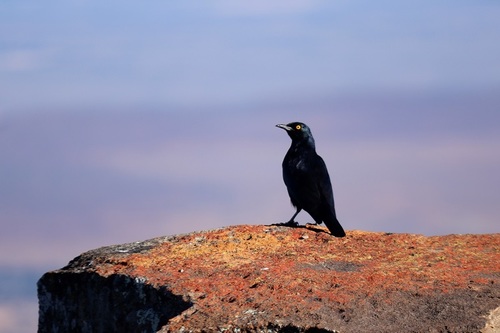
ハジロテリムク (Onychognathus nabouroup) ハジロテリムク
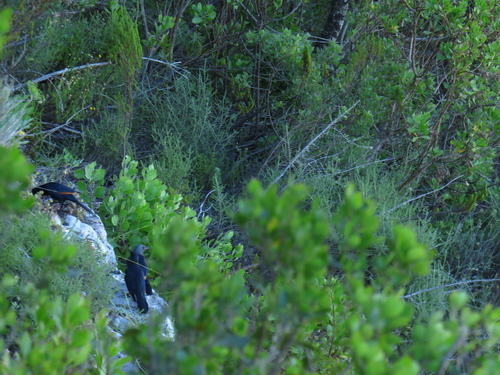
アカバネテリムク (Onychognathus morio) アカバネテリムク

メディア

読み込み中…

要点

ハジロテリムクとアカバネテリムクを区別する最も信頼できるフィールドマークは、飛行中に見える初列風切羽の色です:ハジロテリムクはオレンジ色の縁取りがある淡い白色の初列風切羽を示し、アカバネテリムクは豊かな赤褐色(栗色)の初列風切羽を持っています。目の色も重要です—ハジロテリムクは明るい赤またはオレンジの目を持ち、アカバネテリムクの目は暗く、ほぼ黒です。アカバネテリムクの雌だけが灰色の頭と胸を持ち、この特徴はハジロテリムクには見られません。両種はサイズと全体的な構造が似ていますが、特に飛行中や良い光の下での翼と目の色に注意を払うことで、ほとんどの混乱を解消できます。

識別のコツ

  1. 飛行中の初列風切羽の色を確認する: ハジロテリムクはオレンジ色の縁取りがある淡い白色の初列風切羽を示し、淡い翼パネルを形成します;アカバネテリムクは深い赤褐色または栗色の初列風切羽を持っています。これは、すべての年齢での最も信頼できるマークです。
  2. 目の色を注意深く評価する: ハジロテリムクは明るい赤またはオレンジの虹彩を持ち、良い光の下で遠くからでも見えます。アカバネテリムクの目は暗く、成鳥ではほぼ黒で、幼鳥では茶色がかっています。これは、止まっている鳥をよく見た場合に診断的です。
  3. 灰色の頭と胸を探す: アカバネテリムクの雌だけが灰色の頭と上胸を持っています。これを見た場合、あなたはアカバネテリムクの雌を見ています;ハジロテリムクはこの特徴を示しません。
  4. 光沢と全体の色: 両者は光沢のある黒ですが、アカバネテリムクはわずかに虹色に見えることがあります。これは微妙で、翼と目の色に比べて信頼性が低いです。
  5. 幼鳥の混乱: 幼鳥のアカバネテリムクは成鳥の雄に似ていますが、光沢が少なく、茶色の目を持っています。幼鳥のハジロテリムクは詳細に記述されていませんが、淡い翼パネルは飛行中にまだ見えるはずです。
  6. 性差: アカバネテリムクだけが明確な性差を示します(雌の灰色の頭);ハジロテリムクは両性で似ています。
  7. 生息地の文脈: 町や都市、崖では、アカバネテリムクの方が可能性が高いです、特に東部/南部アフリカでは。乾燥した岩だらけの地域や南西アフリカのより遠隔地では、ハジロテリムクの方が可能性が高いですが、重複はあります。
  8. 行動: 両種は一般的な雑食性で、似たような方法で採餌することがあります。行動は強い区別要因ではありません。
  9. くちばしと構造: くちばしの形、尾、または全体の構造において信頼できる違いは記載されていません;両者は頑丈で中型から大型のムクドリです。
  10. 鳴き声: アカバネテリムクの口笛のような鳴き声は、聞こえた場合に役立つかもしれませんが、ハジロテリムクの声は記述されておらず、頼るべきではありません。
  11. 季節的変化: どちらの種にも重要な季節的羽毛の変化は報告されていません;年中翼と目の色を使用してください。
  12. 照明の落とし穴: 光が悪い場合、淡いまたは赤褐色の翼パネルを区別するのが難しいことがあります;良い光の下で鳥を観察するか、飛行中の視点を待ってください。
  13. 群れの構成: 重複ゾーンでは混合群れが発生することがあります—特に飛行中に各個体を注意深く確認してください。
  14. 範囲の認識: 地元の種を知ってください—もし一方の範囲外にいる場合、もう一方がより可能性が高いですが、漂流や重複は発生します。
  15. 要約のヒント: 飛行中の翼パネルの色と止まっている鳥の目の色を優先してください;アカバネテリムクのために雌の頭の色を決定的な要素として使用してください。光沢や行動の微妙な違いに頼るのは避けてください。

大きさ

両種は頑丈で中型から大型のムクドリで、全体的な比率は似ています。ハジロテリムクの報告された体重は103 g [wikidata]です;アカバネテリムクは長さ(27–30 cm)は似ていますが、ソースには直接の体重の数字がありません。フィールドでは、サイズはこれら二つの間で信頼できる区別要因ではなく、体格とシルエットがかなり重なります。

羽色

行動

両種は雑食性で機会主義的であり、果物、昆虫、時には蜜を食べます。アカバネテリムクは都市環境への適応性が高いことで知られ、崖、建物、町の周りでよく見られます。ハジロテリムクも一般的な採餌者ですが、都市の生息地にはあまり関連していません。両者は目立って止まり、小さな群れで見られることがありますが、行動だけでは強い区別要因ではありません。

生息環境

ハジロテリムクは南西アフリカ(アンゴラ、ボツワナ、ナミビア、南アフリカ)に生息し、アカバネテリムクはエチオピアから南アフリカまでより広く分布し、崖や山岳地帯を好みますが、都市や町にも適応しています。重複のある地域(南部アフリカ)では、生息地だけでは診断的ではありませんが、アカバネテリムクは都市や崖の多い環境でより可能性が高く、ハジロテリムクは乾燥した岩だらけの地域に典型的です。

声

アカバネテリムクは特徴的な口笛の接触音('cher-leeeoo')を持っていますが、ハジロテリムクのための特定の鳴き声の違いはソースに記載されていません。声は利用可能な情報に基づく主要な区別要因ではありません。

より良い説明を送る

比較と同じ項目を使ってください。文章はすぐに公開されます。

The most reliable field mark to separate Pale-winged Starling from Red-winged Starling is the color of the primaries seen in flight: Pale-winged shows pale whitish primaries edged with orange, while Red-winged displays rich rufous (chestnut) primaries. Eye color is also key—Pale-winged has a bright red or orange eye, while Red-winged's is dark, almost black. Only female Red-winged Starlings have a grey head and breast, a feature never shown by Pale-winged. Both species are similar in size and overall structure, but careful attention to wing and eye color, especially in flight or good light, will resolve most confusion.

  1. Check the color of the primaries in flight: Pale-winged Starling shows pale whitish primaries edged with orange, forming a pale wing panel; Red-winged Starling has deep rufous or chestnut primaries. This is the single most reliable mark in all ages after fledging.
  2. Assess eye color carefully: Pale-winged Starling has a bright red or orange iris, visible even at a distance in good light. Red-winged Starling's eye is dark, almost black in adults, and brownish in juveniles. This is diagnostic in perched birds if seen well.
  3. Look for a grey head and breast: Only female Red-winged Starlings have an ash-grey head and upper breast. If you see this, you are looking at a female Red-winged; Pale-winged never shows this feature.
  4. Gloss and overall color: Both are glossy black, but Red-winged may appear slightly more iridescent. This is subtle and unreliable compared to wing and eye color.
  5. Juvenile confusion: Juvenile Red-winged resembles the adult male but is less glossy and has a brown eye. Juvenile Pale-winged is not well described, but the pale wing panel should still be visible in flight.
  6. Sexual dimorphism: Only Red-winged shows clear sex differences (female grey head); Pale-winged is similar in both sexes.
  7. Habitat context: In towns, cities, or on cliffs, Red-winged is more likely, especially in eastern/southern Africa. In arid, rocky, or more remote regions of southwestern Africa, Pale-winged is more probable, but overlap occurs.
  8. Behavior: Both species are generalist omnivores and may forage in similar ways. Behavior is not a strong separator.
  9. Bill and structure: No reliable difference in bill shape, tail, or overall structure is noted in the sources; both are robust, medium-large starlings.
  10. Vocalizations: Red-winged's whistled call may help if heard, but Pale-winged's voice is not described and should not be relied on.
  11. Seasonal variation: No significant seasonal plumage changes are reported for either species; use wing and eye color year-round.
  12. Lighting pitfalls: In poor light, the pale or rufous wing panels may be hard to distinguish; try to observe birds in good light or wait for flight views.
  13. Group composition: Mixed flocks can occur in overlap zones—check each individual carefully, especially in flight.
  14. Range awareness: Know your local species—if you are outside the range of one, the other is more likely, but vagrancy and overlap do happen.
  15. Summary tip: Prioritize wing panel color in flight and eye color in perched birds; use female head color as a clincher for Red-winged. Avoid relying on subtle differences in gloss or behavior.

Both species are robust, medium-large starlings with similar overall proportions. The Pale-winged Starling has a reported body mass of 103 g [wikidata]; Red-winged Starling is similar in length (27–30 cm) but lacks a direct mass figure in the sources. In the field, size is not a reliable separator between these two, as their bulk and silhouette overlap considerably.

  • Juvenile/immature birds: No specific age-related upperwing pattern is described for either species, so focus on adult-like features even in young birds. Juvenile Red-winged Starlings resemble adult males but are less glossy and have brown (not dark red) eyes; Pale-winged juveniles are not described in detail, but eye color may be less intense than in adults.

  • Adults in flight: The most diagnostic mark is the color of the primaries. Pale-winged Starling flashes pale whitish primaries with orange edges, creating a striking pale panel in the wing. Red-winged Starling shows deep rufous or chestnut primaries, which look rich reddish-brown in flight. This difference is visible in all ages after fledging.

  • Perched birds: Eye color is critical—Pale-winged has a bright red or orange iris, while Red-winged's is dark, nearly black (juveniles brownish). Only female Red-winged Starlings have a grey head and breast, which is never seen in Pale-winged. Both species are otherwise glossy black overall, but Red-winged may appear slightly more iridescent.

  • Sex differences: Only Red-winged shows sexual dimorphism: females have a distinctive ash-grey head and upper breast, while males are all dark. Pale-winged shows no such difference.

Both species are omnivorous and opportunistic, feeding on fruit, insects, and sometimes nectar. Red-winged Starlings are noted for their adaptability to urban environments, often seen around cliffs, buildings, and towns. Pale-winged Starlings are generalist foragers as well but are less associated with urban habitats. Both perch conspicuously and may be seen in small groups, but behavior alone is not a strong separator.

Pale-winged Starling is found in southwestern Africa (Angola, Botswana, Namibia, South Africa), while Red-winged Starling ranges more widely from Ethiopia to South Africa, favoring cliffs and mountainous areas but also adapting to cities and towns. In areas of overlap (southern Africa), habitat alone is not diagnostic, but Red-winged is more likely in urban or cliffy settings, while Pale-winged is more typical of arid, rocky regions.

Red-winged Starling has a distinctive whistled contact call ('cher-leeeoo'), but no specific vocal differences are detailed for Pale-winged in the sources. Voice is not a primary separator based on available information.

変更を破棄しますか?

保存していない編集があります。今離れると失われます。

ハジロテリムク · アカバネテリムク · 苦手な鳥