

Motmot

ハジロテリムク 対 クロハラテリムク

Onychognathus nabouroup 対 Notopholia corusca

ハジロテリムクとクロハラテリムクのクイズ
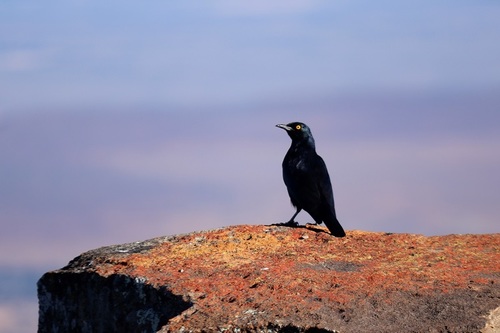
ハジロテリムク (Onychognathus nabouroup) ハジロテリムク
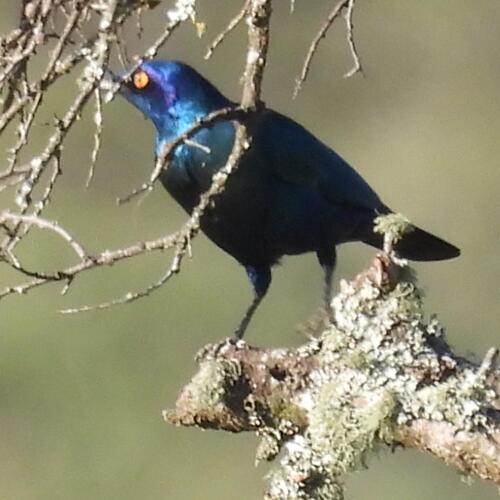
クロハラテリムク (Notopholia corusca) クロハラテリムク

メディア

読み込み中…

要点

ハジロテリムクとクロハラテリムクの最も信頼できるフィールドマークは、ハジロテリムクの折りたたまれた翼と広げた翼にある淡いパネルであり、クロハラテリムクにはこのパネルがありません。飛行中または静止中に明らかに淡いまたは銀色の翼のパッチを持つテリムクを見た場合、それはハジロテリムクです。クロハラテリムクは全体的にずっと暗く、このコントラストが欠けています。両種は南部アフリカの一部で重なり合っているため、文脈だけでは不十分です。幼鳥と成鳥は同じ重要な翼の違いを示すため、このマークは年間を通じて信頼できます。構造とサイズは似ているため、翼のパターンと全体的な色合いに注目してください。

識別のコツ

  1. 淡い翼のパネル(すべての年齢): ハジロテリムクは常に淡いまたは銀色の翼のパッチを示し、静止中でも飛行中でも見えます。これは最も信頼できるフィールドマークです。
  2. 均一に暗い翼(すべての年齢): クロハラテリムクは翼に淡いパネルを欠いており、翼は全体的に光沢があり暗いです。
  3. 全体的な色合い: ハジロテリムクは淡い翼のパッチのために全体的にわずかに明るく見えることがありますが、クロハラテリムクは一貫して暗く、特に腹部と翼でそうです。
  4. 年齢特有の落とし穴はない: 両種は幼鳥から成鳥の羽毛まで重要な翼のパターンを維持するため、年齢はこのマークの混乱要因ではありません。
  5. 止まっているときの視点: 止まっているときでも、ハジロテリムクの翼の淡いパネルは通常見えます。折りたたまれた翼に淡いパッチのあるテリムクを見た場合、それはクロハラテリムクではありません。
  6. 飛行中の視点: 飛行中、ハジロテリムクの淡いパネルはさらに明白です。クロハラテリムクの翼は暗いままです。
  7. 虹彩の色: クロハラテリムクの虹彩は気分や行動によって色が変わることがありますが、これは微妙であり、分離のための信頼できるフィールドマークではありません。
  8. サイズと構造: 両者は中型で頑丈なテリムクです。分離のためにサイズや形状に頼らないでください。
  9. 生息地の重なり: 両種は同じ地域に生息することがあり、特に南アフリカではそうです。場所を主要な分離要因として使用しないでください。
  10. 腹部の色: クロハラテリムクはその暗い腹部のために名付けられましたが、これは翼のパネルの違いほど診断的ではありません。
  11. 強い季節的または性別の違いはない: 重要なフィールドマークは、いずれの種でも季節や性別によって変わりません。
  12. 食事と行動: 両者は雑食性で、似たような食事習慣を示します。これは識別には役立ちません。
  13. 疑わしい場合は翼に注目: 淡い翼のパネルの有無は、どの文脈でもこれら二種を分ける最も迅速で信頼できる方法です。

大きさ

ハジロテリムクは約103gの体重を持つ頑丈なテリムクです。[wikidata] クロハラテリムクの直接的な体重データは利用できませんが、両者は中型のテリムクであり、フィールドでサイズが重なる可能性があります。サイズだけではこれら二種を分ける信頼できる要因ではありません。

羽色

目立つ羽毛の違いは、ハジロテリムクの翼にある淡いまたは銀色のパネルであり、すべての年齢で止まっているときと飛行中に見えます。この淡い翼の部分は、他の暗い羽毛と強く対比します。対照的に、クロハラテリムクは均一に暗く、淡い翼のパッチはありません。羽毛は全体的に光沢があり暗いです。いずれの種でも年齢特有の翼のパターンの変化については言及されていないため、このマークは幼鳥と成鳥の両方に信頼できます。明らかに淡いまたは銀色の翼のパッチを持つテリムクを見た場合、それはハジロテリムクです。翼が均一に暗い場合、それはクロハラテリムクです。

行動

両種は一般的な雑食性であり、果物や昆虫を探しているのが見られることが多いです。二者間に診断的な行動の違いは記載されていないため、行動を分離のために使用しないでください。

生息環境

両種は南部アフリカに生息し、ハジロテリムクはアンゴラ、ボツワナ、ナミビア、南アフリカに、クロハラテリムクはエスワティニ、ケニア、モザンビーク、ソマリア、南アフリカ、タンザニア、ジンバブエに生息しています。[wikipedia] 彼らの分布は南アフリカと隣接する地域で重なっています。生息地の好みは強い分離要因として記述されていないため、場所だけに頼らないでください。

より良い説明を送る

比較と同じ項目を使ってください。文章はすぐに公開されます。

The most reliable field mark between Pale-winged Starling and Black-bellied Starling is the pale panel on the folded and outstretched wing of Pale-winged Starling, which is absent in Black-bellied Starling. If you see a starling with a distinctly pale or silvery wing patch in flight or at rest, it's Pale-winged; Black-bellied is overall much darker and lacks this contrast. Both species overlap in parts of southern Africa, so context alone is not enough. Juvenile and adult birds show the same key wing difference, making this mark dependable year-round. Structure and size are similar, so focus on wing pattern and overall coloration.

  1. Pale wing panel (all ages): Pale-winged Starling always shows a pale or silvery wing patch, visible both at rest and in flight. This is the single most reliable field mark.
  2. Uniformly dark wings (all ages): Black-bellied Starling lacks any pale panel on the wing; its wings are glossy and dark throughout.
  3. Overall coloration: Pale-winged Starling may appear slightly lighter overall due to the pale wing patch, while Black-bellied is consistently dark, especially on the belly and wings.
  4. No age-specific pitfalls: Both species maintain their key wing pattern from juvenile through adult plumage, so age is not a confounding factor for this mark.
  5. Perched views: Even when perched, the pale panel on Pale-winged Starling's wing is usually visible. If you see a starling with a pale patch on the folded wing, it's not Black-bellied.
  6. Flight views: In flight, the pale panel on Pale-winged Starling is even more obvious; Black-bellied Starling's wings remain dark.
  7. Iris color: Black-bellied Starling's iris can change color with mood or behavior, but this is subtle and not a reliable field mark for separation.
  8. Size and structure: Both are medium-sized, robust starlings. Do not rely on size or shape for separation.
  9. Habitat overlap: Both species can occur in the same region, especially in South Africa. Do not use location as the primary separator.
  10. Belly color: Black-bellied Starling is named for its dark belly, but this is not as diagnostic as the wing panel difference.
  11. No strong seasonal or sex differences: The key field marks do not change with season or sex in either species.
  12. Diet and behavior: Both are omnivorous and show similar feeding habits; this does not help with identification.
  13. If in doubt, focus on the wing: The presence or absence of the pale wing panel is the fastest and most reliable way to separate these two species in any context.

Pale-winged Starling is a robust starling with a body mass of about 103 g [wikidata]. No direct mass data is available for Black-bellied Starling, but both are medium-sized starlings and likely to overlap in size in the field. Size alone is not a reliable separator between these two species.

The standout plumage difference is the pale or silvery panel on the wings of Pale-winged Starling, visible both when perched and in flight, across all ages. This pale wing area contrasts strongly with the otherwise dark plumage. Black-bellied Starling, in contrast, is uniformly dark with no pale wing patch; its plumage is glossy and dark overall, including the wings and belly. There is no mention of age-specific wing pattern changes in either species, so this mark is reliable for juveniles and adults alike. If you see a starling with a distinctly pale or silvery wing patch, it's Pale-winged; if the wings are uniformly dark, it's Black-bellied.

Both species are generalist omnivores and are likely to be seen foraging for fruit and insects. There is no diagnostic behavioral difference noted between the two, so behavior should not be used for separation in the field.

Both species occur in southern Africa, with Pale-winged Starling found in Angola, Botswana, Namibia, and South Africa, and Black-bellied Starling in Eswatini, Kenya, Mozambique, Somalia, South Africa, Tanzania, and Zimbabwe [wikipedia]. Their ranges overlap in South Africa and adjacent regions. Habitat preference is not described as a strong separator, so do not rely on location alone.

変更を破棄しますか?

保存していない編集があります。今離れると失われます。

ハジロテリムク · クロハラテリムク · 苦手な鳥