

Motmot

アカオクイナ 対 アシナガツバメチドリ

Amaurornis moluccana 対 Glareola isabella

アカオクイナとアシナガツバメチドリのクイズ
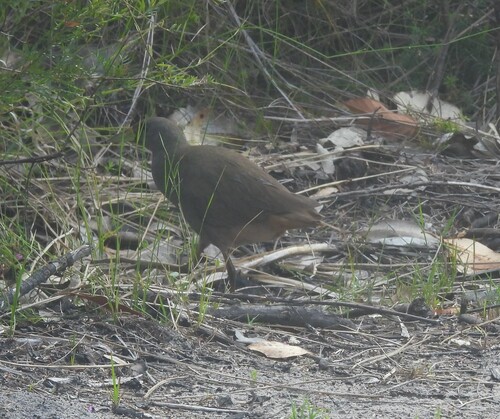
アカオクイナ (Amaurornis moluccana) アカオクイナ
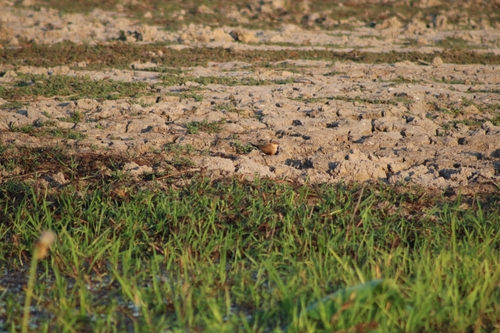
アシナガツバメチドリ (Glareola isabella) アシナガツバメチドリ

メディア

読み込み中…

要点

アカオクイナとアシナガツバメチドリを区別する最も信頼できるフィールドマークは、アカオクイナの青灰色の体に特徴的な淡いバフまたは赤褐色の腹部と尾羽があるのに対し、アシナガツバメチドリは砂色の上面と白い喉、繁殖期の成鳥には黒い頬線があることです。飛行中、アシナガツバメチドリは尖った黒い翼と白い側面を持つ四角い尾を示し、アカオクイナは丸みを帯びた茶色の翼と尾を持ち、強いコントラストがありません。幼鳥のアシナガツバメチドリはより淡く、縞模様がありますが、アカオクイナのずんぐりしたレールのような体型とは異なり、細く、長い脚のプロファイルを示します。生息地も強い手がかりです:アカオクイナは密な湿った植生に隠れ、アシナガツバメチドリは乾燥した地面の開けた国の鳥です。

識別のコツ

  1. Juvenile/immature in flight: 幼鳥のアシナガツバメチドリは上面が砂色で、下面はより淡く、縞模様のある冠/後頭部と白い縁のある四角い尾を持っています;アカオクイナの幼鳥は淡い青灰色で、淡いまたは赤褐色の腹部/尾羽を持ち、尾に縞模様や白がありません。
  2. Adult upperwing in flight: アシナガツバメチドリは砂色の内翼と体に対して、鋭く尖った黒い外翼を示します;アカオクイナはコントラストが少ない丸みを帯びた茶色の翼と尾を持っています。
  3. Tail shape: アシナガツバメチドリの尾は四角で白い縁があります(特に飛行中やディスプレイで目立ちます);アカオクイナの尾は丸く、茶色で、白がありません。
  4. Bill shape and color: アカオクイナは繁殖期に赤いシールドを持つ厚いライムグリーンのくちばしを持ち(非繁殖期には鈍くなる);アシナガツバメチドリのくちばしは短く、細く、下向きで、繁殖期には赤で黒い基部を持ち、非繁殖期/幼鳥では鈍くなります。
  5. Leg color and length: アシナガツバメチドリは長く、細い灰色から黒の脚を持っています;アカオクイナは短く、太く、オリーブイエローの脚を持っています。
  6. Body shape: アカオクイナはずんぐりしており、背中を丸めたレールのようなプロファイルを持っています;アシナガツバメチドリは細く、直立しており、長い脚を持ち、しばしば実際よりも高く見えます。
  7. Facial markings: 繁殖期のアシナガツバメチドリは鋭い黒い頬線と白い顎/喉を持っています;アカオクイナは暗い目を持つ平坦な顔で、強いマーキングがありません。
  8. Vent/undertail color: アカオクイナは常に淡いバフまたは赤褐色の腹部と尾羽を示し、すべての年齢と季節での重要なマークです;アシナガツバメチドリの尾羽は側面が白ですが、決して赤褐色やバフではありません。
  9. Plumage color: アカオクイナは青灰色で茶色の翼/尾を持っています;アシナガツバメチドリは上面が砂色で、下面はより淡く、白い喉と砂色の胸を持っています。
  10. Habitat context: アカオクイナは水の近くの密な湿った植生にいます;アシナガツバメチドリは開けた乾燥した、しばしば荒れた地面にいます。
  11. Behavior: アカオクイナは隠れ、走り、飛ぶことはほとんどありません;アシナガツバメチドリは活発で、直立して走り、頻繁に飛び、敏捷で尖った翼の飛行をします。
  12. Size impression: アカオクイナは大きくて重く、翼幅が短いです;アシナガツバメチドリは小さく、軽く、サイズに対してはるかに長い翼を持っています。
  13. Seasonal bill color: 繁殖期のアカオクイナはくちばしに赤いシールドを持っています;繁殖期のアシナガツバメチドリは赤と黒のくちばしを持ちますが、これは非繁殖期や幼鳥では色あせます。
  14. Juvenile confusion: 幼鳥のアシナガツバメチドリは強い顔のマークが欠けていることがありますが、常に砂色で縞模様があり、決して青灰色や赤褐色の腹部はありません。
  15. Tail display: アシナガツバメチドリはディスプレイで尾を扇ぐか上げることがありますが、白い側面を示します;アカオクイナはこのように尾をディスプレイしません。

大きさ

アカオクイナは大きくて重く、長さ25〜30 cm、体重150〜210 g [wikipedia]で、比較的短くて太いくちばしを持っています。アシナガツバメチドリは小さくてはるかに軽く、長さ19〜24 cm、体重55〜75 g [wikipedia]で、細くて短い下向きのくちばしと、体のサイズに対してはるかに長い翼と脚を持っています。アシナガツバメチドリの翼幅(50〜60 cm)は、アカオクイナのそれよりもはるかに大きく、空中での習性を反映しています。

羽色

幼鳥と非繁殖期のアシナガツバメチドリは上面が砂色で、下面はより淡く、薄いまたは欠如した頬線と縞模様のある冠/後頭部を持ち、飛行中は砂色の内翼と黒い外側の一次羽、白い縁のある四角い尾を示します。幼鳥のアカオクイナはより淡い青灰色ですが、常に診断的な淡いまたは赤褐色の腹部と尾羽を持ち、縞模様や顔のマーキングはありません。成鳥のアカオクイナは鈍い青灰色で茶色の翼と尾を持ち、常に淡い(バフから赤褐色の)腹部/尾羽を持ち、繁殖羽衣の成鳥のアシナガツバメチドリは鋭い黒い頬線、白い顎/喉、砂色の胸、黒い尖った翼を示します。アシナガツバメチドリの尾は白い側面を持つ四角で、アカオクイナの平坦な茶色の丸い尾とは異なります。くちばしの色も季節的な手がかりです:アカオクイナは繁殖期に赤いシールドを持つライムグリーンのくちばしを持ち、外側は鈍く、アシナガツバメチドリは繁殖期に明るい赤と黒のくちばしを持ち、非繁殖期や幼鳥では鈍くなります。

行動

アカオクイナは秘密主義で、密な湿った植生に隠れ、開けた場所ではほとんど見られません;背中を丸めたレールのような歩き方で移動し、飛ぶよりも走ることが多いです。アシナガツバメチドリは開けた国で活発で目立ち、直立して走り、しばしば空中で昆虫を捕まえたり、翼を上げたり尾を扇いだりして気を引くディスプレイを行います。飛行中、アシナガツバメチドリは敏捷で浮遊感があり、尖った翼と速いツバメのような飛行を持ち、アカオクイナは弱く、短い距離しか飛ばず、丸い翼を持っています。

生息環境

アカオクイナは密で湿った低地の森林、葦原、湿った藪に生息し、常に水の近くにいて、開けた地面にはめったに出ません [wikipedia]。アシナガツバメチドリは乾燥した開けた国の鳥で、乾燥した平原、草原、裸の地面に生息し、しばしば水から遠く、密な覆いにはほとんどいません。もし密で湿った植生の中で鳥を見たら、それはほぼ確実にアカオクイナです;開けた乾燥した国では、アシナガツバメチドリです。

より良い説明を送る

比較と同じ項目を使ってください。文章はすぐに公開されます。

The most reliable field mark to separate Pale-vented Bush-hen from Australian Pratincole is the bush-hen’s blue-grey body with a distinctive pale buff or rufous vent and undertail, versus the pratincole’s sandy brown upperparts and white throat, with a black loral stripe in breeding adults. In flight, the pratincole shows pointed black wings and a square-cut tail with white sides, while the bush-hen has rounded brown wings and tail, lacking strong contrast. Juvenile pratincoles are paler and streaked, but still show a slim, long-legged profile unlike the bush-hen’s chunky, rail-like build. Habitat is also a strong clue: bush-hens skulk in dense wet vegetation, while pratincoles are open-country birds of dry ground.

  1. Juvenile/immature in flight: Juvenile pratincoles are sandy brown above, paler below, with streaked crown/nape and a square-cut tail edged white; bush-hen juveniles are plain pale blue-grey with a pale or rufous vent/undertail, lacking streaks or white in the tail.
  2. Adult upperwing in flight: Pratincoles show sharply pointed black outer wings contrasting with sandy inner wing and body; bush-hens have rounded brown wings and tail with little contrast.
  3. Tail shape: Pratincole’s tail is square and edged white (especially visible in flight or display); bush-hen’s tail is rounded, brown, and lacks white.
  4. Bill shape and color: Bush-hen has a thick, lime green bill with a red shield in breeding season (duller in non-breeding); pratincole’s bill is short, slender, decurved, and red with black base in breeding, duller in non-breeding/juvenile.
  5. Leg color and length: Pratincole has long, slim, grey to black legs; bush-hen has shorter, stouter, olive-yellow legs.
  6. Body shape: Bush-hen is chunky, with a hunched, rail-like profile; pratincole is slim, upright, and long-legged, often appearing taller than it is.
  7. Facial markings: Breeding pratincole has a sharp black loral stripe and white chin/throat; bush-hen has a plain face with dark eye and no strong markings.
  8. Vent/undertail color: Bush-hen always shows a pale buff or rufous vent and undertail, a key mark at all ages and seasons; pratincole’s undertail is white at the sides but never rufous or buff.
  9. Plumage color: Bush-hen is blue-grey with brown wings/tail; pratincole is sandy brown above, paler below, with a white throat and sandy breast.
  10. Habitat context: Bush-hens are in dense, wet vegetation near water; pratincoles are in open, dry, often barren ground.
  11. Behavior: Bush-hens skulk and run, rarely fly; pratincoles are active, run upright, and fly frequently with agile, pointed-wing flight.
  12. Size impression: Bush-hen is larger and heavier, with a shorter wingspan; pratincole is smaller, lighter, and much longer-winged for its size.
  13. Seasonal bill color: Breeding bush-hens have a red shield on the bill; breeding pratincoles have a red and black bill, but this fades in non-breeding and juveniles.
  14. Juvenile confusion: Juvenile pratincoles may lack strong facial marks but are always sandy and streaked, never blue-grey or with a rufous vent.
  15. Tail display: Pratincoles may fan or raise their tail in display, showing white sides; bush-hens do not display the tail in this way.

Pale-vented Bush-hen is larger and heavier, measuring 25–30 cm in length and weighing 150–210 g [wikipedia], with a relatively short, thick bill. Australian Pratincole is smaller and much lighter, at 19–24 cm long and 55–75 g [wikipedia], with a slender, short, decurved bill and much longer wings and legs relative to body size. The pratincole’s wingspan (50–60 cm) is also much greater than the bush-hen’s, reflecting its aerial habits.

Juvenile and non-breeding Australian Pratincoles are sandy brown above and paler below, with a faint or absent loral stripe and streaked crown/nape, and in flight show sandy inner wings with black outer primaries and a square white-edged tail. Juvenile Pale-vented Bush-hens are paler blue-grey but always have the diagnostic pale or rufous vent and undertail, and lack any streaking or facial markings. Adult bush-hens are dull blue-grey with brown wings and tail, and a consistently pale (buff to rufous) vent/undertail, while adult pratincoles in breeding plumage show a sharp black loral stripe, white chin/throat, sandy brown breast, and black pointed wings. The pratincole’s tail is square with white sides, unlike the bush-hen’s plain brown, rounded tail. Bill color is also a seasonal cue: bush-hens have a lime green bill with red shield in breeding, duller outside, while pratincoles have a bright red and black bill in breeding, duller in non-breeding and juvenile birds.

Pale-vented Bush-hen is secretive, skulking in dense wet vegetation and rarely seen in the open; it moves with a hunched, rail-like gait, often running rather than flying. Australian Pratincole is active and conspicuous in open country, running and pausing upright, often seen hawking insects in the air or performing distraction displays with wings raised or tail fanned. In flight, pratincoles are agile and buoyant, with pointed wings and fast, swallow-like flight, while bush-hens fly weakly and only short distances, with rounded wings.

Bush-hens inhabit dense, moist lowland forests, reedbeds, and wet thickets, always near water and rarely venturing into open ground [wikipedia]. Australian Pratincoles are birds of dry, open country—arid plains, grasslands, and bare ground—often far from water, and almost never in dense cover. If you see the bird in thick, wet vegetation, it is almost certainly a bush-hen; in open, dry country, a pratincole.

変更を破棄しますか?

保存していない編集があります。今離れると失われます。

アカオクイナ · アシナガツバメチドリ · 苦手な鳥