

Motmot

Pale-legged Hornero 対 チャイロエボシカマドドリ

Furnarius leucopus 対 Pseudoseisura lophotes

Pale-legged Horneroとチャイロエボシカマドドリのクイズ
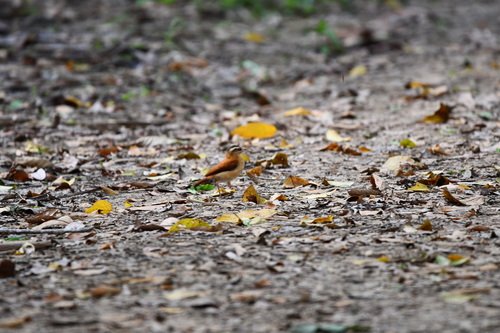
Pale-legged Hornero (Furnarius leucopus) Pale-legged Hornero
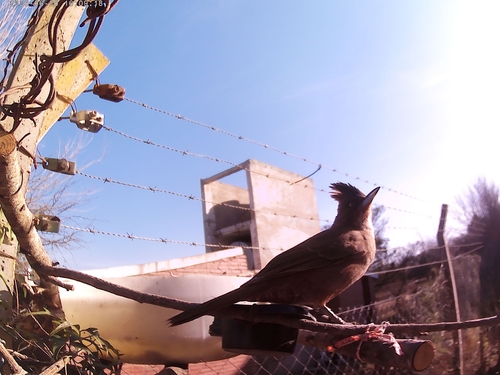
チャイロエボシカマドドリ (Pseudoseisura lophotes) チャイロエボシカマドドリ

メディア

読み込み中…

要点

Pale-legged Horneroとチャイロエボシカマドドリを区別する最も信頼できるフィールドマークは、全体のサイズと構造です:チャイロエボシカマドドリははるかに大きくて重く、目立つ暗い冠羽と均一に赤褐色の体を持っていますが、Pale-legged Horneroは小さく、冠羽がなく、対照的な淡い眉斑と栗色の翼/尾のパネルを示します。飛んでいるときや止まっているとき、ホルネロの淡い脚と二色の顔は、チャイロエボシカマドドリの全体的に赤褐色で重い外観に対して際立っています。両種の幼鳥は成鳥に似ているため、年齢による混乱は少ないですが、若い鳥のホルネロの短いくちばしは微妙な手がかりになることがあります。生息地と行動も役立ちます:カマドドリは通常、高い木やより森林的または公園のような環境にいますが、ホルネロはよりオープンな地域の地面や低い止まり木でよく見られます。

識別のコツ

  1. サイズは主要な区別要因:チャイロエボシカマドドリはPale-legged Horneroよりもはるかに大きくてがっしりしています。鳥が大きくて重いように見える場合は、カマドドリを考えてください。
  2. 冠羽の有無:カマドドリには目立つ暗い、カケスのような冠羽がありますが、ホルネロには常にありません。冠羽の兆候があればホルネロは除外されます。
  3. 顔の模様:ホルネロは広い淡い眉斑と対照的な耳羽を示し、二色の顔を作ります。カマドドリの顔は均一に赤褐色で、目と鼻孔の間にわずかに暗い部分があります。
  4. くちばしの色と形:カマドドリのくちばしは長くて重く、黒いです;ホルネロのくちばしは短く、ほぼ直線的で、淡い先端を持つ鈍い角です。幼鳥のホルネロは成鳥よりも明らかに短いくちばしを持っています。
  5. 虹彩の色:カマドドリは黄色の虹彩(成鳥)、ホルネロは赤褐色または栗色です。これは微妙ですが、良い光の下で見ることができます。
  6. 脚の色:ホルネロは淡いピンクがかった、真珠色の灰色、または白っぽい脚を持ち;カマドドリの脚は灰色がかったオリーブ色から鈍い緑色です。これは止まっている鳥で最もよく見られます。
  7. 翼と尾の模様:ホルネロは栗色の翼の覆い羽と黒っぽい飛翔羽に広い栗色の帯、さらに栗色の尾を示します。カマドドリの翼と尾は均一に赤褐色で、初列と次列羽だけがわずかに暗いです。
  8. 腹部:ホルネロの腹部は喉が白く、胸と側面が黄褐色にグラデーションし、腹はほぼ白っぽいです。カマドドリの喉は特に鮮やかな赤褐色ですが、他の腹部は上面よりもわずかに明るいだけです。
  9. 行動:ホルネロは通常、地面や低い止まり木で見られ、しばしば走ったり採餌したりします。カマドドリはより樹上性で、特に二重唱中に高い木の中で見られることが多いです。
  10. 巣の関連性:特に木の中に大きな棒で作られた巣がある場合、これはカマドドリを指し示します。ホルネロの泥の巣はここでは説明されていませんが、非常に異なります。
  11. 生息地:オープンで草の多い、または低木のある地域はホルネロに有利です;森林の縁、公園、そして高い木はカマドドリに有利です。
  12. 鳴き声:木の上からの長くて騒がしい二重唱はカマドドリです;ホルネロの歌はよりトリル状またはガラガラ音で、二重唱になる可能性は低いです。
  13. 性別と年齢:両種は両性において似た羽毛を持っています;幼鳥のホルネロは短いくちばしを持っていますが、その他の年齢は強い区別要因ではありません。
  14. 落とし穴:光が悪い場合、カマドドリの均一に赤褐色の羽毛は小さく見えたり、冠羽が少ないように見えたりすることがありますが、淡い眉斑の欠如と全体のサイズはホルネロと区別するべきです。
  15. 疑わしい場合:サイズ、冠羽、顔の模様、生息地の組み合わせに焦点を当ててください—これらはフィールドで最も信頼できる手がかりです。

大きさ

チャイロエボシカマドドリはPale-legged Horneroよりもかなり大きい(24–26 cm、63–79 g)です(15–18 cm、37–49 g)[wikipedia][avonet]。カマドドリは最大のフルナリウスの一つで、がっしりとして長い尾を持ち、ホルネロは中型で、よりコンパクトで軽いです。カマドドリのくちばしも長くて重く、脚も太いです。フィールドでは、このサイズの違いは通常、両種が同様の文脈で見られる場合に明らかです。

羽色

どちらの種にも特定の年齢に特有の上翼や飛行マークは記載されていません;幼鳥と成鳥はパターンが似ていますが、ホルネロの幼鳥は明らかに短いくちばしとわずかに異なる羽の形を持っています。成鳥のPale-legged Horneroは、広い白っぽい眉斑、茶色がかった灰色の耳羽、そして暗い赤褐色の冠を持ち、明るいオレンジ赤褐色の背中と栗色の尾を持っています。その翼は栗色の覆い羽と黒っぽい飛翔羽に広い栗色の帯を示します。腹部は白から黄褐色にグラデーションし、喉は白く、腹はより淡いです。対照的に、チャイロエボシカマドドリはほぼ完全に赤褐色で、微妙な色合いの違いがあります:目の周りと尾の基部が暗く、胸が明るく、特に鮮やかな喉を持っています。最も特徴的な特徴は暗いカケスのような冠羽で、虹彩は黄色です(ホルネロは赤褐色)。カマドドリのくちばしは黒ですが、ホルネロのくちばしは鈍い角で淡い先端を持っています。ホルネロの脚は淡いピンクがかった灰色ですが、カマドドリの脚は灰色がかったオリーブ色から鈍い緑色です。両種の両性は似ています。

行動

Pale-legged Horneroはしばしば地面を歩いたり走ったり、低いところに止まってオープンまたは半オープンな地域で採餌しているのが見られます。チャイロエボシカマドドリはより樹上性で、特に尾を広げて羽を広げた状態で二重唱のディスプレイ中に木の上でペアで見られることが多いです。カマドドリはまた、木の中にある大きな棒で作られた巣で知られており、これはホルネロの泥のオーブンの巣(ここでは説明されていませんが、カマドドリの巣はユニークで目立ちます)よりもはるかに大きくて精巧です。ホルネロは樹冠や高い止まり木で見られる可能性が低いです。

生息環境

チャイロエボシカマドドリは森林、公園、木のある縁を好み、アルゼンチン、ボリビア、ブラジル、パラグアイ、ウルグアイの森林の端や高い木の中にしばしば見られます。Pale-legged Horneroは、ボリビア、ブラジル、ガイアナ、ペルーの水の近く、サバンナ、オープンな森林、または低木のある地域でよりオープンな生息地に見られます。ホルネロはオープンな国や人間の居住地の端で見られる可能性が高く、カマドドリはより密な樹木の覆いとオープンな地面の少ない場所に関連しています。

声

チャイロエボシカマドドリは、木の上からの長くて大きな二重唱を行い、騒がしく粗い音が最後にかけて消えていきます;呼び声は大きな「クロック」または「クラック」音です。Pale-legged Horneroの鳴き声はここでは詳細に説明されていませんが、ホルネロは一般的に迅速でトリル状またはガラガラ音の歌を持ち、しばしば止まり木や飛行中に発声されます。フィールドでは、カマドドリの二重唱と粗い呼び声は特に目立ち、特にディスプレイの姿勢を伴うときに際立っています。

より良い説明を送る

比較と同じ項目を使ってください。文章はすぐに公開されます。

The most reliable field mark to separate Pale-legged Hornero from Brown Cacholote is overall size and structure: Brown Cacholote is much larger and heavier, with a prominent dark crest and a uniformly rufous body, while Pale-legged Hornero is smaller, lacks a crest, and shows a contrasting pale supercilium and chestnut wing/tail panels. In flight or perched, the hornero’s pale legs and bicolored face stand out against the cacholote’s all-rufous, heavier look. Juveniles of both species resemble adults, so age is less likely to cause confusion, but the hornero’s shorter bill in young birds can be a subtle clue. Habitat and behavior can help: cacholotes are usually in taller trees and more forested or park-like settings, while horneros are more often seen on the ground or low perches in open areas.

  1. Size is a major separator: Brown Cacholote is much larger and bulkier than Pale-legged Hornero. If the bird appears big and heavy, think cacholote.
  2. Crest presence: Cacholote has a prominent, dark, jay-like crest—always absent in hornero. Any hint of a crest rules out hornero.
  3. Facial pattern: Hornero shows a broad, pale supercilium and contrasting ear coverts, giving a two-toned face. Cacholote’s face is uniformly rufous, with only a slightly darker area between eye and nostril.
  4. Bill color and shape: Cacholote’s bill is longer, heavier, and black; hornero’s is shorter, nearly straight, and dusky horn with a paler tip. Juvenile horneros have a noticeably shorter bill than adults.
  5. Iris color: Cacholote has a yellow iris (adults), while hornero’s is reddish brown or chestnut. This is subtle but can be seen in good light.
  6. Leg color: Hornero has pale pinkish, pearly gray, or whitish legs; cacholote’s are grayish-olive to dull greenish. This is best seen on perched birds.
  7. Wing and tail pattern: Hornero shows chestnut wing coverts and a broad chestnut band on blackish flight feathers, plus a chestnut tail. Cacholote’s wings and tail are uniformly rufous, with only the primaries and secondaries slightly darker.
  8. Underparts: Hornero’s underparts are white on the throat, grading to tawny-ochraceous on the breast and flanks, and nearly whitish on the belly. Cacholote’s throat is especially vibrant rufous, but the rest of the underparts are only slightly lighter than the upperparts.
  9. Behavior: Hornero is usually seen on the ground or low perches, often running or foraging. Cacholote is more arboreal, often high in trees, especially during duets.
  10. Nest association: If a large, stick-built nest is present, especially in a tree, this points to cacholote. Hornero’s mud nests are not described here but are very different.
  11. Habitat: Open, grassy, or scrubby areas favor hornero; forest edges, parks, and taller trees favor cacholote.
  12. Vocalization: A long, noisy duet from the treetops is cacholote; hornero’s song is more trilled or rattling and less likely to be a duet.
  13. Sex and age: Both species have similar plumage in both sexes; juvenile horneros have a shorter bill, but otherwise age is not a strong separator.
  14. Pitfalls: In poor light, cacholote’s uniformly rufous plumage can make it look smaller or less crested, but the lack of a pale supercilium and the overall size should still separate it from hornero.
  15. When in doubt: Focus on the combination of size, crest, facial pattern, and habitat—these are the most reliable clues in the field.

Brown Cacholote is significantly larger (24–26 cm, 63–79 g) than Pale-legged Hornero (15–18 cm, 37–49 g) [wikipedia][avonet]. Cacholote is one of the largest furnariids and appears bulky and long-tailed, while hornero is medium-sized, more compact, and lighter. The cacholote’s bill is also longer and heavier, and its legs are stouter. In the field, this size difference is usually obvious if both species are seen in similar contexts.

No distinctive age-specific upperwing or flight marks are described for either species; both juveniles and adults are similar in pattern, but hornero juveniles have a visibly shorter bill and slightly different feather shapes. Adult Pale-legged Hornero has a striking combination of a wide whitish supercilium, brownish gray ear coverts, and a dark rufescent brown crown, with bright orange-rufous back and chestnut tail. Its wings show chestnut coverts and a broad chestnut band on blackish flight feathers. Underparts are white to tawny-ochraceous, with a white throat and paler belly. In contrast, Brown Cacholote is almost entirely rufous, with subtle shade differences: darker around the lores and tail base, lighter on the breast, and a particularly vibrant throat. Its most distinctive feature is a dark, jay-like crest, and the iris is yellow (vs. reddish brown in hornero). The cacholote’s bill is black, while hornero’s is dusky horn with a paler tip. The hornero’s legs are pale pinkish or gray, while cacholote’s are grayish-olive to dull greenish. Both sexes are similar in both species.

Pale-legged Hornero is often seen walking or running on the ground or perched low, foraging in open or semi-open areas. Brown Cacholote is more arboreal, frequently seen in pairs on top of trees, especially during duetting displays with fanned tails and spread wings. Cacholotes are also notable for their large, stick-built nests in trees, which are much more massive and elaborate than the hornero’s mud oven nests (not described here, but cacholote nests are unique and conspicuous). Horneros are less likely to be seen in the canopy or high perches.

Brown Cacholote prefers forests, parklands, and wooded edges, often in taller trees or at forest margins in Argentina, Bolivia, Brazil, Paraguay, and Uruguay. Pale-legged Hornero is found in more open habitats—often near water, in savannas, open woodlands, or scrubby areas—across Bolivia, Brazil, Guyana, and Peru. Horneros are more likely to be seen in open country or at the edge of human habitation, while cacholotes are associated with denser tree cover and less open ground.

Brown Cacholote performs long, loud duets from treetops, with noisy, coarse notes that fade toward the end; calls are loud "krok" or "cluck" sounds. Pale-legged Hornero’s vocalizations are not described in detail here, but horneros generally have rapid, trilled or rattling songs, often delivered from a perch or in flight. In the field, the cacholote’s duet and harsh calls are distinctive, especially when accompanied by display postures.

変更を破棄しますか?

保存していない編集があります。今離れると失われます。

Pale-legged Hornero · チャイロエボシカマドドリ · 苦手な鳥