

Motmot

ニッケイセッカ 対 タンビセッカ

Cisticola cinnamomeus 対 Cisticola ayresii

ニッケイセッカとタンビセッカのクイズ
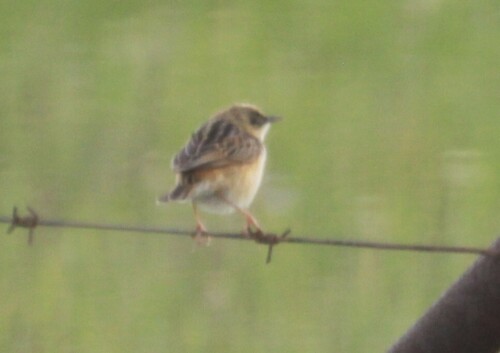
ニッケイセッカ (Cisticola cinnamomeus) ニッケイセッカ
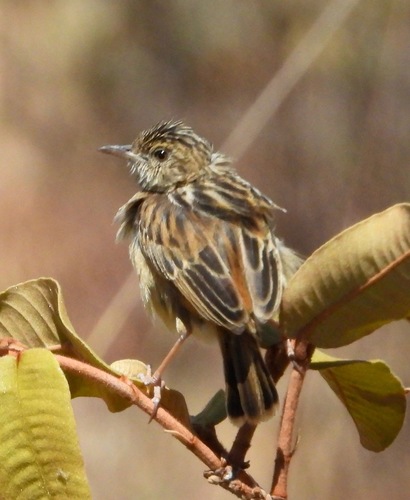
タンビセッカ (Cisticola ayresii) タンビセッカ

メディア

読み込み中…

要点

現在の情報源では、ニッケイセッカとタンビセッカの間に年齢特異的な翼や飛行羽毛の違いは文書化されていないため、フィールドでの識別は構造、文脈、(利用可能な場合は)鳴き声の微妙な違いに依存しています。どちらも同じ科に属する小さく茶色がかったセッカで、特に遠くから見たり短時間の観察をした場合には、一般的な外観が非常に似ていることがあります。フィールドでの信頼できる識別には、行動、 habitat、鳴き声の手がかりに細心の注意を払う必要があります。止まっているか飛んでいる鳥を一瞬しか見られない場合は、混乱が一般的であり、追加の文脈がないと避けられないことを認識してください。

識別のコツ

  1. 羽毛だけに頼らないでください: 両種は小さく茶色がかったセッカで、利用可能なメモには年齢特異的または季節的な羽毛の違いは文書化されていません。もし不安な場合は、微妙な色合いや模様を過剰に解釈しないでください。
  2. 翼を叩くディスプレイに注意: 飛行中やディスプレイ中に音のある翼を叩く音を出す鳥を観察した場合、これはタンビセッカを強く示唆します。しかし、この行動がないからといって除外されるわけではなく、すべての個体が常にディスプレイするわけではありません。
  3. 鳴き声に耳を傾ける: フィールドでは、セッカの歌や鳴き声が類似種を分ける最良の方法であることが多いです。もし歌を録音したり注意深くメモを取ることができれば、地域のフィールドガイドや音のライブラリで確認してください。残念ながら、ここでは鳴き声の説明は提供されていません。
  4. habitatと場所を考慮する: これらのメモに基づいて診断的ではありませんが、地域の豊富さやhabitatの好みが役立つかもしれません。eBirdや地域の地図をチェックして、あなたの地域でどの種がより可能性が高いかを確認してください。
  5. 構造的手がかり: 長時間の観察ができる場合は、くちばしの形、尾の長さ、姿勢の微妙な違いを探してください。ただし、これらは現在の情報源では詳細に説明されておらず、信頼できない可能性があることに注意してください。
  6. 止まっているときと飛んでいるときの視点: 特徴的な飛行や上翼の模様の違いは報告されていません。両種は似たような飛行プロファイルを示す可能性が高いです。
  7. 年齢と季節: これらの2種の間に幼鳥や未成熟の羽毛や構造の違いは文書化されていません。すべての年齢を混乱を招く可能性があるものとして扱ってください。
  8. 性差: これらのメモでは、どちらの種にも性的二形性は記載されていません。オスとメスは似ている可能性が高いです。
  9. 短時間または遠くからの視点を過剰に解釈しないでください: もし一瞬または遠くからしか鳥を見られない場合、これらの種を信頼できるように分けることはできないかもしれません。
  10. 地元の専門家に相談する: 両種が生息する地域では、地元のバーダーがこれらの情報源ではカバーされていない微妙な違いや典型的な行動に基づいて追加のヒントを持っているかもしれません。
  11. 可能な限り写真や録音を取る: 不安な場合は、後で分析するために写真や音声録音を取得するようにしてください。
  12. 不確実性について正直である: これほど似ている2種と限られたフィールドマークがある場合、時には最良の答えは「セッカ属の種」であり、明確な行動や鳴き声の証拠がない限りそうするのが良いです。

大きさ

提供された情報源では、これらの2種の間に直接的なサイズや質量の違いは文書化されていません。どちらも典型的な小さなセッカであり、サイズはニッケイセッカとタンビセッカを分けるための有用なフィールドマークではありません。

羽色

利用可能なメモには、どちらの種についても詳細な年齢特異的な羽毛や翼の模様の違いは記載されていません。どちらも小さく茶色がかったセッカとして説明されており、特徴的な幼鳥、初冬、または未成熟の上翼のマークは報告されていません。さらなる詳細がない限り、羽毛はこれらの情報源に基づいて年齢や季節を診断するための信頼できるものではありません。

行動

行動の違いは現在の情報源では詳細に説明されていません。しかし、「タンビセッカ」という名前は、観察された場合に行動の手がかりとなる可能性のある翼を叩くディスプレイを示唆しています。それ以外の場合、両種は典型的なセッカのように行動することが期待されます:草の中を隠れ、短い飛行をし、直立して止まります。より多くの情報がない場合、行動は一貫して信頼できる識別要因ではありません。

生息環境

現在のメモにはhabitatの区別は提供されていません。両種は同じ属のメンバーであり、草地や開けた国のhabitatで重なる可能性が高いです。詳細な地域の知識がない限り、habitatだけでは安全な識別要因ではありません。

声

提供された情報源では鳴き声の違いは記載されていません。鳴き声はセッカの識別において重要な要素であることが多いですが、具体的な説明がないため、ここでは使用できません。

より良い説明を送る

比較と同じ項目を使ってください。文章はすぐに公開されます。

With the current sources, there are no documented age-specific wing or flight plumage differences between Pale-crowned Cisticola and Wing-snapping Cisticola, so field separation relies on subtle differences in structure, context, and (where available) vocalizations. Both are small, brownish cisticolas in the same family, and can be extremely similar in general appearance, especially when seen at a distance or in brief views. Reliable separation in the field may require close attention to behavior, habitat, and any vocal clues. If you have only a fleeting look at a perched or flying bird, be aware that confusion is common and sometimes unavoidable without additional context.

  1. Do not rely on plumage alone: Both species are small, brownish cisticolas with no documented age-specific or seasonal plumage differences in the available notes. If you are unsure, do not overinterpret subtle color shades or patterning.
  2. Watch for wing-snapping display: If you observe a bird making audible wing-snapping sounds in flight or display, this strongly suggests Wing-snapping Cisticola. However, absence of this behavior does not rule it out, as not all individuals display at all times.
  3. Listen for vocalizations: In the field, cisticola songs and calls are often the best way to separate similar species. If you can record or carefully note the song, consult a regional field guide or sound library for confirmation. Unfortunately, no vocal descriptions are provided here.
  4. Consider habitat and location: While not diagnostic based on these notes, local abundance and habitat preferences may help. Check eBird or local atlases for which species is more likely in your area.
  5. Structural clues: If you have prolonged views, look for subtle differences in bill shape, tail length, or posture, but be aware that these are not detailed in the current sources and may be unreliable.
  6. Perched vs. flight views: No distinctive flight or upperwing pattern differences are reported. Both species are likely to show similar flight profiles.
  7. Age and season: There are no documented differences in juvenile or immature plumage or structure between these two species. Treat all ages as potentially confusing.
  8. Sex differences: No sexual dimorphism is described for either species in these notes; males and females are likely similar.
  9. Do not overinterpret brief or distant views: If you only see a bird for a moment or at a distance, it may not be possible to separate these species reliably.
  10. Consult local experts: In regions where both species occur, local birders may have additional tips based on subtle differences or typical behaviors not covered in these sources.
  11. Photograph or record when possible: If you are unsure, try to obtain photos or sound recordings for later analysis.
  12. Be honest about uncertainty: With two such similar species and limited field marks, sometimes the best answer is 'cisticola sp.' unless you have clear behavioral or vocal evidence.

No direct size or mass differences are documented between these two species in the provided sources. Both are typical small cisticolas, and size is not a useful field mark for separating Pale-crowned from Wing-snapping Cisticola.

There are no detailed, age-specific plumage or wing pattern differences described in the available notes for either species. Both are described as small, brownish cisticolas, and no distinctive juvenile, first-winter, or immature upperwing marks are reported. Without further details, plumage is not reliably diagnostic for any age or season based on these sources.

Behavioral differences are not detailed in the current sources. However, the name 'Wing-snapping Cisticola' suggests a display involving wing-snapping, which may be a behavioral clue if observed. Otherwise, both species are expected to behave like typical cisticolas: skulking in grass, making short flights, and perching upright. In the absence of more information, behavior is not a consistently reliable separator.

No habitat distinctions are provided in the current notes. Both species are members of the same genus and likely overlap in grassland or open-country habitats. Habitat alone is not a safe separator without more detailed local knowledge.

No vocal differences are described in the provided sources. Vocalizations are often key for cisticola identification, but without specific descriptions, they cannot be used here.

変更を破棄しますか?

保存していない編集があります。今離れると失われます。

ニッケイセッカ · タンビセッカ · 苦手な鳥