

Motmot

ズアカエボシゲラ 対 シマクマゲラ

Campephilus guatemalensis 対 Dryocopus lineatus

ズアカエボシゲラとシマクマゲラのクイズ
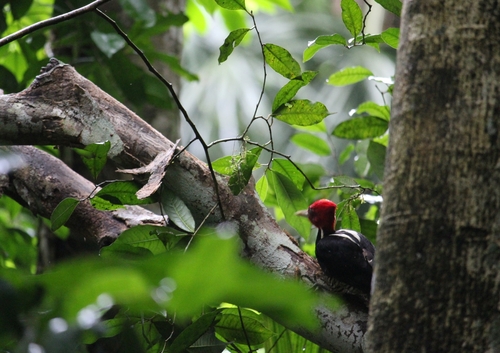
ズアカエボシゲラ (Campephilus guatemalensis) ズアカエボシゲラ
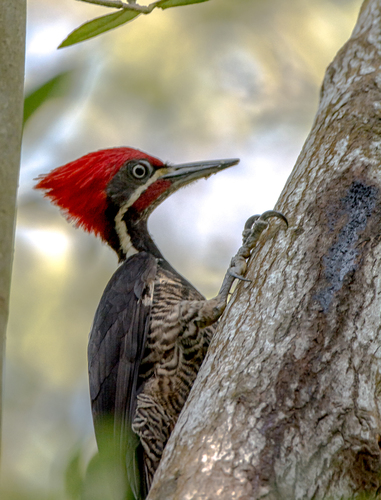
シマクマゲラ (Dryocopus lineatus) シマクマゲラ

メディア

読み込み中…

要点

パレビルドウッドペッカーとシマクマゲラを区別する最も信頼性の高いフィールドマークは、くちばしの色と形です:パレビルドウッドペッカーは長い象牙色の黄色いチゼルくちばしを持ち、シマクマゲラは通常暗いくちばしを示しますが、一部の亜種や個体は淡いくちばしを持つことがあります。両種は大きな冠羽を持つキツツキで、上面は黒く、太い白い首のストライプがありますが、パレビルドウッドペッカーの首のストライプはしばしば背中でほぼ完全な「V」を形成し、シマクマゲラの肩のストライプは通常あまり広がらず、一部の個体群では欠如することがあります。下面も微妙に異なります:パレビルドウッドペッカーは淡い色合いで細かい黒い横縞があり、シマクマゲラは白っぽく、より重い黒い横縞があります。飛行中、シマクマゲラは翼に白を示し、パレビルドウッドペッカーはそれを欠きます。特に飛行中や幼鳥での頭の模様、くちばしの色、翼の模様に注意を払うことで混乱を避けることができます。

識別のコツ

  1. くちばしの色と形:パレビルドウッドペッカーはすべての羽衣で長い象牙色の黄色いチゼルくちばしを持っています;シマクマゲラは通常暗いくちばしを持ちますが、一部の亜種(特にメキシコと中央アメリカ)では淡いまたは青みがかったくちばしを示すことがあります。これらの地域ではこのマークを注意して使用してください。
  2. 首と背中のストライプ:パレビルドウッドペッカーの白または淡い首のストライプは太く、通常背中で「V」を形成します;シマクマゲラの白いラインは細く、通常背中で出会わず、南部の個体群では欠如または減少することがあります。
  3. 飛行中の翼の模様:シマクマゲラは飛行中に翼に白を示します(成鳥とおそらく幼鳥);パレビルドウッドペッカーの翼は上面が黒く、外側の初列羽の外側のウェブは鈍い茶色で、明らかな白いフラッシュはありません。
  4. 下面の横縞:パレビルドウッドペッカーは淡い黄色がかったバフの下面を持ち、細く狭い黒いバーがあります;シマクマゲラの下面は白っぽく、黒でより重く横縞があり、より対照的で「忙しい」外観を与えます。
  5. 頭の模様(性差):成鳥のオスのパレビルドウッドペッカーは完全に赤い頭とふさふさの冠羽を持ち、メスは黒い前冠と喉を持っています。シマクマゲラのオスは赤いマラーストライプと赤い額を持ち、メスはこれらの部分が黒です。両者とも目立つ赤い冠羽を示すことがありますが、顔の模様が重要です。
  6. 幼鳥の混乱:幼鳥のパレビルドウッドペッカーは成鳥のメスに似ていますが、より暗いくちばしと鈍い、主に黒っぽい頭を持っています。幼鳥のシマクマゲラは詳細に記述されていませんが、おそらく成鳥のメスのパターンに従います;両者のくちばしの色は変動する可能性があるため、注意して使用してください。
  7. 尾の色:パレビルドウッドペッカーの尾は上面が鈍い茶色で、外側の羽の裏側は鈍いオリーブ茶色です;シマクマゲラの尾は詳細に記述されていませんが、一般的に黒っぽく、上面に合っています。
  8. くちばしのサイズと構造:パレビルドウッドペッカーのくちばしはシマクマゲラのものよりも明らかに長く、頑丈です、特に横から見たときや両種が同時に存在する場合。
  9. サイズと体重:パレビルドウッドペッカーはシマクマゲラよりも体重があり、わずかに長いですが、これは微妙で、並んで見ない限り常に信頼できるわけではありません。
  10. 生息地の文脈:深い成熟した森林の内部で見られた場合、パレビルドウッドペッカーの可能性が高いです;森林の端や開けた森林ではシマクマゲラの可能性が高いですが、両者は一部の地域で重なることがあります。
  11. 声:大きく響く「ウィクウィクウィク」という声が聞こえた場合、シマクマゲラの可能性が高いです;パレビルドウッドペッカーの声はあまり詳細に記述されておらず、シマクマゲラの鳴き声が明確に聞こえない限り、安全な区別にはなりません。
  12. 亜種の落とし穴:メキシコ西部と東部、中央アメリカでは、一部のシマクマゲラの亜種(scapularis, similis)が淡いくちばしを持ち、パレビルドウッドペッカーに似ることがあります;これらの地域では首のストライプのパターンと翼の模様にもっと依存してください。
  13. フィールドでの性別判別:両種は頭の模様に性差を示します;赤いマラーストライプ/額(シマクマゲラのオス)とすべて赤い頭(パレビルドウッドペッカーのオス)または黒い冠/喉(パレビルドウッドペッカーのメス)を確認してください。
  14. 白い肩のライン:シマクマゲラの白い肩のラインは南部の個体群ではしばしば減少または欠如します;パレビルドウッドペッカーの首のストライプは一貫して太く、背中で「V」を形成する可能性が高いです。
  15. 混合群れと採餌:どちらの種も混合群れには参加しませんが、パレビルドウッドペッカーは低い位置や切り株の上で地面で採餌することがあり、観察された場合は微妙な行動の手がかりになることがあります。

大きさ

パレビルドウッドペッカーは2つの中で重く、わずかに長いもので、平均体重は約242 g(範囲205–282 g)、長さは35.5–38 cmです。シマクマゲラは平均183.5 g(亜種によって範囲136–264 g)で、長さは31.5–36 cmです。フィールドでは、このサイズの違いは微妙ですが、パレビルドウッドペッカーはしばしばより大きく、頑丈に見えます、特に頭とくちばしの部分で。

羽色

両種の幼鳥は成鳥のメスに似ていますが、パレビルドウッドペッカーの幼鳥はより暗いくちばしと鈍い、主に黒っぽい頭を持ち、シマクマゲラの幼鳥は詳細に記述されていませんが、おそらく成鳥のメスのパターンに従います。成鳥の場合、パレビルドウッドペッカーは黒い上面を示し、首に沿って太く垂直な白または淡いストライプがあり、しばしば背中で「V」を形成し、淡い象牙色のくちばしを持っています。下面は淡い黄色がかったバフで、狭い黒いバーがあります。成鳥のオスは完全に赤い頭とふさふさの冠羽を持ち、メスは黒い前冠、冠の中心、前首、喉を持っています。シマクマゲラの成鳥は主に上面が黒く、赤い冠羽とくちばしから首と肩にかけて白っぽいラインがあります(しばしば一部の個体群では減少または欠如します)。彼らの下面は白っぽく、黒で重く横縞があり、成鳥のオスは赤いマラーストライプと赤い額を持ち、メスはこれらの部分が黒です。くちばしは通常暗いですが、一部の亜種(特にメキシコと中央アメリカ)では淡いまたは青みがかったくちばしを持つことがあり、混乱を引き起こす可能性があります。飛行中、シマクマゲラは翼に白を示しますが、パレビルドウッドペッカーは示しません。

行動

両種は主に幹や大きな枝で昆虫を掘り出して採餌し、通常は単独またはペアで見られます。パレビルドウッドペッカーは中層から上層の樹冠で採餌する可能性が高いですが、地面にも降りることがあります。一方、シマクマゲラは森林の境界や開けた森林を好みます。どちらの種も混合種の群れに参加することは知られていません。両者とも死んだ木に巣穴を掘り、行動の違いは微妙で、フィールドでの診断には信頼できません。

生息環境

パレビルドウッドペッカーは低地熱帯常緑樹林の内部と端を好みますが、落葉樹林、マングローブ、局所的には山地や松・オークの森林にも生息し、一般的に重度に森林が伐採された地域を避けます。地域によっては海面から2,000 mまで分布します。シマクマゲラは深い森林よりも森林の境界、開けた森林、端で見られることが多く、パレビルドウッドペッカーよりも完全な森林に依存しません。メキシコと中央アメリカの多くの地域で重なりが見られますが、パレビルドウッドペッカーは成熟した森林の内部により制限されています。

声

シマクマゲラは大きく響く「ウィクウィクウィク」という鳴き声を出し、よく聞こえれば特徴的です。パレビルドウッドペッカーの鳴き声については詳細な説明が提供されていないため、シマクマゲラの鳴き声が明確に聞こえない限り、声は信頼できる区別にはなりません。

より良い説明を送る

比較と同じ項目を使ってください。文章はすぐに公開されます。

The most reliable field mark to separate Pale-billed and Lineated Woodpeckers is the color and shape of the bill: Pale-billed has a long, ivory-yellow chisel bill, while Lineated usually shows a dark bill, though some subspecies and individuals can have a pale bill. Both species are large, crested woodpeckers with black upperparts and bold white neck stripes, but Pale-billed’s neck stripes often form a near-complete 'V' on the back, while Lineated’s shoulder stripes are usually less extensive and may be absent in some populations. Underparts are also subtly different: Pale-billed is buffy with fine black barring, while Lineated is whitish with heavier black barring. In flight, Lineated shows white in the wings, which Pale-billed lacks. Careful attention to head pattern, bill color, and wing markings—especially in flight or on immatures—will help avoid confusion.

  1. Bill color and shape: Pale-billed Woodpecker has a long, ivory-yellow chisel bill in all plumages; Lineated usually has a dark bill, but some subspecies (especially in Mexico and Central America) can show a pale or bluish bill. Use this mark with caution in those regions.
  2. Neck and back stripes: Pale-billed’s white or buffy neck stripes are bold and usually meet to form a 'V' on the back; Lineated’s white lines are thinner, often do not meet on the back, and may be absent or reduced in southern populations.
  3. Wing pattern in flight: Lineated Woodpecker shows white in the wings in flight (adults and likely immatures); Pale-billed’s wings are black above except for dull brown outer webs on the outer primaries, with no obvious white flash.
  4. Underparts barring: Pale-billed has light yellowish buff underparts with fine, narrow black bars; Lineated’s underparts are whiter and more heavily barred with black, giving a more contrasting and 'busy' look below.
  5. Head pattern (sex differences): Adult male Pale-billed has a fully red head and bushy crest; female has a black forecrown and throat. Lineated male has a red malar stripe and red forehead; female has these areas black. Both can show a prominent red crest, but the facial pattern is key.
  6. Juvenile confusion: Juvenile Pale-billed resembles adult female but with a darker bill and duller, mostly blackish head. Juvenile Lineated is not described in detail but likely follows adult female pattern; bill color may be variable in both, so use with caution.
  7. Tail color: Pale-billed’s tail is dull brown above, with dull olive-brown on the underside of the outer feathers; Lineated’s tail is not described in detail but is generally blackish, matching the upperparts.
  8. Bill size and structure: Pale-billed’s bill is noticeably longer and more robust than Lineated’s, especially when seen in profile or when both species are present.
  9. Size and bulk: Pale-billed is bulkier and heavier than Lineated, but this is subtle and not always reliable unless seen side by side.
  10. Habitat context: If seen in deep, mature forest interior, Pale-billed is more likely; at forest edges or open woodland, Lineated is more likely, though both can overlap in some areas.
  11. Voice: If a loud, ringing 'wic-wic-wic' is heard, Lineated is likely; Pale-billed’s voice is less well described and not a safe separator unless Lineated’s call is clearly heard.
  12. Subspecies pitfalls: In western and eastern Mexico and Central America, some Lineated subspecies (scapularis, similis) have pale bills, which can mimic Pale-billed; rely more on neck stripe pattern and wing markings in these regions.
  13. Sexing in the field: Both species show sexual dimorphism in head pattern; check for red malar/forehead (Lineated male) vs. all-red head (Pale-billed male) or black crown/throat (Pale-billed female).
  14. White scapular lines: Lineated’s white scapular lines are often reduced or absent in southern populations; Pale-billed’s neck stripes are consistently bold and more likely to form a 'V' across the back.
  15. Mixed flocks and foraging: Neither species joins mixed flocks, but Pale-billed may forage lower or on the ground at stumps, which can be a subtle behavioral clue if observed.

Pale-billed Woodpecker is the heavier and slightly longer of the two, with an average mass of about 242 g (range 205–282 g) and a length of 35.5–38 cm. Lineated Woodpecker averages 183.5 g (range 136–264 g depending on subspecies) and is 31.5–36 cm long. In the field, this size difference is subtle, but Pale-billed often appears bulkier and more robust, especially in the head and bill.

Juveniles of both species resemble adult females, but Pale-billed juveniles have a darker bill and a duller, mostly blackish head, while Lineated juveniles are not described in detail but likely follow the adult female pattern. For adults, Pale-billed shows black upperparts with bold, vertical white or buffy stripes along the neck that often meet to form a 'V' on the back, and a pale, ivory-yellow bill. Its underparts are light yellowish buff with narrow black bars. Adult males have a fully red head and bushy crest; females have a black forecrown, crown center, foreneck, and throat. Lineated adults are mainly black above, with a red crest and a whitish line from the bill down the neck and shoulders (often reduced or absent in some populations). Their underparts are whitish and heavily barred with black. Adult males have a red malar stripe and red forehead; females have these areas black. The bill is usually dark, but some subspecies (notably in Mexico and Central America) can have a pale or bluish bill, which can cause confusion. In flight, Lineated shows white in the wings, while Pale-billed does not.

Both species forage mainly on trunks and large limbs, excavating for insects, and are usually seen singly or in pairs. Pale-billed is more likely to forage in the mid- to upper canopy but will also come to the ground, while Lineated prefers forest borders and open woodland. Neither species is known to join mixed-species flocks. Both drum and excavate nest holes in dead trees, but behavioral differences are subtle and not reliably diagnostic in the field.

Pale-billed Woodpecker favors interior and edge of lowland tropical evergreen forests, but also occurs in deciduous forest, mangroves, and locally in montane and pine-oak forests, generally avoiding heavily deforested areas. It ranges from sea level to 2,000 m depending on region. Lineated Woodpecker is more often found at forest borders, open woodland, and edges rather than deep forest, and is less tied to intact forest than Pale-billed. Overlap occurs in much of Mexico and Central America, but Pale-billed is more restricted to mature forest interiors.

Lineated Woodpecker gives a loud, ringing 'wic-wic-wic' call, which is distinctive if heard well. No detailed description of Pale-billed’s vocalizations is provided in the notes, so voice is not a reliable separator unless Lineated’s call is heard clearly.

変更を破棄しますか?

保存していない編集があります。今離れると失われます。

ズアカエボシゲラ · シマクマゲラ · 苦手な鳥