

Motmot

イナダヨシキリ 対 ヨーロッパヨシキリ

Acrocephalus agricola 対 Acrocephalus scirpaceus

イナダヨシキリとヨーロッパヨシキリのクイズ
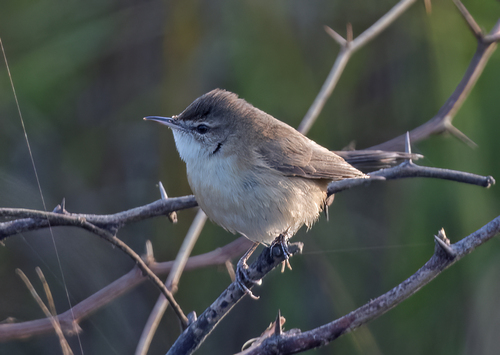
イナダヨシキリ (Acrocephalus agricola) イナダヨシキリ
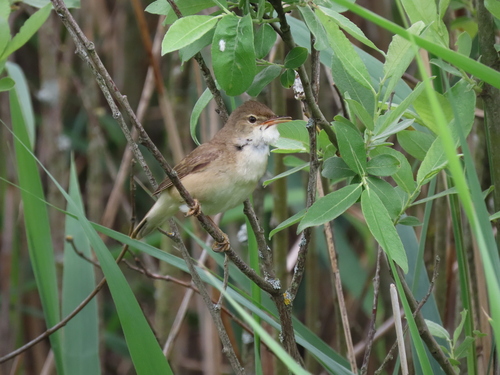
ヨーロッパヨシキリ (Acrocephalus scirpaceus) ヨーロッパヨシキリ

メディア

読み込み中…

要点

イナダヨシキリとヨーロッパヨシキリの最も信頼できるフィールドマークは、くちばしと眉斑の組み合わせです:イナダヨシキリは短くて細いくちばしと、より明確な白っぽい眉斑を示し、ヨーロッパヨシキリは長くて強いくちばしと、あまり目立たない眉斑を持っています。両者はサイズと全体的な色合いが似ており、ストライプのない茶色の背中とバフ色の腹部を持っていますが、構造や顔の模様における微妙な違いが重要です。両種の幼鳥は下側がより豊かなバフ色を示すため、年齢だけでは安全な区別にはなりません。最良のフィールド分離のためには、くちばしの形、眉斑の明瞭さ、全体的な印象に注目してください。

識別のコツ

  1. Bill shape and length: イナダヨシキリは明らかに短く、細く、尖ったくちばしを持ち、ヨーロッパヨシキリのくちばしは長くて強いです。これは、特に鳥が歌ったり餌を探したりしているときに横から見るとよくわかります。
  2. Supercilium (eyebrow stripe): イナダヨシキリは、特に新しい羽毛の時に、より明確で対照的な白っぽい眉斑を示します。ヨーロッパヨシキリの眉斑は鈍く、あまり目立たず、顔とより混ざり合っています。
  3. Facial expression: 短いくちばしと強い眉斑の組み合わせが、イナダヨシキリにより繊細で「開いた顔」の印象を与えます。ヨーロッパヨシキリはより平らな頭と地味な顔に見えます。
  4. Rump color: イナダヨシキリは暖かい茶色の尾羽を示すことがありますが、これは微妙で、遠くからや薄暗い光の中では信頼できません。
  5. Underpart color in juveniles: 両種の幼鳥は下側がより豊かなバフ色を示すため、これは区別にはなりません。若い鳥の腹部の色合いだけに頼らないでください。
  6. Back and wing pattern: 両種はストライプのない茶色の背中を持ち、すべての年齢で強い翼のパネルや特徴的な上翼のマークがありません。ストライプや強いパネルが見られた場合は、識別を再考してください。
  7. Size and structure: 両者は長さと質量が似ています。ヨーロッパヨシキリはわずかに翼が長く見えることがありますが、これは微妙でフィールドでは信頼できません。
  8. Song: よく聞こえれば、イナダヨシキリの歌は速く、弱く、よりリズミカルで、ヨーロッパヨシキリの歌は遅く、よりおしゃべりです。ただし、両者には模倣やアクロセファリーヌの口笛が含まれているため、注意して使用してください。
  9. Habitat context: 西ヨーロッパでは、ヨーロッパヨシキリがリードベッドで期待される種です。イナダヨシキリは黒海近くや南アジア以外では稀な迷鳥です。東部の水田や草地の湿地では、イナダヨシキリがより可能性が高くなります。
  10. Perched vs. in flight: 両種は似たような行動をし、強い飛行マークがありません。くちばしと眉斑のために止まっている姿を使用してください。
  11. Sex differences: 両種は性的に単形であり、性別による区別を試みないでください。
  12. Primary projection: ソースには特に目立った違いは記載されていないため、翼の公式に頼らないでください。
  13. Pitfalls: 使い古したイナダヨシキリの鈍い眉斑をヨーロッパヨシキリと間違えないでください、その逆も同様です。光や羽毛の摩耗が顔のマークを隠すことがあります。
  14. Geographic range: 常に場所と季節を考慮してください。ヨーロッパでは、ヨーロッパヨシキリが圧倒的に一般的です。イナダヨシキリは特定の東部地域でのみ定期的で、稀な迷鳥です。
  15. Overall impression: 直接比較すると、イナダヨシキリはより繊細で顔が際立って見え、ヨーロッパヨシキリはより地味で頑丈に見えます。最良の結果を得るためには、くちばし、眉斑、文脈の組み合わせを使用してください。

大きさ

両種は約13 cmの長さですが、ヨーロッパヨシキリはイナダヨシキリ(15–17.5 cm)に比べてわずかに長い翼幅(17–21 cm)を持っています。利用可能な質量の数値はヨーロッパヨシキリ(12.0 g)だけで、彼らが非常に似た体重であることを示唆しています。フィールドでは、サイズは信頼できる区別ではなく、両者はアクロセファルスのヨシキリとして中小型でスリムに見えます。

羽色

どちらの種にも特徴的な幼鳥や未熟な上翼のパターンは記載されていないため、顔と腹部の色合いに焦点が移ります。両種の成鳥はストライプのない茶色の背中とバフ色の腹部を持っています。イナダヨシキリはより明確で対照的な白っぽい眉斑で際立ち、ヨーロッパヨシキリの眉斑は鈍く、あまり定義されていません。両種の幼鳥は下側がより豊かなバフ色を示すため、これは有用な区別にはなりません。イナダヨシキリの尾羽は暖かい茶色と記載されており、フィールドでは微妙かもしれません。どちらの種も強いストライプや明らかな翼のパネルを示しません。

行動

両種は通常、リードや長い草などの低い植生に見られ、しばしば隠れているが、時には止まって歌うこともあります。彼らの餌を探す行動や動きは非常に似ており、ソースには強い行動の違いは記載されていません。両者はリードベッドを飛び回ったり、茎の間を短い飛行をするのが見られることがあります。

生息環境

イナダヨシキリは、特に長い草、リード、水田などの低い植生に最もよく見られ、中央ユーラシアで繁殖し、南アジアで越冬します。ヨーロッパヨシキリは、ヨーロッパや西ユーラシア全体のリードベッドや湿地を好み、サハラ以南のアフリカで越冬します。彼らの生息地はリードベッドで重なりますが、イナダヨシキリは特にヨーロッパ以外の草地や水田の環境でより可能性が高くなります。西ヨーロッパでは、ヨーロッパヨシキリがはるかに一般的で、黒海近くのイナダヨシキリの稀な迷鳥や小さな繁殖個体を除きます。

声

両種は模倣や口笛を伴うアクロセファリーヌの歌を持っています。イナダヨシキリの歌は速く、弱く、よりリズミカルで、ヨーロッパヨシキリの歌は遅く、おしゃべりな「ジットジットジット」で、同様の模倣が含まれています。実際には、歌の違いは微妙で、鳥がはっきりと長く歌っている場合を除いて使用するのが難しいかもしれません。

より良い説明を送る

比較と同じ項目を使ってください。文章はすぐに公開されます。

The most reliable field mark between Paddyfield Warbler and Common Reed Warbler is the combination of bill and supercilium: Paddyfield Warbler shows a shorter, finer bill and a more distinct whitish supercilium, while Common Reed Warbler has a longer, stronger bill and a less obvious supercilium. Both are similar in size and overall coloration, with unstreaked brown backs and buff underparts, but subtle differences in structure and facial pattern are key. Juveniles of both species are richer buff below, so age alone is not a safe separator. Focus on bill shape, supercilium clarity, and overall jizz for the best field separation.

  1. Bill shape and length: Paddyfield Warbler has a noticeably shorter, finer, and more pointed bill, while Common Reed Warbler's bill is longer and stronger. This is often visible in profile, especially when the birds are singing or foraging.
  2. Supercilium (eyebrow stripe): Paddyfield Warbler shows a clearer, more contrasting whitish supercilium, especially in fresh plumage. Common Reed Warbler's supercilium is duller, less distinct, and blends more with the face.
  3. Facial expression: The combination of a short bill and strong supercilium gives Paddyfield Warbler a more delicate, 'open-faced' look. Common Reed Warbler appears more flat-headed and plain-faced.
  4. Rump color: Paddyfield Warbler may show a warmer brown rump, but this is subtle and unreliable at distance or in poor light.
  5. Underpart color in juveniles: Both species' juveniles are richer buff below, so this is not a separator. Do not rely on underpart tone alone in young birds.
  6. Back and wing pattern: Both species have unstreaked brown backs and lack strong wing panels or distinctive upperwing marks in all ages. If you see streaking or a strong panel, reconsider the ID.
  7. Size and structure: Both are similar in length and mass. Common Reed Warbler may appear slightly longer-winged, but this is subtle and unreliable in the field.
  8. Song: If heard well, Paddyfield Warbler's song is faster, weaker, and more rhythmic, while Common Reed Warbler's is slower and chattier. However, both include mimicry and acrocephaline whistles, so use with caution.
  9. Habitat context: In western Europe, Common Reed Warbler is by far the expected species in reedbeds. Paddyfield Warbler is a rare vagrant except near the Black Sea or in South Asia. In rice fields or grassy marshes in the east, Paddyfield Warbler becomes more likely.
  10. Perched vs. in flight: Both species behave similarly and lack strong flight marks. Use perched views for bill and supercilium.
  11. Sex differences: Both species are sexually monomorphic; do not attempt separation by sex.
  12. Primary projection: No distinctive differences are noted in the sources; do not rely on wing formula.
  13. Pitfalls: Do not mistake a dull supercilium in worn Paddyfield Warbler for Common Reed Warbler, or vice versa. Lighting and feather wear can obscure facial marks.
  14. Geographic range: Always consider location and season. In Europe, Common Reed Warbler is vastly more common. Paddyfield Warbler is regular only in specific eastern areas or as a rare vagrant.
  15. Overall impression: In direct comparison, Paddyfield Warbler looks daintier with a more marked face, while Common Reed Warbler is plainer and more robust. Use a combination of bill, supercilium, and context for best results.

Both species are about 13 cm in length, but Common Reed Warbler has a slightly longer wingspan (17–21 cm) compared to Paddyfield Warbler (15–17.5 cm). The only available mass figure is for Common Reed Warbler (12.0 g) [wikidata], suggesting they are very similar in weight. In the field, size is not a reliable separator, as both appear medium-small and slim for Acrocephalus warblers.

No distinctive juvenile or immature upperwing pattern is described for either species, so focus shifts to facial and underpart coloration. Adults of both species have unstreaked brown backs and buff underparts. Paddyfield Warbler stands out with a clearer, more contrasting whitish supercilium, while Common Reed Warbler's supercilium is duller and less defined. Both species' juveniles are richer buff below, so this is not a useful separator. The rump of Paddyfield Warbler is described as warmer brown, which may be subtle in the field. Neither species shows strong streaking or obvious wing panels.

Both species are typically found in low vegetation such as reeds and long grass, often skulking but sometimes perching up to sing. Their foraging and movement are very similar, with no strong behavioral differences noted in the sources. Both may be seen flitting through reedbeds or making short flights between stems.

Paddyfield Warbler is most often found in low vegetation, especially long grass, reeds, and rice fields, breeding in the central Palearctic and wintering in South Asia. Common Reed Warbler prefers reedbeds and marshy areas across Europe and western Palearctic, wintering in sub-Saharan Africa. While their habitats overlap in reedbeds, Paddyfield Warbler may be more likely in grassy or rice-field settings, especially outside Europe. In western Europe, Common Reed Warbler is much more likely except for rare vagrancy or small breeding populations of Paddyfield Warbler near the Black Sea.

Both species have acrocephaline songs with mimicry and whistles. Paddyfield Warbler's song is described as fast, weaker, and more rhythmic, while Common Reed Warbler's song is a slow, chattering 'jit-jit-jit' with similar mimicry. In practice, song differences are subtle and may be hard to use unless the bird is singing clearly and at length.

変更を破棄しますか?

保存していない編集があります。今離れると失われます。

イナダヨシキリ · ヨーロッパヨシキリ · 苦手な鳥