

Motmot

イナダヨシキリ 対 ヤブヨシキリ

Acrocephalus agricola 対 Acrocephalus dumetorum

イナダヨシキリとヤブヨシキリのクイズ
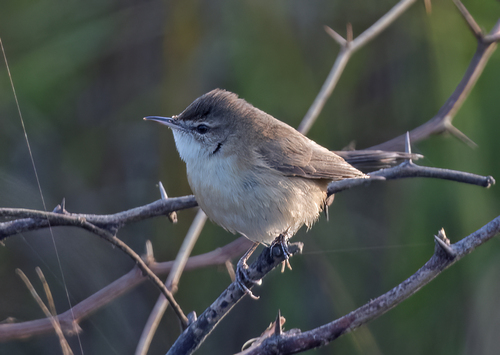
イナダヨシキリ (Acrocephalus agricola) イナダヨシキリ
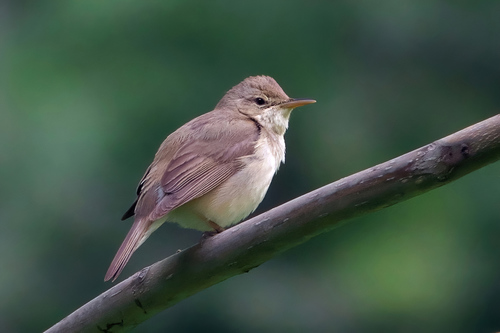
ヤブヨシキリ (Acrocephalus dumetorum) ヤブヨシキリ

メディア

読み込み中…

要点

イナダヨシキリとヤブヨシキリを区別する最も信頼できるフィールドマークは、イナダの全体的に暖かく、バフ色のトーン、特に腹部と尾において、ヤブヨシキリの寒く、灰色がかった茶色でシンプルな外観と比較した場合です。イナダヨシキリは、より明確で長い白っぽい眉斑と、明らかに短く尖ったくちばしを示しますが、ヤブヨシキリは、より短く、あまり目立たない眉斑と、より長く重いくちばしを持っています。両種はサイズと構造が似ていますが、羽毛の暖かさ、くちばしの形、顔のパターンの微妙な違いが重要です。幼鳥のイナダヨシキリは特に下部が豊かなバフ色で、晩夏と秋に強い手がかりとなることがあります。

識別のコツ

  1. Juvenile underparts: 晩夏と秋に、幼鳥のイナダヨシキリは豊かなバフ色の下部を示し、ヤブヨシキリのシンプルなオフホワイトよりもずっと暖かいです。これは最も信頼できる年齢特有の手がかりの一つです。
  2. Rump color: イナダヨシキリは暖かい茶色の尾を持ち、背中と対照的です; ヤブヨシキリの尾は、シンプルなオリーブブラウンの上面と区別されません。
  3. Supercilium: イナダヨシキリは、目の後ろまでしっかりと伸びた長く明確な白っぽい眉斑を示しますが、ヤブヨシキリの眉斑は短く、あまり目立たず、しばしば目の後ろで消えます。
  4. Bill shape: イナダヨシキリは短く尖ったくちばしを持ち、ヤブヨシキリのくちばしは長く、太く、重く、下顎の基部は淡いピンクがかった茶色です。これは近くでよく見ることができます。
  5. Plumage warmth: イナダヨシキリは全体的に一般的に暖かく、バフ色が強いです、特に下部と尾において。ヤブヨシキリは寒く、灰色がかり、シンプルで、暖かいトーンが欠けています。
  6. Upperparts: イナダヨシキリの背中は淡い茶色で、ストライプがなく、ヤブヨシキリは上面がシンプルなオリーブブラウンで、翼にはオリーブが少ないです。
  7. Wing structure: 両者は短く丸い翼を持っていますが、ヤブヨシキリの翼はさらに短く、より丸く見えることがあり、そのコンパクトな外観を強調します。
  8. Leg and foot color: ヤブヨシキリは灰色がかった茶色の足と足を持ち、くちばしの基色と一致します; イナダの足の色はフィールドではあまり目立ちません。
  9. Facial expression: イナダのより明確で長い眉斑は、より開かれた顔の外観を与え、ヤブヨシキリは顔がシンプルであまり目立たないように見えます。
  10. Song: 歌っている場合、ヤブヨシキリはより多様で、厳しく、機械的な歌を与え、ティックやチャクを伴います; イナダの歌はよりリズミカルで速く、あまり力強くなく、より多くのアクロセファリンの口笛があります。
  11. Habitat: 沼地、稲作地、または広範なヨシ原では、イナダヨシキリがより可能性が高いです; 低木の森林の端や庭では、特に水から離れた場所では、ヤブヨシキリがより可能性が高いです。
  12. Perched jizz: イナダヨシキリはしばしばスリムでより繊細に見え、より細いくちばしと長い眉斑を持っています; ヤブヨシキリはより大きな頭部と重いくちばしに見えることがあります。
  13. Flight views: 両者は短翼でスリムですが、飛行中に暖かい尾やバフ色の下部のヒントがあればイナダヨシキリを支持します。
  14. Seasonal context: 秋には、イナダのより豊かなバフ色の幼鳥を探してください; 春には、両者は擦り切れたように見えることがあり、構造と顔のパターンがより重要になります。
  15. Sex: 両種の性別は同じなので、性別に基づく違いに頼らないでください。

大きさ

両種はサイズが非常に近いです: イナダヨシキリは約13 cmの長さで、翼幅は15–17.5 cmですが、ヤブヨシキリは12–14 cmの長さです。ヤブヨシキリは平均してやや重いですが(8–16 g)、これは実用的なフィールドマークではありません。両者はスリムで中小型のアクロセファルスのヨシキリであり、サイズだけでは区別するのは信頼できません。

羽色

幼鳥と初年度のイナダヨシキリは、どのヤブヨシキリよりも明らかに豊かなバフ色の下部を持ち、ヤブヨシキリはすべての年齢でシンプルなオフホワイトのままです。イナダヨシキリの成鳥は暖かい茶色の尾とストライプのない淡い茶色の背中を持ち、フィールドで目立つ明確で長い白っぽい眉斑があります。対照的に、ヤブヨシキリは上面がシンプルで寒いオリーブブラウンで、イナダの暖かいトーンが欠けており、眉斑は短く、あまり対照的ではありません。両者の翼は短く丸いですが、ヤブヨシキリはさらにそう見え、翼にはオリーブが少ないです。イナダのくちばしは短く尖っており、ヤブヨシキリのくちばしは長く太く、下顎の基部は淡いピンクがかった茶色です。両種の性別は同じです。

行動

両種は秘密主義で密な植生の中に隠れますが、ヤブヨシキリはより頻繁に低木や森林の端に見られ、イナダヨシキリは低い草地やヨシの生息地を好みます。飛行中、両者はスリムで短翼に見えますが、ヤブヨシキリは重いくちばしと太い足のためにやや大きく見えることがあります。

生息環境

イナダヨシキリは通常、長い草、ヨシ、稲作地などの低い植生に見られ、特に湿地や湿地帯に生息しています。ヤブヨシキリは湿った生息地も利用しますが、湿った広葉樹林の端や開けた場所、森林の谷、公園、庭、時には針葉樹林に関連付けられることが多いです。冬には、ヤブヨシキリは湿った木と乾燥した木の両方に見られますが、イナダは低い草地やヨシのカバーに留まる傾向があります。

声

両種は模倣を伴う変化に富んだ歌を持っていますが、イナダヨシキリの歌は速く、リズミカルで、ヌマヨシキリよりも弱く、アクロセファリンの口笛を伴います。ヤブヨシキリの歌はより多様で、厳しいティック、チャク、チュルとメロディックな口笛や模倣を混ぜています。フィールドでは、ヤブヨシキリはしばしばより厳しく、機械的に聞こえ、イナダはよりリズミカルであまり力強くありません。

より良い説明を送る

比較と同じ項目を使ってください。文章はすぐに公開されます。

The most reliable field mark to separate Paddyfield Warbler from Blyth's Reed Warbler is the overall warmer, buffier tone of Paddyfield, especially on the underparts and rump, compared to the colder, greyer-brown and plainer look of Blyth's Reed. Paddyfield Warbler shows a clearer, longer whitish supercilium and a distinctly short, pointed bill, while Blyth's Reed Warbler has a shorter, less distinct supercilium and a longer, heavier bill. Both species are similar in size and structure, but subtle differences in plumage warmth, bill shape, and facial pattern are key. Juvenile Paddyfield Warblers are especially rich buff below, which can be a strong clue in late summer and autumn.

  1. Juvenile underparts: In late summer and autumn, juvenile Paddyfield Warblers show rich buff underparts, much warmer than the plain off-white of any Blyth's Reed Warbler. This is one of the most reliable age-specific clues.
  2. Rump color: Paddyfield Warbler has a warm brown rump, contrasting with its back; Blyth's Reed Warbler's rump is not distinct from its plain olive-brown upperparts.
  3. Supercilium: Paddyfield Warbler shows a long, clear, whitish supercilium extending well behind the eye, while Blyth's Reed Warbler's supercilium is shorter, less distinct, and often fades behind the eye.
  4. Bill shape: Paddyfield Warbler has a short, pointed bill; Blyth's Reed Warbler's bill is longer, thicker, and heavier, with a pale pinkish-brown base to the lower mandible. This can be seen well in close views.
  5. Plumage warmth: Paddyfield Warbler is generally warmer and buffier overall, especially on the underparts and rump. Blyth's Reed Warbler is colder, greyer, and plainer, lacking any warm tones.
  6. Upperparts: Paddyfield Warbler's back is pale brown and unstreaked, while Blyth's Reed Warbler is plain olive-brown above, with less olive on the wings.
  7. Wing structure: Both have short, rounded wings, but Blyth's Reed Warbler's wings may appear even shorter and more rounded, accentuating its compact look.
  8. Leg and foot color: Blyth's Reed Warbler has greyish-brown legs and feet, matching the base color of its bill; Paddyfield's leg color is less distinctive in the field.
  9. Facial expression: The clearer, longer supercilium of Paddyfield gives it a more open-faced look, while Blyth's Reed appears plainer and less marked in the face.
  10. Song: If singing, Blyth's Reed Warbler gives a more varied, harsh, and mechanical song with ticks and chaks; Paddyfield's song is more rhythmic, fast, and less forceful, with more acrocephaline whistles.
  11. Habitat: In marshes, rice fields, or extensive reedbeds, Paddyfield Warbler is more likely; in shrubby woodland edges or gardens, especially away from water, Blyth's Reed Warbler is more likely.
  12. Perched jizz: Paddyfield Warbler often looks slimmer and more delicate, with a finer bill and longer supercilium; Blyth's Reed Warbler can appear bulkier-headed and heavier-billed.
  13. Flight views: Both are short-winged and slim, but any hint of a warmer rump or buff underparts in flight favors Paddyfield Warbler.
  14. Seasonal context: In autumn, look for the richer buff juveniles of Paddyfield; in spring, both can look worn and faded, making structure and facial pattern more important.
  15. Sex: Sexes are identical in both species, so do not rely on sex-based differences.

Both species are very close in size: Paddyfield Warbler is about 13 cm long with a wingspan of 15–17.5 cm, while Blyth's Reed Warbler ranges from 12–14 cm in length. Blyth's Reed is slightly heavier on average (8–16 g) but this is not a practical field mark. Both are slim, medium-small Acrocephalus warblers, so size alone is not reliable for separation.

Juvenile and first-year Paddyfield Warblers are distinctly richer buff on the underparts than any Blyth's Reed Warbler, which remains plain off-white below at all ages. Paddyfield Warbler adults have a warm brown rump and unstreaked pale brown back, with a clear, long whitish supercilium that stands out in the field. Blyth's Reed Warbler, by contrast, is plainer and colder olive-brown above, lacking the warm tones of Paddyfield, and its supercilium is shorter and less contrasting. The wings of both are short and rounded, but Blyth's Reed appears even more so, with less olive on the wings. Paddyfield's bill is short and pointed, while Blyth's Reed's is longer and thicker, with a pale pinkish-brown base to the lower mandible. Sexes are alike in both species.

Both species are secretive and skulk in dense vegetation, but Blyth's Reed Warbler is more often found in shrubby or wooded edges, while Paddyfield Warbler prefers low, grassy or reedy habitats. In flight, both appear slim and short-winged, but Blyth's Reed may seem slightly bulkier due to its heavier bill and thicker legs.

Paddyfield Warbler is usually found in low vegetation such as long grass, reeds, and rice fields, especially in marshy or wetland areas. Blyth's Reed Warbler, while also using wet habitats, is more often associated with the edges and clearings of damp broadleaved woodland, wooded gullies, parks, gardens, and sometimes coniferous forest. In winter, Blyth's Reed can be found in both wet and dry trees, while Paddyfield tends to stick to low, grassy or reedy cover.

Both species have variable songs with mimicry, but Paddyfield Warbler's song is fast, rhythmic, and weaker than Marsh Warbler, with acrocephaline whistles. Blyth's Reed Warbler's song is more varied, mixing harsh ticks, chaks, and churrs with melodious whistles and mimicry. In the field, Blyth's Reed often sounds harsher and more mechanical, while Paddyfield is more rhythmic and less forceful.

変更を破棄しますか?

保存していない編集があります。今離れると失われます。

イナダヨシキリ · ヤブヨシキリ · 苦手な鳥