

Motmot

ムナグロ 対 チュウシャクシギ

Pluvialis fulva 対 Numenius phaeopus

ムナグロとチュウシャクシギのクイズ

ムナグロ (Pluvialis fulva) ムナグロ
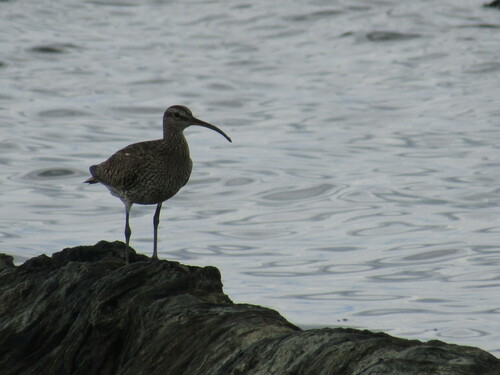
チュウシャクシギ (Numenius phaeopus) チュウシャクシギ

メディア

読み込み中…

要点

ムナグロとチュウシャクシギを区別する最も信頼できる方法は、全体の構造とくちばしの形状です:チュウシャクシギははるかに大きく、長く下向きのくちばしを持ち、ムナグロはコンパクトで短くまっすぐなくちばしを持っています。飛行中、チュウシャクシギは特徴的な白い尻(ユーラシアの個体)を示しますが、ムナグロにはこの特徴がありません。羽毛の違いも顕著です:繁殖期のムナグロは目を引く金色と黒の斑点を持ち、チュウシャクシギは地味な茶色で大胆な頭の模様を持っています。非繁殖期や幼鳥の羽毛でも、ムナグロは細長いチュウシャクシギよりも小さく、よりコンパクトです。混乱は非繁殖期や幼鳥で最も起こりやすいですが、サイズとくちばしの形状は診断的です。

識別のコツ

  1. Bill shape and length: チュウシャクシギは長く下向きのくちばしを持ち、ムナグロは短くまっすぐな黒いくちばしを持っています。これは、年齢や季節に関係なく最も信頼できるフィールドマークです。
  2. Size and structure: チュウシャクシギははるかに大きく、がっしりとしており、首、脚、翼が長いです。ムナグロはコンパクトで、脚が短く、より直立した姿勢を持っています。
  3. Flight pattern and rump: 飛行中、ユーラシアのチュウシャクシギは明るい白い尻と下背を示し、体の他の部分と対照的です。ムナグロには白い尻や背中がなく、上面は均一または金色の斑点があります。
  4. Head pattern: チュウシャクシギは大胆な暗い冠と強い淡い眉斑(アイブロウ)および暗い目のストライプを持ち、すべての年齢で見られます。ムナグロにはこの強い頭の模様がありません;繁殖羽毛では顔が黒く、白い縁取りがあり、非繁殖期/幼鳥の羽毛では顔が斑点のある茶色と金色で、強い眉斑がありません。
  5. Breeding plumage: 繁殖羽毛のオスのムナグロは、上面が金色と黒で、顔、首、胸が白で縁取られた固体の黒い顔を持っています。チュウシャクシギは下に金色の斑点や黒がありません。
  6. Nonbreeding/juvenile plumage: ムナグロは上面が茶色と金色の斑点で、淡い腹部を持ち、チュウシャクシギの大胆な頭の模様と白い尻が欠けています。幼鳥のムナグロは特に背中に金色の斑点があります。
  7. Leg color: ムナグロは灰色から黒の脚を持ち、チュウシャクシギの脚は鈍く、あまり明確に暗くありません。
  8. Posture and behavior: ムナグロは直立して短いバーストで走り、しばしばスキャンするために立ち止まります。チュウシャクシギはより水平な姿勢で歩き、長いくちばしで探ります。
  9. Habitat: ムナグロは乾燥した草地や都市部でも見られることが多いですが、チュウシャクシギは湿地、干潟、沿岸地域を好みます。
  10. Voice: チュウシャクシギの波のような笛の音は特徴的で、ムナグロの音とは異なります。
  11. Group size: チュウシャクシギは特に移動中に大きな群れで見られることが多く、ムナグロはより孤立しているか小さな群れで見られます。
  12. Sex differences: 繁殖羽毛のオスのムナグロだけが固体の黒い顔と胸を持ち、メスは斑点があり、両性は非繁殖羽毛では似ています。
  13. Juvenile confusion: 金色の斑点のある背中とコンパクトな形を見たら、それは幼鳥のムナグロです;もしその鳥が大きく、地味な茶色で、飛行中に白い尻を持っているなら、それはチュウシャクシギです。
  14. Seasonal timing: ムナグロは3月から4月に繁殖羽毛に換羽し、北極の抱卵中に非繁殖羽毛に換羽します;チュウシャクシギの羽毛はそれほど劇的に季節的ではありません。
  15. Pitfalls: 鈍い光や距離で、非繁殖のムナグロは地味に見えるかもしれませんが、常に小さく、チュウシャクシギの長く曲がったくちばしと白い尻が欠けています。

大きさ

チュウシャクシギはムナグロよりもかなり大きいです。チュウシャクシギは長さ37〜47 cm、翼幅75〜90 cm、体重270〜493 gで、ムナグロは約25 cmの長さ、翼幅61 cm、最軽量で約135 gです [wikidata][wikipedia]。フィールドでは、チュウシャクシギはムナグロのほぼ2倍の大きさに見え、脚がはるかに長く、首とくちばしも比例して長くなります。

羽色

すべての年齢において、最も明白な違いはチュウシャクシギの地味で縞模様の茶色の羽毛で、大胆な頭の模様(暗い冠と淡い眉斑)を持ち、飛行中には目立つ白い尻(ユーラシアの個体)があります [wikipedia]。繁殖羽毛のムナグロは、上面が金色の斑点で、目を引く黒い顔、首、胸が白で縁取られ、暗い尻を持っています。メスは似ていますが、腹部の黒があまりはっきりしていません。非繁殖期と幼鳥の羽毛では、ムナグロは上面が茶色と金色の斑点で、淡い腹部を持ち、チュウシャクシギの強い頭の模様が欠けています。幼鳥のムナグロは背中と頭に金色の斑点がありますが、チュウシャクシギの幼鳥は成鳥に似ていますが、やや淡い場合があります。飛行中、ムナグロは白い尻や背中を持たず、チュウシャクシギ(ユーラシア)は鳥が離陸したり上空を飛ぶときに明らかな白い尻と下背を示します。くちばしの色は常にムナグロでは黒ですが、チュウシャクシギのくちばしは暗く、はるかに長いです。

行動

ムナグロは通常、単独または小さな群れで見られ、しばしば直立して短いバーストで走り、餌を探すために立ち止まります。彼らは開けた草地や短い芝生で見られる可能性が高く、いくつかの地域では非常に人懐っこいです。チュウシャクシギは通常、大きな群れで見られ、特に移動中は長いくちばしで泥や砂を探る可能性が高いです。彼らの採餌はより計画的で、しばしば水平な姿勢で歩きます。飛行中、チュウシャクシギは長い翼と重い印象を与え、ムナグロはコンパクトで素早いです。

生息環境

ムナグロは、繁殖期以外に特に、ツンドラ、草原、ゴルフコース、さらには都市の芝生を含む短い植生のある開けた場所を好みます [wikipedia]。チュウシャクシギは湿地、干潟、沿岸地域に密接に関連していますが、繁殖期にはツンドラでも見られます。乾燥した草地の公園や内陸の畑で鳥を見たら、それはムナグロの可能性が高く、干潟や塩湿地ではチュウシャクシギを期待してください。

声

チュウシャクシギは特徴的な波のような笛の音を出し、しばしばトリルに引き延ばされ、ムナグロの鳴き声とは非常に異なります。ムナグロの声は提供されたメモには記載されていませんが、チュウシャクシギの大きく波のような歌とは似ていません。

より良い説明を送る

比較と同じ項目を使ってください。文章はすぐに公開されます。

The most reliable way to separate Pacific Golden Plover from Whimbrel is by overall structure and bill shape: Whimbrels are much larger, with a long, downcurved bill, while Pacific Golden Plovers are compact with a short, straight bill. In flight, Whimbrels show a distinctive white rump (in Eurasian birds), while Pacific Golden Plovers lack this feature. Plumage differences are also strong: breeding Pacific Golden Plovers have striking gold and black spangling, while Whimbrels are plain brownish with a bold head pattern. Even in nonbreeding or juvenile plumage, the plover remains smaller and more compact than the lanky Whimbrel. Confusion is most likely with nonbreeding or juvenile birds, but size and bill shape remain diagnostic.

  1. Bill shape and length: Whimbrel has a long, downcurved bill with a kink; Pacific Golden Plover has a short, straight, black bill. This is the single most reliable field mark at any age or season.
  2. Size and structure: Whimbrel is much larger and bulkier, with a longer neck, legs, and wings. Plovers are compact, with shorter legs and a more upright stance.
  3. Flight pattern and rump: In flight, Eurasian Whimbrel shows a bright white rump and lower back, contrasting with the rest of the body. Pacific Golden Plover lacks any white rump or back—its upperparts are uniform or gold-spangled.
  4. Head pattern: Whimbrel has a bold, dark crown with a strong pale supercilium (eyebrow) and a dark eye-stripe, visible at all ages. Pacific Golden Plover lacks this strong head pattern; in breeding plumage, the face is black with a white border, and in nonbreeding/juvenile plumage, the face is mottled brown and gold without a strong supercilium.
  5. Breeding plumage: Male Pacific Golden Plover in breeding plumage is gold and black above, with a solid black face, neck, and breast bordered by white. Whimbrel is never gold-spangled or black below.
  6. Nonbreeding/juvenile plumage: Pacific Golden Plover is mottled brown and gold above with pale underparts, lacking the Whimbrel's bold head pattern and white rump. Juvenile plovers are especially gold-spangled on the back.
  7. Leg color: Pacific Golden Plover has gray to black legs; Whimbrel's legs are duller and not as distinctly dark.
  8. Posture and behavior: Plovers stand upright and run in short bursts, often pausing to scan. Whimbrels walk with a more horizontal posture and probe with their long bills.
  9. Habitat: Plovers are often found in dry, grassy, or even urban areas; Whimbrels prefer wetlands, mudflats, and coastal zones.
  10. Voice: Whimbrel's rippling whistle is distinctive and not matched by the plover.
  11. Group size: Whimbrels are often in larger flocks, especially on migration; plovers are more solitary or in small groups.
  12. Sex differences: Only male Pacific Golden Plover in breeding plumage has a solid black face and breast; females are mottled, and both sexes are similar in nonbreeding plumage.
  13. Juvenile confusion: If you see a gold-spangled back and compact shape, it's a juvenile plover; if the bird is large, plain brown, with a white rump in flight, it's a Whimbrel.
  14. Seasonal timing: Pacific Golden Plovers molt into breeding plumage in March-April and into nonbreeding plumage during Arctic incubation; Whimbrel's plumage is less dramatically seasonal.
  15. Pitfalls: In dull light or at distance, a nonbreeding plover may look plain, but will always be smaller and lack the Whimbrel's long, curved bill and white rump.

Whimbrel is significantly larger than Pacific Golden Plover. Whimbrel measures 37–47 cm in length with a 75–90 cm wingspan and weighs 270–493 g, while Pacific Golden Plover is about 25 cm long with a 61 cm wingspan and weighs around 135 g at its lightest [wikidata][wikipedia]. In the field, Whimbrel will look almost twice as large as the plover, with much longer legs and a proportionally longer neck and bill.

For all ages, the most obvious difference is the Whimbrel's plain, streaked brown plumage with a bold head pattern (dark crown with pale supercilium) and, in flight, a conspicuous white rump (Eurasian birds) [wikipedia]. Pacific Golden Plovers, in breeding plumage, are gold-spangled above with a striking black face, neck, and breast bordered by white, and a dark rump. Females are similar but with less distinct black on the underparts. In nonbreeding and juvenile plumage, plovers are mottled brown and gold above with pale underparts, lacking the strong head pattern of Whimbrel. Juvenile plovers are spangled gold and black on the back and head, while Whimbrel juveniles resemble adults but may be slightly paler. In flight, Pacific Golden Plover lacks any white rump or back, while Whimbrel (Eurasian) shows a white rump and lower back that is obvious when the bird takes off or flies overhead. Bill color is always black in plover, while Whimbrel's bill is dark and much longer.

Pacific Golden Plovers are typically seen singly or in small groups, often standing upright and running in short bursts, pausing to feed. They are more likely to be found in open, grassy areas or short turf, and may be quite tame in some regions. Whimbrels are usually seen in larger flocks, especially on migration, and are more likely to be probing mud or sand with their long bills. Their foraging is more methodical, and they often walk with a horizontal posture. In flight, Whimbrel appears long-winged and heavy, while the plover is compact and swift.

Pacific Golden Plovers prefer open spaces with short vegetation, including tundra, grasslands, golf courses, and even urban lawns, especially outside the breeding season [wikipedia]. Whimbrels are more closely tied to wetlands, mudflats, and coastal areas, though they can also be found in tundra during breeding. If you see a bird in a dry, grassy park or inland field, it's more likely a plover; on mudflats or saltmarshes, expect Whimbrel.

Whimbrel gives a distinctive rippling whistle, often prolonged into a trill, which is very different from the plover's calls. Pacific Golden Plover's voice is not described in the provided notes, but it is not similar to the Whimbrel's loud, rippling song.

変更を破棄しますか?

保存していない編集があります。今離れると失われます。

ムナグロ · チュウシャクシギ · 苦手な鳥