

Motmot

アカクロムクドリモドキ 対 ノドグロハイアメリカムシクイ

Icterus spurius 対 Setophaga nigrescens

アカクロムクドリモドキとノドグロハイアメリカムシクイのクイズ
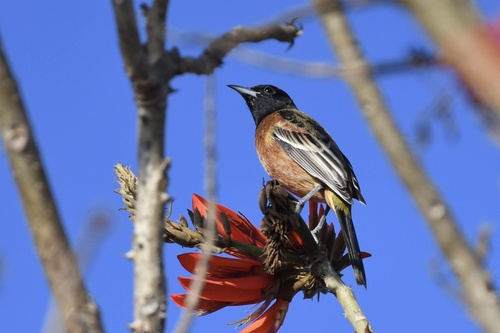
アカクロムクドリモドキ (Icterus spurius) アカクロムクドリモドキ
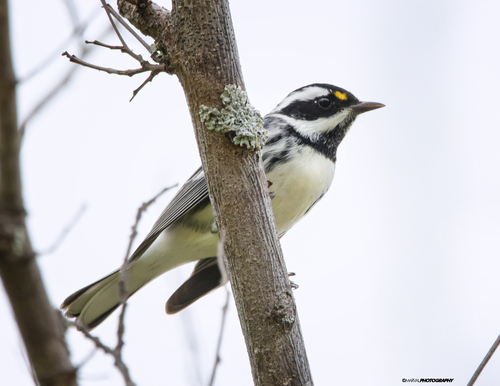
ノドグロハイアメリカムシクイ (Setophaga nigrescens) ノドグロハイアメリカムシクイ

メディア

読み込み中…

要点

アカクロムクドリモドキとノドグロハイアメリカムシクイを区別する最も信頼できるフィールドマークは、全体の色合いとパターンです:アカクロムクドリモドキ(特に成鳥のオス)は、他の部分が黒である豊かな栗色またはオーカーの腹部を示しますが、ノドグロハイアメリカムシクイは常に大胆な黒いストライプと目の前に小さな黄色い斑点を持つ灰色と白の羽毛を持っています。未熟な個体や雌のアカクロムクドリモドキは、黄色味やオリーブ色のトーンのためにムシクイと混同されることがありますが、ムシクイの鮮明な白黒の頭のストライプと黄色いロア斑点は独特です。構造も役立ちます:アカクロムクドリモドキは、尖った長いくちばしを持ち、明らかに大きくてがっしりしていますが、ムシクイは小さくて繊細です。飛行中、アカクロムクドリモドキはしばしば白い翼の帯を示し、より滑空するような低い飛行スタイルを持ちますが、ムシクイの飛行はより速く、よりひらひらしています。

識別のコツ

  1. Overall Size and Structure: アカクロムクドリモドキはノドグロハイアメリカムシクイよりもはるかに大きくてがっしりしています。両種が同じエリアで見られる場合や、スケールのために馴染みのある鳥と一緒に見られる場合にこれを利用してください。
  2. Bill Shape: アカクロムクドリモドキは、下顎の基部に青灰色が少しある長く尖った太い黒いくちばしを持っています;ムシクイは、ムシクイ特有の短くて細い尖ったくちばしを持っています。これは双眼鏡で遠くからでも見ることができます。
  3. Adult Male Plumage: 成鳥のオスのアカクロムクドリモドキは、腹部と尾に深い栗色(またはI. s. fuertesiではオーカー)を持ち、他の部分は黒です。ノドグロハイアメリカムシクイのオスは決して栗色やオーカーではなく、常に灰色、白、黒で、黒い喉と冠を持っています。
  4. Female and Immature Plumage: 雌と幼鳥のアカクロムクドリモドキは、上面がオリーブグリーンで、下面が黄色味を帯びており、白い翼の帯を持っています。初年度のオスは黒いロアと小さなビブを示すことがあります。ノドグロハイアメリカムシクイの雌は、上面が灰色、下面が白で、側面に黒いストライプがあり、白い喉を持っています;全体的にオリーブ色や黄色味を帯びることはありません。
  5. White Wing Bars: アカクロムクドリモドキ(すべての年齢)は明確な白い翼の帯を示します;ノドグロハイアメリカムシクイは大胆な白い帯のないより微妙な翼のパターンを持っています。
  6. Head Pattern: ノドグロハイアメリカムシクイは常に鮮明な白黒のストライプの頭を示し、目の前に小さな黄色い斑点(ロア)があります。アカクロムクドリモドキはこのパターンや黄色いロア斑点を示しません。
  7. Throat Color: オスのノドグロハイアメリカムシクイは固体の黒い喉を持ち;雌は白い喉を持っています。アカクロムクドリモドキのオスは黒い喉を持っていますが、ムシクイのように白で際立っているわけではなく、雌や未熟な個体は黒い喉を持っていません。
  8. Flank Streaking: ムシクイは側面に黒いストライプを示します;アカクロムクドリモドキは示しません。
  9. Underpart Color: アカクロムクドリモドキ(成鳥のオス)は豊かな栗色またはオーカーの腹部を持っています;ムシクイは常に白い下面に黒いストライプを持っています。
  10. Flight Style: アカクロムクドリモドキは強く、滑空するような低い飛行をし、しばしば樹冠レベルかそれ以下で飛びます。ムシクイの飛行は軽く、速く、よりひらひらしています。
  11. Habitat: 繁殖期には、アカクロムクドリモドキは東部の水辺近くの落葉樹のある開けた公園のような場所に生息します;ノドグロハイアメリカムシクイは西部の開けた森林や松・オークの森に生息します。重複は移動時を除いては稀です。
  12. Vocalizations: ムシクイは鋭い「タップ」または「厚い」呼び声とブズー音の歌を出します;オリオールの歌はよりメロディックで口笛のようです(ここでは詳細には説明されていません)。
  13. Tail Shape and Length: アカクロムクドリモドキはより長く、より段階的な尾を持っています;ムシクイの尾は短く、より四角いです。
  14. Behavior: ムシクイはより活発で落ち着きがなく、しばしば翼や尾をひらひらさせます;オリオールはより慎重に動き、果物や蜜、昆虫を食べているのが見られることがあります。
  15. Common Pitfall: 未熟な/雌のアカクロムクドリモドキはその黄色味のトーンのためにムシクイと間違われることがありますが、常にオリオールの大きなサイズ、太いくちばし、白い翼の帯とムシクイの鮮明な頭のストライプや黄色いロア斑点を確認してください。

大きさ

アカクロムクドリモドキはかなり大きい:全長15〜18 cm(5.9〜7.1インチ)、体重16〜28 g(0.6〜1.0 oz)、翼幅は約25 cm(9.8インチ)です [wikipedia][avonet]。ノドグロハイアメリカムシクイははるかに小さく、全長13 cm(5.1インチ)、体重8.4 g(0.30 oz)、翼幅は19〜19.7 cm(7.5〜7.8インチ)です [wikipedia][avonet]。オリオールはよりがっしりとしており、相対的に長くて太いくちばしと長い尾を持っています。ムシクイはスリムで、短くて細いくちばしとコンパクトな姿勢を持っています。

羽色

未熟な個体と雌のアカクロムクドリモドキは、上面がオリーブグリーンで、下面が黄色味を帯びており、白い翼の帯と尖ったくちばしを持っています。初年度のオスは似ていますが、黒いロアと小さな黒いビブを示すことがあります。成鳥のオスは、腹部、肩、尾に栗色(またはI. s. fuertesiではオーカー)を持ち、他の部分は黒です。すべてのアカクロムクドリモドキは年齢に関係なく白い翼の帯を持っています。それに対して、すべての年齢と性別のノドグロハイアメリカムシクイは、上面が黒いストライプのある灰色、下面が黒い側面のストライプのある白で、常に大胆な白黒の頭のパターンと目の前に小さな黄色い斑点を示します。成鳥のオスは固体の黒い喉と冠を持ち、雌はより淡い色で白い喉とあまりはっきりしない黒を持っています。ムシクイは決して栗色やオーカーを示さず、オリオールの全体的なオリーブ/黄色のトーンも示しません。ムシクイの翼は大胆な白い帯を欠き、代わりにより微妙なパターンを示し、黄色いロア斑点はこの種に特有です。

行動

アカクロムクドリモドキは通常、木や低木で採餌し、水の近くで見られることが多く、通常は樹冠レベルかそれ以下で低く滑空しているのが見られます。彼らの飛行は強く、直接的で、しばしば地面に近いです。ノドグロハイアメリカムシクイははるかに活発で落ち着きがなく、葉の間を素早く移動し、昆虫を採取し、しばしば翼や尾をひらひらさせます。彼の飛行は軽く、速く、よりひらひらしており、小型のムシクイ特有です。求愛行動はオリオールにのみ記述されています(お辞儀、シーソー、翼をひらひらさせる)。

生息環境

アカクロムクドリモドキは、落葉樹のある半開放的な地域で繁殖し、しばしば湖や小川の近くに生息し、北アメリカ東部やメキシコの公園や河川回廊で日陰の木を好みます [wikipedia]。ノドグロハイアメリカムシクイは北アメリカ西部で繁殖し、特に開けた森林、松・オークの森、茂みのある地域に生息し、主にメキシコで冬を越します。両者は木の中に見られることがありますが、移動時を除いて範囲が重なることはほとんどなく、生息地の好みも異なります:オリオールは水の近くのより開放的で公園のような環境を好み、ムシクイはより乾燥した針葉樹林や混合林を好みます。

声

アカクロムクドリモドキの歌はノートに記述されていませんが、一般的には一連の口笛のフレーズです。ノドグロハイアメリカムシクイは鋭い「タップ」または「厚い」呼び声を出し、オスの歌は一連のブズー音で、初期の音が二重になり、次の最後の音が高くなります。ムシクイの呼び声は平坦で音楽的ではなく、オリオールのよりメロディックな歌とは異なります。フィールドでは、ムシクイの鋭い呼び声とブズー音の歌は独特で、どのオリオールの声ともかなり異なります。

より良い説明を送る

比較と同じ項目を使ってください。文章はすぐに公開されます。

The most reliable field mark to separate Orchard Oriole from Black-throated Gray Warbler is overall coloration and pattern: Orchard Oriole (especially adult males) shows rich chestnut or ochre underparts with black elsewhere, while Black-throated Gray Warbler always has gray and white plumage with bold black striping and a small yellow spot in front of the eye. Immature and female Orchard Orioles can be confused with warblers due to their yellowish and olive tones, but the warbler’s crisp black-and-white head stripes and yellow lore spot are unique. Structure is also helpful: Orchard Oriole is noticeably larger and bulkier with a pointed, longer bill, while the warbler is smaller and more delicate. In flight, Orchard Oriole often shows white wing bars and a more swooping, low flight style, while the warbler’s flight is quicker and more fluttery.

  1. Overall Size and Structure: Orchard Oriole is much larger and bulkier than Black-throated Gray Warbler. Use this when both species are seen in the same area or with familiar birds for scale.
  2. Bill Shape: Orchard Oriole has a long, pointed, and thick black bill with some blue-gray at the base of the lower mandible; the warbler has a short, fine, pointed bill typical of warblers. This is visible even at a distance with binoculars.
  3. Adult Male Plumage: Adult male Orchard Oriole is deep chestnut (or ochre in I. s. fuertesi) below and on the rump, with black elsewhere. Black-throated Gray Warbler males are never chestnut or ochre, always gray, white, and black with a solid black throat and crown.
  4. Female and Immature Plumage: Female and juvenile Orchard Orioles are olive-green above and yellowish below, with white wing bars. First-year males may show black lores and a small bib. Black-throated Gray Warbler females are gray above, white below, with black streaks on the flanks and a white throat; never olive or yellowish overall.
  5. White Wing Bars: Orchard Oriole (all ages) shows clear white wing bars; Black-throated Gray Warbler has more subtle wing patterning without bold white bars.
  6. Head Pattern: Black-throated Gray Warbler always shows a crisp black-and-white striped head with a small yellow spot in front of the eye (lore). Orchard Oriole never shows this pattern or yellow lore spot.
  7. Throat Color: Male Black-throated Gray Warbler has a solid black throat; female has a white throat. Orchard Oriole males have a black throat but it is not set off by white as in the warbler, and females/immatures lack a black throat.
  8. Flank Streaking: Warbler shows black streaks on the flanks; Orchard Oriole does not.
  9. Underpart Color: Orchard Oriole (adult male) has rich chestnut or ochre underparts; warbler is always white below with black streaks.
  10. Flight Style: Orchard Oriole flies with strong, swooping, low flights, often at or below treetop level. Warbler flight is lighter, quicker, and more fluttery.
  11. Habitat: In breeding season, Orchard Oriole is found in open, park-like areas with deciduous trees near water in the east; Black-throated Gray Warbler is in open woodlands and pine-oak forests in the west. Overlap is rare except on migration.
  12. Vocalizations: Warbler gives sharp 'tup' or 'thick' calls and buzzy songs; oriole’s song is more melodic and whistled (not described in detail here).
  13. Tail Shape and Length: Orchard Oriole has a longer, more graduated tail; warbler’s tail is shorter and more square.
  14. Behavior: Warbler is more active and restless, often flicking wings and tail; oriole moves more deliberately and may be seen feeding on fruit or nectar as well as insects.
  15. Common Pitfall: Immature/female Orchard Orioles can be mistaken for warblers due to their yellowish tones, but always check for the oriole’s larger size, thicker bill, and white wing bars versus the warbler’s crisp head stripes and yellow lore spot.

Orchard Oriole is significantly larger: 15–18 cm (5.9–7.1 in) in length, 16–28 g (0.6–1.0 oz) in weight, and a wingspan of about 25 cm (9.8 in) [wikipedia][avonet]. Black-throated Gray Warbler is much smaller, at 13 cm (5.1 in) long, 8.4 g (0.30 oz) in weight, and a wingspan of 19–19.7 cm (7.5–7.8 in) [wikipedia][avonet]. The oriole appears bulkier and more robust, with a proportionally longer, thicker bill and a longer tail. The warbler is slim, with a short, fine bill and a compact jizz.

Juvenile and female Orchard Orioles are olive-green above and yellowish below, with white wing bars and a pointed bill. First-year males are similar but may show black lores and a small black bib. Adult males are unmistakable with chestnut (or ochre in I. s. fuertesi) underparts, shoulder, and rump, and black elsewhere. All Orchard Orioles have white wing bars regardless of age. In contrast, Black-throated Gray Warbler of all ages and sexes is gray above with black streaks, white below with black flank streaks, and always shows a bold black-and-white head pattern and a small yellow spot in front of the eye. Adult males have a solid black throat and crown, while females are paler with a white throat and less distinct black. The warbler never shows chestnut or ochre, nor the overall olive/yellow tones of the oriole. The warbler’s wings lack bold white bars, instead showing a more subtle pattern, and the yellow lore spot is unique to this species.

Orchard Oriole typically forages in trees and shrubs, often near water, and may be seen swooping low in flight, usually at or below treetop level. Their flight is strong and direct, often close to the ground. Black-throated Gray Warbler is much more active and restless, moving quickly through foliage, gleaning insects, and often flicking its wings and tail. Its flight is lighter, quicker, and more fluttery, typical of small warblers. Courtship displays are only described for the oriole (bowing, seesawing, and wing-fluttering).

Orchard Oriole breeds in semi-open areas with deciduous trees, often near lakes and streams, and prefers shaded trees in parks and riparian corridors across eastern North America and into Mexico [wikipedia]. Black-throated Gray Warbler breeds in western North America, especially in open woodlands, pine-oak forests, and brushy areas, and winters mostly in Mexico. While both can be found in trees, their ranges overlap little except on migration, and their habitat preferences are distinct: oriole favors more open, park-like settings near water, while the warbler prefers drier, coniferous or mixed woodlands.

Orchard Oriole’s song is not described in the notes, but it is generally a series of whistled phrases. Black-throated Gray Warbler gives a sharp 'tup' or 'thick' call, and the male’s song is a series of buzzy notes, with doubled early notes and a high next-to-last note. The warbler’s calls are flat and unmusical, unlike the oriole’s more melodic song. In the field, the warbler’s sharp calls and buzzy song are distinctive and quite different from any oriole vocalization.

変更を破棄しますか?

保存していない編集があります。今離れると失われます。

アカクロムクドリモドキ · ノドグロハイアメリカムシクイ · 苦手な鳥