

Motmot

オカリトキーウィ 対 コマダラキーウィ

Apteryx rowi 対 Apteryx owenii

オカリトキーウィとコマダラキーウィのクイズ

オカリトキーウィ (Apteryx rowi) オカリトキーウィ
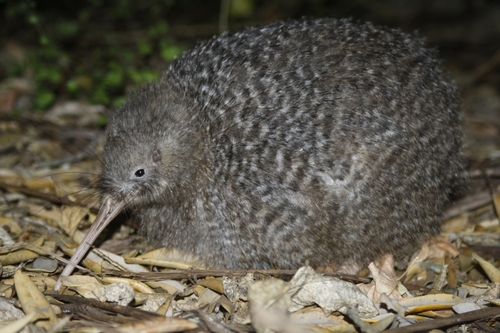
コマダラキーウィ (Apteryx owenii) コマダラキーウィ

メディア

読み込み中…

要点

オカリトキーウィとコマダラキーウィを区別する最も信頼できる方法は、サイズと羽毛によるものです:オカリトキーウィははるかに大きく、均一な茶色の羽毛を持っていますが、コマダラキーウィは明らかに小さく、白で heavily mottled した淡い灰色の羽毛を持っています。野外では、コマダラキーウィは全体的によりコンパクトで淡い印象を与え、顕著に明るいくちばしと足を持っています。両種は飛べず、夜行性ですが、生息地の好みや分布はかなり異なります:オカリトキーウィは南島のオカリトの森に限定されているのに対し、コマダラキーウィは現在、主に捕食者のいない沖合の島々やいくつかの本土の保護区に見られます。構造的および羽毛の違いは、通常、近距離または良好な光の下で明確ですが、視界が悪い条件や未成熟な個体では混乱が生じることがあります。

識別のコツ

  1. Size is the most immediate clue: オカリトキーウィはコマダラキーウィよりもはるかに大きく、がっしりとしています。もし鳥がバンタムサイズまたはそれ以下に見える場合は、コマダラキーウィを疑ってください。
  2. Plumage color and pattern: オカリトキーウィは明確な淡い斑点や mottling がない、均一な茶色の羽毛を持っています。コマダラキーウィは淡い灰色で、全体に細かい白い斑点や mottling があり、はるかに明るくパターン化された外観をしています。
  3. Bill color: コマダラキーウィは象牙色の長いくちばしを持ち、オカリトキーウィのくちばしはあまり明るくありません(ただし、これは微妙で、光が悪いと判断が難しいことがあります)。
  4. Leg color: コマダラキーウィは淡い足を持っていますが、オカリトキーウィの足はあまり明るくありません。
  5. Habitat context: オカリトの森や近くのウェストランド・タイ・ポウティニ国立公園で見られた場合は、オカリトキーウィです。カピティのような沖合の島やフェンスで囲まれた保護区では、コマダラキーウィを期待してください。
  6. Distribution: オカリトキーウィは南島の小さな部分に限定されています;コマダラキーウィは管理された保護区を除いて本土には存在しません。
  7. Behavioral impression: オカリトキーウィはより重く、鈍重な歩き方をします;コマダラキーウィはよりコンパクトで、より速く見えることがあります。
  8. No flight or wing pattern clues: 両種は飛べず、どの年齢でも特徴的な翼のマーキングはありません。
  9. No tail: 両種は真の尾を持っていませんが、これは彼らを区別する要因ではありません。
  10. Albinism: コマダラキーウィにはまれにアルビノ個体が見られますが、オカリトキーウィにはありません;沖合の島で白いキーウィが見られた場合、ほぼ確実にコマダラキーウィです。
  11. No sexual dimorphism: 両種は野外で性別間にほとんど違いを示しません。
  12. Juvenile vs adult: 分離を助ける年齢特有の羽毛の違いは知られていません;両種の幼鳥は野外で成鳥に似ています。
  13. Voice: 利用可能な情報では診断的ではありません;両者はキーウィのような鳴き声を持っています。
  14. Pitfall – poor light: 薄暗い条件では、コマダラキーウィの淡い mottling が見えにくく、より暗く見え、オカリトキーウィに似てしまうことがあります。サイズと文脈をバックアップの手がかりとして使用してください。
  15. Pitfall – captive/managed populations: 保護区や動物園では、看板を確認するかスタッフに尋ねてください。両種が自然の範囲外に存在することがあります。

大きさ

オカリトキーウィはコマダラキーウィよりもかなり大きいです。成体のオカリトキーウィは通常1.6 kg以上の重さがあり、コマダラキーウィは0.9 kgから1.9 kgの範囲で、ほとんどの個体はその範囲の下限にあります。長さにおいても、オカリトキーウィはより長く、がっしりしていますが、コマダラキーウィはバンタム鶏のサイズ(35〜45 cm)です。このサイズの違いは、直接比較しなくても明らかであり、特に地面や既知の物体の隣で見られるときに顕著です。

羽色

両種には年齢特有の翼や飛行パターンはありません。両者は飛べず、機能しない翼を持っています。すべての年齢において、羽毛は重要な区別要因です:オカリトキーウィは強い淡い mottling がなく、均一な茶色の羽毛を持ち、全体的により毛羽立っていて暗い印象を与えます。対照的に、コマダラキーウィは淡い灰色で、全体に細かい白い mottling があり、はるかに明るくパターン化された外観をしています。両者は後羽とバーブを欠いていますが、全体的な印象はコマダラキーウィがより淡く、より斑点が多いのに対し、オカリトキーウィは単純な茶色です。アルビノはコマダラキーウィに見られることがありますが、まれです。

行動

両種は夜行性で、地上で秘密裏に採餌します。一般的な行動は似ています:ゆっくりとした、意図的な動きで、くちばしを使って無脊椎動物を探ります。オカリトキーウィはその大きさのために、より頑丈で鈍重に見えることがあります。コマダラキーウィは小さいため、動きがより速く、コンパクトに見えることがあります。両種は昼間に開けた場所で見られることはほとんどありません。

生息環境

オカリトキーウィはニュージーランド南島のウェストコーストのオカリトの森にのみ生息しており、非常に限られた範囲と小さな個体群を持っています。かつて広範囲に分布していたコマダラキーウィは、現在は数か所の小さな沖合の島(カピティ島など)や害虫排除フェンスのあるいくつかの本土の保護区に限定されています。南島の本土でフェンスで囲まれた保護区の外でキーウィに出会った場合、ほぼ確実にオカリトキーウィです;沖合の島やフェンスで囲まれた保護区では、コマダラキーウィの可能性が高いです。

より良い説明を送る

比較と同じ項目を使ってください。文章はすぐに公開されます。

The most reliable way to separate Okarito Brown Kiwi from Little Spotted Kiwi is by size and plumage: Okarito Brown Kiwi is much larger and has uniform brown plumage, while Little Spotted Kiwi is distinctly smaller with pale grey feathers heavily mottled with white. In the field, Little Spotted Kiwi appears more compact and paler overall, with a noticeably lighter bill and legs. Both species are flightless and nocturnal, but their habitat preferences and distribution are quite different: Okarito Brown Kiwi is restricted to the Ōkārito forest on the South Island, while Little Spotted Kiwi is now found mainly on predator-free offshore islands and a few mainland reserves. Structural and plumage differences are usually clear at close range or in good light, but confusion can occur in poor viewing conditions or with immatures.

  1. Size is the most immediate clue: Okarito Brown Kiwi is much larger and bulkier than Little Spotted Kiwi. If the bird appears bantam-sized or smaller, suspect Little Spotted Kiwi.
  2. Plumage color and pattern: Okarito Brown Kiwi has uniform brown plumage with a shaggy texture, lacking obvious pale spots or mottling. Little Spotted Kiwi is pale grey with fine white spots or mottling throughout, giving a much lighter and patterned appearance.
  3. Bill color: Little Spotted Kiwi has an ivory-colored, long bill, while Okarito Brown Kiwi's bill is less distinctly pale (though this is subtle and can be hard to judge in poor light).
  4. Leg color: Little Spotted Kiwi has pale legs; Okarito Brown Kiwi's legs are less distinctly pale.
  5. Habitat context: If seen in the Ōkārito forest or nearby Westland Tai Poutini National Park, it is Okarito Brown Kiwi. On offshore islands like Kapiti or in fenced reserves, expect Little Spotted Kiwi.
  6. Distribution: Okarito Brown Kiwi is restricted to a small part of the South Island; Little Spotted Kiwi is absent from the mainland except in managed reserves.
  7. Behavioral impression: Okarito Brown Kiwi moves with a heavier, more lumbering gait; Little Spotted Kiwi is more compact and can appear quicker.
  8. No flight or wing pattern clues: Both species are flightless and lack distinctive wing markings at any age.
  9. No tail: Both species lack a true tail, but this is not a separator between them.
  10. Albinism: Rare albino individuals occur in Little Spotted Kiwi but not in Okarito Brown Kiwi; a white kiwi on an offshore island is almost certainly Little Spotted Kiwi.
  11. No sexual dimorphism: Both species show little to no difference between sexes in the field.
  12. Juvenile vs adult: There are no known age-specific plumage differences that aid separation; both species' juveniles resemble adults in the field.
  13. Voice: Not diagnostic with available information; both have kiwi-like calls.
  14. Pitfall – poor light: In dim conditions, the pale mottling of Little Spotted Kiwi may be hard to see, making it appear darker and more similar to Okarito Brown Kiwi. Use size and context as backup clues.
  15. Pitfall – captive/managed populations: In sanctuaries or zoos, check signage or ask staff, as both species may be present outside their natural ranges.

Okarito Brown Kiwi is significantly larger than Little Spotted Kiwi. Adult Okarito Brown Kiwi typically weighs more than 1.6 kg, while Little Spotted Kiwi ranges from 0.9 to 1.9 kg, with most individuals at the lower end of that range. In length, Okarito Brown Kiwi is also longer and bulkier, whereas Little Spotted Kiwi is about the size of a bantam chicken (35–45 cm long). This size difference is often apparent even without direct comparison, especially when seen on the ground or next to known objects.

There are no distinctive age-specific wing or flight patterns for either species, as both are flightless and have reduced, non-functional wings. For all ages, plumage is a key separator: Okarito Brown Kiwi has uniform brown feathers, lacking strong pale mottling, and appears shaggier and darker overall. Little Spotted Kiwi, by contrast, is pale grey with fine white mottling throughout, giving it a much lighter and more patterned look. Both lack aftershafts and barbules, but the overall impression is that Little Spotted Kiwi is paler and more spotted, while Okarito Brown Kiwi is plain brown. Albinism can occur in Little Spotted Kiwi, but is rare.

Both species are nocturnal, terrestrial, and secretive, foraging on the ground at night. Their general behavior is similar: slow, deliberate movements, probing with the bill for invertebrates. Okarito Brown Kiwi may appear more robust and lumbering due to its larger size. Little Spotted Kiwi, being smaller, can seem quicker and more compact in its movements. Both species are rarely seen in the open during daylight.

Okarito Brown Kiwi is found only in the Ōkārito forest on the West Coast of New Zealand's South Island, with a very restricted range and small population. Little Spotted Kiwi, once widespread, is now confined to several small offshore islands (such as Kapiti Island) and a few mainland reserves with pest-exclusion fences. If you encounter a kiwi on the South Island mainland outside a fenced reserve, it is almost certainly Okarito Brown Kiwi; on offshore islands or in fenced sanctuaries, Little Spotted Kiwi is more likely.

変更を破棄しますか?

保存していない編集があります。今離れると失われます。

オカリトキーウィ · コマダラキーウィ · 苦手な鳥