

Motmot

スナイロマユカマドドリ 対 チャイロマユカマドドリ

Anabacerthia lichtensteini 対 Syndactyla dimidiata

スナイロマユカマドドリとチャイロマユカマドドリのクイズ
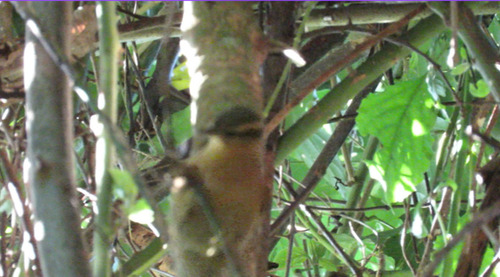
スナイロマユカマドドリ (Anabacerthia lichtensteini) スナイロマユカマドドリ
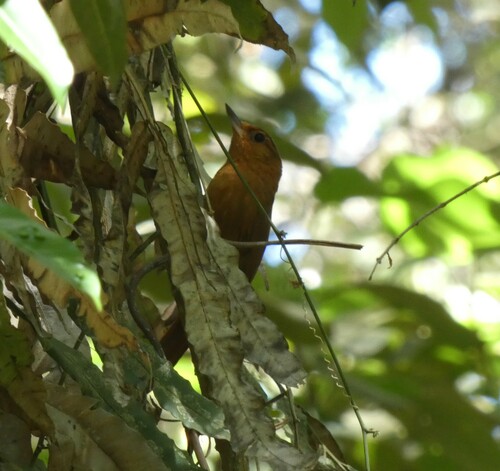
チャイロマユカマドドリ (Syndactyla dimidiata) チャイロマユカマドドリ

メディア

読み込み中…

要点

スナイロマユカマドドリとチャイロマユカマドドリ (プラナルト) の間で最も信頼できるフィールドマークは顔のパターンです:スナイロマユカマドドリは鋭く定義された淡いスーパシリウムとオクラ色のアイリングを示し、チャイロマユカマドドリはより深い赤褐色の顔を持ち、より拡散した豊かなスーパシリウムがあります。幼鳥の羽色は異なります:スナイロマユカマドドリの幼鳥は灰色の先端を持ち、あまり均一でない腹部を持つのに対し、チャイロマユカマドドリの幼鳥は白っぽい喉と茶色の縞模様のある胸を示します。構造的には、チャイロマユカマドドリは重く、より長く尖ったくちばしを持っています。両種は全体的な形状と尾の色は似ていますが、すべての年齢における頭のパターンと腹部の色に注意を払うことが重要です。生息地の重複は重要であるため、文脈だけでは信頼できません。

識別のコツ

  1. Face pattern (all ages): スナイロマユカマドドリは鋭く定義された淡いオクラ色のスーパシリウムとアイリングを示し、暗い褐色の後眼帯と鈍い赤褐色の耳羽を持っています。チャイロマユカマドドリはより豊かで深い赤褐色の顔を持ち、スーパシリウムと耳羽が全体の顔の色に溶け込み、鋭い定義が欠けています。
  2. Juvenile underparts: スナイロマユカマドドリの幼鳥は灰色の先端を持つ斑点模様の腹部を持ち、チャイロマユカマドドリの幼鳥は白っぽい喉と茶色の縞模様のある胸を持っています—縞模様のある胸の幼鳥を見たら、それはチャイロマユカマドドリです。
  3. Bill shape: スナイロマユカマドドリは短いくさび形のくちばしを持ち(属内で最も短い)、チャイロマユカマドドリのくちばしは長く、より尖っています。これは横から見るか、鳥が餌を食べているときに最もよく判断できます。
  4. Bill color: スナイロマユカマドドリのくちばしは上が灰色がかった茶色で、下が淡い灰色です;チャイロマユカマドドリのくちばしは上が暗い茶色で、下が角質色でピンクがかった基部を持っています。微妙ですが、良い光の中で役立つことがあります。
  5. Crown and back color: スナイロマユカマドドリは曖昧な淡い縞模様のある鈍い灰色の茶色の冠と赤褐色の背中を持っています。チャイロマユカマドドリの冠と背中は明るい赤褐色でシナモン色の色合いがあり、全体的に暖かく見えることがよくあります。
  6. Tail color: 両種は赤褐色の尾を持っていますが、チャイロマユカマドドリの尾は赤褐色の栗色と表現され、時には少し明るいトーンを持っています。常に信頼できるわけではありませんが、他のマークをサポートすることができます。
  7. Wing pattern: 両者は赤褐色の翼を持っていますが、チャイロマユカマドドリの初列羽は明るい縁を持ち、良い光の中や飛行中に見えることがあります。
  8. Underpart color (adults): スナイロマユカマドドリの腹部はオクラ色のバフで、喉と上胸が最も明るく、下は鈍いオクラ色のバフです。チャイロマユカマドドリの腹部は無地のオクラ色の赤褐色で、胸に淡い縞模様があり、側面にはオリーブ色の色合いがあります。
  9. Size and structure: 直接比較すると、チャイロマユカマドドリは重く(29 g 対 21 g)見えることがあり、特に頭部とくちばしの周りでより大きく見えることがあります。長さの重複は重要ですが、スナイロマユカマドドリは下限で特に小さくなることがあります。
  10. Leg and foot color: スナイロマユカマドドリは緑がかった灰色の脚と足を持ち、チャイロマユカマドドリはオリーブ色です。微妙ですが、近距離で役立つことがあります。
  11. Iris color: 両者は茶色の虹彩を持っており—これは区別にはなりません。
  12. Sex differences: 両種は性別的に単形であり、性別を区別として使用しないでください。
  13. Habitat: 両種は生息地と範囲が重なり、識別のために場所だけに頼らないでください。
  14. Vocalizations: 'tsjek'の音の連続を聞いた場合、上昇し、つまずくような音や、大きな鼻声の'cheh'を聞いた場合、あなたはおそらくチャイロマユカマドドリを聞いています。歌の不在は診断的ではありません。
  15. Pitfalls: 微妙な顔と腹部の色の違いを隠す照明条件に注意してください。幼鳥の羽色は特に分離に重要です—縞模様のある胸(チャイロマユカマドドリ)と灰色の先端を持つ斑点模様の腹部(スナイロマユカマドドリ)を探してください。

大きさ

チャイロマユカマドドリはスナイロマユカマドドリよりも一貫して大きく、重いです:平均成鳥の質量は29 g 対 21 gで、両種は約17 cmの長さですが、スナイロマユカマドドリは15 cmまで小さくなることがあります。フィールドでは、チャイロマユカマドドリは特に頭部とくちばしの周りでより大きく見えることがあります。くちばしの形状も手がかりです:スナイロマユカマドドリは属内で最も短いくさび形のくちばしを持ち、チャイロマユカマドドリのくちばしは長く、より尖っています。

羽色

行動

両種は森林の下層から中層で餌を探し、しばしばペアや混合群で、葉の間を移動し、節足動物を探ります。フィールドで診断的な強い行動の違いは、情報源には記載されていません。

生息環境

両種はブラジルとパラグアイに生息し、スナイロマユカマドドリはアルゼンチンにも達します。彼らは低地の熱帯常緑樹林とギャラリー林を共有し、両者は木の生えたセラードでも見られます。チャイロマユカマドドリは珍しく、攪乱に敏感であるとされていますが、生息地の重複は重要であり、信頼できるフィールドマークではありません。

声

チャイロマユカマドドリの声のみが記載されています:その歌は' tsjek 'の音の連続で、開始と終了時に上昇し、つまずくような音であり、その呼び声は大きな鼻声の' cheh 'です。提供されたメモにはスナイロマユカマドドリの音声の記述はないため、チャイロマユカマドドリの独特の歌が聞かれない限り、声は信頼できる区別にはなりません。

より良い説明を送る

比較と同じ項目を使ってください。文章はすぐに公開されます。

The most reliable field mark between Ochre-breasted and Russet-mantled (Planalto) Foliage-gleaners is the face pattern: Ochre-breasted shows a sharply defined pale supercilium and ochraceous eye ring, while Russet-mantled has a deeper rufescent-orange face with a more diffuse, richer supercilium. Juvenile plumages differ: Ochre-breasted juveniles have gray-tipped, less uniform underparts, while Russet-mantled juveniles show a whitish throat and brown-barred breast. Structurally, Russet-mantled is heavier and has a longer, more pointed bill. Both species are similar in overall shape and tail color, but careful attention to head pattern and underpart color in all ages is key. Habitat overlap is significant, so context alone is not reliable.

  1. Face pattern (all ages): Ochre-breasted shows a sharply defined pale ochraceous supercilium and eye ring, with a dark brownish post-ocular stripe and dull rufous-ochre ear coverts. Russet-mantled has a richer, deeper rufescent-orange face, with the supercilium and ear coverts blending into the overall face color and lacking sharp definition.
  2. Juvenile underparts: Ochre-breasted juveniles have gray-tipped, mottled underparts, while Russet-mantled juveniles have a whitish throat and brown-barred breast—if you see a barred-breasted juvenile, it's Russet-mantled.
  3. Bill shape: Ochre-breasted has a short, wedge-shaped bill (shortest in its genus), while Russet-mantled's bill is longer and more pointed. This is best judged in profile or when the bird is feeding.
  4. Bill color: Ochre-breasted's bill is brownish gray above and light gray below; Russet-mantled's is dark brown above, horn-colored below with a pinkish base. Subtle, but can help in good light.
  5. Crown and back color: Ochre-breasted has a dull gray-brown crown with vague pale streaks and a rufescent brown back. Russet-mantled's crown and back are brighter rufescent brown with a cinnamon tinge, often appearing warmer overall.
  6. Tail color: Both species have rufous tails, but Russet-mantled's is described as rufous-chestnut, sometimes with a slightly brighter tone. Not always reliable, but can support other marks.
  7. Wing pattern: Both have rufous brown wings, but Russet-mantled's primaries have brighter edges, which may be visible in good light or in flight.
  8. Underpart color (adults): Ochre-breasted's underparts are ochraceous buff, brightest on the throat and upper breast, duller below. Russet-mantled's are unmarked ochraceous rufous with faint pale streaks on the breast and an olive cast on the flanks.
  9. Size and structure: In direct comparison, Russet-mantled is heavier (29 g vs 21 g) and may appear bulkier, especially in the head and bill. Length overlap is significant, but Ochre-breasted can be notably smaller at the lower end.
  10. Leg and foot color: Ochre-breasted has greenish gray legs and feet; Russet-mantled's are olive. Subtle, but can help at close range.
  11. Iris color: Both have brown irises—this is not a separator.
  12. Sex differences: Both species are sexually monomorphic; do not use sex as a separator.
  13. Habitat: Both species overlap in habitat and range; do not rely on location alone for identification.
  14. Vocalizations: If you hear a series of 'tsjek' notes, ascending and stuttering, or a loud nasal 'cheh', you are likely hearing Russet-mantled. Absence of song is not diagnostic.
  15. Pitfalls: Beware of lighting conditions that can obscure subtle face and underpart color differences. Juvenile plumages are especially important for separation—look for barred breasts (Russet-mantled) versus gray-tipped, mottled underparts (Ochre-breasted).

Russet-mantled Foliage-gleaner is consistently larger and heavier than Ochre-breasted: 29 g vs 21 g average adult mass, and both species are about 17 cm in length, but Ochre-breasted can be as small as 15 cm. In the field, Russet-mantled may appear bulkier, especially around the head and bill. Bill shape is also a clue: Ochre-breasted has the shortest, wedge-shaped bill in its genus, while Russet-mantled's bill is longer and more pointed.

  • Juveniles: Ochre-breasted juveniles have less uniformly colored underparts with grayish tips, giving a mottled look below. Russet-mantled juveniles have a distinctive whitish throat and brown bars across the breast, which is unique among these two and diagnostic if seen well.
  • Adults: Ochre-breasted adults show a sharply defined, pale ochraceous supercilium and eye ring, with a dull gray-brown crown and rufescent brown back. The throat and upper breast are bright ochraceous buff, with the rest of the underparts duller ochraceous buff. Russet-mantled adults have a richer, deeper rufescent-orange face, especially on the supercilium and ear coverts, a cinnamon-tinged rufescent brown crown and back, and unmarked ochraceous rufous underparts with faint pale streaks on the breast and an olive cast on the flanks. The tail in both is rufous to rufous-chestnut, but Russet-mantled's is described as rufous-chestnut and the wings have brighter edges on the primaries. Bill color also differs subtly: Ochre-breasted has a brownish gray maxilla and light gray mandible, while Russet-mantled has a dark brown maxilla and a horn-colored mandible with a pinkish base.

Both species forage in the forest understory to mid-story, often in pairs or mixed flocks, moving through foliage and probing for arthropods. There is no strong behavioral difference noted in the sources that is diagnostic in the field.

Both species occur in Brazil and Paraguay, with Ochre-breasted also reaching Argentina. They share lowland tropical evergreen forest and gallery forest, and both can be found in wooded cerrado. Russet-mantled is noted as rare and sensitive to disturbance, but habitat overlap is significant and not a reliable field mark.

Only Russet-mantled's voice is described: its song is a series of 'tsjek' notes, ascending and stuttering at the start and end, and its call is a loud, nasal 'cheh'. There is no vocal description for Ochre-breasted in the provided notes, so voice is not a reliable separator unless Russet-mantled's distinctive song is heard.

変更を破棄しますか?

保存していない編集があります。今離れると失われます。

スナイロマユカマドドリ · チャイロマユカマドドリ · 苦手な鳥