

Motmot

シロハラシマアカゲラ 対 シマアカゲラ

Dryobates nuttallii 対 Dryobates scalaris

シロハラシマアカゲラとシマアカゲラのクイズ
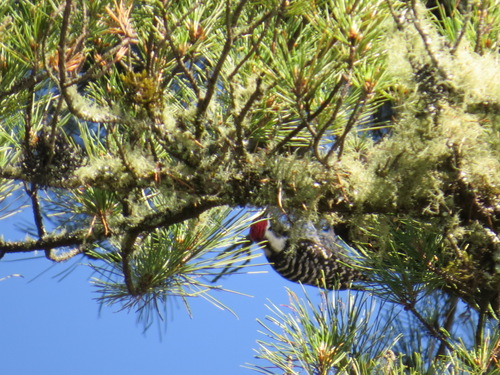
シロハラシマアカゲラ (Dryobates nuttallii) シロハラシマアカゲラ
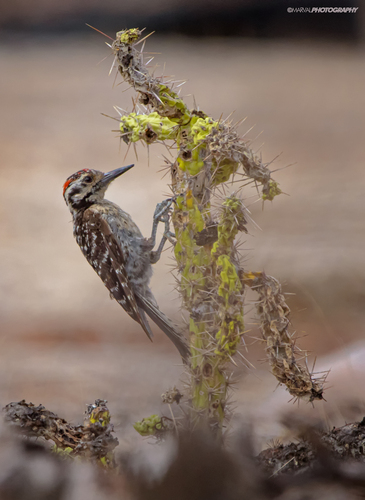
シマアカゲラ (Dryobates scalaris) シマアカゲラ

メディア

読み込み中…

要点

ナッタルズシマアカゲラとシマアカゲラの最も信頼できるフィールドマークは、頭部と上背部の黒のパターンと量です:ナッタルズは頭頂部により広範囲な黒を示し、背中の上部には固体の黒い斑点がありますが、シマアカゲラは頭部と上背部に黒が少なく、白によって黒がより分断されています。両種は似たような黒と白の縞模様の翼と背中を持っていますが、ナッタルズは特に止まっているときに固体の黒い上背部を示す可能性が高いです。両種の幼いオスは頭頂部に赤を示しますが、頭の縞模様の範囲とパターンが役立つことがあります。サイズはフィールドでの強い区別要因ではありませんが、ナッタルズは平均的に重いです。生息地はしばしば手がかりになります:ナッタルズはカリフォルニアのオーク林に関連していますが、シマアカゲラは南東の乾燥した茂みの多い生息地を好みます。

識別のコツ

  1. Head pattern: ナッタルズは額と頭頂部により広範囲な黒を示し、側面には白い縞があります;シマアカゲラは頭部に黒が少なく、頭頂部と後頭部を白がより分断しています。これはすべての年齢の止まっている鳥にとって最も信頼できるフィールドマークです。
  2. Upper back (mantle): ナッタルズは背中の上部に固体の黒い斑点がありますが、シマアカゲラの背中はより均等に縞模様があり、固体の黒い部分はほとんどありません。鳥が止まっているときや登っているときにこれを探してください。
  3. Back barring: 両種は黒と白の縞模様の背中を持っていますが、ナッタルズの縞模様は固体の黒い上背部によって中断されており、シマアカゲラの縞模様はより均一ではしごのようです。
  4. Underparts: 両種は白い腹部にいくつかの黒い斑点がありますが、シマアカゲラは側面により多くの黒い斑点を示し、南部の個体ではより暗いまたはクリーム色の洗いが見られることがよくあります。ナッタルズは下部がよりクリーンな白で、斑点が少ないです。
  5. Rump: シマアカゲラの尻は黒い斑点があります;ナッタルズはここでのマークがあまり明確ではありませんが、これは微妙で常に見えるわけではありません。
  6. Crown patch (sex/age): 両種の成鳥のオスは赤い頭頂部の斑点を持っています;メスはこれを欠いています。両種の幼いオスは赤を示しますが、ナッタルズの幼鳥はしばしば頭により多くの白い縞模様があります。
  7. Bill size: 南部のシマアカゲラの個体群は小さなくちばしを持つことがありますが、これは変動があり、ほとんどの範囲では信頼できるフィールドマークではありません。
  8. Habitat: ナッタルズはほぼ常にカリフォルニアのオーク林にいます;シマアカゲラは乾燥した茂み、藪、砂漠に生息し、時にはカクタスを巣作りに使用します。特に狭い重複ゾーンの外では、生息地を強力な手がかりとして使用してください。
  9. Geography: カリフォルニアのオーク帯の外にいる場合、ほぼ確実にシマアカゲラです。カリフォルニア内では、生息地と頭のパターンを確認してください。
  10. Behavior: 両種は幹や枝を登りますが、シマアカゲラだけがカクタスの果実を食べたり、カクタスに巣を作ったりしているのが見られる可能性があります。
  11. Size: ナッタルズは平均的に重い(38.3 g 対 30.3 g)ですが、これはフィールドで簡単に判断できません。
  12. Voice: ナッタルズは柔らかい喘ぎ声を出し、あまり強くないラトル音を出します;これらの情報源ではシマアカゲラの特異な声の違いは記載されていません。
  13. Flight: 提供されたメモの中で、両種間の翼のパターンや飛行スタイルにおける診断的な違いは記載されていません。
  14. Juvenile plumage: 両種の幼鳥は成鳥に似ていますが、ナッタルズの幼鳥はしばしば頭により多くの白い縞模様を示します。
  15. Pitfalls: 両種は非常に似ており、重複ゾーンで交雑する可能性があります;常に頭のパターン、上背部、生息地の組み合わせを使用して最良の精度を得てください。

大きさ

ナッタルズシマアカゲラは平均的にわずかに重い(38.3 g 対 30.3 g シマアカゲラ)ですが、長さは重なります(ナッタルズ:16–18 cm;シマアカゲラ:16.5–19 cm)。フィールドでは、この違いは微妙で、鳥が並んでいない限り診断的ではありません。くちばしのサイズは、南部のシマアカゲラの一部でわずかに大きく見えることがありますが、これはほとんどの観察者にとって信頼できるマークではありません。

羽色

すべての年齢において、両種は黒と白の縞模様の背中と翼を示しますが、ナッタルズは背中の上部に固体の黒い斑点を持ち、シマアカゲラの背中の縞模様はより連続的で分断されています。止まっている鳥では、頭の黒の範囲を探してください:ナッタルズは額と頭頂部が黒で、側面には白い縞があり、固体の黒い上背部を持っています;シマアカゲラは頭部に黒が少なく、頭頂部と後頭部を白がより分断しています。両種の下部は白でいくつかの黒い斑点がありますが、シマアカゲラは側面により広範囲な黒い斑点を持ち、南部の個体ではよりクリーム色または暗いトーンを示す傾向があります。両種の幼いオスは頭にいくつかの赤を示しますが、ナッタルズの幼鳥はしばしば頭により多くの白い縞模様を持っています。飛行中、両種は似たような縞模様の翼と尾を示します;提供されたメモには、いずれの種の幼鳥または成鳥の診断的な上翼パターンについての言及はありません。

行動

両種は幹や枝を登ることで餌を探し、ジゴダクタイルの足と硬い尾を使って垂直に自分を支えます。ナッタルズはアリにアクセスするために樹皮を剥がすことで知られていますが、シマアカゲラは乾燥した地域でカクタスの果実も食べます。ドラム音と柔らかい喘ぎ声は、ナッタルズのペアボンディング中に典型的ですが、両種は木の中に巣穴を掘ったり、シマアカゲラの場合は時々カクタスの中に巣を掘ったりします。行動は生息地の文脈が考慮されない限り、強い区別要因ではありません。

生息環境

ナッタルズシマアカゲラはほぼ独占的にカリフォルニアのオーク林に生息し、この生息地から遠く離れることはほとんどありません。シマアカゲラは乾燥した茂みや藪、砂漠を好み、南西のアメリカ、メキシコ、中央アメリカに広がっています。カリフォルニア南部とバハ北部の小さな重複ゾーンでは、生息地が依然として手がかりになることがあります:ナッタルズはオークに固執し、シマアカゲラはより乾燥した茂みに固執します。カクタスの茂みや砂漠の藪でキツツキを見つけた場合、ほぼ確実にシマアカゲラです;成熟したオーク林では、ナッタルズの可能性が高いです。

声

ナッタルズシマアカゲラはペアボンディング中に柔らかい喘ぎ声を出し、領土のためにあまり強くないラトル音を出します。提供されたメモではシマアカゲラの特定の声の違いは記載されておらず、両種はドラム音を出します。声はこれらの情報源に基づいて信頼できる区別要因ではありません。

より良い説明を送る

比較と同じ項目を使ってください。文章はすぐに公開されます。

The most reliable field mark between Nuttall's and Ladder-backed Woodpeckers is the pattern and amount of black on the head and upper back: Nuttall's shows more extensive black on the crown and a solid black patch at the top of the back, while Ladder-backed has less black on the head and upper back, with the black more broken up by white. Both species have similar black-and-white barred wings and backs, but Nuttall's is more likely to show a solid black upper back, especially when perched. Juvenile males of both species show some red on the crown, but the extent and pattern of head streaking can help. Size is not a strong separator in the field, but Nuttall's averages heavier. Habitat is often a clue: Nuttall's is tied to California oak woodlands, while Ladder-backed prefers drier, brushier habitats further south and east.

  1. Head pattern: Nuttall's shows more extensive black on the forehead and crown, with white streaks on the sides; Ladder-backed has less black on the head, with more white breaking up the crown and nape. This is the most reliable field mark for perched birds of all ages.
  2. Upper back (mantle): Nuttall's has a solid black patch at the top of the back, while Ladder-backed's back is more evenly barred, with little or no solid black area. Look for this when the bird is perched or climbing.
  3. Back barring: Both species have black-and-white barred backs, but Nuttall's barring is interrupted by the solid black upper back, while Ladder-backed's is more uniform and ladder-like.
  4. Underparts: Both have white underparts with some black spotting, but Ladder-backed often shows more black speckling on the flanks and a duskier or buffier wash in southern populations. Nuttall's is cleaner white below with fewer spots.
  5. Rump: Ladder-backed's rump is speckled with black; Nuttall's is less distinctly marked here, but this is subtle and not always visible.
  6. Crown patch (sex/age): Adult males of both species have a red crown patch; females lack it. Juvenile males of both show some red, but Nuttall's juveniles often have more white streaking on the head.
  7. Bill size: Southern Ladder-backed populations may have a smaller bill, but this is variable and not a reliable field mark in most of the range.
  8. Habitat: Nuttall's is nearly always in California oak woodlands; Ladder-backed is in dry brush, thickets, and desert, sometimes using cacti for nesting. Use habitat as a strong supporting clue, especially outside the narrow overlap zone.
  9. Geography: If you are outside California's oak belt, it's almost certainly Ladder-backed. Within California, check habitat and head pattern.
  10. Behavior: Both species climb trunks and branches, but only Ladder-backed is likely to be seen feeding on cactus fruit or nesting in cacti.
  11. Size: Nuttall's averages heavier (38.3 g vs. 30.3 g), but this is not easily judged in the field.
  12. Voice: Nuttall's gives soft wheezing calls and less intense rattles; no distinctive vocal difference is noted for Ladder-backed in these sources.
  13. Flight: No diagnostic differences in wing pattern or flight style are noted between the two species in the provided notes.
  14. Juvenile plumage: Both species' juveniles resemble adults, but Nuttall's juveniles often show more white streaking on the head.
  15. Pitfalls: Both species are very similar and can hybridize in the overlap zone; always use a combination of head pattern, upper back, and habitat for best accuracy.

Nuttall's Woodpecker is slightly heavier on average (38.3 g vs. 30.3 g for Ladder-backed), but their lengths overlap (Nuttall's: 16–18 cm; Ladder-backed: 16.5–19 cm). In the field, this difference is subtle and rarely diagnostic unless birds are side by side. Bill size may appear slightly larger on some southern Ladder-backed, but this is not a reliable mark for most observers.

For all ages, both species show black-and-white barred backs and wings, but Nuttall's has a solid black patch at the top of the back (mantle), while Ladder-backed's back barring is more continuous and broken up. On perched birds, look for the extent of black on the head: Nuttall's has a black forehead and crown with white streaks on the sides, and a solid black upper back; Ladder-backed has less black on the head, with more white breaking up the crown and nape. Underparts are white with some black spotting in both, but Ladder-backed tends to have more extensive black speckling on the flanks and a creamier or duskier tone in southern birds. Juvenile males of both species show some red on the crown, but Nuttall's juveniles often have more white streaking on the head. In flight, both show similar barred wings and tails; there is no mention of a diagnostic upperwing pattern for juveniles or adults in either species from the provided notes.

Both species forage by climbing trunks and branches, using their zygodactyl feet and stiff tails to brace themselves vertically. Nuttall's is noted for peeling bark to access ants, while Ladder-backed also feeds on cactus fruit in arid regions. Drumming and soft wheezing calls are typical for Nuttall's during pair bonding, but both species drum and excavate nest cavities in trees or, for Ladder-backed, sometimes in cacti. Behavior is not a strong separator unless habitat context is considered.

Nuttall's Woodpecker is almost exclusively found in oak woodlands of California, rarely straying far from this habitat. Ladder-backed Woodpecker prefers dry, brushy areas and thickets, ranging across the southwestern US, Mexico, and into Central America. In the small overlap zone in southern California and northern Baja, habitat can still be a clue: Nuttall's sticks to oaks, Ladder-backed to drier scrub. If you find a woodpecker in a cactus patch or desert thicket, it's almost certainly Ladder-backed; in a mature oak woodland, it's likely Nuttall's.

Nuttall's Woodpecker gives soft wheezing calls during pair bonding and less intense rattle calls for territory. No specific vocal differences are described for Ladder-backed in the provided notes, and both species drum. Voice is not a reliable separator based on these sources.

変更を破棄しますか?

保存していない編集があります。今離れると失われます。

シロハラシマアカゲラ · シマアカゲラ · 苦手な鳥