

Motmot

ハシビロガモ 対 ショウドウツバメ

Spatula clypeata 対 Riparia riparia

ハシビロガモとショウドウツバメのクイズ
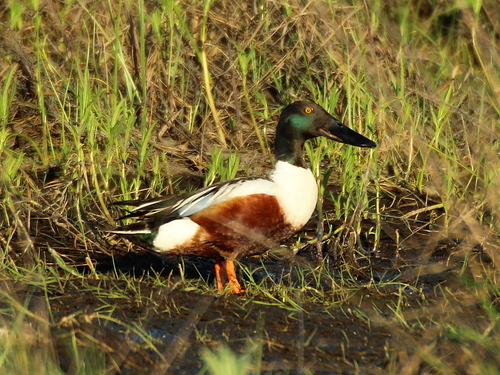
ハシビロガモ (Spatula clypeata) ハシビロガモ
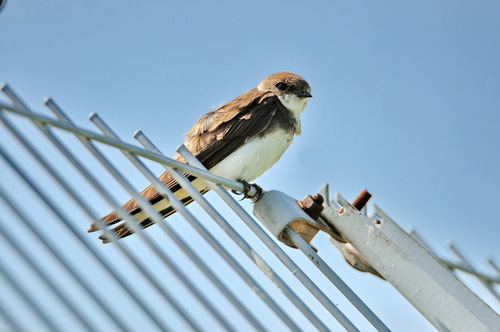
ショウドウツバメ (Riparia riparia) ショウドウツバメ

メディア

読み込み中…

要点

マガモとショウドウツバメをあらゆる羽色や年齢で区別する最も信頼できる方法は、構造によるものです:マガモの巨大でスプーン状のくちばしは、カモの中で独特であり、ショウドウツバメの小さく尖ったくちばしとは全く異なります。飛行中、未熟なマガモでさえも広く丸い翼と重い体を示し、ショウドウツバメは小さく、細長く、素早い翼を持っています。雌や日食羽色のマガモは鈍い茶色に見えることがありますが、常に大きなくちばしとオレンジ色の脚を持っています。ショウドウツバメはカモのようなシルエットを示すことは決してなく、狭い胸の帯を持つ茶色と白の羽色はツバメの中で特異です。もし不明な場合は、まずくちばしの形と飛行スタイルに注目し、その後マガモのオレンジ色の脚やショウドウツバメの胸の帯を確認してください。

識別のコツ

  1. Bill shape: マガモは巨大で広いスプーン状のくちばしを持っています(すべての年齢/性別);ショウドウツバメは小さく尖ったくちばしを持っています。これは最も信頼できる特徴です。
  2. Leg color: マガモの脚は明るいオレンジ色(両性、すべての年齢);ショウドウツバメの脚は茶色で目立つことはありません。
  3. Wing pattern in flight: マガモ(すべての年齢)は、特にオスにおいて明らかな淡い青の前翼パネルと、白で縁取られた緑の鏡を示します;ショウドウツバメはパネルや虹色のない平坦な茶色の上翼を持っています。
  4. Breast band: ショウドウツバメ(すべての年齢)は白い胸に狭い茶色の帯を持っています;マガモは胸の帯を示しません。
  5. Body shape and size: マガモは大きく、重く、広い翼を持っています;ショウドウツバメは小さく、細身で、短い翼を持っています。
  6. Flight style: マガモは安定した直接的な翼の打撃で飛び、重く見えます;ショウドウツバメは素早く、機敏で、飛行中に不規則です。
  7. Plumage confusion: 雌や日食のマガモは鈍い茶色に見えることがありますが、常に大きなくちばしとオレンジ色の脚を持っています;ショウドウツバメは常に上が茶色、下が白で、胸の帯を持っています。
  8. Perching and behavior: ショウドウツバメはワイヤーや垂直の土手に止まります;マガモは地面や水の中にしか止まりません。
  9. Habitat: マガモは常に水の上または近くにいます(湿地、湖);ショウドウツバメは空中にいて、しばしば水の上にいますが、決して泳いだり水面で遊んだりしません。
  10. Juvenile marks: 若いショウドウツバメは翼の覆羽と二次羽に赤褐色の先端を持っていますが、これは微妙でマガモには見られません。
  11. Voice: ショウドウツバメは飛行中にざらざらしたツイッター音を出します;マガモはほとんど静かです。
  12. Sex/season: 繁殖羽色のオスのマガモは緑の頭、白い胸、栗色の側面で目を引きます;雌や日食のオスは鈍いですが、依然としてくちばしと翼のパターンを持っています。
  13. Group context: ショウドウツバメは巣作りの土手の近くで特に群れを成すことが多い;マガモは水の上で小さな群れやペアで見られます。
  14. Feeding behavior: マガモは水の上でくちばしを左右に振ります;ショウドウツバメは空中で昆虫を捕まえます。
  15. Pitfalls: 鈍い雌や日食のマガモは遠くから茶色の小鳥と間違えられることがありますが、くちばしとサイズが常にそれを明らかにします。ショウドウツバメは水の上やカモのようなくちばしで見られることはありません。

大きさ

マガモは大きな水面を泳ぐカモで、長さは44–52 cm、翼幅は70–84 cm、体重は500–800 gです [wikipedia][avonet]。対照的に、ショウドウツバメは小さなツバメで、長さは12–13 cm、翼幅は26.5–29 cm、体重はわずか11–16 g(移動前は最大19.5 g)です [wikipedia][avonet]。マガモはショウドウツバメの3倍以上の長さで、体重は最大50倍です。遠くから見ても、マガモはどのツバメよりもずっと大きく、重く見えます。

羽色

若いショウドウツバメと未熟なショウドウツバメは翼の覆羽と二次羽に赤褐色の先端を持っていますが、常に茶色の背中、白い腹部、すべての年齢に存在する狭い茶色の胸の帯を示します。飛行中、彼らの上面は平坦な茶色で、対照的な翼のパネルや鏡はありません。マガモの雌や日食のオスは上と下がまだらの茶色で、雌のマガモに似ていますが、飛行中には淡い青の前翼を示し(すべての年齢/性別)、くちばしは常に広くスプーン状です。繁殖羽色のオスのマガモは、暗い緑の頭、白い胸、栗色の側面を持ち、目を引く淡い青の前翼と白で縁取られた緑の鏡を持っています。雌のマガモは鈍い灰色の前翼を持ち、オスの強いコントラストは欠けていますが、飛行中には青灰色のトーンを示します。ショウドウツバメは決して青や緑の翼のパネルやカモのようなパターンを示しません。

行動

マガモは水面を泳ぐことが多い水面を泳ぐカモで、食べ物をこしらえるためにくちばしを左右に振ることが多く、地面や浅い水以外ではほとんど止まりません。飛行は安定して直接的で、広く丸い翼と重い体を持っています。ショウドウツバメは非常に空中性のツバメで、ほぼ常に素早く不規則な翼の打撃で飛んでいるのが見られ、群れで見られることが多く、巣作りの土手の近くのワイヤーや垂直の表面に止まります。ショウドウツバメは決して水面で遊んだり泳いだりせず、マガモは決してツバメのような飛行を示したり、ワイヤーに止まったりしません。

生息環境

マガモは泥底の湿地、湖、湿地帯に生息し、豊富な水生無脊椎動物がいます。水から離れているのはめったに見られません。ショウドウツバメは川、湖、または海岸の近くの砂の土手で繁殖し、巣穴を掘り、しばしば水面や田畑の上で餌を取るのが見られますが、水面自体では見られません。もし泳いだり遊んだりしている鳥を見たら、それはショウドウツバメではありません;高く飛んで昆虫を捕まえているなら、それはマガモではありません。

声

ショウドウツバメは飛行中に連続したざらざらしたツイッター音を出し、脅威を感じたときには厳しい警報音を出します。マガモは一般的に静かで、提供された情報源には特有の鳴き声は記載されていません。もしツイッター音の群れを聞いたら、それはショウドウツバメです;マガモはほとんど静かです。

より良い説明を送る

比較と同じ項目を使ってください。文章はすぐに公開されます。

The most reliable way to separate Northern Shoveler from Sand Martin in any plumage or age is by structure: the shoveler’s huge, spatulate bill is unique among ducks and utterly unlike the tiny, pointed bill of a sand martin. In flight, even immature shovelers show broad, rounded wings and a heavy body, while sand martins are small, slender, and quick-winged. Female and eclipse-plumage shovelers can look dull brown, but always have the oversized bill and orange legs. Sand martins never show any hint of a duck-like silhouette, and their brown-and-white plumage with a narrow breast band is distinctive among swallows. If you’re unsure, focus first on bill shape and flight style, then check for the shoveler’s orange legs or the martin’s breast band.

  1. Bill shape: Shoveler has a huge, broad, spatulate bill (all ages/sexes); sand martin has a tiny, pointed bill. This is the single most reliable mark.
  2. Leg color: Shoveler’s legs are bright orange-red (both sexes, all ages); sand martin’s legs are brown and never conspicuous.
  3. Wing pattern in flight: Shoveler (all ages) shows a pale blue forewing panel, especially obvious in males, and a green speculum bordered by white; sand martin has plain brown upperwings with no panels or iridescence.
  4. Breast band: Sand martin (all ages) has a narrow brown band across the white breast; shoveler never shows any breast band.
  5. Body shape and size: Shoveler is large, heavy, and broad-winged; sand martin is small, slim, and short-winged.
  6. Flight style: Shoveler flies with steady, direct wingbeats and appears heavy; sand martin is quick, agile, and jerky in flight.
  7. Plumage confusion: Female and eclipse shoveler can look dull brown, but always have the big bill and orange legs; sand martin is always brown above, white below, with the breast band.
  8. Perching and behavior: Sand martin perches on wires or vertical banks; shoveler only perches on the ground or in water.
  9. Habitat: Shoveler is always on or near water (marshes, lakes); sand martin is aerial, often over water but never swimming or dabbling.
  10. Juvenile marks: Young sand martins have rufous-tipped wing coverts and secondaries, but this is subtle and not seen in shovelers.
  11. Voice: Sand martin gives a gravelly twittering in flight; shoveler is mostly silent.
  12. Sex/season: Male shovelers in breeding plumage are striking with green head, white breast, chestnut flanks; females and eclipse males are duller but still have the bill and wing pattern.
  13. Group context: Sand martins often in flocks, especially near nesting banks; shovelers in small groups or pairs on water.
  14. Feeding behavior: Shoveler swings bill side-to-side on water; sand martin catches insects in the air.
  15. Pitfalls: Dull female/eclipse shovelers can be mistaken for brown passerines at a distance, but bill and size always give them away. Sand martins are never seen on water or with a duck-like bill.

Northern Shoveler is a large dabbling duck: 44–52 cm long, wingspan 70–84 cm, and weighs 500–800 g [wikipedia][avonet]. In contrast, Sand Martin is a tiny swallow: 12–13 cm long, wingspan 26.5–29 cm, and weighs only 11–16 g (up to 19.5 g pre-migration) [wikipedia][avonet]. The shoveler is more than three times the length and up to 50 times the weight of a sand martin. Even a distant shoveler will appear much bulkier and heavier than any swallow.

Juvenile and immature sand martins have rufous tips to the wing coverts and margins to the secondaries, but always show a brown back, white underparts, and a narrow brown breast band, which is present in all ages. In flight, their upperparts remain plain brown, lacking any contrasting wing panels or speculum. Northern Shoveler females and eclipse males are mottled brown above and below, similar to female mallards, but show a pale blue forewing in flight (all ages/sexes), and the bill is always broad and spatulate. Adult male shovelers in breeding plumage are unmistakable with a dark green head, white breast, and chestnut flanks, plus a striking pale blue forewing and green speculum bordered by white. Female shovelers have a duller, grey forewing and lack the strong contrast of the male, but still show the blue-grey tones in flight. No sand martin ever shows a blue or green wing panel or any duck-like pattern.

Northern Shoveler is a dabbling duck, usually seen swimming on water, often swinging its bill side-to-side to strain food, and rarely perches except on the ground or in shallow water. Its flight is steady and direct, with broad, rounded wings and a heavy body. Sand Martin is a highly aerial swallow, almost always seen flying with quick, jerky wingbeats, often in flocks, and perches on wires or vertical surfaces near nesting banks. Sand martins never dabble or swim, and shovelers never exhibit swallow-like flight or perch on wires.

Shovelers are found on mud-bottomed marshes, lakes, and wetlands, often with abundant aquatic invertebrates. They are rarely seen away from water. Sand Martins breed in sandy banks near rivers, lakes, or coasts, where they dig nest burrows, and are often seen feeding over open water or fields, but never on the water itself. If you see a bird swimming or dabbling, it is not a sand martin; if it is flying high and catching insects, it is not a shoveler.

Sand Martin gives a continuous, gravelly twittering in flight and a harsh alarm when threatened. Northern Shoveler is generally quiet, with no distinctive call noted in the provided sources. If you hear a twittering flock, it is sand martins; shovelers are mostly silent.

変更を破棄しますか?

保存していない編集があります。今離れると失われます。

ハシビロガモ · ショウドウツバメ · 苦手な鳥