

Motmot

オナガガモ 対 スナバシリ

Anas acuta 対 Cursorius cursor

オナガガモとスナバシリのクイズ
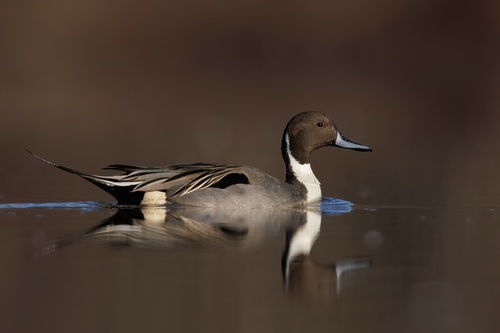
オナガガモ (Anas acuta) オナガガモ
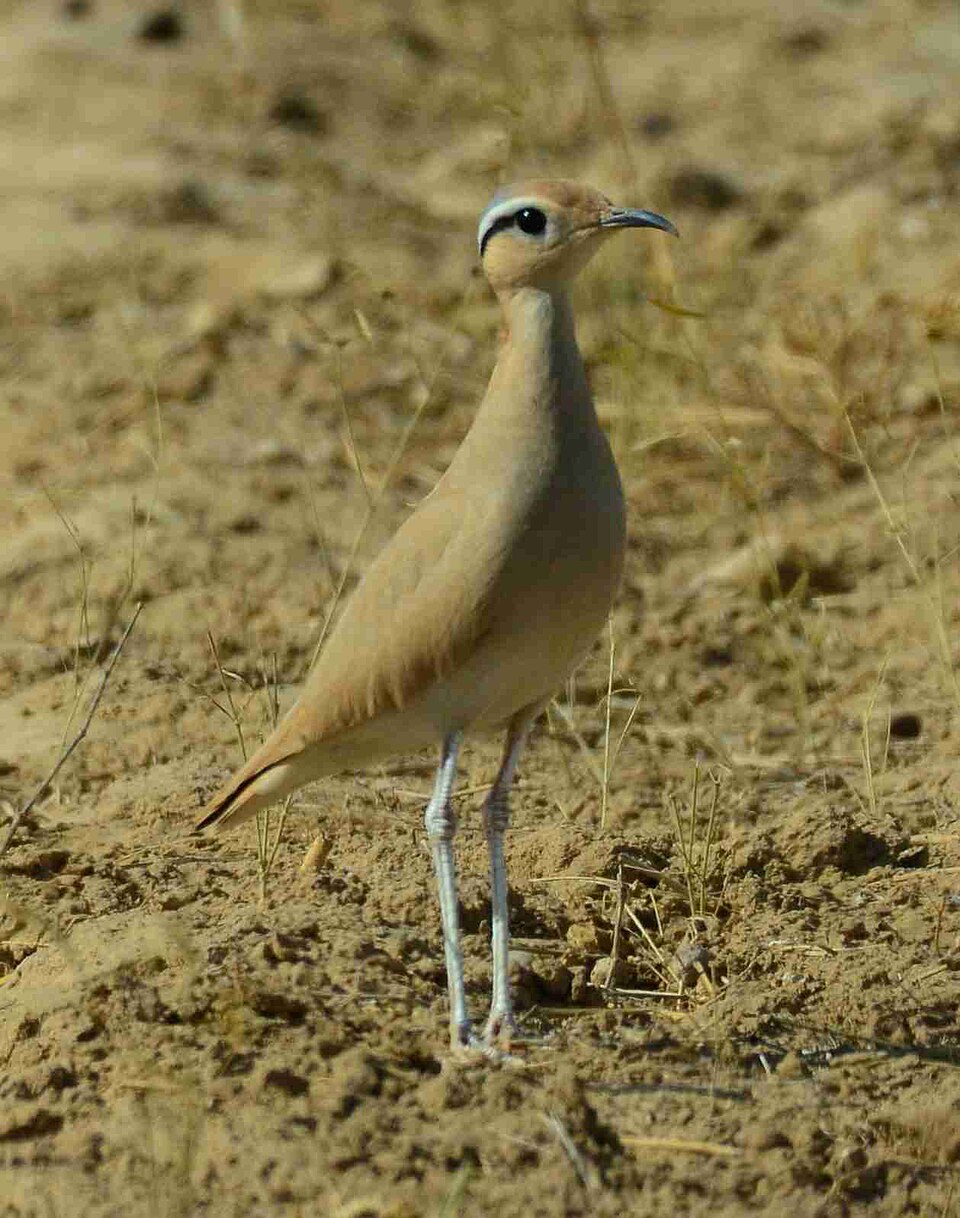
スナバシリ (Cursorius cursor) スナバシリ

メディア

読み込み中…

要点

オナガガモとスナバシリを区別するための最も信頼できるフィールドマークは、体の形と飛行パターンの組み合わせです:オナガガモは大きく、優雅なカモで、長い首と(オスは)尖った尾を持ち、スナバシリは細長く、長い脚を持つ、砂色の羽毛の水辺の鳥で、独特の走る歩き方と飛行中の黒い下羽があります。飛行中の幼鳥のオナガガモは、狭い後縁を持つ鈍い茶色のスペキュラムを示し、幼鳥のスナバシリは上面がまだらで、頭の模様があまりはっきりしていません。青灰色のくちばしと足を持つ鳥が泳いでいるか水面で餌を取っているのを見たら、それはオナガガモです;乾燥した地面で下向きのくちばしと淡い砂色のトーンで走っているのを見たら、それはスナバシリです。遠くからでも、オナガガモの細長い形とスナバシリの直立した長い脚の姿勢はすぐに異なります。

識別のコツ

  1. Flight pattern and wing markings (all ages): 飛行中、スナバシリは黒い外側の上羽と下羽を示し、これはオナガガモには決して見られません。飛行中のオナガガモは色付きのスペキュラムを示します(オス:黒に白い縁;メス:濃い茶色に白い縁)ですが、黒い下羽は決してありません。
  2. Juvenile plumage: 幼鳥のオナガガモは上面があまりきれいにスカロップされておらず、狭い後縁を持つ鈍い茶色のスペキュラムを持っています;幼鳥のスナバシリは上面が暗いまだらで、頭の模様があまりはっきりしていませんが、常に砂色の下羽を持ち、カモのようなスペキュラムは示しません。
  3. Body shape and posture: オナガガモは細長く、長い首と(オスは)長い尖った尾を持っています。スナバシリは直立しており、非常に長い脚、短い尾、そして水平なランナーのような姿勢を持っています。
  4. Bill shape and color: オナガガモはカモに典型的な広く平らな青灰色のくちばしを持っています;スナバシリは細長く、わずかに下向きのくちばしを持ち、青灰色ではありません。
  5. Leg color: オナガガモの脚と足は青灰色です;スナバシリの脚は淡い灰色ですが、はるかに長く、より高脚のようです。
  6. Tail: オスのオナガガモは非常に長く尖った中央の尾羽(最大10 cm)を持ち、これは独特の特徴です。メスのオナガガモは短いがまだ尖った尾を持っています。スナバシリは短く四角い尾を持っています。
  7. Head pattern (adult): スナバシリの成鳥は灰色の冠、黒い目のストライプ、そして目立つ白いスーパーシリウムを持っています;オナガガモのオスはチョコレート色の頭に白い首のストライプを持ち、メスはより均一な茶色です。
  8. Underparts: スナバシリは上面が砂色で、下面は白っぽいです;オナガガモのオスは白い下面を持ち、メスは茶色のまだらですが、決して砂色ではありません。
  9. Habitat: オナガガモは常に水の中または近くに見られます;スナバシリは乾燥した開けた半砂漠地域に見られ、湿地には決して見られません。
  10. Behavior: オナガガモは泳いで餌を取り、スナバシリは走って止まり、泳ぐことはほとんどありません。
  11. Size: オナガガモはスナバシリよりもはるかに大きく重いです;メスのオナガガモでさえスナバシリを圧倒します。
  12. Voice: オナガガモの声だけが記載されています;メスはクワックし、オスは笛のように鳴きます。スナバシリの鳴き声はここではカバーされていません。
  13. Seasonal confusion: 複製羽毛のオスのオナガガモはメスに似ていますが、オスの上羽の模様と長い肩羽を保持しています;スナバシリには比較可能な季節の変化はありません。
  14. Sex differences: 繁殖羽毛のオナガガモのオスは目立ちます;メスと複製のオスは鈍いですが、依然としてカモの構造と青灰色のくちばしを示します。スナバシリの性別は似ていますが、幼鳥は鈍く、よりまだらです。
  15. Common pitfalls: メスと幼鳥のオナガガモは他のカモと間違えられることがありますが、構造、 habitat、行動を考慮すればスナバシリとは間違えられません。スナバシリはその陸生の習性と砂色のため、フィールドで他のカモと混同されることはほとんどありません。

大きさ

オナガガモはスナバシリよりも劇的に大きく重いです:オナガガモは平均約945.5 gで、スナバシリはわずか129 gです。オナガガモは59–76 cmの長さ(オス)、翼幅は80–95 cmで、スナバシリは19–27 cmの長さと51–57 cmの翼幅です。メスのオナガガモでさえスナバシリを圧倒します。このサイズの差はフィールドで明らかで、特に地面や飛行中に見られるときに顕著です。

羽色

幼鳥のオナガガモはメスに似ていますが、上面があまりきれいにスカロップされておらず、翼の鈍い茶色のスペキュラムは狭い後縁を持っています—これは飛行中に見え、他のカモと区別するのに役立ちますが、スナバシリとは区別できません。幼鳥のスナバシリは上面が暗いまだらで、成鳥よりも鈍い頭の模様を持ち、鮮やかな黒い目のストライプと白いスーパーシリウムが欠けています。繁殖羽毛の成鳥のオナガガモのオスは間違いなく識別可能です:チョコレート色の頭、白い首のストライプ、長い尖った尾、青灰色のくちばし;メスは均一な灰色の茶色の頭と短い尾を持ちますが、長い首と青灰色のくちばしを示します。成鳥のスナバシリは上面が砂色で、下面は白っぽく、灰色の冠、黒い目のストライプ、白いスーパーシリウムを持っています;飛行中、成鳥と幼鳥の両方が黒い外側の上羽と下羽を示し、これはオナガガモには決して見られません。スナバシリの脚は淡い灰色ですが、オナガガモは青灰色の脚と足を持っています。複製(非繁殖)羽毛では、オナガガモのオスはメスに似ていますが、オスの上羽の模様と長い灰色の肩羽を保持しています。

行動

オナガガモは水面で餌を取るカモです:泳ぎが得意で、陸を歩き、水中で餌を取るために水面で餌を取ったり、逆さになったりします。泳ぎの姿勢は前傾で、首の根元が水に近いです。飛行中、オナガガモは速く、わずかに後ろに傾いた翼を持っています。スナバシリは陸生の水辺の鳥です:開けた地面を素早く走り、昆虫を狩り、泳いでいるのはほとんど見られません。飛行はリラックスしており、尖った翼と黒い下羽を持ち、プラティンコールに似ています。スナバシリの典型的な行動は走って止まることであり、泳いだり水面で餌を取ったりすることではありません。

生息環境

オナガガモは北半球の湿地、湖、沼地に見られ、温帯から亜寒帯地域で繁殖し、赤道まで南下して越冬します。常に水と関連しています。スナバシリは中東、北アフリカ、南アジアの一部の乾燥した開けた半砂漠地域に生息し、乾燥した砂地や石の多い地面を強く好み、水から遠く離れています。湿地で鳥を見つけたら、それはほぼ確実にオナガガモです;乾燥した開けた地面では、それはスナバシリです。

声

オナガガモのメスは粗いクワックを出し、オスは笛のような鳴き声を持っています。スナバシリの声は提供されたメモには記載されていないため、鳴き声はここでは信頼できる区別にはなりません。

より良い説明を送る

比較と同じ項目を使ってください。文章はすぐに公開されます。

The most reliable field mark for separating Northern Pintail from Cream-coloured Courser is the combination of body shape and flight pattern: pintails are large, elegant ducks with long necks and (in males) pointed tails, while coursers are slender, long-legged, sandy-plumaged waders with a distinctive running gait and black underwings in flight. Juvenile pintails in flight show a dull brown speculum with a narrow trailing edge, while juvenile coursers are mottled above and have less distinct head patterns. If you see a bird with a blue-grey bill and feet, swimming or dabbling, it's a pintail; if it's running on dry ground with a downcurved bill and pale sandy tones, it's a courser. Even at a distance, the pintail's elongated shape and the courser's upright, long-legged stance are immediately different.

  1. Flight pattern and wing markings (all ages): In flight, Cream-coloured Courser shows black outer upperwings and underwings, which are never present in Northern Pintail. Pintail in flight shows a colored speculum (male: black with white border; female: dark brown with white border), but never black underwings.
  2. Juvenile plumage: Juvenile pintails are less neatly scalloped above and have a duller brown speculum with a narrow trailing edge; juvenile coursers are mottled dark above and have a less distinct head pattern, but always sandy below and never show a duck-like speculum.
  3. Body shape and posture: Pintails are elongated, with long necks and (in males) long pointed tails. Coursers are upright, with very long legs, a short tail, and a horizontal, runner-like stance.
  4. Bill shape and color: Pintail has a broad, flat, blue-grey bill typical of ducks; courser has a slender, slightly downcurved bill, never blue-grey.
  5. Leg color: Pintail legs and feet are blue-grey; courser legs are pale grey, but much longer and more stilt-like.
  6. Tail: Male pintail has extremely long, pointed central tail feathers (up to 10 cm), a unique feature. Female pintail has a shorter but still pointed tail. Courser has a short, square tail.
  7. Head pattern (adult): Courser adults have a grey crown, black eyestripe, and striking white supercilium; pintail males have a chocolate-brown head with a white neck stripe, females are more uniform brown.
  8. Underparts: Courser is sandy above, whitish below; pintail males have white underparts, females are mottled brown but never sandy.
  9. Habitat: Pintail is always found in or near water; courser is found in dry, open, semi-desert areas, never in wetlands.
  10. Behavior: Pintail swims and dabbles; courser runs and pauses, rarely if ever swims.
  11. Size: Pintail is much larger and heavier than courser; even a female pintail dwarfs a courser.
  12. Voice: Only pintail's voice is described; female quacks, male whistles. Courser's call is not covered here.
  13. Seasonal confusion: Male pintail in eclipse plumage resembles female but keeps the male's upperwing pattern and long shoulder feathers; courser does not have a comparable seasonal change.
  14. Sex differences: Pintail males in breeding plumage are striking; females and eclipse males are duller but still show duck structure and blue-grey bill. Courser sexes are similar, but juveniles are duller and more mottled.
  15. Common pitfalls: Female and juvenile pintails can be mistaken for other ducks but not for coursers if structure, habitat, and behavior are considered. Coursers are unlikely to be confused with any duck in the field due to their terrestrial habits and sandy coloration.

Northern Pintail is dramatically larger and heavier than Cream-coloured Courser: pintail averages about 945.5 g, while the courser is only 129 g. Pintails are 59–76 cm long (males), with a wingspan of 80–95 cm, versus the courser's 19–27 cm length and 51–57 cm wingspan. Even a female pintail dwarfs a courser. This size gap is obvious in the field, especially when seen on the ground or in flight.

Juvenile Northern Pintails resemble females but are less neatly scalloped above and have a duller brown speculum with a narrower trailing edge in the wing—this is visible in flight and can help separate them from other ducks, but not from coursers. Juvenile Cream-coloured Coursers are mottled dark above and have a duller head pattern than adults, lacking the crisp black eyestripe and white supercilium. Adult pintail males in breeding plumage are unmistakable: chocolate-brown head, white neck stripe, long pointed tail, and blue-grey bill; females are mottled brown with a more uniform grey-brown head and shorter tail, but still show a long neck and blue-grey bill. Adult coursers are sandy above, whitish below, with a grey crown, black eyestripe, and white supercilium; in flight, both adults and juveniles show black outer upperwings and underwings, which is never shown by pintail. The courser's legs are pale grey, while pintails have blue-grey legs and feet. In eclipse (non-breeding) plumage, male pintails look more like females but retain the male's upperwing pattern and long grey shoulder feathers.

Northern Pintail is a dabbling duck: it swims well, walks on land, and feeds by dabbling or upending in water. Its swimming posture is forward-leaning, with the neck base close to the water. In flight, pintail is fast with slightly swept-back wings. Cream-coloured Courser is a terrestrial wader: it runs rapidly across open ground, hunting insects, and is rarely seen swimming. Its flight is relaxed, with pointed wings and black underwings, resembling a pratincole. The courser's typical behavior is running and pausing, not swimming or dabbling.

Northern Pintail is found in wetlands, lakes, and marshes across the northern hemisphere, breeding in temperate to subarctic zones and wintering south to the equator. It is always associated with water. Cream-coloured Courser inhabits dry, open, semi-desert regions in the Middle East, North Africa, and parts of South Asia; it strongly prefers arid, sandy, or stony ground, far from water. If you find a bird in a wetland, it's almost certainly a pintail; on dry open ground, it's a courser.

Northern Pintail females give a rough quack, while males have a flute-like whistle. Cream-coloured Courser's voice is not described in the provided notes, so vocalization is not a reliable separator here.

変更を破棄しますか?

保存していない編集があります。今離れると失われます。

オナガガモ · スナバシリ · 苦手な鳥