

Motmot

タゲリ 対 シロチドリ

Vanellus vanellus 対 Anarhynchus alexandrinus

タゲリとシロチドリのクイズ
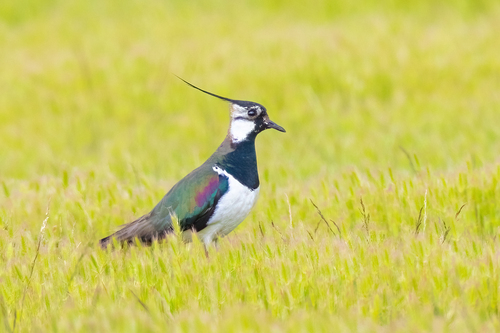
タゲリ (Vanellus vanellus) タゲリ
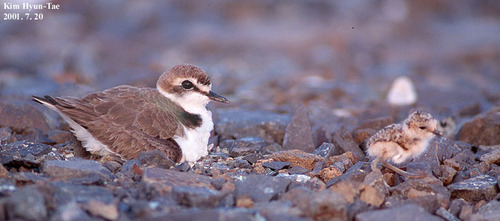
シロチドリ (Anarhynchus alexandrinus) シロチドリ

メディア

読み込み中…

要点

タゲリとシロチドリは全体的な構造と羽毛によって簡単に区別できますが、距離がある場合や幼鳥の場合には混乱が生じることがあります。タゲリは、目立つ冠と特に飛行中に際立つ黒と白のパターンを持つ、はるかに大きく、丸い翼を持つ鳥です。シロチドリは、地味で淡い外観、暗い脚とくちばしを持つ小さくてコンパクトな海岸鳥で、冠や虹色の光沢はありません。緑色の光沢のある背中、長い冠、または広く丸い翼が見えたら、それはタゲリです。開けた砂や泥の上で、暗いくちばしと脚を持つ小さくて素早く動く鳥はシロチドリです。

識別のコツ

  1. サイズは最も早い区別要素です: タゲリはシロチドリよりもはるかに大きく、ずんぐりしています。距離があっても、タゲリのサイズは水鳥の中で明らかです。
  2. 冠の有無: タゲリは常に冠を持っています(オスは長く、メス/幼鳥は短い);シロチドリは冠を持ちません。
  3. 飛行中の翼の形: タゲリは広く丸い翼を持ち、遅くて浮遊感のある飛行をします;シロチドリは狭く尖った翼を持ち、速くて直線的な飛行をします。
  4. 羽毛のコントラスト: タゲリは大胆な黒と白で、緑色の光沢のある背中を持っています;シロチドリは上面が淡い茶色、下面が白で、虹色の光沢はありません。
  5. 顔の模様: タゲリは特にオスにおいて、際立った黒と白の顔を持っています;シロチドリのオスは暗い頭のバーと耳の覆いを持っていますが、メスははるかに地味です。
  6. 胸の模様: タゲリは(オスにおいて)黒い胸のバンドを持っていますが、シロチドリのオスは2つの不完全な暗い胸のバンドを持ち、メスは強い胸の模様を欠いています。
  7. くちばしと脚: タゲリはそのサイズに対して比較的短い淡い脚を持っています;シロチドリは暗くて細い脚と細い暗いくちばしを持っています。
  8. 生息地: タゲリは草地や農地に生息し、開けた砂の上にはめったにいません;シロチドリは砂浜、塩 flats、ラグーンに生息しています。
  9. 行動: タゲリはしばしば群れを成し、遅くて転がるような飛行をします;シロチドリは素早く走り、止まり、再びダッシュし、めったに大きな数で群れを成しません。
  10. 鳴き声: 大きく繰り返される「ピーウィット」の鳴き声はタゲリを示します;シロチドリは一般的に静かです。
  11. 性差: タゲリの性別は冠の長さと頭のコントラストを除いて似ています;シロチドリのオスは繁殖期により強くマーキングされますが、これは薄れ、メスは常に淡いです。
  12. 幼鳥の混乱: 幼鳥のタゲリは鈍い成鳥に似ていますが、依然として冠と黒と白のパターンを示します;幼鳥のシロチドリは常に地味で、冠や虹色の光沢を欠いています。
  13. 文脈: 鳥がビーチの他の小さな海岸鳥の中にいる場合、それはおそらくシロチドリです;草地や農地にいる場合、特に群れの中では、それはおそらくタゲリです。
  14. 飛行の印象: タゲリの飛行はフラフラして浮遊感があります;シロチドリの飛行は迅速で直線的です。
  15. 疑問がある場合: タゲリの緑色の光沢と冠、またはシロチドリの小さなサイズ、地味さ、暗いくちばし/脚を探してください。

大きさ

タゲリはシロチドリ(体重約47g)よりも劇的に大きい(28–33 cm、128–330 g)です。[wikipedia][wikidata]。タゲリの翼幅は67–87 cmですが、シロチドリははるかに小さく、軽く、繊細でコンパクトに見えます。フィールドでは、タゲリのサイズと体格は明らかで、特に飛行中や他の水鳥の近くに立っているときに顕著です。シロチドリは最も小さなチドリの一つであり、タゲリのサイズに近づくことはありません。

羽色

提供されたメモには、いずれの種についても年齢特有の上翼パターンは記載されていませんが、両性の成鳥のタゲリは、緑色の光沢のある背中と長くてふわふわした冠を持つ大胆な黒と白のパターンを示します。顔は白で、特にオスにおいて強い黒のコントラストがあります。翼は広く丸いです。幼鳥と雌のタゲリは短い冠とあまり明確でない頭のマーキングを持っていますが、依然として全体的な黒と白のコントラストと緑がかった背中を示します。成鳥のシロチドリは下面が淡く、上面が淡い茶色で、白い腹部、暗い脚、暗いくちばしを持っています。繁殖羽毛のオスは黒い水平の頭のバー、2つの不完全な暗い胸のバンド、黒い耳の覆い、赤褐色の後頭部と冠を示します;メスははるかに淡く、マーキングがあまり目立ちません。両性ともに冠、虹色の光沢、または大胆な翼のパターンを欠いています。すべての年齢において、シロチドリははるかに地味で、タゲリの劇的なコントラストを欠いています。

行動

タゲリは繁殖期以外に特に群れで見られることが多く、広く丸い翼を持つ遅くて転がるような浮遊感のある飛行を示します。彼らは声が大きく目立ち、特に繁殖のディスプレイ中に顕著です。シロチドリは、開けた砂や泥の上を素早く走り、しばしば立ち止まり、再びダッシュするため、単独または小さなグループで見られることが多いです。彼らの飛行は速くて直線的で、小さなチドリに典型的であり、劇的な空中ディスプレイを行う可能性は低いです。

生息環境

タゲリは荒れた草地、農業用地、時には湿った草地を好み、しばしば海岸線から離れた場所に生息します。裸の砂や潮間帯ではめったに見られません。シロチドリは、開けた砂浜、塩水湖、ラグーン、沿岸の平地の典型的な海岸鳥であり、しばしば裸の砂や泥の上で、ほとんど植生がありません。砂浜や塩原、特に水の近くで鳥を見た場合、それはおそらくシロチドリです;草地や農地にいる場合、タゲリである可能性がはるかに高いです。

声

タゲリは非常に声が大きく、特に繁殖期には大きく鋭い「ピーウィット」の鳴き声とさまざまなきしむような音を発します。ディスプレイ中のオスは、飛行中に喘ぎ声のような多様な鳴き声を加えます。シロチドリははるかに静かで、提供されたメモには特に目立つまたは大きな鳴き声は記載されていません。繰り返される、遠くまで響く「ピーウィット」やそれに類似した音を聞いた場合、それはタゲリです。

より良い説明を送る

比較と同じ項目を使ってください。文章はすぐに公開されます。

Northern Lapwing and Kentish Plover are easily separated by overall structure and plumage, but confusion can arise at a distance or with immatures. The lapwing is a much larger, round-winged bird with a prominent crest and a striking black-and-white pattern, especially in flight. Kentish Plover is a small, compact shorebird with a plain, pale look, dark legs and bill, and lacks any crest or iridescence. If you see a green-glossed back, long crest, or broad rounded wings, it's a lapwing; a small, quick-moving bird with a dark bill and legs on open sand or mud is a Kentish Plover.

  1. Size is the quickest separator: Lapwing is much larger and bulkier than Kentish Plover; even at a distance, the lapwing's size is obvious among waders.
  2. Crested vs. uncrested: Lapwing always shows a crest (long in males, shorter in females/juveniles); Kentish Plover never has a crest.
  3. Wing shape in flight: Lapwing has broad, rounded wings and a slow, buoyant flight; Kentish Plover has narrow, pointed wings and a fast, direct flight.
  4. Plumage contrast: Lapwing is boldly black and white with a green-glossed back; Kentish Plover is pale brown above, white below, and lacks iridescence.
  5. Face pattern: Lapwing has a striking black-and-white face, especially in males; Kentish Plover males have a dark head bar and ear coverts, but females are much plainer.
  6. Breast pattern: Lapwing has a solid black breast band (in males), while Kentish Plover males have two incomplete dark breast-bands; females lack strong breast markings.
  7. Bill and legs: Lapwing has relatively short, pale legs for its size; Kentish Plover has dark, slender legs and a fine dark bill.
  8. Habitat: Lapwing is found in grassy fields and farmland, rarely on open sand; Kentish Plover is on sandy beaches, salt flats, and lagoons.
  9. Behavior: Lapwing often flocks and displays with slow, tumbling flight; Kentish Plover runs quickly, stops, and dashes again, rarely flocking in large numbers.
  10. Vocalization: Loud, repeated "pee-wit" calls indicate lapwing; Kentish Plover is generally quiet.
  11. Sexual dimorphism: Lapwing sexes are similar except for crest length and head contrast; Kentish Plover males are more strongly marked in breeding season, but this fades and females are always paler.
  12. Juvenile confusion: Juvenile lapwings look like duller adults but still show the crest and black-and-white pattern; juvenile Kentish Plovers are always plain and lack any crest or iridescence.
  13. Context: If the bird is among other small shorebirds on a beach, it's likely a Kentish Plover; if in a grassy or arable field, especially in a flock, it's likely a lapwing.
  14. Flight impression: Lapwing's flight is floppy and buoyant; Kentish Plover's is rapid and direct.
  15. When in doubt: Look for the lapwing's green gloss and crest, or the plover's small size, plainness, and dark bill/legs.

Northern Lapwing is dramatically larger (28–33 cm long, 128–330 g) than Kentish Plover (body mass ~47 g) [wikipedia][wikidata]. Lapwing has a wingspan of 67–87 cm, while Kentish Plover is much smaller and lighter, appearing delicate and compact. In the field, lapwing's size and bulk are obvious, especially in flight or when standing near other waders. Kentish Plover is one of the smallest plovers, never approaching the lapwing's size.

No age-specific upperwing pattern is described for either species in the provided notes, but adult lapwings of both sexes show a bold black-and-white pattern with a green-glossed back and a long, wispy crest. The face is white with strong black contrasts, especially in males, and the wings are broad and rounded. Juvenile and female lapwings have shorter crests and less distinct head markings, but still show the overall black-and-white contrast and greenish back. Kentish Plover adults are pale below and light brown above, with a white underside, dark legs, and a dark bill. Males in breeding plumage show a black horizontal head bar, two incomplete dark breast-bands, black ear coverts, and a rufous nape and crown; females are much paler, with less pronounced markings. Both sexes lack any crest, iridescence, or bold wing pattern. In all ages, Kentish Plover is much plainer and lacks the lapwing's dramatic contrasts.

Lapwings are often seen in flocks, especially outside the breeding season, and display slow, tumbling, buoyant flight with broad, rounded wings. They are vocal and conspicuous, especially during breeding displays. Kentish Plovers are more likely to be seen singly or in small groups, running quickly across open sand or mud, often pausing and then dashing again. Their flight is fast and direct, typical of small plovers, and they are less likely to perform dramatic aerial displays.

Northern Lapwing prefers rough grassland, agricultural fields, and sometimes wet meadows, often away from the immediate shoreline. It is rarely found on bare sand or tidal flats. Kentish Plover is a classic shorebird of open sandy beaches, saline lakes, lagoons, and coastal flats, often on bare sand or mud with little vegetation. If you see the bird on a sandy beach or salt flat, especially near water, it's likely a Kentish Plover; in grassy fields or farmland, it's much more likely to be a lapwing.

Lapwing is very vocal, especially in the breeding season, with a loud, shrill "pee-wit" call and a variety of squeaking or mewing sounds. Displaying males add a wheezy, varied call during flight. Kentish Plover is much quieter, with no distinctive or loud call described in the provided notes. If you hear a repeated, far-carrying "pee-wit" or similar, it's a lapwing.

変更を破棄しますか?

保存していない編集があります。今離れると失われます。

タゲリ · シロチドリ · 苦手な鳥