

Motmot

アメリカハイイロチュウヒ 対 クーパーハイタカ

Circus hudsonius 対 Astur cooperii

アメリカハイイロチュウヒとクーパーハイタカのクイズ
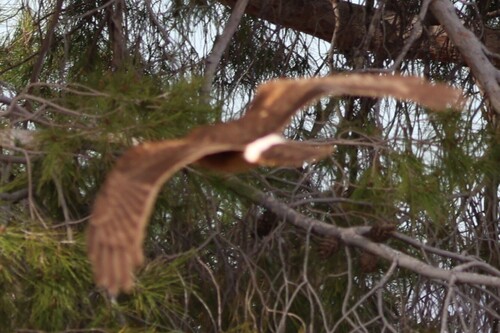
アメリカハイイロチュウヒ (Circus hudsonius) アメリカハイイロチュウヒ
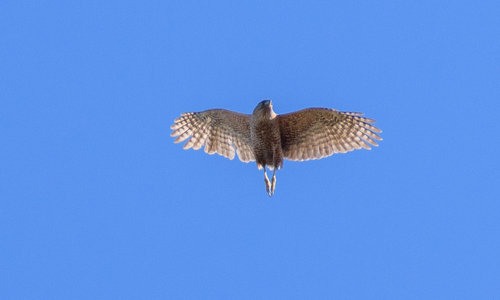
クーパーハイタカ (Astur cooperii) クーパーハイタカ

メディア

読み込み中…

要点

アメリカハイイロチュウヒとクーパーハイタカをフィールドで区別するための最も信頼できるフィールドマークは、ハイイロチュウヒの独特の飛行プロファイルです:浅いV字型で保持された長くスリムな翼と長い尾で、しばしば開けた地面を低く滑空しているのが見られます。幼鳥と雌のハイイロチュウヒ(いわゆる「リングテール」)は未熟なクーパーハイタカと混同されることがありますが、ハイイロチュウヒはクーパーハイタカが決して匹敵しない独自の構造と行動の組み合わせを示します。クーパーハイタカは短く、より丸みを帯びた翼を持ち、相対的に短い尾(それでもタカとしては長いですが)と、より強力で直接的な飛行スタイルを持っています。止まっているとき、ハイイロチュウヒは細長く、長い翼を持っているように見え、クーパーハイタカはコンパクトで胸が広いように見えます。羽毛の違いは存在しますが、特に未熟な鳥では微妙な場合があるため、構造と飛行スタイルが最初のチェックポイントとして最適です。

識別のコツ

  1. 白い尾羽の斑点(すべての年齢、すべての性別): アメリカハイイロチュウヒは、飛行中に尾の基部に明るい白い斑点を常に示します—クーパーハイタカには決して存在しません。これは特に茶色の幼鳥において、最も優れたフィールドマークです。
  2. 飛行スタイル: ハイイロチュウヒは、浅いV字型で翼を保持し、しばしば傾きやバンクをしながら、開けた地面を低く滑空します;クーパーハイタカは、急速な翼の羽ばたきと短い滑空で飛び、通常は木の中または近くで飛びます。
  3. 翼の形: ハイイロチュウヒの翼は長く、スリムで、より尖っており、細長い外観を与えます;クーパーハイタカは短く、丸みを帯びた翼を持ち、飛行中によりコンパクトに見えます。
  4. 尾の形: ハイイロチュウヒの尾は長く、直線的で、しばしば扇状に広がります;クーパーハイタカの尾も長いですが、より丸みを帯びたまたはくさび形で、目立つ白い先端と3〜4本の暗い帯があります。
  5. 顔の円盤: ハイイロチュウヒは微妙なフクロウのような顔の円盤を持ち、時々近距離で見えることがあります;クーパーハイタカはこの特徴を欠き、より典型的なタカの顔を持っています。
  6. 止まっている姿勢: ハイイロチュウヒは、止まっているときに細長く、長い翼を持ち、直立しているように見え、しばしば開けた場所にいます;クーパーハイタカは、胸が広く、背中を丸め、コンパクトに見え、通常は木に止まります。
  7. 成鳥の雄ハイイロチュウヒ(「グレーゴースト」): 成鳥の雄ハイイロチュウヒは、上面が淡い灰色で、翼の先端が黒く、尾羽が白いです;成鳥のクーパーハイタカは、上面が青灰色で、暗い冠と赤褐色の帯のある腹部を持っています。
  8. 幼鳥の羽毛: 幼いハイイロチュウヒは、上面が茶色で、下面が縞模様で、白い尾羽と平坦な顔を持っています;幼いクーパーハイタカは、上面が茶色で、下面が茶色で強く縞模様があり、フードのような外観とより模様のある尾を持っています。
  9. 生息地: ハイイロチュウヒはほぼ常に開けた国にいます;クーパーハイタカは通常、森の中またはその近くにいます。
  10. サイズ: 雌のハイイロチュウヒはクーパーハイタカよりもはるかに大きいです;雄はサイズが近いですが、依然として翼が長く、尾も長いです。
  11. 声: ハイイロチュウヒは繁殖期に「ケック」という音や大きな雌の叫び声を出します;クーパーハイタカは一般的に静かで、特に繁殖期以外では静かです。
  12. 頭の形: ハイイロチュウヒの頭は小さくて丸いです;クーパーハイタカの頭は大きく、四角い形をしており、警戒しているときに前に突き出ます。
  13. 狩猟行動: ハイイロチュウヒは、低く滑空しながらフィールドを横切って狩ります;クーパーハイタカは木を通して驚きの攻撃で狩ります。
  14. 尾の帯: クーパーハイタカの尾は常に3〜4本の太い暗い帯と白い先端を示します;ハイイロチュウヒの尾はより均一に色付けされており、帯があまり目立たず、常に白い尾羽があります。
  15. 羽毛の落とし穴: 未熟なハイイロチュウヒとクーパーハイタカはどちらも茶色で縞模様があることがありますが、構造、飛行スタイル、白い尾羽が決定的です。特に遠くのまたは逆光の鳥では、常に複数の特徴をチェックしてください。

大きさ

アメリカハイイロチュウヒは一般的にクーパーハイタカよりも大きく、翼が長いです。成鳥のハイイロチュウヒは41〜52 cm(16〜20インチ)で、翼幅は97〜122 cm(38〜48インチ)ですが、クーパーハイタカは全体的に小さく(ここでは正確な測定は示されていませんが、特に翼が短く、構造がよりコンパクトです)。雌のハイイロチュウヒは特に大きく、雌のクーパーハイタカよりもはるかに大きいことがよくあります。フィールドでは、ハイイロチュウヒは体のサイズに対して長い翼と尾を持ち、より細く伸びているように見え、クーパーハイタカはよりがっしりしており、胸が広く、短く丸い翼を持っています。

羽色

行動

アメリカハイイロチュウヒは、浅いV字型で翼を保持し、開けたフィールドや湿地の上を低く滑空しながら狩りをします。しばしば傾きやバンクをしながら、獲物を探して耳を傾けます。密な森の中や樹冠に止まっているのはめったに見られません。対照的に、クーパーハイタカは森林の捕食者であり、しばしば木の中を飛び回ったり、樹冠の中に止まったりしているのが見られます。彼らの飛行はより直接的で、急速な羽ばたきと短い滑空を伴い、特に狩りの際に顕著です。止まっているとき、ハイイロチュウヒは細長く直立しているように見えますが、クーパーハイタカはより背中を丸め、肩幅が広く見えます。

生息環境

アメリカハイイロチュウヒは開けた国の鳥であり—湿地、草原、フィールド—森林に入ることはめったにありません。クーパーハイタカは森林、森林の端、時には木のある郊外の地域を好みます。もし湿地や開けたフィールドの上を低く滑空しているタカを見たら、それはおそらくハイイロチュウヒです;もし木の中を飛び回ったり、密な樹冠に止まっているのを見たら、それはよりクーパーハイタカの可能性が高いです。

声

アメリカハイイロチュウヒはほとんど静かですが、両性ともに特に警戒しているときや繁殖期に速い「ケック」という音を出します。雌の叫び声は大きく、求愛中に聞こえることがあります。クーパーハイタカの鳴き声はメモに詳細が記載されていませんが、一般的に繁殖期以外では静かで、ハイイロチュウヒの独特の「ケック」という呼び声は出しません。

より良い説明を送る

比較と同じ項目を使ってください。文章はすぐに公開されます。

The most reliable field mark for separating Northern Harrier from Cooper's Hawk in the field is the harrier's distinctive flight profile: long, slim wings held in a shallow V and a long tail, often seen gliding low over open ground. Juvenile and female harriers (the 'ringtails') can be confused with immature Cooper's Hawks, but harriers show a unique combination of structure and behavior that Cooper's never match. Cooper's Hawk has shorter, more rounded wings, a proportionally shorter tail (though still long for a hawk), and a more powerful, direct flight style. Perched, harriers look lankier and longer-winged, while Cooper's Hawks appear compact and broad-chested. Plumage differences exist but can be subtle, especially in immature birds, so structure and flight style are your best first checks.

  1. White rump patch (all ages, all sexes): Northern Harrier always shows a bright white patch at the base of the tail in flight—never present on Cooper's Hawk. This is the single best field mark, especially on brown juveniles.
  2. Flight style: Harrier glides low over open ground with wings held in a shallow V, often tilting and banking; Cooper's Hawk flies with rapid wingbeats and short glides, usually in or near trees.
  3. Wing shape: Harrier's wings are long, slim, and more pointed, giving a lanky look; Cooper's Hawk has shorter, rounded wings, making it look more compact in flight.
  4. Tail shape: Harrier's tail is long and straight-edged, often fanned; Cooper's Hawk's tail is also long but more rounded or wedge-shaped, with a conspicuous white tip and 3–4 dark bands.
  5. Facial disc: Harrier has a subtle owl-like facial disc, sometimes visible at close range; Cooper's Hawk lacks this feature, having a more typical hawk face.
  6. Perched posture: Harrier looks slim, long-winged, and upright when perched, often in open areas; Cooper's Hawk looks broad-chested, hunched, and compact, usually perching in trees.
  7. Adult male harrier ('Grey Ghost'): Adult male harrier is pale gray above with black wingtips and white rump; adult Cooper's Hawk is blue-gray above with a dark crown and rufous-barred underparts.
  8. Juvenile plumage: Juvenile harriers are brown above, streaked below, with a white rump and plain face; juvenile Cooper's Hawks are brown above, heavily streaked below, with a hooded look and a more patterned tail.
  9. Habitat: Harrier is almost always in open country; Cooper's Hawk is usually in or near woods.
  10. Size: Female harriers are much larger than Cooper's Hawks; males are closer in size but still longer-winged and longer-tailed.
  11. Voice: Harrier gives 'kek' notes and loud female screams in breeding season; Cooper's Hawk is generally quiet, especially outside breeding.
  12. Head shape: Harrier's head is small and rounded; Cooper's Hawk's head is large, squarish, and projects forward when alert.
  13. Hunting behavior: Harrier hunts by coursing low over fields; Cooper's Hawk hunts by surprise attacks through trees.
  14. Tail bands: Cooper's Hawk tail always shows 3–4 bold dark bands and a white tip; harrier's tail is more evenly colored, with less obvious banding and always the white rump.
  15. Plumage pitfalls: Immature harriers and Cooper's Hawks can both be brown and streaky, but structure, flight style, and the white rump are decisive. Always check multiple features, especially on distant or backlit birds.

Northern Harrier is generally larger and longer-winged than Cooper's Hawk. Adult harriers are 41–52 cm (16–20 in) long with a wingspan of 97–122 cm (38–48 in), while Cooper's Hawk is smaller overall (exact measurements not given here, but it is notably shorter-winged and more compact in build). Female harriers are especially large, often much bigger than even female Cooper's Hawks. In the field, harriers look slimmer and more stretched out, with longer wings and tail relative to body size, while Cooper's Hawks look stockier, with a broad chest and shorter, rounded wings.

  • Juvenile/immature birds: Northern Harrier juveniles and females (the so-called 'ringtails') are brown above and streaky below, but in flight, they show a distinctive white rump patch at the base of the tail—this is absent in Cooper's Hawk at all ages. Harriers also have longer, more evenly colored wings and tail, lacking the bold tail barring of Cooper's. Juvenile Cooper's Hawks are brown above with pale underparts heavily streaked with brown, and their tails show 3–4 dark bands with a white tip. Their underparts are more streaked than barred, and the face can show a pale supercilium and a hooded look, unlike the harrier's more plain face.

  • Adults: Adult male harriers are pale gray above with black wingtips and a white rump; females are brown above and streaked below. Cooper's Hawk adults are blue-gray above with a dark crown, pale nape, and heavily rufous-barred underparts; their tail is blue-gray above, pale below, and always shows 3 bold dark bands and a white tip. The harrier's facial disc is often visible at close range, giving an 'owl-like' look, which Cooper's lacks.

  • In flight: The harrier's wings are longer and held in a shallow V, with a long tail and obvious white rump. Cooper's Hawk has shorter, rounded wings, a long but less elongated tail, and no white rump patch.

Northern Harrier hunts by gliding low over open fields and marshes, wings held in a shallow V, often tilting and banking as it listens and looks for prey. It is rarely seen in dense woods or perched in the canopy. Cooper's Hawk, by contrast, is a woodland predator, often seen darting through trees or perching within the canopy. Its flight is more direct, with rapid wingbeats and short glides, especially when hunting. When perched, harriers look slim and upright, while Cooper's Hawks appear more hunched and broad-shouldered.

Northern Harrier is a bird of open country—marshes, grasslands, and fields—rarely venturing into forests. Cooper's Hawk prefers woodlands, forest edges, and sometimes suburban areas with trees. If you see a hawk gliding low over a marsh or open field, it's likely a harrier; if it's darting through trees or perched in a dense canopy, it's more likely a Cooper's Hawk.

Northern Harrier is mostly silent, but both sexes give fast 'kek' notes, especially when alarmed or during breeding. The female's scream is loud and can be heard during courtship. Cooper's Hawk vocalizations are not detailed in the notes, but in general, they are also quiet outside of the breeding season and do not give the harrier's distinctive 'kek' calls.

変更を破棄しますか?

保存していない編集があります。今離れると失われます。

アメリカハイイロチュウヒ · クーパーハイタカ · 苦手な鳥