

Northern Harrier vs Cooper's Hawk
Circus hudsonius contro Astur cooperii
Fai un quiz con Northern Harrier e Cooper's Hawk
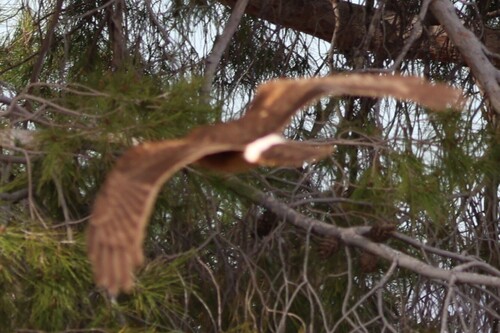 Northern Harrier
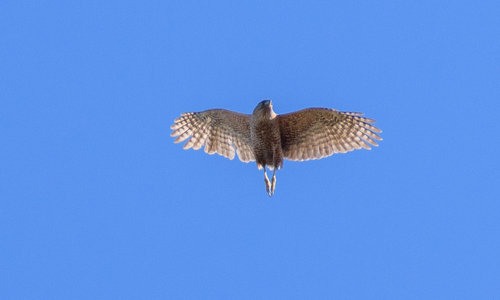 Cooper's Hawk
In breve
Il segno di campo più affidabile per separare il Northern Harrier dal Cooper's Hawk sul campo è il profilo di volo distintivo del harrier: ali lunghe e sottili tenute in una V poco profonda e una lunga coda, spesso viste planare basse su terreni aperti. I harrier giovanili e femminili (i 'ringtails') possono essere confusi con i Cooper's Hawk immaturi, ma i harrier mostrano una combinazione unica di struttura e comportamento che i Cooper's non eguagliano mai. Il Cooper's Hawk ha ali più corte e arrotondate, una coda proporzionalmente più corta (anche se ancora lunga per un falco) e uno stile di volo più potente e diretto. In posa, i harrier appaiono più slanciati e con ali più lunghe, mentre i Cooper's Hawk appaiono compatti e con il petto largo. Esistono differenze nel piumaggio ma possono essere sottili, specialmente negli uccelli immaturi, quindi la struttura e lo stile di volo sono i tuoi migliori controlli iniziali.
Consigli di identificazione
- Macchia bianca sulla coda (tutte le età, tutti i sessi): Il Northern Harrier mostra sempre una brillante macchia bianca alla base della coda in volo—mai presente nel Cooper's Hawk. Questo è il segno di campo migliore, specialmente sugli immaturi marroni.
- Stile di volo: Il harrier plana basso su terreni aperti con le ali tenute in una V poco profonda, spesso inclinando e virando; il Cooper's Hawk vola con battiti d'ali rapidi e brevi planate, di solito in o vicino agli alberi.
- Forma dell'ala: Le ali del harrier sono lunghe, sottili e più appuntite, dando un aspetto slanciato; il Cooper's Hawk ha ali più corte e arrotondate, facendolo apparire più compatto in volo.
- Forma della coda: La coda del harrier è lunga e con bordi dritti, spesso aperta; la coda del Cooper's Hawk è anch'essa lunga ma più arrotondata o a forma di cuneo, con una punta bianca evidente e 3–4 bande scure.
- Disco facciale: Il harrier ha un sottile disco facciale simile a un gufo, a volte visibile da vicino; il Cooper's Hawk non ha questa caratteristica, avendo un volto di falco più tipico.
- Postura in posa: Il harrier appare snello, con ali lunghe e eretto quando è in posa, spesso in aree aperte; il Cooper's Hawk appare con il petto largo, curvo e compatto, di solito posato sugli alberi.
- Harrier maschio adulto ('Fantasma Grigio'): L'harrier maschio adulto è grigio chiaro sopra con punte nere sulle ali e una coda bianca; il Cooper's Hawk adulto è blu-grigio sopra con una corona scura e parti inferiori barrate di ruggine.
- Piumaggio giovanile: Gli harrier giovanili sono marroni sopra, striati sotto, con una coda bianca e un volto semplice; i Cooper's Hawk giovanili sono marroni sopra, pesantemente striati sotto, con un aspetto incappucciato e una coda più patternata.
- Habitat: Il harrier è quasi sempre in campagna aperta; il Cooper's Hawk è di solito in o vicino ai boschi.
- Dimensioni: Le femmine di harrier sono molto più grandi dei Cooper's Hawk; i maschi sono più simili in dimensioni ma hanno ali e code più lunghe.
- Voce: Il harrier emette note 'kek' e forti urla femminili durante la stagione di riproduzione; il Cooper's Hawk è generalmente silenzioso, specialmente al di fuori della riproduzione.
- Forma della testa: La testa del harrier è piccola e arrotondata; la testa del Cooper's Hawk è grande, quadrata e si proietta in avanti quando è all'erta.
- Comportamento di caccia: Il harrier caccia planando basso sui campi; il Cooper's Hawk caccia con attacchi a sorpresa attraverso gli alberi.
- Bande sulla coda: La coda del Cooper's Hawk mostra sempre 3–4 bande scure audaci e una punta bianca; la coda del harrier è più uniformemente colorata, con bande meno evidenti e sempre la coda bianca.
- Trappole nel piumaggio: Gli harrier immaturi e i Cooper's Hawk possono entrambi essere marroni e striati, ma la struttura, lo stile di volo e la coda bianca sono decisivi. Controlla sempre più caratteristiche, specialmente su uccelli distanti o retroilluminati.
Taglia
Il Northern Harrier è generalmente più grande e con ali più lunghe del Cooper's Hawk. Gli harrier adulti sono lunghi 41–52 cm (16–20 in) con un'apertura alare di 97–122 cm (38–48 in), mentre il Cooper's Hawk è più piccolo nel complesso (misure esatte non fornite qui, ma è notevolmente più corto nelle ali e più compatto nella struttura). Le femmine di harrier sono particolarmente grandi, spesso molto più grandi anche delle femmine di Cooper's Hawk. Sul campo, gli harrier appaiono più snelli e più allungati, con ali e coda più lunghe rispetto alla dimensione del corpo, mentre i Cooper's Hawk appaiono più robusti, con un petto largo e ali più corte e arrotondate.
Piumaggio
-
Uccelli giovanili/immaturi: Gli harrier giovanili e femminili (i cosiddetti 'ringtails') sono marroni sopra e striati sotto, ma in volo mostrano una distintiva macchia bianca sulla coda alla base della coda—questa è assente nel Cooper's Hawk a tutte le età. Gli harrier hanno anche ali e coda più lunghe e di colore più uniforme, mancando delle audaci barre sulla coda del Cooper's. I Cooper's Hawk giovanili sono marroni sopra con parti inferiori pallide pesantemente striate di marrone, e le loro code mostrano 3–4 bande scure con una punta bianca. Le loro parti inferiori sono più striate che barrate, e il volto può mostrare un supercilio pallido e un aspetto incappucciato, a differenza del volto più semplice del harrier.
-
Adulti: Gli harrier maschi adulti sono grigio chiaro sopra con punte nere sulle ali e una coda bianca; le femmine sono marroni sopra e striate sotto. Gli adulti di Cooper's Hawk sono blu-grigio sopra con una corona scura, nuca chiara e parti inferiori pesantemente barrate di ruggine; la loro coda è blu-grigio sopra, chiara sotto, e mostra sempre 3 bande scure audaci e una punta bianca. Il disco facciale del harrier è spesso visibile da vicino, dando un aspetto 'simile a un gufo', che il Cooper's non ha.
-
In volo: Le ali del harrier sono più lunghe e tenute in una V poco profonda, con una lunga coda e una evidente macchia bianca sulla coda. Il Cooper's Hawk ha ali più corte e arrotondate, una coda lunga ma meno allungata, e nessuna macchia bianca sulla coda.
Comportamento
Il Northern Harrier caccia planando basso su campi aperti e paludi, con le ali tenute in una V poco profonda, spesso inclinando e virando mentre ascolta e cerca prede. È raramente visto in boschi densi o posato nella chioma. Il Cooper's Hawk, al contrario, è un predatore di bosco, spesso visto sfrecciare tra gli alberi o posato nella chioma. Il suo volo è più diretto, con battiti d'ali rapidi e brevi planate, specialmente quando caccia. Quando è in posa, gli harrier appaiono snelli e eretti, mentre i Cooper's Hawk appaiono più curvi e con le spalle larghe.
Habitat
Il Northern Harrier è un uccello di campagna aperta—paludi, praterie e campi—raramente avventurandosi nei boschi. Il Cooper's Hawk preferisce i boschi, i margini delle foreste e talvolta aree suburbane con alberi. Se vedi un falco planare basso su una palude o un campo aperto, è probabile che sia un harrier; se sta sfrecciando tra gli alberi o posato in una chioma densa, è più probabile che sia un Cooper's Hawk.
Voce
Il Northern Harrier è per lo più silenzioso, ma entrambi i sessi emettono note 'kek' rapide, specialmente quando allarmati o durante la riproduzione. L'urlo della femmina è forte e può essere udito durante il corteggiamento. Le vocalizzazioni del Cooper's Hawk non sono dettagliate nelle note, ma in generale, sono anche silenziose al di fuori della stagione di riproduzione e non emettono le distintive chiamate 'kek' del harrier.