

Motmot

シロカツオドリ 対 コビトウ

Morus bassanus 対 Microcarbo pygmaeus

シロカツオドリとコビトウのクイズ
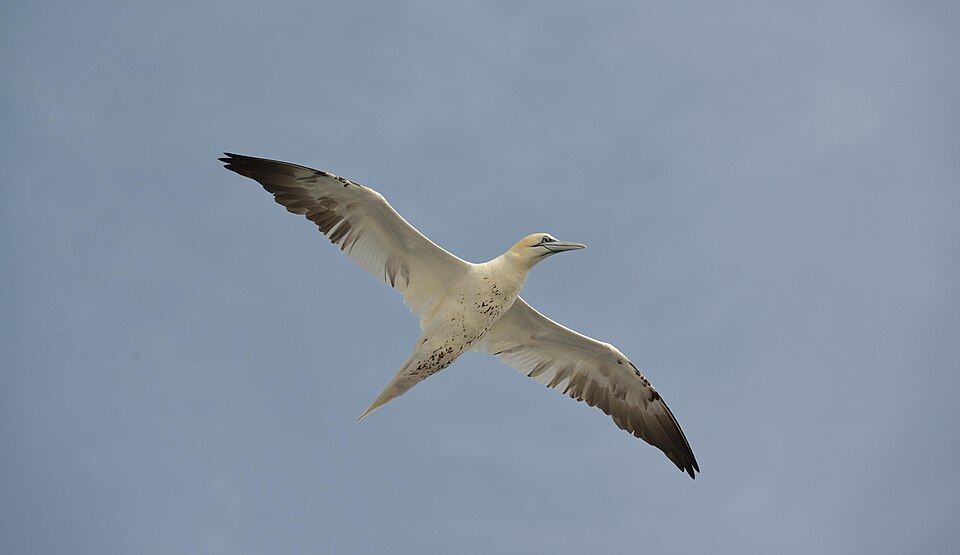
シロカツオドリ (Morus bassanus) シロカツオドリ
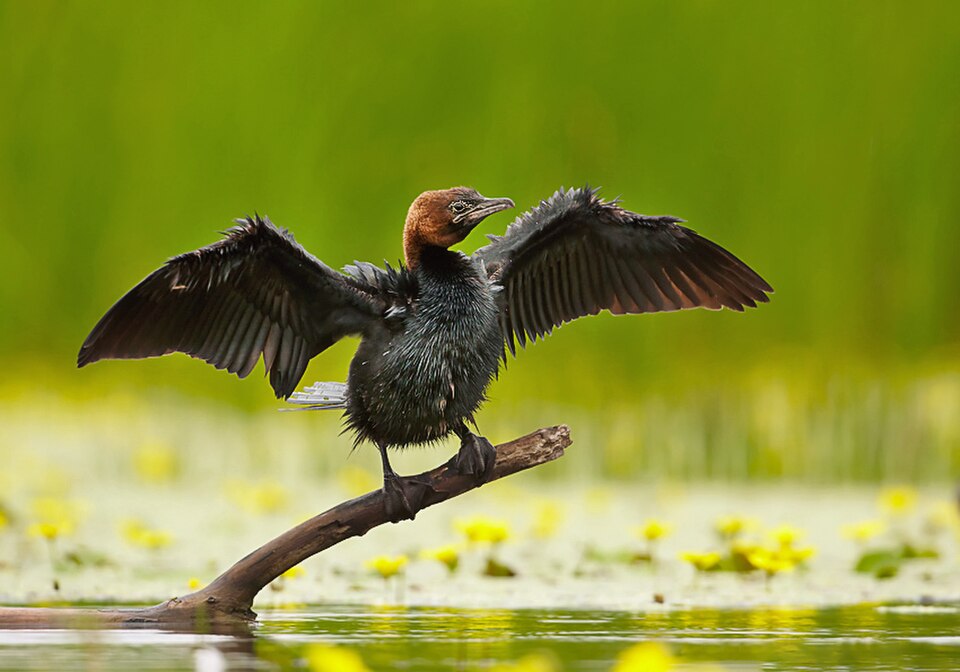
コビトウ (Microcarbo pygmaeus) コビトウ

メディア

読み込み中…

要点

シロカツオドリとコビトウを区別するための最も信頼できるフィールドマークは、全体のサイズと構造です:シロカツオドリは、白い体と黒い翼先を持つ巨大で長い翼の海鳥であり、コビトウははるかに小さく、暗く、よりコンパクトで、比例的に長い尾を持っています。若いシロカツオドリは茶色がかっており、遠くから見ると暗く見えることがありますが、コビトウの細くて蛇のような首の姿や全体が暗い羽毛を決して示しません。飛行中、シロカツオドリは長く尖った翼ときれいな白い尾(成鳥)を示しますが、コビトウは短い翼、長い尾を持ち、常に暗いです。生息地も強い手がかりです:シロカツオドリは厳密に海洋性で、内陸ではめったに見られませんが、コビトウは湖、川、湿地の淡水鳥です。黒い翼先を持つ大きな白い海鳥を見たら、それはシロカツオドリです;淡水の近くにいる小さくて暗い長い尾の鳥はコビトウです。

識別のコツ

  1. Size is the first check: シロカツオドリはコビトウよりもはるかに大きく、ほぼガチョウサイズで、巨大な翼幅を持っています。コビトウはカツオドリサイズで、はるかに小さく、スリムです。
  2. Wing shape and flight: シロカツオドリは長く狭い尖った翼と流線型で強力な飛行を持っています。コビトウは短く丸みを帯びた翼と速く、あまり優雅でない飛行を持っています。
  3. Tail shape: シロカツオドリは短い白い(成鳥)または淡い尾を持っています;コビトウは長く暗いくさび形の尾を持ち、止まっている時も飛行中も明らかです。
  4. Plumage (adults): シロカツオドリの成鳥は純白で黒い翼先を持ち、繁殖期にはバフがかった頭を持っています。コビトウは全体が暗い茶色から黒で、淡い部分はありません。
  5. Plumage (juveniles/immatures): 若いシロカツオドリは茶色がかっていますが、カツオドリのように均一に暗くなることはなく、年齢とともに羽毛は徐々に白くなります。彼らは常により重く、長い翼のプロファイルを示します。コビトウの若鳥は成鳥のように暗いです。
  6. Bill color and shape: シロカツオドリは長く厚い青灰色のくちばしを持ち、基部には黒い裸の皮膚があります;コビトウは薄い暗いくちばしを持ち、淡い基部はありません。
  7. Face pattern: シロカツオドリは口と目の周りに目立つ黒い線を示します;コビトウは無地の暗い顔を持っています。
  8. Perched posture: シロカツオドリは崖以外ではほとんど止まりません;カツオドリはしばしば水の近くの枝、ポスト、または木の上に直立して止まり、時には翼を広げます。
  9. Habitat: シロカツオドリは厳密に海洋性で、淡水では見られません。コビトウは淡水/河口の鳥で、海にはいません。
  10. Behavior: シロカツオドリは高いところから急降下して魚を捕まえます;カツオドリは水面から潜り込み、決して急降下しません。
  11. Group size and context: シロカツオドリは通常、海上で単独または緩い群れで見られ、しばしば陸から遠く離れています。コビトウは水の近くで群れで見られることが多く、止まっているか泳いでいます。
  12. Head color (breeding season): シロカツオドリの成鳥はバフがかった頭を持っています;カツオドリはこれを示しません。
  13. Wingtips and tail in flight: シロカツオドリは黒い翼先と白い尾(成鳥)を示します;カツオドリは尾と翼を含めて全体が暗いです。
  14. Confusion risk: 遠距離では、若いシロカツオドリが暗く見えることがありますが、サイズ、構造、白い尾(または若鳥の淡い尾)が常に均一に暗い長い尾のコビトウと区別します。
  15. Never rely on voice: どちらの種もフィールドでの鳴き声によって識別される可能性は低いです。

大きさ

シロカツオドリは劇的に大きく、体重は約2999g、長さは87–100cm、翼幅は170–180cmです [wikidata][wikipedia]。コビトウははるかに小さく(長さ64–78cm)軽量です [wikipedia]。フィールドでは、シロカツオドリは巨大で、ほぼガチョウサイズに見え、長く狭い翼と太い首を持っています;コビトウはカツオドリサイズで、スリムで目立って長い尾を持っています。若いシロカツオドリでさえ、どのカツオドリよりもはるかに大きいです。

羽色

行動

シロカツオドリはほぼ常に海上を飛んでいるのが見られ、高いところから水に急降下して魚を捕まえることがよくあります。彼らは崖や大きな岩の上以外ではほとんど止まりませんし、内陸ではめったに見られません。コビトウは水の近くの枝、ポスト、または木の上に直立して止まっているのがよく見られ、時には翼を広げて乾かしています。彼らは水中で低く泳ぎ、潜って狩りをしますが、シロカツオドリのように急降下することはありません。シロカツオドリは速く、直接的に飛ぶことができ、長い滑空する翼を持っています;コビトウは速く、浅い翼の拍動で飛び、力強さが少なく見えます。

生息環境

シロカツオドリは厳密に海洋性で、北大西洋の岩だらけの海岸や沖の島で繁殖し、餌を探します [wikipedia]。彼らは内陸や淡水では見られません。コビトウは淡水および河口の種で、南東ヨーロッパおよび南西アジアの湖、川、湿地、デルタで見られます [wikipedia]。彼らは開けた海を避け、塩水の海岸ではめったに、もしあれば見られません。もし鳥が淡水の湖や川にいるなら、それはほぼ確実にカツオドリです。

より良い説明を送る

比較と同じ項目を使ってください。文章はすぐに公開されます。

The most reliable field mark to separate Northern Gannet from Pygmy Cormorant is overall size and structure: Northern Gannet is a massive, long-winged seabird with a white body and black wingtips, while Pygmy Cormorant is much smaller, darker, and more compact, with a proportionally long tail. Juvenile Northern Gannets are brownish and can look dark at a distance, but never show the slim, snaky-necked jizz or the all-dark plumage of Pygmy Cormorant. In flight, gannets show long, pointed wings and a clean white tail (adults), whereas Pygmy Cormorant is short-winged, long-tailed, and always dark. Habitat is also a strong clue: gannets are strictly marine and rarely seen inland, while pygmy cormorants are freshwater birds of lakes, rivers, and wetlands. If you see a large white seabird with black wingtips, it is a gannet; a small, dark, long-tailed bird near freshwater is a pygmy cormorant.

  1. Size is the first check: Northern Gannet is much larger than Pygmy Cormorant—almost goose-sized, with a massive wingspan. Pygmy Cormorant is cormorant-sized, much smaller and slimmer.
  2. Wing shape and flight: Gannet has long, narrow, pointed wings and a streamlined, powerful flight. Pygmy Cormorant has shorter, rounded wings and a rapid, less graceful flight.
  3. Tail shape: Gannet has a short, white (adult) or pale tail; Pygmy Cormorant has a long, dark, wedge-shaped tail that is obvious both perched and in flight.
  4. Plumage (adults): Gannet adults are pure white with black wingtips and a buff-tinged head in breeding season. Pygmy Cormorant is dark brown to black all over, with no pale areas.
  5. Plumage (juveniles/immatures): Juvenile gannets are brownish but never as uniformly dark as cormorants, and their plumage becomes increasingly white with age. They always show a heavier, longer-winged profile. Pygmy Cormorant juveniles are dark like adults.
  6. Bill color and shape: Gannet has a long, thick, blue-grey bill with black bare skin at the base; Pygmy Cormorant has a thinner, dark bill with no pale base.
  7. Face pattern: Gannet shows a striking black line around the mouth and eyes; Pygmy Cormorant has a plain dark face.
  8. Perched posture: Gannets rarely perch except on cliffs; cormorants often perch upright on branches, posts, or in trees, sometimes with wings spread.
  9. Habitat: Gannet is strictly marine, never found on freshwater. Pygmy Cormorant is a freshwater/estuarine bird, never at sea.
  10. Behavior: Gannet plunge-dives from height; cormorants dive from the surface and never plunge-dive.
  11. Group size and context: Gannets are usually seen singly or in loose groups over the sea, often far from land. Pygmy Cormorant is often seen in groups near water, perched or swimming.
  12. Head color (breeding season): Gannet adults have a buff-tinged head; cormorants never show this.
  13. Wingtips and tail in flight: Gannet shows black wingtips and a white tail (adults); cormorant is all dark, including tail and wings.
  14. Confusion risk: At long range, a juvenile gannet may look dark, but the size, structure, and white tail (or pale tail in immatures) always separate it from the uniformly dark, long-tailed pygmy cormorant.
  15. Never rely on voice: Neither species is likely to be identified by vocalization in the field.

Northern Gannet is dramatically larger, with a body mass around 2999 g and a length of 87–100 cm, plus a wingspan of 170–180 cm [wikidata][wikipedia]. Pygmy Cormorant is much smaller (length 64–78 cm) and lighter built [wikipedia]. In the field, gannet appears huge, almost goose-sized, with long, narrow wings and a thick neck; pygmy cormorant is cormorant-sized, slim, and noticeably long-tailed. Even juvenile gannets are much bulkier than any cormorant.

  • Juvenile/immature Northern Gannet: Mostly grey-brown, gradually whitening over five years to adult. Immatures can look dark at a distance, but always show a contrasting pattern of white and dark on wings as they age, and never appear entirely dark. The tail is always white (adults) or pale, never black-tipped.
  • Adult Northern Gannet: Pure white body, black wingtips, white tail, and a buff-tinged head in breeding season. Bill is blue-grey with black bare skin around face.
  • Pygmy Cormorant (all ages): Uniformly dark brown to blackish, with no white in the wings or tail. No buff tones or pale head. The long tail is always dark. Even young birds are dark overall.
  • Key contrast: Gannet adults are strikingly white with black wingtips, never all-dark. Juvenile gannets may appear brownish but never as uniformly dark as pygmy cormorant, and always have a heavier, longer-winged look.

Northern Gannet is almost always seen in flight over the sea, often plunging dramatically into the water from height to catch fish. They rarely perch except on cliffs or large rocks, and are seldom seen inland. Pygmy Cormorant is often seen perching upright on branches, posts, or in trees near water, sometimes with wings spread to dry. They swim low in the water and hunt by diving, but never plunge-dive like a gannet. Gannets are fast, direct fliers with long, gliding wings; pygmy cormorants fly with rapid, shallow wingbeats and look less powerful.

Northern Gannet is strictly marine, breeding and foraging along rocky coasts and offshore islands in the North Atlantic [wikipedia]. They are never found inland or on freshwater. Pygmy Cormorant is a freshwater and estuarine species, found on lakes, rivers, marshes, and deltas in southeastern Europe and southwestern Asia [wikipedia]. They avoid open sea and are rarely, if ever, seen on saltwater coasts. If the bird is on a freshwater lake or river, it is almost certainly a cormorant.

変更を破棄しますか?

保存していない編集があります。今離れると失われます。

シロカツオドリ · コビトウ · 苦手な鳥