

Motmot

フルマカモメ 対 ハイイロミズナギドリ

Fulmarus glacialis 対 Ardenna grisea

フルマカモメとハイイロミズナギドリのクイズ
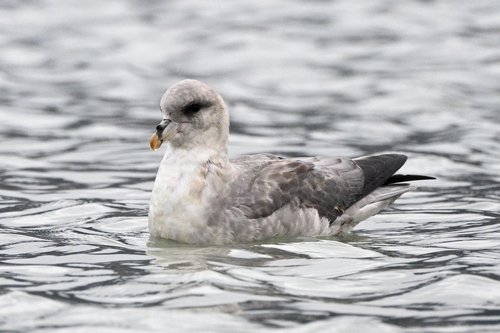
フルマカモメ (Fulmarus glacialis) フルマカモメ
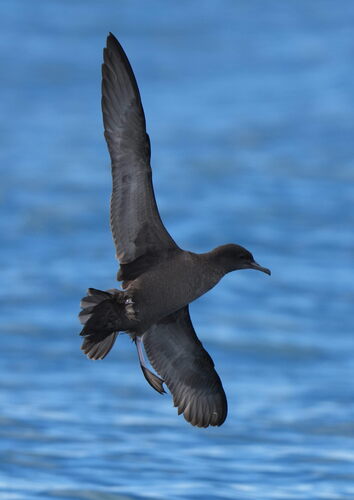
ハイイロミズナギドリ (Ardenna grisea) ハイイロミズナギドリ

メディア

読み込み中…

要点

ノーザンフルマカモメとハイイロミズナギドリの最も信頼できるフィールドマークは、全体の羽色と翼の下の模様です:ハイイロミズナギドリは均一に暗褐色からすすけた黒で、翼の下の中央に特徴的な銀色のパネルがありますが、ノーザンフルマカモメは、特に一般的な明るい形態では、白い頭と体、対照的な灰色の翼を持ち、銀色の翼の下のパネルがありません。フルマカモメは太い首と厚いくちばしを持ち、硬く、まっすぐな飛行をしますが、ハイイロミズナギドリはスリムで、翼が長く、深い切り込みのある滑空で水面を低く滑ります。フルマカモメは亜北極の北大西洋と北太平洋に豊富に生息しているのに対し、ハイイロミズナギドリは南半球で繁殖し、長距離移動を行い、北の海を移動中に通過するだけです。もし大きな全体が暗い海鳥を見かけ、銀色の翼の下の筋があれば、それはハイイロミズナギドリです;薄い、カモメのような海鳥で、厚いくちばしと対照的な灰色の翼を持つのはノーザンフルマカモメです。

識別のコツ

  1. Underwing pattern: ハイイロミズナギドリはすべての年齢で翼の下の中央に銀色または薄い筋を示し、良い光の中で見えます;フルマカモメはこれを示さず、代わりに薄い内側の一次羽を持ちますが、銀色のパネルはありません。
  2. Overall coloration: ハイイロミズナギドリは上も下も均一に暗褐色からすすけた黒で、遠くから見ると全体が暗く見えることがよくあります;フルマカモメ(明るい形態)ははるかに薄く、白い頭と体、灰色の翼と尾を持ち、暗い形態でも中程度の灰色で、黒っぽくはありません。
  3. Head and bill shape: フルマカモメは厚く、短い、淡い黄色のくちばしを持ち、太い首でずんぐりした外観をしています;ハイイロミズナギドリはスリムで、より細いくちばしとあまり目立たない首を持っています。
  4. Flight style: フルマカモメは硬く、浅い羽ばたきで飛び、まっすぐに滑空し、水面を低く切ることはほとんどありません;ハイイロミズナギドリは長く、硬い翼で波の上を低く滑空し、翼先が水面にほぼ触れることがよくあります。
  5. Jizz at rest: フルマカモメは水面の高い位置に座り、重く、太い首に見えます;ハイイロミズナギドリは低く座り、より流線型に見えます。
  6. Tail: フルマカモメの尾は短く、しばしば四角く見えます;ハイイロミズナギドリの尾は長く、より先細りですが、これは微妙です。
  7. Bill color: フルマカモメは常に淡い黄色のくちばしを持っています;ハイイロミズナギドリのくちばしは暗く、細いです。
  8. Plumage morphs: フルマカモメは明るい形態と暗い形態がありますが、最も暗いフルマカモメでも中程度の灰色で、決して本当に黒っぽくはありません;ハイイロミズナギドリは常に暗いです。
  9. Habitat and season: 北大西洋では、フルマカモメは常駐または夏の訪問者です;ハイイロミズナギドリは移動者としてのみ存在し、主に晩春と秋に見られます。
  10. Size impression: フルマカモメはずんぐりして重く見え、ハイイロミズナギドリは翼が長く、飛行中はより優雅です。
  11. Underwing contrast: フルマカモメの翼の下は淡い色で、暗い形態でのみ対照的な暗い縁があります;ハイイロミズナギドリの翼の下は常に銀色の中央パネルを示します。
  12. Confusion risk: 悪い光の中では、ハイイロミズナギドリは全体が黒く見え、暗い形態のフルマカモメと間違われることがありますが、翼の下のパネルと飛行スタイルがそれらを区別します。
  13. Bill structure: フルマカモメのくちばしは厚く、上部に目に見える管状の鼻孔があります;ハイイロミズナギドリのくちばしはより細く、管があまり目立ちません。
  14. Group behavior: ハイイロミズナギドリはしばしば大きな群れで移動します;フルマカモメはより頻繁に単独または小さな群れで見られます。
  15. Vocalization: 海では役に立たないが、ハイイロミズナギドリは夜間のコロニーで騒がしく声を出します;フルマカモメはフィールドで特に声が目立つとは記載されていません。

大きさ

ノーザンフルマカモメはわずかに長く、重く、長さ約46 cm、翼幅102–112 cm、質量450–1,000 gです [wikipedia][avonet]。ハイイロミズナギドリは長さ40–51 cm、翼幅94–110 cmです [wikipedia][avonet]。サイズの重なりはかなりありますが、フルマカモメはずんぐりして太い首に見え、ハイイロミズナギドリはスリムで流線型に見えます。フィールドでは、フルマカモメの短くて太い首と短いくちばしが、ハイイロミズナギドリの長くてスリムな外観と対照的です。

羽色

幼鳥と成鳥のハイイロミズナギドリは均一に暗いチョコレート色からすすけた黒で、遠くから見ると全体が暗く見えることがよくあります。彼らの主な特徴は、翼の下の中央に銀色または薄い筋があり、良い光の中で見え、種を特定するための診断的な特徴です [wikipedia]。対照的に、ノーザンフルマカモメは2つの主要な色の形態があります:明るい形態(温帯地域で最も一般的)は、灰色の翼と尾を持つ白い頭と体を持ち、暗い(「青」)形態は均一に灰色です。両方の形態はハイイロミズナギドリの銀色の翼の下のパネルを欠いています。フルマカモメの上翼は常に薄い内側の一次羽を示し、鳥は決して本当に全体が暗いようには見えません。太平洋フルマカモメの形態はより暗い尾を持つことがありますが、体と翼の間にコントラストを示します。飛行中、フルマカモメは薄く対照的に見え、ハイイロミズナギドリは全体が暗く、翼の下にフラッシュがあります。これらの違いはすべての年齢層に存在し、どちらの種も問題を混乱させるような明確な幼鳥や未熟な翼のパターンを持っていません。

行動

ノーザンフルマカモメは硬く、浅い羽ばたきで飛び、滑空し、重く、直接的に見えることが多く、小さなカモメを思い出させますが、より機械的で浮力の少ない飛行をします。水面の高い位置に座り、太い首と厚いくちばしを持っているように見えます。一方、ハイイロミズナギドリは典型的なミズナギドリです:波の上を低く切り、長く硬い翼で左右にバンクし、深い切り込みのある滑空をし、時には翼先が水面にほぼ触れることがあります。ハイイロミズナギドリの飛行はよりダイナミックで優雅で、小さなアルバトロスに似ています。フルマカモメはこの切り込みのある水面近くの行動をほとんど示しません。

生息環境

ノーザンフルマカモメは北大西洋と北太平洋の亜北極の水域に豊富に生息し、繁殖崖の近くや寒い北の水域で海上にしばしば見られます。ハイイロミズナギドリは南半球(ニュージーランド、フォークランド、南アメリカ南部)で繁殖し、北の海では移動者としてのみ見られ、移動シーズン中にしばしば大きな群れで見られます。大西洋では、ハイイロミズナギドリは唯一の全体が暗い大きなミズナギドリであり、フルマカモメは北の水域に常駐または夏の訪問者です。両方の種は外洋性ですが、フルマカモメは北の海岸や崖の近くにいる可能性が高く、ハイイロミズナギドリは通過移動者です。

声

ハイイロミズナギドリは海ではほとんど静かですが、繁殖コロニーでは夜に大きな声で鳴くことがあります(クークー、クローク)。ノーザンフルマカモメはこれらのメモにおいて特に声が目立つとは記載されておらず、どちらの種にとっても海での実用的なフィールドマークではありません。

より良い説明を送る

比較と同じ項目を使ってください。文章はすぐに公開されます。

The most reliable field mark between Northern Fulmar and Sooty Shearwater is overall plumage color and underwing pattern: Sooty Shearwater is uniformly dark brown to sooty-black with a distinctive silvery panel along the center of the underwing, while Northern Fulmar shows a much paler look, especially in the common light morph, with white head and body and contrasting grey wings, lacking the silvery underwing panel. Fulmar appears bull-necked and thick-billed, with a stiff, direct flight, while Sooty Shearwater is slimmer, longer-winged, and slices low over the water with deep, shearing glides. Fulmar is abundant in subarctic North Atlantic and North Pacific, whereas Sooty Shearwater is a southern breeder and a long-distance migrant, only passing through northern oceans in migration. If you see a large, all-dark seabird with a silvery underwing streak, it is a Sooty Shearwater; a pale, gull-like seabird with a thick bill and contrasting grey wings is a Northern Fulmar.

  1. Underwing pattern: Sooty Shearwater of all ages shows a silvery or pale streak along the center of the underwing, visible in good light; Fulmar never shows this, instead having pale inner primaries but not a silvery panel.
  2. Overall coloration: Sooty Shearwater is uniformly dark brown to sooty-black above and below, often appearing all-dark at a distance; Fulmar (light morph) is much paler, with a white head and body and grey wings and tail, and even the dark morph is only medium grey, not blackish.
  3. Head and bill shape: Fulmar has a thick, stubby, pale yellow bill and a bull-necked, chunky appearance; Sooty Shearwater is slimmer, with a more slender bill and less pronounced neck.
  4. Flight style: Fulmar flies with stiff, shallow wingbeats and direct glides, rarely shearing low over the water; Sooty Shearwater banks and glides low over the waves with long, stiff wings, often with wingtips nearly touching the surface.
  5. Jizz at rest: Fulmar sits high on the water, appearing heavy and thick-necked; Sooty Shearwater sits lower and looks more streamlined.
  6. Tail: Fulmar's tail is short and often appears squared-off; Sooty Shearwater's tail is longer and more tapered, but this is subtle.
  7. Bill color: Fulmar always has a pale yellow bill; Sooty Shearwater's bill is dark and slender.
  8. Plumage morphs: Fulmar comes in light and dark morphs, but even the darkest Fulmar is only medium grey and never truly blackish; Sooty Shearwater is always dark.
  9. Habitat and season: In the North Atlantic, Fulmar is resident or summer visitor; Sooty Shearwater is only present as a migrant, mainly in late spring and autumn.
  10. Size impression: Fulmar looks chunkier and heavier, while Sooty Shearwater is longer-winged and more graceful in flight.
  11. Underwing contrast: Fulmar's underwing is pale with contrasting dark edges only in the dark morph; Sooty Shearwater's underwing always shows a silvery central panel.
  12. Confusion risk: In poor light, Sooty Shearwater can look all-black and might be mistaken for a dark morph Fulmar, but the underwing panel and flight style will separate them.
  13. Bill structure: Fulmar's bill is thick and has visible tube nostrils on top; Sooty Shearwater's bill is more slender, with less prominent tubes.
  14. Group behavior: Sooty Shearwaters often migrate in large flocks; Fulmars are more often seen singly or in small groups.
  15. Vocalization: Not useful at sea, but Sooty Shearwater is noisy at colonies at night; Fulmar is not notably vocal in the field.

Northern Fulmar is slightly longer and heavier, measuring about 46 cm in length with a wingspan of 102–112 cm and a mass of 450–1,000 g [wikipedia][avonet]. Sooty Shearwater is 40–51 cm in length, with a wingspan of 94–110 cm [wikipedia][avonet]. The size overlap is considerable, but Fulmar tends to look chunkier and more bull-necked, while Sooty Shearwater is slimmer and more streamlined. In the field, Fulmar's short, thick neck and stubby bill contrast with the longer, sleeker look of Sooty Shearwater.

Juvenile and adult Sooty Shearwaters are uniformly dark chocolate-brown to sooty-black, often appearing all-dark at a distance or in poor light. Their key feature is a silvery or pale streak along the center of the underwing, visible in good light and diagnostic for the species [wikipedia]. Northern Fulmar, by contrast, comes in two main color morphs: the light morph (most common in temperate areas) has a white head and body with grey wings and tail, while the dark ("blue") morph is uniformly grey. Both morphs lack the Sooty Shearwater's silvery underwing panel. Fulmar's upperwings always show pale inner primaries, and the bird never looks truly all-dark. The Pacific Fulmar morph may have a darker tail, but still shows contrast between body and wings. In flight, Fulmar appears pale and contrasting, while Sooty Shearwater is dark overall with the underwing flash. These differences are present in all age groups, as neither species has a distinct juvenile or immature wing pattern that would confuse the issue.

Northern Fulmar flies with stiff, shallow wingbeats and glides, often appearing heavy and direct, sometimes recalling a small gull but with a more mechanical, less buoyant flight. It often sits high on the water and appears bull-necked and thick-billed. Sooty Shearwater, on the other hand, is a classic shearwater: it slices low over the waves, banking from side to side with long, stiff wings and deep, shearing glides, sometimes with wingtips nearly touching the water. Sooty Shearwater's flight is more dynamic and graceful, resembling a small albatross. Fulmar rarely shows this shearing, low-to-the-water behavior.

Northern Fulmar is abundant in subarctic waters of the North Atlantic and North Pacific, often seen near breeding cliffs or at sea in cold, northern waters. Sooty Shearwater breeds in the southern hemisphere (New Zealand, Falklands, southern South America) and is seen in northern oceans only as a migrant, often in large flocks during migration seasons. In the Atlantic, Sooty Shearwater is the only all-dark large shearwater, while Fulmar is a resident or summer visitor in northern waters. Both species are pelagic, but Fulmar is more likely near northern coasts and cliffs, while Sooty Shearwater is a passage migrant.

Sooty Shearwater is mostly silent at sea, but can be loud and vocal (coos, croaks) at breeding colonies at night. Northern Fulmar is not described as particularly vocal in these notes, and voice is not a practical field mark at sea for either species.

変更を破棄しますか?

保存していない編集があります。今離れると失われます。

フルマカモメ · ハイイロミズナギドリ · 苦手な鳥