

Motmot

フルマカモメ 対 アカアシミズナギドリ

Fulmarus glacialis 対 Ardenna carneipes

フルマカモメとアカアシミズナギドリのクイズ
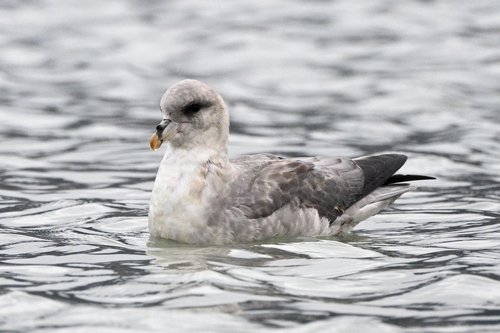
フルマカモメ (Fulmarus glacialis) フルマカモメ
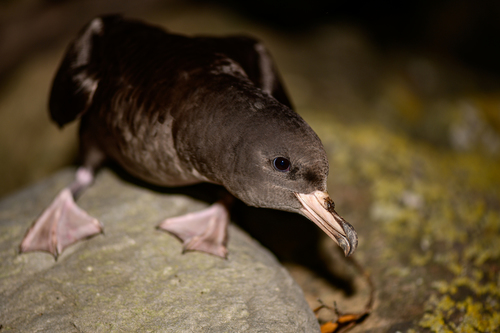
アカアシミズナギドリ (Ardenna carneipes) アカアシミズナギドリ

メディア

読み込み中…

要点

ノーザンフルマカモメとアカアシミズナギドリを区別する最も信頼できるフィールドマークは、全体的な色合いとくちばしの構造です。フルマカモメ(特に淡色型)は、灰色の翼と厚い淡黄色のくちばしを持つ白い頭と体を示しますが、アカアシミズナギドリは全体的に均一に暗く、黒く先端が染まった淡いくちばしと目立つピンク色の足を持っています。フルマカモメは、太い首を持ち、コンパクトな外観で、硬く浅い羽ばたきをしますが、アカアシミズナギドリは、よりスリムで長い翼を持ち、より浮力のある滑空飛行をします。飛行中、フルマカモメの淡い内側の一次羽と対照的な翼のパターン(淡色型で)は特徴的ですが、ミズナギドリは全体的に暗いです。くちばしの色と形は、特に近距離で役立ちます。両種は海で見ることができますが、彼らの分布はめったに重なりません。

識別のコツ

  1. 全体的な色合い: 淡色型のノーザンフルマカモメは、灰色の翼と尾を持つ際立った白い頭と体を示します—これは均一に暗いアカアシミズナギドリでは決して見られません。明らかな白が見えたら、それはアカアシではありません。
  2. くちばしの色と構造: フルマカモメは、上部に明確なチューブ(ナリコーン)を持つ厚い淡黄色のくちばしを持ち、ずんぐりした外観を与えます。アカアシミズナギドリは、明確な黒い先端を持つスリムな淡いくちばしを持っています—近距離でこの二色効果を探してください。
  3. 足の色: アカアシミズナギドリは淡いピンク色の足を持ち、飛行中や止まっているときに後ろに見えることがあります; フルマカモメの脚は青みがかっていますが、あまり目立ちません。
  4. 飛行スタイル: フルマカモメは硬く浅い羽ばたきで飛び、太い首を持ち、コンパクトな外観をしています。ミズナギドリは、より長く狭い翼を持ち、より浮力のある弧を描く飛行をし、しばしばバンキングや滑空をします。
  5. 頭と首: フルマカモメは太い首と重い頭に見えますが、アカアシミズナギドリはよりスリムで流線型の頭と首のプロファイルを持っています。
  6. 翼のパターン: フルマカモメ、特に淡色型では、上部に淡い内側の一次羽と、淡い上面と灰色の翼との対比を探してください。アカアシミズナギドリは上も下も暗く、淡いパネルや対比はありません。
  7. アンダーウィング: 暗色型のフルマカモメだけが広範な暗いアンダーウィングを持っていますが、それでも全体的な構造とくちばしの形はミズナギドリとは異なります。
  8. 尾: フルマカモメは短く四角い尾を持ち、ミズナギドリはより長くテーパーした尾を持っています—ただし、これは距離によっては微妙です。
  9. 水面での印象: フルマカモメはずんぐりして高く座っているように見え、ミズナギドリはよりスリムで水面に低く座っています。
  10. 分布と文脈: 冷たい北の海で見られた場合、フルマカモメの可能性が高いです; インド太平洋、特にオーストラリア/ニュージーランド近くでは、アカアシミズナギドリを期待してください。
  11. 中間型: フルマカモメはトーンが中間的であることがありますが、最も暗いフルマカモメでさえ、アカアシミズナギドリほど均一に黒っぽくはありません。頭や体に淡い部分がないか確認してください。
  12. くちばしの先端: アカアシミズナギドリの黒い先端のくちばしはユニークで、フルマカモメはこのパターンを示しません。
  13. 脚の色: ピンク色の脚は、よく見えた場合にアカアシミズナギドリの診断的な特徴です; フルマカモメの青みがかった脚はあまり目立ちません。
  14. 混同のリスク: カモメは時々フルマカモメと混同されますが、くちばしと飛行スタイルは非常に異なります; アカアシミズナギドリは、その暗い色とミズナギドリの印象のためにカモメと間違われることはめったにありません。
  15. 強い年齢/性差はない: 両種は、フィールドでの区別に関連する強い年齢または性に関連する羽毛の違いを示しません。

大きさ

両種は全体的なサイズが似ていますが、ノーザンフルマカモメは平均してやや重いです(体重450–1000g [wikipedia]、アカアシミズナギドリの平均609g [wikidata]と比較)。フルマカモメの翼幅は102–112 cm、長さは約46 cmです。ミズナギドリは中型から大型と記述されていますが、直接の長さや翼幅は提供されていません。フィールドでは、サイズは重なりと変動のため、強い区別要因ではありません。

羽色

行動

ノーザンフルマカモメは硬く浅い羽ばたきを持ち、飛行中は太い首を持ち、コンパクトに見え、手首での柔軟性がほとんどなく水面を低く滑空します。彼らの飛行は強く直接的で、より浮力のある弧を描き、滑空するミズナギドリの飛行とは全く異なります。アカアシミズナギドリは、より優雅で、長く狭い翼を持ち、よりリラックスした動的な飛行スタイルを持ち、しばしば波の上をバンキングやシアリングします。水面では、フルマカモメはずんぐりして高く座っているように見え、ミズナギドリはよりスリムで水面に低く座っています。

生息環境

ノーザンフルマカモメは主に亜北極の北大西洋および北太平洋の水域に生息し、南半球にはめったに迷い込みません。アカアシミズナギドリは主にインド太平洋に生息し、オーストラリアとニュージーランドの島々で繁殖し、海で広く分布しています。重なりは太平洋の外洋水域を除いてはまれです。フルマカモメは冷たい北の水域で見られる可能性が高く、アカアシミズナギドリは暖かい南の海洋で期待されます。

より良い説明を送る

比較と同じ項目を使ってください。文章はすぐに公開されます。

The most reliable field mark to separate Northern Fulmar from Flesh-footed Shearwater is overall coloration and bill structure: Fulmars (especially pale morphs) show a white head and body with grey wings and a thick, pale yellow bill, while Flesh-footed Shearwaters are uniformly dark with a pale bill tipped black and noticeably pinkish feet. Fulmars have a bull-necked, compact look and a stiff, shallow wingbeat, whereas Flesh-footed Shearwaters appear sleeker with longer wings and a more buoyant, gliding flight. In flight, the fulmar’s pale inner primaries and contrasting wing pattern (on pale morphs) are distinctive, while the shearwater is dark overall. Bill color and shape are especially useful at close range. Both species can be seen at sea, but their ranges overlap only rarely.

  1. Overall coloration: Pale morph Northern Fulmars show a striking white head and body with grey wings and tail—never matched by the uniformly dark Flesh-footed Shearwater. If you see obvious white, it's not a Flesh-footed.
  2. Bill color and structure: Fulmars have a thick, pale yellow bill with a pronounced tube on top (naricorns), giving a stubby look. Flesh-footed Shearwaters have a slimmer, pale bill with a distinct black tip—look for this two-tone effect at close range.
  3. Feet color: Flesh-footed Shearwater has pale pinkish feet, sometimes visible trailing behind in flight or when perched; Fulmar's legs are bluish but rarely as obvious.
  4. Flight style: Fulmars fly with stiff, shallow wingbeats and a bull-necked, compact appearance. Shearwaters have longer, narrower wings and a more buoyant, arcing flight, often banking and gliding.
  5. Head and neck: Fulmars look thick-necked and heavy-headed, while Flesh-footed Shearwaters have a sleeker, more streamlined head and neck profile.
  6. Wing pattern: On Fulmars, especially pale morphs, look for pale inner primaries above and a contrast between paler upperparts and grey wings. Flesh-footed Shearwaters are dark above and below, lacking any pale panels or contrasts.
  7. Underwing: Only the dark morph Fulmar has extensive dark underwings, but even then, the overall structure and bill shape differ from the shearwater.
  8. Tail: Fulmars have a short, squared tail, while shearwaters have a longer, more tapered tail—though this can be subtle at distance.
  9. Jizz on water: Fulmars appear chunky and sit high; shearwaters look sleeker and sit lower.
  10. Range and context: If seen in cold northern waters, Fulmar is far more likely; in the Indo-Pacific, especially near Australia/New Zealand, expect Flesh-footed Shearwater.
  11. Intermediate morphs: Fulmars can be intermediate in tone, but even the darkest Fulmars are not as uniformly blackish as Flesh-footed Shearwater. Check for any pale in the head or body.
  12. Bill tip: The black-tipped bill of Flesh-footed Shearwater is unique—no Fulmar shows this pattern.
  13. Leg color: Pinkish legs are diagnostic for Flesh-footed Shearwater if seen well; Fulmar's bluish legs are less conspicuous.
  14. Confusion risk: Gulls are sometimes confused with Fulmars, but the bill and flight style are very different; Flesh-footed Shearwater is rarely mistaken for a gull due to its dark color and shearwater jizz.
  15. No strong age/sex differences: Neither species shows strong age- or sex-related plumage differences relevant for field separation.

Both species are similar in overall size, but the Northern Fulmar is slightly heavier on average (body mass 450–1000g [wikipedia], compared to the Flesh-footed Shearwater's average of 609g [wikidata]). Fulmar wingspan is 102–112 cm, length about 46 cm. The shearwater is described as medium-large, but no direct length or wingspan is provided. In the field, size is not a strong separator due to overlap and variation.

  • Juvenile/immature wing pattern: No specific juvenile/first-winter upperwing marks are described for either species, so age-specific flight marks are not diagnostic here.
  • Northern Fulmar: Pale morphs have a white head and body with grey wings and tail; all morphs show pale inner primaries above, and only the dark morph has extensive dark underwings. The bill is thick, pale yellow, and the legs are bluish. Fulmars can appear intermediate between light and dark morphs, especially in the Pacific. The Pacific morph also has a darker tail than the Atlantic morph.
  • Flesh-footed Shearwater: Uniformly dark (blackish) overall, with no pale areas on the head or underparts. The bill is pale with a distinct black tip, and the feet are pale pinkish—often visible in flight or when perched. No mention of contrasting wing panels or underwing pattern.
  • Key contrast: Fulmars (especially pale morphs) are much paler overall, with obvious contrast between white head/body and grey wings, while Flesh-footed Shearwaters are dark throughout. Bill color and thickness are also different.

Northern Fulmars have a stiff, shallow wingbeat and look bull-necked and compact in flight, often gliding low over the water with little flexing at the wrist. Their flight is strong and direct, quite unlike the more buoyant, arcing, and gliding flight of shearwaters. Flesh-footed Shearwaters are more graceful, with longer, narrower wings and a more relaxed, dynamic flight style, often banking and shearing over waves. On water, fulmars appear chunky and sit high, while shearwaters look sleeker and lower in the water.

Northern Fulmar is primarily found in subarctic North Atlantic and North Pacific waters, rarely straying into the Southern Hemisphere. Flesh-footed Shearwater mainly inhabits the Indo-Pacific, breeding on islands in Australia and New Zealand and ranging widely at sea. Overlap is rare except in pelagic waters off the Pacific. Fulmars are more likely in cold, northern waters, while Flesh-footed Shearwaters are expected in warmer, southern oceans.

変更を破棄しますか?

保存していない編集があります。今離れると失われます。

フルマカモメ · アカアシミズナギドリ · 苦手な鳥