

Motmot

フルマカモメ 対 ヨーロッパミズナギドリ

Fulmarus glacialis 対 Puffinus mauretanicus

フルマカモメとヨーロッパミズナギドリのクイズ
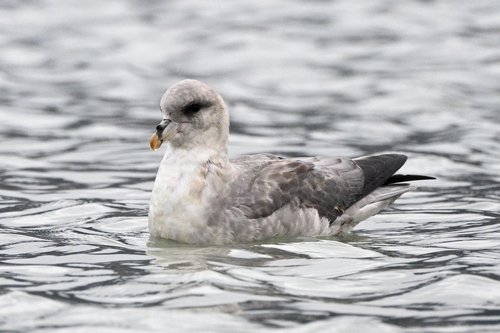
フルマカモメ (Fulmarus glacialis) フルマカモメ
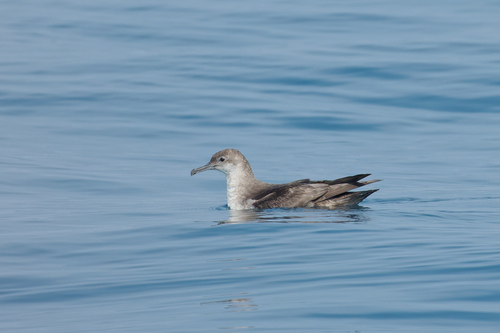
ヨーロッパミズナギドリ (Puffinus mauretanicus) ヨーロッパミズナギドリ

メディア

読み込み中…

要点

ノーザンフルマカモメとヨーロッパミズナギドリの最も信頼できるフィールドマークは、フルマカモメの厚く淡い黄色のくちばしと、牛の首のような重い頭部の外観であり、これは遠くからでも明らかです。フルマカモメは、翼にほとんど柔軟性がない明らかに硬い、直線的な飛行を示し、一方でヨーロッパミズナギドリは、しばしば水面を低く滑るように飛ぶ、より浮遊感のある弧を描く飛行を持っています。すべての羽色において、フルマカモメはよりずんぐりしており、翼が広いのに対し、ヨーロッパミズナギドリはスリムで、より長く狭い翼と流線型の外観を持っています。両者は上面が灰色がかっていて下面が淡い色に見えることがありますが、フルマカモメの色相と構造が区別の鍵となります。

識別のコツ

  1. Bill shape and color: フルマカモメは、上部に管状の鼻孔を持つ厚く淡い黄色のくちばしを持っています; ヨーロッパミズナギドリのくちばしは、よりスリムで、暗く、尖っています。これは良好な光の下で中程度の距離で見ることができます。
  2. Head and neck: フルマカモメは牛の首のように見え、重い頭部を持ち、短く太い首をしています; ヨーロッパミズナギドリは、より細く流線型の頭部と首を持っています。
  3. Flight style: フルマカモメは、硬く浅い翼の羽ばたきで飛び、直線的な翼で滑空し、めったに降下したりバンクしたりしません; ヨーロッパミズナギドリは、浮遊感のある弧を描く飛行を持ち、左右にバンクし、しばしば水面を滑ります。
  4. Wing shape: フルマカモメの翼は広く鈍い先端を持っています; ヨーロッパミズナギドリの翼は長く狭く尖っており、より優雅なシルエットを与えます。
  5. Body shape: フルマカモメはずんぐりしており、深い体を持ち、しばしばバレル胸と表現されます; ヨーロッパミズナギドリはスリムで細長いです。
  6. Plumage contrast: 明るい色相のフルマカモメは、白い頭/体と灰色の翼/尾の間に鋭いコントラストを示します; ヨーロッパミズナギドリは、上面がより均一に茶色で、下面が汚れた白で、コントラストが少ないです。
  7. Dark morph confusion: ダークモーフのフルマカモメは均一に灰色に見えることがあり、遠くからヨーロッパミズナギドリと混同されることがありますが、依然として重い体格と厚いくちばしを示します。
  8. Underwing pattern: フルマカモメ(特に明るい色相)は、上面に淡い内側の一次羽を持っています; ヨーロッパミズナギドリはこれを欠き、より均一な暗い上面を示します。
  9. Leg color: フルマカモメは青みがかった脚を持っています(止まっているときや水面近くで見える); ヨーロッパミズナギドリの脚はフィールドでは特に目立ちません。
  10. Sitting posture: 水面では、フルマカモメは高く座り、ずんぐりして見えます; ヨーロッパミズナギドリは低く座り、よりスリムに見えます。
  11. Size impression: フルマカモメははるかに大きく重いです; 一緒に見られた場合、サイズの違いは明らかです。
  12. Habitat and range: フルマカモメは亜北極および北大西洋の水域で一般的です; ヨーロッパミズナギドリは地中海以外では珍しいです。
  13. Plumage variation: フルマカモメは顕著な個体差を示します(明るい、暗い、中間色相); ヨーロッパミズナギドリは色合いがより一貫しています。
  14. Association: フルマカモメはしばしば他の大型海鳥と関連し、混合群れで見られることがあります; ヨーロッパミズナギドリは、より小さな群れや単独で見られる可能性が高いです。
  15. Pitfall: カモメは似たような色合いのためにフルマカモメと間違われることがありますが、厚いくちばしと飛行スタイルは特徴的です; ヨーロッパミズナギドリはカモメと混同される可能性は低いですが、他のミズナギドリと間違われることがあります。

大きさ

ノーザンフルマカモメは、46 cmの長さで、102–112 cmの翼幅、体重は450–1000 gと、はるかに大きく重いです [wikipedia][avonet]。ヨーロッパミズナギドリは、34–39 cmの長さ、78–90 cmの翼幅、そしてはるかにスリムな体格で、より小さく軽いです [wikipedia][avonet]。フィールドでは、フルマカモメは広くずんぐりして見えるのに対し、ヨーロッパミズナギドリは明らかにスリムで細長いです。

羽色

どちらの種についても年齢特有の上面パターンは記載されていないため、区別は全体の色合いと構造に依存します。ノーザンフルマカモメは明るい色相と暗い色相があります: 明るい色相は白い頭と体を持ち、灰色の翼と尾を持っていますが、暗い色相は均一に灰色です。すべての色相は上面に淡い内側の一次羽を示しますが、暗い色相だけが下に広範囲な暗色を持っています。ヨーロッパミズナギドリは全体的にコントラストが少なく、上面は暗い茶色で、下面は汚れた白で、上面と下面の間に徐々に移行があります。飛行中、ヨーロッパミズナギドリは、暗い上面と淡い下面がバンクする際にフラッシュするクラシックなミズナギドリのパターンを示しますが、明るい色相のフルマカモメの鋭いコントラストは欠けています。フルマカモメは常に厚く淡いくちばしと青みがかった脚を示し、ヨーロッパミズナギドリのくちばしはスリムでより尖っています。

行動

ノーザンフルマカモメは、硬く浅い翼の羽ばたきで飛び、ほとんど柔軟性がなく、しばしば直線的な翼で滑空し、機械的で目的意識的な印象を与えます。めったにシアリングやアークをしません。ヨーロッパミズナギドリは、他のPuffinusと同様に、浮遊感のある弧を描く飛行を持ち、翼をまっすぐに保ちながら左右に降下し、しばしば水面を低く飛び、翼先がほぼ表面に触れます。水面では、フルマカモメは高く座り、ずんぐりして見えますが、ミズナギドリはより流線型で低く座ります。

生息環境

ノーザンフルマカモメは主に亜北極の北大西洋および北太平洋の水域に生息し、しばしば沖合いにいますが、時には陸に近いところでも見られます。ヨーロッパミズナギドリは地中海の専門家で、移動以外ではこの地域から遠く離れることは稀で、一般的に寒い北の水域で見られる可能性は低いです。フルマカモメは特に北大西洋で非常に豊富で広範囲に分布していますが、ヨーロッパミズナギドリは地中海以外では局所的で希少です。

より良い説明を送る

比較と同じ項目を使ってください。文章はすぐに公開されます。

The most reliable field mark between Northern Fulmar and Balearic Shearwater is the fulmar’s thick, pale yellow bill and bull-necked, heavy-headed appearance, which is obvious even at a distance. Fulmars also show a distinctly stiff, direct flight with little flex in the wings, while Balearic Shearwaters have a more buoyant, arcing flight, often skimming low over the water. In all plumages, fulmars appear chunkier and broader-winged, while Balearic Shearwaters are slimmer, with longer, narrower wings and a more streamlined look. Both can appear greyish above and pale below, but the fulmar’s color morphs and structure are key for separation.

  1. Bill shape and color: Fulmar has a thick, pale yellow bill with tubular nostrils on top; Balearic Shearwater’s bill is slimmer, darker, and more pointed. This is visible at moderate range in good light.
  2. Head and neck: Fulmar appears bull-necked and heavy-headed, with a short, thick neck; Balearic Shearwater has a more slender, streamlined head and neck.
  3. Flight style: Fulmar flies with stiff, shallow wingbeats and glides on straight wings, rarely dipping or banking; Balearic Shearwater has a buoyant, arcing flight, banking from side to side and often skimming the water.
  4. Wing shape: Fulmar’s wings are broad and blunt-tipped; Balearic Shearwater’s wings are long, narrow, and pointed, giving a more elegant silhouette.
  5. Body shape: Fulmar is chunky and deep-bodied, often described as barrel-chested; Balearic Shearwater is slim and elongated.
  6. Plumage contrast: Light-morph Fulmar shows sharp contrast between white head/body and grey wings/tail; Balearic Shearwater is more uniformly brown above and dirty white below, with less contrast.
  7. Dark morph confusion: Dark-morph Fulmars can appear uniformly grey and may be confused with Balearic Shearwater at distance, but still show a heavier build and thick bill.
  8. Underwing pattern: Fulmars (especially light morphs) have pale inner primaries above; Balearic Shearwater lacks this, showing more uniform dark upperwings.
  9. Leg color: Fulmar has bluish legs (seen when perched or close on water); Balearic Shearwater’s legs are not distinctive in the field.
  10. Sitting posture: On water, Fulmar sits high and looks bulky; Balearic Shearwater sits lower and appears sleeker.
  11. Size impression: Fulmar is much larger and heavier; if seen together, the size difference is obvious.
  12. Habitat and range: Fulmar is common in subarctic and North Atlantic waters; Balearic Shearwater is rare outside the Mediterranean.
  13. Plumage variation: Fulmar shows marked individual variation (light, dark, intermediate morphs); Balearic Shearwater is more consistent in coloration.
  14. Association: Fulmars often associate with other large seabirds and can be seen in mixed flocks; Balearic Shearwaters are more likely to be seen in smaller groups or singly.
  15. Pitfall: Gulls can be mistaken for Fulmar due to similar coloration, but the thick bill and flight style are distinctive; Balearic Shearwater is unlikely to be confused with gulls but can be mistaken for other shearwaters.

Northern Fulmar is significantly larger and heavier: 46 cm long with a 102–112 cm wingspan and body mass of 450–1000 g [wikipedia][avonet]. Balearic Shearwater is smaller and lighter, at 34–39 cm in length, 78–90 cm wingspan, and a much slimmer build [wikipedia][avonet]. In the field, fulmars look broad and chunky, while Balearic Shearwaters are noticeably sleeker and more elongated.

No age-specific upperwing patterns are described for either species, so separation relies on overall coloration and structure. Northern Fulmar comes in light and dark morphs: light morphs have a white head and body with grey wings and tail, while dark morphs are uniformly grey. All morphs show pale inner primaries on the upperwing, but only the dark morph has extensive dark below. Balearic Shearwater is overall less contrasting: dark brown above and dirty white below, with a gradual transition between upper and underparts. In flight, Balearic Shearwater shows a classic shearwater pattern, with the dark upperparts and paler undersides flashing as it banks, but lacks the sharp contrast of a light-morph fulmar. Fulmars always show a thick, pale bill and bluish legs, while Balearic Shearwater’s bill is slimmer and more pointed.

Northern Fulmar flies with stiff, shallow wingbeats and little flex, often gliding on straight wings, giving a mechanical, purposeful impression. It rarely shears or arcs. Balearic Shearwater, like other Puffinus, has a buoyant, arcing flight, dipping from side to side with wings held out straight, often flying low over the water with wingtips nearly touching the surface. On the water, fulmars sit higher and look bulkier, while shearwaters are more streamlined and sit lower.

Northern Fulmar is primarily found in subarctic North Atlantic and North Pacific waters, often far offshore but sometimes seen closer to land. Balearic Shearwater is a Mediterranean specialist, rarely straying far from the region except in migration, and is generally less likely to be seen in colder northern waters. Fulmars are much more abundant and widespread, especially in the North Atlantic, while Balearic Shearwater is local and scarce outside the Mediterranean.

変更を破棄しますか?

保存していない編集があります。今離れると失われます。

フルマカモメ · ヨーロッパミズナギドリ · 苦手な鳥