

Motmot

キタチャノドハタオリ 対 キイロメンガタハタオリ

Ploceus castanops 対 Ploceus vitellinus

キタチャノドハタオリとキイロメンガタハタオリのクイズ

キタチャノドハタオリ (Ploceus castanops) キタチャノドハタオリ
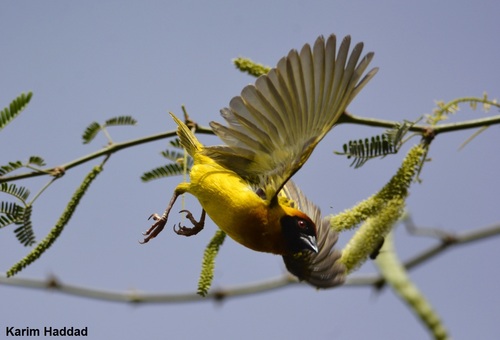
キイロメンガタハタオリ (Ploceus vitellinus) キイロメンガタハタオリ

メディア

読み込み中…

要点

キタチャノドハタオリとキイロメンガタハタオリをフィールドで区別するのは、構造が似ていて一般的なハタオリの外観があるため、特に繁殖シーズン外の成鳥や幼鳥を観察する際には難しいです。実際の最も信頼できる区別は地理的なもので、キタチャノドハタオリは東アフリカの小さな地域(特にウガンダ、ルワンダ、隣接地域)に限定されているのに対し、キイロメンガタハタオリは西部、中央、東部アフリカ全体に広がっています。どちらの種にも特定の年齢に特有の翼や飛行パターンは記録されていないため、フィールドでの区別は主に分布、微妙な羽毛の違い(存在する場合)、および文脈に依存しています。構造的および行動的な違いは、利用可能な情報源には記載されていません。

識別のコツ

  1. まず範囲を確認: ウガンダ、ルワンダ、隣接する北部ブルンジ、東部コンゴ民主共和国、西部ケニア、または北西タンザニアの外にいる場合、ほぼ確実にキイロメンガタハタオリを見ていることになります。キタチャノドハタオリは他の場所には生息していません。
  2. 重複ゾーン内では、両方の可能性がある: 西部ケニアや北西タンザニアでは、両方の種が存在する可能性があるため、範囲だけに頼らないでください。
  3. 特有の幼鳥や未成熟の翼パターンはない: どちらの種も、年齢に関係なく特有の上翼や飛行パターンを持っているとは記録されていないため、これに頼って区別しないでください。
  4. 羽毛は信頼できる診断基準ではない: 両方の種は典型的な黄色と茶色のハタオリであり、利用可能な情報源には成鳥や幼鳥の特定の羽毛の違いは記載されていません。
  5. サイズと構造は似ている: 両方とも中型のハタオリであり、くちばしの形、尾、または全体的な構造に関する記録された違いはありません。
  6. 生息地の重複: 両方の種は、湿地や湖岸の生息地を使用しているため、重複ゾーン内では生息地だけでは信頼できる区別にはなりません。
  7. 性別と季節: これらの2種間の性別または季節に特有の羽毛の違いに関する情報は利用できないため、これらは区別には役立ちません。
  8. 声は記載されていない: 情報源には特有の声の違いは記載されていないため、呼び声や歌に頼って区別しないでください。
  9. 繁殖羽毛: 詳細な地域のフィールドガイドや写真にアクセスできる場合、繁殖期のオスの顔のパターンや喉の色の微妙な違いを確認してください。ただし、これらは提供された情報源には記載されていません。
  10. コミュニティの報告: 地元の専門家とバードウォッチングをする場合、特定の場所での各種の可能性について尋ねてください。地元の豊富さが同定の手助けになるかもしれません。
  11. 後で確認するために写真を撮る: 明確なフィールドマークが不足しているため、地域のフィールドガイドや専門家のレビューと後で比較するために写真を撮ってください。
  12. 構造を過剰解釈しない: 両方とも典型的なPloceusのハタオリであるため、くちばしの長さ、尾の形、または姿勢を区別の基準として使用しないでください。
  13. 群れの構成を考慮する: 混合ハタオリの群れを見た場合、他の種の存在に注意してください。ただし、単に関連性に基づいてどちらの種かを推測しないでください。
  14. 不確実性について正直である: 範囲を確認できない場合や、短時間または不十分な視界しかない場合は、2つの間で同定を未解決のままにしておくのが合理的です。
  15. 地域のチェックリストを参照する: eBirdや地域の鳥類学的チェックリストは、特定の季節においてどの種があなたの地域でより可能性が高いかを明確にするのに役立つかもしれません。

大きさ

キタチャノドハタオリのみが記録された平均体重(21.5 g [wikidata])を持ち、これは中型のハタオリに典型的です。キイロメンガタハタオリの直接的な体重やサイズデータは利用できませんが、両方とも構造とサイズが似ているため、これは有用なフィールドマークではありません。

羽色

利用可能な情報源には、これらの2種に関する詳細な羽毛の違い、特に幼鳥や未成熟のものについては記載されていません。両方とも典型的なPloceusのハタオリであり、似たような黄色と茶色の色合いを示している可能性が高く、どちらの種にも年齢に関係なく特有の上翼や飛行パターンは報告されていません。したがって、羽毛に基づく区別はさらなる詳細がない限り信頼できず、非繁殖期または未成熟の鳥を観察する際には混乱が生じる可能性があります。

生息環境

両方の種は、湿地、湖岸、葦原など、ハタオリに典型的な生息地で発生します。ただし、彼らの分布は部分的にしか重なりません。キタチャノドハタオリはウガンダ、ルワンダ、北部ブルンジ、東部コンゴ民主共和国、西部ケニア、北西タンザニアに限定されているのに対し、キイロメンガタハタオリは西部、中央、東部アフリカ全体に広がっています。キタチャノドハタオリの限られた東アフリカの分布の外にいる場合、キイロメンガタハタオリの方がはるかに可能性が高いです。重複ゾーン内では、両方が似たような湿地や湖岸の生息地に存在する可能性があります。

より良い説明を送る

比較と同じ項目を使ってください。文章はすぐに公開されます。

Separating Northern Brown-throated Weaver from Vitelline Masked-Weaver in the field is challenging due to their similar structure and general weaver appearance, especially when viewing adults outside the breeding season or immatures. The most reliable separation in practice is geographic: Northern Brown-throated Weaver is restricted to a smaller region in East Africa (notably Uganda, Rwanda, and adjacent areas), while Vitelline Masked-Weaver is widespread across western, central, and eastern Africa. No distinctive age-specific wing or flight pattern is documented for either species, so field separation relies heavily on range, subtle plumage differences (when present), and context. Structural and behavioral differences are not documented in the available sources.

  1. Check the range first: If you are outside Uganda, Rwanda, adjacent northern Burundi, eastern DRC, western Kenya, or northwestern Tanzania, you are almost certainly looking at Vitelline Masked-Weaver, as Northern Brown-throated Weaver does not occur elsewhere.
  2. Within the overlap zone, both are possible: In western Kenya or northwestern Tanzania, both species could be present, so do not rely on range alone.
  3. No distinctive juvenile or immature wing pattern: Neither species is documented as having a unique upperwing or flight pattern at any age, so do not rely on this for separation.
  4. Plumage is not reliably diagnostic: Both species are typical yellow-and-brown weavers, and no specific plumage differences are documented for adults or immatures in the available sources.
  5. Size and structure are similar: Both are medium-sized weavers with no documented differences in bill shape, tail, or overall build.
  6. Habitat overlap: Both species use similar wetland and lakeside habitats, so habitat alone is not a reliable separator within the overlap zone.
  7. Sex and season: No information is available on sex- or season-specific plumage differences between these two species, so these are not helpful for separation.
  8. Voice not described: No distinctive vocal differences are documented in the sources, so do not rely on calls or songs for separation.
  9. Breeding plumage: If you have access to detailed local field guides or photographs, check for subtle differences in face pattern or throat color in breeding males, but these are not described in the provided sources.
  10. Community reports: If birding with local experts, ask about the likelihood of each species in your specific location, as local abundance may help guide your identification.
  11. Photograph for later review: Given the lack of clear field marks, take photos for later comparison with regional field guides or expert review.
  12. Do not overinterpret structure: Since both are typical Ploceus weavers, do not use bill length, tail shape, or posture as a separator.
  13. Consider flock composition: If you see a mixed weaver flock, note the presence of other species, but do not assume either species based on association alone.
  14. Be honest about uncertainty: If you cannot confirm range or have only a brief or poor view, it is reasonable to leave the identification as unresolved between the two.
  15. Consult local checklists: eBird and local ornithological checklists may help clarify which species is more likely in your area at a given season.

Only Northern Brown-throated Weaver has a documented average mass (21.5 g [wikidata]), which is typical for a medium-sized weaver. No direct mass or size data is available for Vitelline Masked-Weaver, but both are similar in build and size, so this is not a useful field mark.

No detailed plumage differences, especially for juveniles or immatures, are described in the available sources for these two species. Both are typical Ploceus weavers, likely showing similar yellow and brown coloration, and no distinctive upperwing or flight pattern is reported for either species at any age. Therefore, plumage-based separation is not reliable without further detail, and confusion is likely when viewing non-breeding or immature birds.

Both species occur in similar habitats typical of weavers, such as wetlands, lakeshores, and reedbeds. However, their ranges only partially overlap: Northern Brown-throated Weaver is limited to Uganda, Rwanda, northern Burundi, eastern DRC, western Kenya, and northwestern Tanzania, while Vitelline Masked-Weaver is much more widespread across western, central, and eastern Africa. If you are outside the limited East African range of Northern Brown-throated Weaver, Vitelline Masked-Weaver is far more likely. Within the overlap zone, both could occur in similar wetland or lakeside habitats.

変更を破棄しますか?

保存していない編集があります。今離れると失われます。

キタチャノドハタオリ · キイロメンガタハタオリ · 苦手な鳥