

Motmot

メグロハエトリ 対 キバラシラギクタイランチョウ

Camptostoma imberbe 対 Elaenia flavogaster

メグロハエトリとキバラシラギクタイランチョウのクイズ
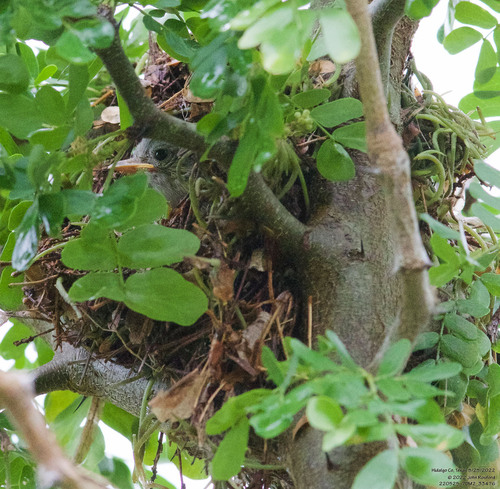
メグロハエトリ (Camptostoma imberbe) メグロハエトリ
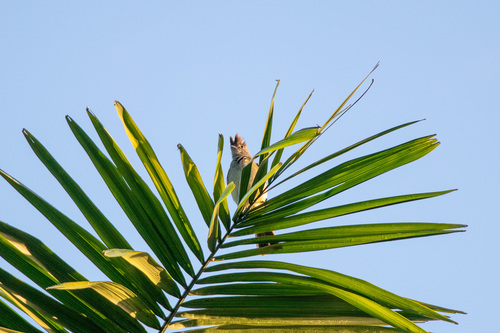
キバラシラギクタイランチョウ (Elaenia flavogaster) キバラシラギクタイランチョウ

メディア

読み込み中…

要点

メグロハエトリとキバラシラギクタイランチョウを区別する最も信頼できるフィールドマークは、全体のサイズと構造です:タイランヌレットははるかに小さく、より繊細で、尾が短く、明らかに小さく、ピンク色の基部を持つくちばしを持っています。一方、エレイニアはより大きく、長く、ふさふさした冠と暗いくちばしを持っています。両種は黄色がかった腹部と2本の淡い翼帯を持っていますが、タイランヌレットは全体的に地味でコントラストが少なく、翼帯はより微妙で、よりコンパクトで活発な印象を与えます。止まっているときや飛んでいるときの視点では、タイランヌレットの小さなサイズ、淡いスーパシリウム、ピンクがかったくちばしと、エレイニアの大きなサイズ、ふさふさした冠、淡い基部を持つ黒いくちばしを見分けてください。声と生息地は重複しますので、確実な区別のためには構造と羽毛の詳細に頼ってください。

識別のコツ

  1. Size is the first check: 鳥が小さくて繊細であれば、メグロハエトリを考えてください。明らかに大きくてがっしりしていれば、キバラシラギクタイランチョウの可能性が高いです。
  2. Bill color and shape: タイランヌレットは小さく、ピンクがかったくちばしを持っています。エレイニアは、基部が淡い黒いくちばしを持っています。良い光の中ではくちばしの色がよく見えます。
  3. Crest shape and use: タイランヌレットの冠は立ち上がりますが、通常は控えめです。エレイニアの冠はふさふさしていて目立ち、しばしば部分的に隠れた白い中央のストライプを持っています(特に立ち上がっているとき)。
  4. Supercilium and facial pattern: タイランヌレットは暗い茶色の頭の上に淡いスーパシリウム(眉毛)を示し、より明確な顔のコントラストを与えます。エレイニアは白っぽいロア、淡いアイリング、全体的に淡い顔を持っていますが、強いスーパシリウムは欠けています。
  5. Wing bars: 両方とも2本の淡い翼帯を持っていますが、タイランヌレットのものは白っぽく、明るさが少なく、エレイニアのものは黄色がかった白で通常はより目立ちます。
  6. Upperparts color: タイランヌレットは上面が灰緑色で、尾の上はより淡いです。エレイニアは上面が茶色がかったオリーブ色で、亜種によってはより緑がかったり灰色がかったりします。
  7. Underparts: タイランヌレットの喉は灰色、胸は黄色がかり、腹は黄色ですが明るくはありません。エレイニアの喉は淡い灰色、胸はオリーブグレー、腹はより明るい黄色から淡い黄色または白っぽい色で、特にいくつかの亜種では顕著です。
  8. Tail: タイランヌレットの尾は短くて茶色です。エレイニアの尾は長く、背中よりもやや暗いです。
  9. Jizz and behavior: タイランヌレットは素早く、活発で、興奮すると尾を振ったり冠を立てたりします。エレイニアはより直立していて、がっしりしており、あまり慌ただしくありません。
  10. Voice: 大きな笛のような「Fleeeeeerrr」や繰り返しの「flee-flee-flee-flee」を聞いたら、それはタイランヌレットです。エレイニアの鳴き声はここでは詳しく述べられていません。
  11. Habitat: 両方とも似たようなエッジや庭の生息地に出現しますが、エレイニアは特にタイランヌレットの限られた範囲の外では、開けたまたは茂みのある地域にいる可能性が高いです。
  12. Sex and age: 両種は性的に単形で(性別が似ている)、年齢特有の上翼パターンは記載されていないため、すべての年齢に対して成鳥のフィールドマークを使用してください。
  13. Pitfalls: 黄色の腹部や翼帯だけに頼らないでください—両種ともこれを示します。サイズ、くちばし、顔のパターン、全体の明るさに焦点を当ててください。
  14. Range: タイランヌレットの範囲(南西部アメリカからコスタリカ北西部)外であれば、ほぼ確実にエレイニアです。両方が出現する場所では、構造的および羽毛のマークを使用してください。
  15. Flock association: タイランヌレットは混合フロックに参加し、ビレオやウグイスのように振る舞うことがあります。エレイニアはしばしば単独またはペアで見られ、サイズと声のためにより目立ちます。

大きさ

キバラシラギクタイランチョウは、非常に小さなメグロハエトリ(10.2 cm、7.5 g [wikipedia])と比較して、かなり大きくて重い(15–17 cm、21–29 g [wikidata])です。フィールドでは、エレイニアはフライキャッチャーとして中型に見え、がっしりした体と長い尾を持っています。一方、タイランヌレットは特に小さく、ほぼウグイスのようなサイズと比率です。このサイズの違いは、並べて見たり、スケールのために馴染みのある種と一緒に見たりすると通常は明らかです。

羽色

両種は2本の淡い翼帯と黄色がかった腹部を持っていますが、詳細は異なります。メグロハエトリ(すべての年齢)は全体的に地味です:その翼帯は白っぽいですが、エレイニアのものよりも明るさが少なく、はっきりとした定義がありません。また、翼の黄色い羽毛の縁取りは微妙です。タイランヌレットの上面は灰緑色で、尾の上でより淡くなり、淡いスーパシリウムと立ち上がる冠(通常はエレイニアのものほどふさふさしていない)を持つ暗い茶色の頭を持っています。くちばしはピンクがかっています。喉は灰色、胸は黄色がかり、腹は黄色です。対照的に、キバラシラギクタイランチョウ(成鳥と幼鳥)は上面が茶色がかったオリーブ色で、部分的に隠れた白い中央のストライプを示すことができるふさふさした冠、淡い白っぽいアイリング、基部が淡い黒いくちばしを持っています。その翼帯は黄色がかった白で通常はより目立ち、腹部は特に明るい黄色から淡い黄色で、特に腹部で顕著です。エレイニアの顔はより淡く、白っぽいロアと淡いアイリングを持ち、全体的な印象はよりコントラストがあり、明るい鳥です。どちらの種にも特有の幼鳥や未熟な上翼パターンは記載されていないため、これらのコントラストはすべての年齢に適用されます。

行動

メグロハエトリは非常に活発で、ビレオやウグイスのような方法で餌を食べ、興奮すると尾を振ったり冠を立てたりします。葉の間を素早く落ち着きなく動く傾向があります。キバラシラギクタイランチョウも活発ですが、よりがっしりしていて繊細さが少なく、しばしばより直立して止まり、ふさふさした冠を見せます。エレイニアの動きはあまり慌ただしくなく、採餌時にはより意図的に見えることがあります。

生息環境

両種は軽く木が生えた生息地、庭、エッジに出現し、両方とも木のある耕作された地域で見つけることができます。タイランヌレットは範囲がより制限されており(南西部アメリカからコスタリカ北西部)、エレイニアははるかに広範囲に分布しています(メキシコから南アメリカおよび多くの島々)。エレイニアは密な森林を避ける傾向があり、サバンナ、低木、二次林、郊外の公園を好み、一部の地域ではより高い標高で見られます。生息地だけでは範囲が重複する場所では診断的ではありませんが、エレイニアは開けた、茂みのある、または公園のような環境で見られる可能性が高いです。

声

両種とも声を出しますが、鳴き声は異なります。メグロハエトリは大きな笛のような「Fleeeeeerrr」や壊れた「fleeer-it」、繰り返しの「flee-flee-flee-flee」の音を出し、しばしば冠を立てて尾を振ります。キバラシラギクタイランチョウの鳴き声はここでは詳しく述べられていないため、タイランヌレットの特有の笛のような鳴き声が聞こえない限り、声はここでは信頼できる区別にはなりません。

より良い説明を送る

比較と同じ項目を使ってください。文章はすぐに公開されます。

The most reliable field mark to separate Northern Beardless-Tyrannulet from Yellow-bellied Elaenia is overall size and structure: the tyrannulet is much smaller and more delicate, with a shorter tail and a noticeably smaller, pink-based bill, while the elaenia is bulkier, longer, and has a bushier crest and a dark bill. Both species have yellowish underparts and two pale wing bars, but the tyrannulet is drabber and less contrasting overall, with subtler wing bars and a more compact, active jizz. In perched or flight views, look for the tyrannulet's small size, pale supercilium, and pinkish bill versus the elaenia's larger size, bushy crest, and black bill with pale base. Voice and habitat overlap, so rely on structure and plumage details for confident separation.

  1. Size is the first check: If the bird is tiny and delicate, think Northern Beardless-Tyrannulet; if noticeably larger and bulkier, it's likely Yellow-bellied Elaenia.
  2. Bill color and shape: Tyrannulet has a small, pinkish bill; elaenia has a stouter, black bill with a pale base to the mandible. Bill color is often visible in good light.
  3. Crest shape and use: Tyrannulet's crest is erectile but usually subtle; elaenia's crest is bushier and more prominent, often with a partially concealed white central stripe (especially when raised).
  4. Supercilium and facial pattern: Tyrannulet shows a pale supercilium (eyebrow) above a dark brown head, giving a more marked facial contrast; elaenia has whitish lores, a faint eyering, and a paler face overall, but lacks a strong supercilium.
  5. Wing bars: Both have two pale wing bars, but the tyrannulet's are whitish and less bright, while the elaenia's are yellowish-white and usually more obvious.
  6. Upperparts color: Tyrannulet is grey-green above, paler on the rump; elaenia is brownish olive above, sometimes with a greener or grayer cast depending on subspecies.
  7. Underparts: Tyrannulet's throat is grey, breast yellowish, and belly yellow but not bright; elaenia's throat is pale gray, breast olive-gray, and belly a brighter yellow to pale yellow or whitish, especially in some subspecies.
  8. Tail: Tyrannulet's tail is short and brown; elaenia's tail is longer and slightly duskier than the back.
  9. Jizz and behavior: Tyrannulet is quick, active, and often flicks its tail and raises its crest when excited; elaenia is more upright, bulkier, and less frenetic.
  10. Voice: If you hear a loud, whistled 'Fleeeeeerrr' or repeated 'flee-flee-flee-flee', it's the tyrannulet. Elaenia's calls are not detailed here.
  11. Habitat: Both can occur in similar edge and garden habitats, but elaenia is more likely in open or brushy areas, especially outside the tyrannulet's limited range.
  12. Sex and age: Both species are sexually monomorphic (sexes look alike), and no age-specific upperwing patterns are noted for either, so use adult field marks for all ages.
  13. Pitfalls: Do not rely solely on yellow underparts or wing bars—both species show these. Focus on size, bill, facial pattern, and overall brightness.
  14. Range: If outside the tyrannulet's range (southwestern US to NW Costa Rica), it's almost certainly elaenia. Where both occur, use structural and plumage marks.
  15. Flock association: Tyrannulet may join mixed flocks and behave like a vireo or warbler; elaenia is often seen singly or in pairs, more conspicuous due to size and voice.

Yellow-bellied Elaenia is substantially larger and heavier (15–17 cm, 21–29 g [wikidata]) compared to the tiny Northern Beardless-Tyrannulet (10.2 cm, 7.5 g [wikipedia]). In the field, the elaenia appears medium-sized for a flycatcher, with a bulkier body and longer tail, while the tyrannulet is notably petite, almost warbler-like in size and proportions. This size difference is usually obvious when seen side-by-side or with familiar species for scale.

Both species have two pale wing bars and yellowish underparts, but the details differ. The Northern Beardless-Tyrannulet (all ages) is overall drabber: its wing bars are whitish but less bright and less sharply defined than those of the elaenia, and its yellow feather-edging on the wings is subtle. The tyrannulet's upperparts are grey-green, becoming paler on the rump, with a dark brown head featuring a pale supercilium and an erectile crest (usually not as bushy as the elaenia's). The bill is pinkish. The throat is grey, breast yellowish, and belly yellow. In contrast, Yellow-bellied Elaenia (adults and immatures) is brownish olive above, with a bushy crest that can show a partially concealed white central stripe, a faint whitish eyering, and a black bill with a pale base to the mandible. Its wing bars are yellowish-white and typically more prominent, and its underparts are brighter yellow to pale yellow, especially on the belly. The elaenia's face is paler, with whitish lores and a faint eyering, and the overall impression is of a more contrasting, brighter bird. No distinctive juvenile or immature upperwing pattern is noted for either species, so these contrasts apply to all ages.

Northern Beardless-Tyrannulet is very active, feeding in a vireo- or warbler-like manner, often flicking its tail and raising its crest when excited. It tends to move quickly and restlessly through foliage. Yellow-bellied Elaenia is also active but appears bulkier and less delicate, often perching more upright and showing off its bushy crest. The elaenia's movements are less frenetic, and it may appear more deliberate when foraging.

Both species occur in lightly wooded habitats, gardens, and edges, and both can be found in cultivated areas with trees. The tyrannulet is more restricted in range (southwestern US to NW Costa Rica), while the elaenia is much more widespread (Mexico to South America and many islands). Elaenia tends to avoid dense forest, favoring savanna, scrub, secondary woodland, and suburban parks, and is found at higher elevations in some regions. Habitat alone is not diagnostic where ranges overlap, but the elaenia is more likely in open, brushy, or park-like settings.

Both species are vocal, but their calls differ. Northern Beardless-Tyrannulet gives a loud, whistled 'Fleeeeeerrr' or broken 'fleeer-it' and repeated 'flee-flee-flee-flee' notes, often with raised crest and tail flicking. Yellow-bellied Elaenia's vocalizations are not detailed in these notes, so voice is not a reliable separator here unless the tyrannulet's distinctive whistled calls are heard.

変更を破棄しますか?

保存していない編集があります。今離れると失われます。

メグロハエトリ · キバラシラギクタイランチョウ · 苦手な鳥