

Mosquerito Imberbe vs Fiofío Ventriamarillo
Camptostoma imberbe frente a Elaenia flavogaster
Juega un quiz con Mosquerito Imberbe y Fiofío Ventriamarillo
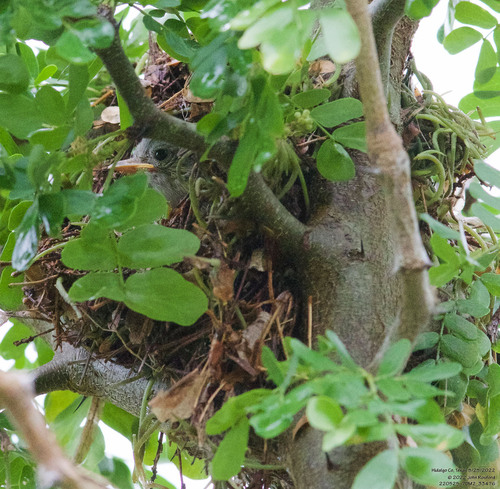 Mosquerito Imberbe
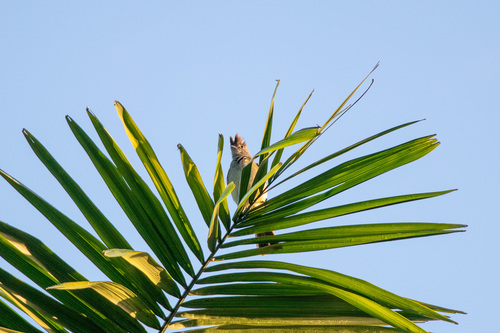 Fiofío Ventriamarillo
En breve
La marca de campo más confiable para separar el Mosquerito Imberbe del Fiofío Ventriamarillo es el tamaño y la estructura general: el mosquerito es mucho más pequeño y más delicado, con una cola más corta y un pico notablemente más pequeño y de base rosada, mientras que el fiofío es más robusto, más largo y tiene una cresta más frondosa y un pico oscuro. Ambas especies tienen partes inferiores amarillentas y dos barras alares pálidas, pero el mosquerito es más apagado y menos contrastante en general, con barras alares más sutiles y un comportamiento más compacto y activo. En vistas posadas o en vuelo, busca el pequeño tamaño del mosquerito, el supercilio pálido y el pico rosado frente al tamaño más grande del fiofío, la cresta frondosa y el pico negro con base pálida. La voz y el hábitat se superponen, así que confía en la estructura y los detalles del plumaje para una separación confiable.
Consejos de identificación
- El tamaño es la primera verificación: Si el pájaro es pequeño y delicado, piensa en el Mosquerito Imberbe; si es notablemente más grande y robusto, probablemente sea el Fiofío Ventriamarillo.
- Color y forma del pico: El mosquerito tiene un pico pequeño y rosado; el fiofío tiene un pico más robusto y negro con una base pálida en la mandíbula. El color del pico a menudo es visible con buena luz.
- Forma y uso de la cresta: La cresta del mosquerito es erecta pero generalmente sutil; la cresta del fiofío es más frondosa y prominente, a menudo con una franja central blanca parcialmente oculta (especialmente cuando está erguida).
- Supercilio y patrón facial: El mosquerito muestra un supercilio pálido (ceja) sobre una cabeza marrón oscura, dando un contraste facial más marcado; el fiofío tiene lore blanquecinos, un anillo ocular tenue y una cara más pálida en general, pero carece de un supercilio fuerte.
- Barras alares: Ambos tienen dos barras alares pálidas, pero las del mosquerito son blanquecinas y menos brillantes, mientras que las del fiofío son amarillentas y generalmente más obvias.
- Color de las partes superiores: El mosquerito es verde grisáceo por encima, más pálido en el rabadilla; el fiofío es oliva marrón por encima, a veces con un tono más verde o gris dependiendo de la subespecie.
- Partes inferiores: La garganta del mosquerito es gris, el pecho amarillento y el vientre amarillo pero no brillante; la garganta del fiofío es gris pálido, el pecho oliva-gris y el vientre de un amarillo más brillante a amarillo pálido o blanquecino, especialmente en algunas subespecies.
- Cola: La cola del mosquerito es corta y marrón; la cola del fiofío es más larga y ligeramente más oscura que la espalda.
- Comportamiento y actitud: El mosquerito es rápido, activo y a menudo mueve su cola y levanta su cresta cuando está emocionado; el fiofío es más erguido, más robusto y menos frenético.
- Voz: Si escuchas un fuerte 'Fleeeeeerrr' silbado o un 'flee-flee-flee-flee' repetido, es el mosquerito. Las llamadas del fiofío no se detallan aquí.
- Hábitat: Ambos pueden ocurrir en hábitats de borde y jardín similares, pero el fiofío es más probable que se encuentre en áreas abiertas o arbustivas, especialmente fuera del rango limitado del mosquerito.
- Sexo y edad: Ambas especies son sexualmente monomórficas (los sexos se parecen), y no se observan patrones específicos de alas superiores por edad para ninguna de las dos, así que usa marcas de campo de adultos para todas las edades.
- Trampas: No te bases únicamente en las partes inferiores amarillas o las barras alares; ambas especies muestran estas características. Enfócate en el tamaño, el pico, el patrón facial y el brillo general.
- Rango: Si está fuera del rango del mosquerito (suroeste de EE. UU. a Noroeste de Costa Rica), es casi seguro que es el fiofío. Donde ambas ocurren, usa marcas estructurales y de plumaje.
- Asociación en bandadas: El mosquerito puede unirse a bandadas mixtas y comportarse como un vireo o un currucán; el fiofío a menudo se ve solo o en parejas, más conspicuo debido a su tamaño y voz.
Tamaño
El Fiofío Ventriamarillo es sustancialmente más grande y pesado (15–17 cm, 21–29 g [wikidata]) en comparación con el pequeño Mosquerito Imberbe (10.2 cm, 7.5 g [wikipedia]). En el campo, el fiofío aparece de tamaño mediano para un atrapamoscas, con un cuerpo más robusto y una cola más larga, mientras que el mosquerito es notablemente pequeño, casi del tamaño y proporciones de un currucán. Esta diferencia de tamaño es generalmente obvia cuando se ven uno al lado del otro o con especies familiares para escala.
Plumaje
Ambas especies tienen dos barras alares pálidas y partes inferiores amarillentas, pero los detalles difieren. El Mosquerito Imberbe (todas las edades) es en general más apagado: sus barras alares son blanquecinas pero menos brillantes y menos definidas que las del fiofío, y el borde amarillo de sus plumas en las alas es sutil. Las partes superiores del mosquerito son verde grisáceo, volviéndose más pálidas en el rabadilla, con una cabeza marrón oscura que presenta un supercilio pálido y una cresta erecta (generalmente no tan frondosa como la del fiofío). El pico es rosado. La garganta es gris, el pecho amarillento y el vientre amarillo. En contraste, el Fiofío Ventriamarillo (adultos e inmaduros) es oliva marrón por encima, con una cresta frondosa que puede mostrar una franja central blanca parcialmente oculta, un anillo ocular blanquecino tenue y un pico negro con una base pálida en la mandíbula. Sus barras alares son amarillentas y típicamente más prominentes, y sus partes inferiores son de un amarillo más brillante a amarillo pálido, especialmente en el vientre. La cara del fiofío es más pálida, con lores blanquecinos y un anillo ocular tenue, y la impresión general es de un pájaro más contrastante y brillante. No se observa un patrón distintivo de alas superiores juveniles o inmaduros para ninguna de las especies, por lo que estos contrastes se aplican a todas las edades.
Comportamiento
El Mosquerito Imberbe es muy activo, alimentándose de manera similar a un vireo o un currucán, a menudo moviendo su cola y levantando su cresta cuando está emocionado. Tiende a moverse rápidamente y de manera inquieta a través del follaje. El Fiofío Ventriamarillo también es activo pero parece más robusto y menos delicado, a menudo posándose de manera más erguida y mostrando su cresta frondosa. Los movimientos del fiofío son menos frenéticos, y puede parecer más deliberado al forrajear.
Hábitat
Ambas especies ocurren en hábitats ligeramente boscosos, jardines y bordes, y ambas pueden encontrarse en áreas cultivadas con árboles. El mosquerito tiene un rango más restringido (suroeste de EE. UU. a Noroeste de Costa Rica), mientras que el fiofío es mucho más extendido (México a Sudamérica y muchas islas). El fiofío tiende a evitar el bosque denso, favoreciendo la sabana, el matorral, el bosque secundario y los parques suburbanos, y se encuentra a mayores elevaciones en algunas regiones. El hábitat por sí solo no es diagnóstico donde los rangos se superponen, pero el fiofío es más probable que se encuentre en entornos abiertos, arbustivos o similares a parques.
Voz
Ambas especies son vocales, pero sus llamadas difieren. El Mosquerito Imberbe emite un fuerte 'Fleeeeeerrr' silbado o un 'fleeer-it' roto y notas repetidas de 'flee-flee-flee-flee', a menudo con la cresta levantada y la cola moviéndose. Las vocalizaciones del Fiofío Ventriamarillo no se detallan en estas notas, por lo que la voz no es un separador confiable aquí a menos que se escuchen las distintivas llamadas silbadas del mosquerito.
Mosquerito Imberbe · Fiofío Ventriamarillo · Mis aves difíciles