

Motmot

クリムネサケイ 対 チャバラサケイ

Pterocles namaqua 対 Pterocles exustus

クリムネサケイとチャバラサケイのクイズ
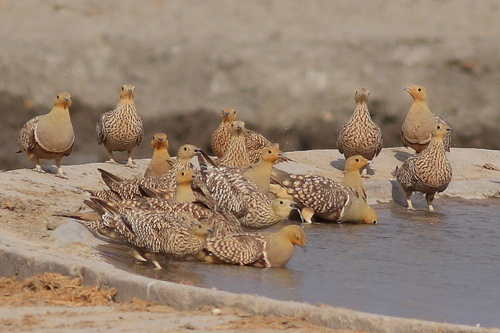
クリムネサケイ (Pterocles namaqua) クリムネサケイ
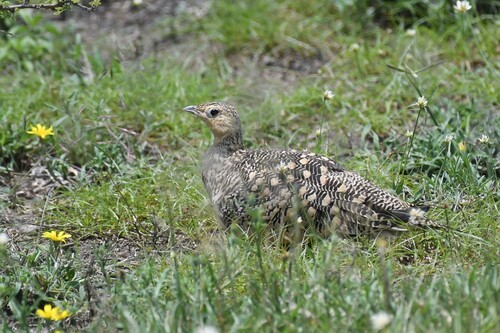
チャバラサケイ (Pterocles exustus) チャバラサケイ

メディア

読み込み中…

要点

ナマクアサケイとチャバラサケイの最も信頼できるフィールドマークは、オスの頭部と胸部のパターンです:ナマクアのオスは、狭い白とダークブラウンのバンドで鮮やかに分けられたオレンジがかったバフの頭部と胸部を示しますが、チャバラサケイのオスは、鈍い黄色オーカーの顔と喉を持ち、チョコレート色の腹部と狭い黒と白のバンドで分けられたワイン色のバフの上胸を持っています。飛行中、両種は長い尖った尾を持っていますが、ナマクアのオスは非常に長い黒い尾のフィラメントを2本示し、チャバラサケイではそれほど目立ちません。両種の雌と幼鳥は隠蔽色でまだら模様ですが、ナマクアは白い斑点が多く、チャバラサケイの雌はより多くの縞模様とストライプがあります。両種は地面に生息し、形状は似ていますが、チャバラサケイはより重く、やや大きめです。生息地と分布が役立ちます:ナマクアは乾燥した南西アフリカに限定されており、チャバラサケイは北部/中央アフリカからアジアにかけて見られます。

識別のコツ

  1. Male head and chest pattern: ナマクアのオスは明るいオレンジがかったバフの頭、喉、胸を持ち、狭い白とダークブラウンのバンドで鮮やかに分けられています;チャバラサケイのオスは鈍い黄色オーカーの顔と喉、ワイン色のバフの上胸、チョコレート色の腹部の上に狭い黒と白のバンドを持っています。これは成鳥のオスにとって最も信頼できるマークです。
  2. Tail filaments in males: ナマクアのオスは、尾の先端を超えてよく見える非常に長く細い黒い尾のフィラメントを2本示します。チャバラサケイのオスは細長い尖った尾を持っていますが、極端なフィラメントはありません。
  3. Back and wing pattern: ナマクアのオスは大きな白い斑点のあるまだら模様の茶色の背中と翼を持っています;チャバラサケイのオスはより均一で、オーカーまたはオリーブ色のトーンで、斑点はあまり目立ちません。
  4. Female/juvenile pattern: ナマクアの雌と幼鳥は白い斑点のある茶色で、より斑点のある外観を持っています。チャバラサケイの雌はより多くの縞模様とストライプがあり、特に下部で白い斑点が少なく、バフ色のトーンが多いです。
  5. Underparts (male): チャバラサケイのオスは、上胸と狭い黒と白のバンドで鮮やかに分けられた特徴的なチョコレート色の腹部を持っています。ナマクアのオスはバンドの上により均一なオレンジがかったバフの下部を持ち、下部のコントラストは少ないです。
  6. Face color (male): ナマクアのオスはよりオレンジがかった顔を持っています;チャバラサケイのオスは鈍い黄色オーカーで、亜種によっては灰色がかった冠を持つことがあります。
  7. Tail shape in flight: 両種は飛行中に長く尖った尾を持っていますが、ナマクアのオスの尾のフィラメントは、よく見られると独特で診断的です。
  8. Size and bulk: チャバラサケイはより重く、やや大きめですが、これは微妙で、両種が並んでいない限り信頼できません。
  9. Subspecies variation (Chestnut-bellied): チャバラサケイはトーンに地域的な変異があることに注意してください(灰色からよりオーカーまで)が、ナマクアとの基本的なパターンの違いは残ります。
  10. Neck-stretching behavior: チャバラサケイは警戒しているときに首を伸ばすことがあり、ナマクアよりも長い首に見えます。
  11. Habitat and range: ナマクアは南西アフリカにのみ生息しています;チャバラサケイははるかに広範囲に分布しています。ナマクアの分布外にいる場合は、チャバラサケイにデフォルトします。
  12. Group behavior: 両種は群れで見られることがありますが、特に水の近くでは、これは分離には役立ちません。
  13. Juvenile/immature flight marks: どちらの種にも特徴的な幼鳥の上翼パターンは記載されていないため、若い鳥のためには体と尾のパターンに依存してください。
  14. Perched vs. flight views: ナマクアのオスの尾のフィラメントは、飛行中または開けた地面に止まっているときに最もよく見えます;チャバラサケイの尾は尖っていますが、フィラメントはありません。
  15. Plumage pitfalls: 両種の雌と幼鳥は隠蔽色で混同される可能性があります;白い斑点の程度(ナマクア)対縞模様/ストライプ(チャバラサケイ)と全体的なトーンに焦点を当ててください。

大きさ

チャバラサケイは明らかに重く(210g対176g)、ナマクアサケイよりもやや大きく見えることがあります。両種は中型のサケイですが、ナマクアはややコンパクトです。フィールドでは、サイズの違いは微妙で、両者が一緒に見られるときに最もよく判断されますが、これは分布の重なりが限られているため稀です。

羽色

成鳥のオスの場合、ナマクアはオレンジがかったバフの頭、喉、胸が際立ち、胸部を横切る鮮やかな狭い白とダークブラウンのバンドで際立っています。背中と翼は大きな白い斑点のあるまだら模様の茶色で、尾には2本の長い黒いフィラメントがあります。チャバラサケイのオスは鈍い黄色オーカーの顔と喉、ワイン色のバフの上胸、チョコレート色の腹部の上に狭い黒と白のバンドを持っています;尾は細長く尖っていますが、ナマクアの非常に長いフィラメントはありません。雌と幼鳥はより難しいです:ナマクアの雌/幼鳥は隠蔽色で、白い斑点のある茶色ですが、チャバラサケイの雌はより多くの縞模様とストライプがあり、特に下部で白い斑点が少なく、バフ色のトーンが多いです。チャバラサケイの亜種の変異は全体的なトーンに影響を与えることがあります(灰色からよりオーカーまで)が、基本的なパターンの違いは保持されます。飛行中、両者は長く尖った尾を示しますが、ナマクアのオスの尾のフィラメントは重要なマークです。幼鳥/未熟な上翼パターンはどちらの種についても詳細に記載されていないため、分離のためには体と尾のパターンに依存してください。

行動

両種は地面に生息し、短い脚を持ち、しばしば群れで見られます。警戒しているとき、チャバラサケイは長い首を伸ばすことがあり、この行動はナマクアではあまり強調されません。両種は速く直接的な飛行と長い尖った尾で飛びますが、ナマクアのオスの尾のフィラメントは飛行中により目立ちます。両種は乾燥した環境に適応しており、夜明けや夕暮れに水に飛ぶ姿が見られることがあります。

生息環境

ナマクアサケイはナミビアや南アフリカなどの南西アフリカの乾燥地域にのみ生息しています。チャバラサケイは北部および中央アフリカから西部および南部アジアにかけてはるかに広範囲に分布し、乾燥したおよび半乾燥の生息地を占めています。南西アフリカの外にいる場合、ナマクアは非常に可能性が低いです。

より良い説明を送る

比較と同じ項目を使ってください。文章はすぐに公開されます。

The most reliable field mark between Namaqua Sandgrouse and Chestnut-bellied Sandgrouse is the male's head and chest pattern: Namaqua males show a striking orangish-buff head and chest sharply divided by a narrow white and dark brown band, while Chestnut-bellied males have a duller yellow-ochre face and throat, with a vinous-buff upper breast separated from the chocolate belly by a narrow black-and-white band. In flight, both species have long pointed tails, but Namaqua males show two very long black tail filaments, which are less pronounced in Chestnut-bellied. Females and juveniles of both species are cryptic and mottled, but Namaqua tends to be more speckled with white, while Chestnut-bellied females are more barred and streaked. Both species are ground-dwelling and similar in shape, but Chestnut-bellied is heavier and slightly bulkier. Habitat and range can help: Namaqua is restricted to arid southwestern Africa, while Chestnut-bellied is found across northern/central Africa and into Asia.

  1. Male head and chest pattern: Namaqua males have a bright orangish-buff head, throat, and chest, sharply divided by a narrow white and dark brown band; Chestnut-bellied males have a dull yellow-ochre face and throat, vinous-buff upper breast, and a narrow black-and-white band above a chocolate belly. This is the single most reliable mark for adult males.
  2. Tail filaments in males: Namaqua males show two very long, thin black tail filaments extending well beyond the tail tip, visible both perched and in flight. Chestnut-bellied males have elongated, pointed tails but lack the extreme filaments.
  3. Back and wing pattern: Namaqua males have a mottled brown back and wings with large white specks; Chestnut-bellied males are more uniform, with ochre or olive tones and less obvious speckling.
  4. Female/juvenile pattern: Namaqua females and juveniles are brown with white speckling, giving a more spotted appearance. Chestnut-bellied females are more heavily barred and streaked, especially on the underparts, with less white speckling and more buff tones.
  5. Underparts (male): Chestnut-bellied males have a distinctive chocolate-colored belly, sharply separated from the upper breast by a narrow black-and-white band. Namaqua males have a more uniform orangish-buff underpart above the band, with less contrast below.
  6. Face color (male): Namaqua males have a more orangish face; Chestnut-bellied males are duller yellow-ochre, sometimes with a greyish crown depending on subspecies.
  7. Tail shape in flight: Both species have long, pointed tails in flight, but the Namaqua male's tail filaments are unique and diagnostic when seen well.
  8. Size and bulk: Chestnut-bellied is heavier and slightly bulkier, but this is subtle and not reliable unless both species are side by side.
  9. Subspecies variation (Chestnut-bellied): Be aware that Chestnut-bellied Sandgrouse shows regional variation in tone (from greyer to more ochre), but the basic pattern differences with Namaqua remain.
  10. Neck-stretching behavior: Chestnut-bellied may stretch its neck when wary, making it look longer-necked than Namaqua.
  11. Habitat and range: Namaqua is only in southwestern Africa; Chestnut-bellied is much more widespread. If you are outside Namaqua's range, default to Chestnut-bellied.
  12. Group behavior: Both species can be seen in flocks, especially at water, but this does not help with separation.
  13. Juvenile/immature flight marks: No distinctive juvenile upperwing patterns are described for either species, so rely on body and tail pattern for young birds.
  14. Perched vs. flight views: Tail filaments of Namaqua males are best seen in flight or when perched on open ground; Chestnut-bellied's tail is pointed but lacks filaments.
  15. Plumage pitfalls: Females and juveniles of both species are cryptic and can be confused; focus on the degree of white speckling (Namaqua) vs. barring/streaking (Chestnut-bellied) and overall tone.

Chestnut-bellied Sandgrouse is noticeably heavier (210g vs 176g) and may appear slightly bulkier than Namaqua Sandgrouse. Both are medium-sized sandgrouse, but Namaqua is a bit more compact. In the field, size difference is subtle and best judged when both are seen together, which is rare due to limited range overlap.

For adult males, Namaqua stands out with its orangish-buff head, throat, and chest, set off by a crisp narrow white and dark brown band across the chest. The back and wings are mottled brown with large white specks, and the tail has two long black filaments. Chestnut-bellied males have a dull yellow-ochre face and throat, vinous-buff upper breast, and a narrow black-and-white band separating the upper breast from a chocolate-colored belly; the tail is elongated and pointed but lacks the extremely long filaments of Namaqua. Females and juveniles are more challenging: Namaqua females/juveniles are cryptic, brown with white specks, while Chestnut-bellied females are more heavily barred and streaked, especially on the underparts, and have less white speckling. Subspecific variation in Chestnut-bellied can affect overall tone (from greyer to more ochre), but the basic pattern differences hold. In flight, both show long, pointed tails, but the Namaqua male's tail filaments are a key mark. Juvenile/immature upperwing patterns are not described in detail for either species, so rely on body and tail pattern for separation.

Both species are ground-dwelling, short-legged, and often seen in groups. When wary, Chestnut-bellied Sandgrouse may stretch out their long necks, a behavior less emphasized in Namaqua. Both species fly with fast, direct flight and long, pointed tails, but Namaqua males' tail filaments are more obvious in flight. Both species are adapted to arid environments and may be seen flying to water at dawn or dusk.

Namaqua Sandgrouse is found only in arid regions of southwestern Africa, such as Namibia and South Africa. Chestnut-bellied Sandgrouse has a much broader range, from northern and central Africa to western and southern Asia, occupying arid and semi-arid habitats. If you are outside southwestern Africa, Namaqua is highly unlikely.

変更を破棄しますか?

保存していない編集があります。今離れると失われます。

クリムネサケイ · チャバラサケイ · 苦手な鳥