

Motmot

シッポウバト 対 シロボシサケイ

Oena capensis 対 Pterocles burchelli

シッポウバトとシロボシサケイのクイズ
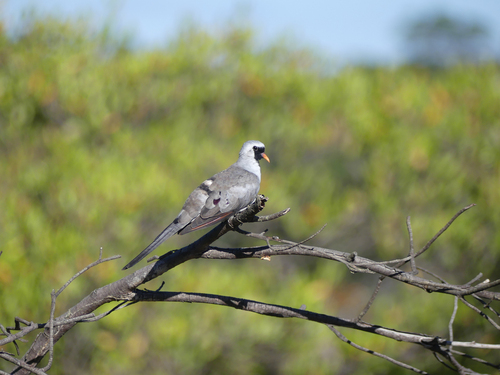
シッポウバト (Oena capensis) シッポウバト
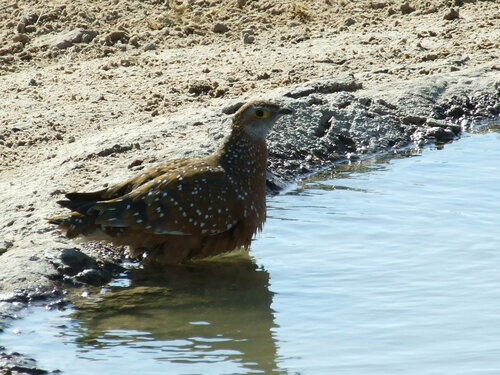
シロボシサケイ (Pterocles burchelli) シロボシサケイ

メディア

読み込み中…

要点

シッポウバトとシロボシサケイを区別する最も信頼できる方法は、全体的な構造と尾の形状です:シッポウバトは非常に小さく、細長い鳩で、目を引くほど長く、細い黒い先端の尾を持っていますが、シロボシサケイははるかに大きく、ずんぐりしており、鳩の長い尾がありません。飛行中、成鳥のオスのシッポウバトは栗色の初列風切羽と非常に長く尖った尾を示し、シロボシサケイはよりコンパクトなプロファイルで、長い尾の流れを欠いています。幼鳥のシッポウバトは翼と肩に暗い斑点があり、これが落とし穴になることがありますが、種の大きさと尾は依然として特徴的です。両種は乾燥した地域で見られることがありますが、構造と飛行スタイルはかなり異なり、尾の長さと体のサイズに注意を払うことでほとんどの混乱を解消できます。

識別のコツ

  1. Tail length and shape: シッポウバトはすべての年齢で非常に長く、細い黒い先端の尾を持ち、止まっている時も飛んでいる時も翼の先を超えて伸びています;シロボシサケイはそのような尾の延長がなく、短い尾でコンパクトに見えます。
  2. Size: シッポウバトは非常に小さく(36g)、シロボシサケイ(181.5g)の質量の4分の1未満です;フィールドでは、鳩は繊細で小さく見え、サケイは頑丈で鳩のサイズかそれ以上です。
  3. Flight profile: 飛行中、シッポウバトは細長い形を示し、尾が後ろに流れています;シロボシサケイはよりコンパクトで、短い尾と重く、より直接的な飛行を持っています。
  4. Wing pattern (juveniles): 幼鳥のシッポウバトは翼と肩に暗い斑点がありますが、長い尾はまだ示しています;シロボシサケイの幼鳥はそのような斑点や尾の長さを示しません。
  5. Adult male face pattern: オスのシッポウバトは目を引く黒い顔、喉、胸を持ち、さらに黄色と赤のくちばしがあります;シロボシサケイは顔に黒を示すことはなく、そのようなくちばしも持ちません。
  6. Female/immature face: メスと未成熟のシッポウバトは黒い顔がなく、赤を基にした灰色のくちばしと長い尾を持っています;シロボシサケイは顔のコントラストや色付きのくちばしを欠いています。
  7. Primary color in flight: シッポウバトは飛行中に栗色の初列風切羽を示します(すべての年齢);シロボシサケイは翼に栗色を示しません。
  8. Belly color: シッポウバトは白い腹を持ち、灰色の上面と対照的です;シロボシサケイは下側がより均一に土色です。
  9. Bill color: シッポウバトのくちばしは成鳥のオスで黄色と赤、メス/未成熟では赤を基にした灰色です;シロボシサケイは色が少なく、より隠れたくちばしを持っています。
  10. Group size: シッポウバトは通常、単独またはペアで見られます;シロボシサケイは特に水辺で群れで見られることが多いです。
  11. Behavior: シッポウバトは繊細で鳩のような歩き方をし、長い尾を頻繁に振ります;サケイはより重く歩き、尾を振ることはありません。
  12. Habitat context: 両種は乾燥した地域に生息しますが、サケイは開けた無木の地面により結びついており、水たまりで群れで見られることが多いです。
  13. Voice: 聞こえた場合、シッポウバトは柔らかく、悲しげな二重のフーを出します;サケイの鳴き声はここでは説明されていません。
  14. Perched posture: シッポウバトは長い尾を枝やワイヤーの下に垂らして止まります;サケイはより直立して止まり、短い尾を持っています。
  15. Pitfall: 幼鳥のシッポウバトの翼の斑点は混乱を招くことがありますが、尾の長さと全体の大きさは信頼できます。

大きさ

シッポウバトは劇的に小さく、約36gで、シロボシサケイは約181.5g—5倍以上重いです。鳩はまた、全体的に長さ約22 cm、翼幅28–33 cmで、はるかに細く繊細です。一方、サケイはよりずんぐりして頑丈です。フィールドでは、鳩の小さなサイズと長い針のような尾が際立ち、特に他の鳥や開けた地面で見られるときに目立ちます。

羽色

幼鳥のシッポウバトは翼と肩に暗い斑点がありますが、これが遠くからや暗い光の中で混乱を引き起こすことがありますが、若い鳥でも種の長く尖った尾と全体的な細い形を保持しています。成鳥のオスのシッポウバトは主に灰色で、白い腹、飛行中に見える栗色の初列風切羽、目立つ黒い顔、喉、胸、さらに黄色と赤のくちばしを持っています。メスと未成熟の個体は顔と胸の黒を欠き、くちばしは赤を基にした灰色です。対照的に、シロボシサケイは長い尾の流れを欠き、初列風切羽に栗色を示しません;その羽毛は乾燥した環境でのカモフラージュに適応しており、一般的により隠れた土色で、鳩の鋭いコントラストや顔の模様はありません。飛行中、サケイはコンパクトに見え、鳩の長く流れる尾を欠いています。

行動

シッポウバトはしばしば単独またはペアで見られ、繊細で鳩のような歩き方をし、長い尾を頻繁に振ります。彼らの飛行は迅速で直接的で、長い尾が後ろに流れています。シロボシサケイは群れで見られることが多く、特に水に飛んでいるときに、速く直接的な飛行を持っていますが、はるかに短い尾と重く、より頑丈な印象を与えます。サケイはしばしば群れで飛び立ち、すぐに着地しますが、シッポウバトはより孤独で、大群で見られることは少ないです。

生息環境

両種は南アフリカの乾燥したおよび半乾燥した地域に生息しているため、単独の生息地は診断的ではありません。しかし、シロボシサケイは開けた乾燥した草地や半砂漠により厳密に関連しており、しばしば木から遠く離れていますが、シッポウバトは散発的な低木や水たまりの近くを含む、より広範囲の開けた国に見られます。両者は地面で見られることがありますが、サケイは水源でより大きな群れで見られる可能性が高いです。

声

シッポウバトは静かで短い二重のフーを出し、長い二番目の音(kuh-whooo)が高く、悲しげで頻繁に繰り返されます。シロボシサケイの鳴き声は提供されたメモに記載されていないため、声はここでは信頼できる区別にはなりません。

より良い説明を送る

比較と同じ項目を使ってください。文章はすぐに公開されます。

The most reliable way to separate Namaqua Dove from Burchell's Sandgrouse is by overall structure and tail shape: Namaqua Dove is a tiny, slender pigeon with a strikingly long, thin, black-tipped tail, while Burchell's Sandgrouse is much larger, chunkier, and lacks the dove's long tail. In flight, adult male Namaqua Doves show chestnut primaries and a very long, pointed tail, while Burchell's Sandgrouse has a more compact profile and lacks any long tail streamers. Juvenile Namaqua Doves have dark blotches on the wings and shoulders, which can be a pitfall, but the species' size and tail remain distinctive. Both species may be seen in arid regions, but their structure and flight style are quite different, and careful attention to tail length and body size will resolve most confusion.

  1. Tail length and shape: Namaqua Dove of all ages has a very long, thin, black-tipped tail that extends well past the wingtips both perched and in flight; Burchell's Sandgrouse lacks any such tail extension and appears short-tailed and compact.
  2. Size: Namaqua Dove is tiny (36g), less than a quarter the mass of Burchell's Sandgrouse (181.5g); in the field, the dove looks delicate and small, while the sandgrouse is robust and pigeon-sized or larger.
  3. Flight profile: In flight, Namaqua Dove shows a slim, elongated shape with the tail streaming behind; Burchell's Sandgrouse is more compact, with a shorter tail and a heavier, more direct flight.
  4. Wing pattern (juveniles): Juvenile Namaqua Doves have dark blotches on the wings and shoulders, but still show the long tail; Burchell's Sandgrouse juveniles do not show such blotching or tail length.
  5. Adult male face pattern: Male Namaqua Dove has a striking black face, throat, and breast, plus a yellow and red bill; Burchell's Sandgrouse never shows black on the face or such a bill.
  6. Female/immature face: Female and immature Namaqua Doves lack the black face but still have a red-based grey bill and the long tail; Burchell's Sandgrouse lacks any facial contrast or colored bill.
  7. Primary color in flight: Namaqua Dove shows chestnut primary feathers in flight (all ages); Burchell's Sandgrouse does not show chestnut in the wings.
  8. Belly color: Namaqua Dove has a white belly, contrasting with grey upperparts; Burchell's Sandgrouse is more uniformly earth-toned below.
  9. Bill color: Namaqua Dove's bill is yellow and red in adult males, red-based grey in females/immatures; Burchell's Sandgrouse has a less colorful, more cryptic bill.
  10. Group size: Namaqua Doves are usually solitary or in pairs; Burchell's Sandgrouse often in flocks, especially at water.
  11. Behavior: Namaqua Doves walk with a delicate, pigeon-like gait and flick their long tails; sandgrouse walk more heavily and do not flick the tail.
  12. Habitat context: Both species occur in arid regions, but sandgrouse are more tied to open, treeless ground and are often seen in groups at waterholes.
  13. Voice: If heard, Namaqua Dove gives a soft, mournful double hoo; sandgrouse vocalizations are not described here.
  14. Perched posture: Namaqua Dove perches with the long tail drooping well below the branch or wire; sandgrouse perches more upright and short-tailed.
  15. Pitfall: Juvenile Namaqua Doves' wing blotches can confuse, but tail length and overall size remain reliable.

Namaqua Dove is dramatically smaller, weighing about 36g, compared to Burchell's Sandgrouse at roughly 181.5g—over five times heavier. The dove is also much more slender and delicate, with a length of about 22 cm and a wingspan of 28–33 cm, while the sandgrouse is bulkier and more robust overall. In the field, the dove's tiny size and long, needle-like tail stand out, especially when seen alongside other birds or on open ground.

Juvenile Namaqua Doves have dark blotches on the wings and shoulders, which can cause confusion at a distance or in poor light, but even young birds retain the species' long, pointed tail and overall slim shape. Adult male Namaqua Doves are mostly grey with a white belly, chestnut primaries visible in flight, and a distinctive black face, throat, and breast, plus a yellow and red bill. Females and immatures lack the black on the face and breast, and their bills are red-based grey. Burchell's Sandgrouse, by contrast, lacks any long tail streamers and does not show chestnut in the primaries; its plumage is adapted for camouflage in arid environments and is generally more cryptic and earth-toned, without the dove's sharp contrast or facial markings. In flight, the sandgrouse appears compact and lacks the dove's long, trailing tail.

Namaqua Doves are often seen singly or in pairs, moving with a delicate, pigeon-like walk and frequently flicking their long tails. Their flight is swift and direct, with the long tail trailing behind. Burchell's Sandgrouse is more likely to be encountered in groups, especially when flying to water, and has a fast, direct flight but with a much shorter tail and a heavier, more robust jizz. Sandgrouse often flush in flocks and settle quickly, while Namaqua Doves are more solitary and less likely to be seen in large numbers.

Both species inhabit arid and semi-arid regions of southern Africa, so habitat alone is not diagnostic. However, Burchell's Sandgrouse is more strictly associated with open, dry grassland and semi-desert, often far from trees, while Namaqua Dove can be found in a wider range of open country, including areas with scattered bushes and near waterholes. Both may be seen on the ground, but the sandgrouse is more likely to be found in larger groups at water sources.

Namaqua Dove gives a quiet, short, double hoo, higher on the longer second note (kuh-whooo), which is mournful and frequently repeated. Burchell's Sandgrouse's vocalizations are not described in the provided notes, so voice is not a reliable separator here.

変更を破棄しますか?

保存していない編集があります。今離れると失われます。

シッポウバト · シロボシサケイ · 苦手な鳥