

Motmot

コブハクチョウ 対 ホロホロチョウ

Cygnus olor 対 Numida meleagris

コブハクチョウとホロホロチョウのクイズ
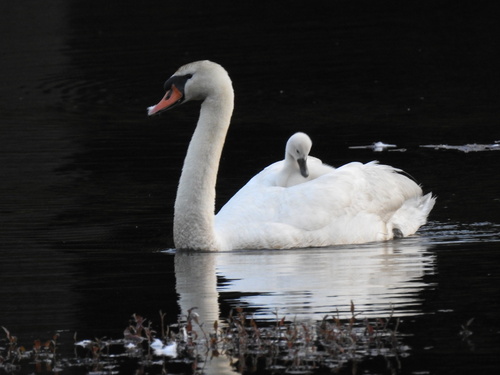
コブハクチョウ (Cygnus olor) コブハクチョウ
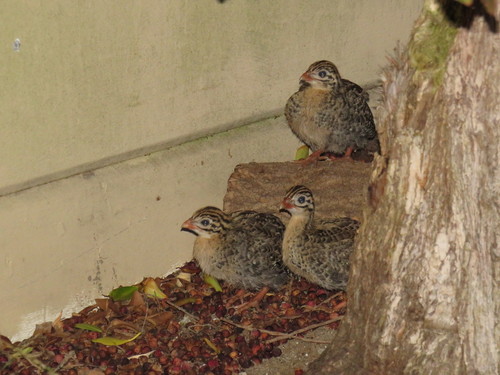
ホロホロチョウ (Numida meleagris) ホロホロチョウ

メディア

読み込み中…

要点

コブハクチョウとホロホロチョウを区別する最も信頼できるフィールドマークは、全体的な構造とサイズです:コブハクチョウは、オレンジ色のくちばしと黒い顔の皮膚を持つ、巨大で長い首の全白の水鳥であり、ホロホロチョウは、むき出しででこぼこした青と赤の頭を持つ、はるかに小さく、丸い体の暗い斑点のある陸鳥です。幼鳥のコブハクチョウ(シグネット)は灰色がかっており、暗いくちばしを持っていますが、いかなるホロホロチョウとも異なり、白鳥の形と長い首を示します。飛行中のコブハクチョウは巨大で力強く、長く広い翼を持っていますが、ホロホロチョウは短い翼を持ち、爆発的に飛びます。長い首を持つ白い浮かんでいる鳥を見たら、それは白鳥です;走っている斑点のある、鶏のような鳥でヘルメットのような頭を持つのはホロホロチョウです。

識別のコツ

  1. Size and shape: コブハクチョウは巨大で、長くしなやかな首と大きな体を持っています;ホロホロチョウは鶏のサイズで、丸い体と短い首を持っています。サイズだけで通常は区別できます。
  2. Bill and face: 成鳥のコブハクチョウは、基部に目立つ黒いこぶがある明るいオレンジ色のくちばしと黒い顔の皮膚を持っています;ホロホロチョウは小さく淡いくちばしと、青、赤、または黒い皮膚を持つむき出しででこぼこした頭と黄色がかったまたは赤みがかったカスク(ヘルメット)を持っています。
  3. Plumage color: 成鳥のコブハクチョウは純白です;ホロホロチョウは濃い灰色から黒で、密に白い斑点があります。幼鳥の白鳥は決して斑点がなく、ホロホロチョウは決して白くありません。
  4. Juvenile swan (cygnet) confusion: 若い白鳥は灰色またはバフ色で鈍いくちばしを持っていますが、長い首を持ち、水面を泳ぎます。彼らはホロホロチョウの斑点模様やヘルメットのような頭を示すことはありません。
  5. Wing and tail: 白鳥は長く広い翼とくさび形の尾を持っています;ホロホロチョウは短く丸い翼と短い尾を持っています。飛行中、白鳥は安定して力強く、ホロホロチョウは爆発的で短命の飛行者です。
  6. Behavior: 白鳥は水生で、浮かんだり泳いだりします;ホロホロチョウは陸生で、群れで走り、驚かされたとき以外はめったに飛びません。
  7. Habitat: 白鳥は常に水の上または近くにいます;ホロホロチョウは開けた土地、畑、または森林の端に見られ、水の上には決していません。
  8. Vocalization: 白鳥はほとんど静かで、脅かされたときだけシューという音を立てます;ホロホロチョウは騒がしく、大きくて厳しい鳴き声を出します。
  9. Flocking: ホロホロチョウはしばしば大きくて騒がしい群れを形成します;白鳥は通常、孤独で、ペアまたは家族グループで見られます。
  10. Aggression: 両者とも攻撃的になることがありますが、白鳥の攻撃は通常水中で見られ、シューという音を立てたり翼で叩いたりしますが、ホロホロチョウの攻撃はオス同士の間で見られ、羽を立てたり陸上で突進したりします。
  11. Bill color in juveniles: 若い白鳥は鈍い灰色から黒のくちばしを持ち、決してオレンジ色ではありません;ホロホロチョウのくちばしは常に淡く小さいです。
  12. Head ornamentation: ホロホロチョウは特徴的なヘルメットのようなカスクとカラフルなむき出しの皮膚を持っています;白鳥は滑らかな頭を持ち、くちばしの基部に黒いこぶがあります(成鳥のみ)。
  13. Flight style: 白鳥は水面で長い走りをしてから強く飛び立ちます;ホロホロチョウは地面から飛び立ち、短い距離を滑空します。
  14. Leg color: 白鳥は暗い灰色の脚を持っています;ホロホロチョウの脚はあまり目立ちませんが、泳ぐためではなく走るために適応しています。
  15. Context: もし泳いでいるか浮かんでいる鳥を見たら、特に長い首を持っている場合、それは白鳥です。もし斑点のある体とヘルメットのような頭を持つ鳥が畑で走っているのを見たら、それはホロホロチョウです。

大きさ

コブハクチョウは、あらゆる指標でホロホロチョウよりもはるかに大きいです。コブハクチョウの平均は1475 mm(約1.5メートル)の長さで、質量は10 kgを超え、最も重い飛ぶ鳥の一つです [wikidata]。ホロホロチョウは約53〜58 cmの長さで、重さは約1.3〜1.6 kgです [wikidata, wikipedia]。シグネット(若い白鳥)でさえ、ホロホロチョウのひなよりもずっと大きいです。フィールドでは、コブハクチョウは水上でも陸上でも、どのホロホロチョウよりも大きく見えます。

羽色

幼鳥のコブハクチョウ(シグネット)は、最初の年に灰色がかっているかバフ色で、鈍い灰色から黒のくちばしを持ち、成鳥の純白やオレンジ色のくちばしを示すことはありません。成鳥は完全に白で、明るいオレンジ色のくちばしと黒い顔の皮膚を持っています。ホロホロチョウは、年齢に関係なく、濃い灰色から黒の羽毛を持ち、白い斑点が密にあります。また、むき出しで骨のような青と赤の頭を持ち、ヘルメットのようなこぶがあります。ホロホロチョウの翼と尾は短く丸みを帯びており、白鳥の長く広い翼やくさび形の尾を示すことはありません。年齢や季節によって、これら二つの種の羽毛が近づくことはありません:若い白鳥でさえ決して斑点がなく、ホロホロチョウは決して白くありません。

行動

コブハクチョウは水生で、ほとんどの時間を水面で泳いだり浮かんだりして過ごし、力強く安定した飛行者です。彼らは非常に攻撃的になることがあり、特に巣を守るときには、翼やくちばしで侵入者を攻撃することがあります。ホロホロチョウは陸生で、飛ぶよりも走ることが多く、長距離を歩く群れを形成します。警戒すると、ホロホロチョウは走ることを好みますが、短く爆発的な飛行に突入することもあります。彼らの社会的行動は群れを成し、特に繁殖期以外では騒がしいです。白鳥は通常、ペアまたは家族グループで見られ、大きな群れではめったに見られません。

生息環境

コブハクチョウは湖、緩やかな川、その他の開けた水域に見られ、彼らの母国であるユーラシアの範囲内や他の場所に導入された鳥としても存在します。彼らは常に水と関連しています。ホロホロチョウは陸鳥で、アフリカの開けた国やサバンナに生息していますが、導入された場所では農地や開けた森林でも見られます。彼らは飲むため以外は水を避け、泳いでいるところは決して見られません。もし水の上に鳥を見たら、それはホロホロチョウではありません。

声

コブハクチョウはほとんど静かで、脅かされたときにのみ時折シューという音や鼻を鳴らします。大きな鳴き声はありません。ホロホロチョウは騒がしく、動揺したときに大きくて厳しい、きしむような鳴き声を出し、見られる前にしばしば聞こえます。もし大きくて厳しい鳴き声を出している群れを聞いたら、それはおそらくホロホロチョウであり、白鳥ではありません。

より良い説明を送る

比較と同じ項目を使ってください。文章はすぐに公開されます。

The most reliable field mark to separate Mute Swan from Helmeted Guineafowl is overall structure and size: Mute Swan is a massive, long-necked, all-white waterbird with an orange bill and black facial skin, while Helmeted Guineafowl is a much smaller, round-bodied, dark speckled terrestrial bird with a bare, bumpy blue-and-red head. Juvenile Mute Swans (cygnets) are grayish with a dark bill, but still show a swan's shape and long neck, unlike any guineafowl. In flight, Mute Swan is huge and powerful with long, broad wings; guineafowl are short-winged, explosive fliers. If you see a white, floating bird with a long neck, it's a swan; a running, speckled, chicken-like bird with a helmeted head is a guineafowl.

  1. Size and shape: Mute Swan is enormous, with a long, sinuous neck and large body; Helmeted Guineafowl is chicken-sized, round-bodied, and short-necked. Size alone is usually enough to separate them.
  2. Bill and face: Adult Mute Swan has a bright orange bill with a prominent black knob at the base and black facial skin; guineafowl has a small, pale bill and a bare, bumpy head with blue, red, or black skin and a yellowish or reddish casque (helmet).
  3. Plumage color: Adult Mute Swan is pure white; Helmeted Guineafowl is dark gray-black with dense white spots. Even juvenile swans are never spotted, and guineafowl are never white.
  4. Juvenile swan (cygnet) confusion: Young swans are gray or buff with a dull bill, but still have a long neck and swim on water. They never show the speckled pattern or helmeted head of guineafowl.
  5. Wing and tail: Swans have long, broad wings and a wedge-shaped tail; guineafowl have short, rounded wings and a short tail. In flight, swans are steady and powerful, guineafowl are explosive and short-lived fliers.
  6. Behavior: Swans are aquatic, floating and swimming; guineafowl are terrestrial, running in flocks and rarely flying except when startled.
  7. Habitat: Swans are always on or near water; guineafowl are found in open land, fields, or woodland edges, never on water.
  8. Vocalization: Swans are mostly silent, hissing only when threatened; guineafowl are noisy, with loud, harsh calls.
  9. Flocking: Guineafowl often form large, noisy flocks; swans are usually solitary, in pairs, or with their family group.
  10. Aggression: Both can be aggressive, but swan aggression is usually seen on water and involves hissing and striking with wings, while guineafowl aggression is between males and involves feather-raising and rushing on land.
  11. Bill color in juveniles: Young swans have a dull gray-black bill, never orange; guineafowl bills are always pale and small.
  12. Head ornamentation: Guineafowl have a distinctive helmet-like casque and colorful bare skin; swans have a smooth head with a black knob at the bill base (adults only).
  13. Flight style: Swans take off with a long run on water and fly strongly; guineafowl burst into flight from the ground and glide short distances.
  14. Leg color: Swans have dark gray legs; guineafowl legs are less visible but are adapted for running, not swimming.
  15. Context: If you see a bird swimming or floating, especially with a long neck, it is a swan. If you see a bird running in a field with a speckled body and helmeted head, it is a guineafowl.

Mute Swan is vastly larger than Helmeted Guineafowl by every metric. Mute Swan averages 1475 mm (about 1.5 meters) in length and over 10 kg in mass, making it one of the heaviest flying birds [wikidata]. Helmeted Guineafowl is about 53–58 cm long and weighs around 1.3–1.6 kg [wikidata, wikipedia]. Even a cygnet (young swan) is bulkier than a guineafowl chick. In the field, a Mute Swan dwarfs any guineafowl, both on water and land.

Juvenile Mute Swans (cygnets) are grayish or buff with a dull gray-black bill for their first year, never showing the pure white of adults or the orange bill. Adults are entirely white with a bright orange bill and black facial skin. Helmeted Guineafowl, regardless of age, have dark gray-black plumage densely speckled with white spots, and a bare, bony, blue-and-red head with a helmet-like knob. Guineafowl wings and tail are short and rounded, never showing the long, broad wings or wedge-shaped tail of a swan. No age or season brings these two species' plumages close: even a young swan is never speckled, and a guineafowl is never white.

Mute Swans are aquatic, spending most of their time swimming or floating on water, and are powerful, steady fliers. They can be very aggressive, especially when defending nests, and may attack intruders with their wings and bill. Helmeted Guineafowl are terrestrial, running more than flying, and form flocks that walk long distances over land. When alarmed, guineafowl prefer to run, but can burst into a short, explosive flight. Their social behavior is gregarious and noisy, especially outside the breeding season. Swans are usually seen in pairs or family groups, rarely in large flocks.

Mute Swans are found on lakes, slow rivers, and other open water bodies, both in their native Eurasian range and as introduced birds elsewhere. They are always associated with water. Helmeted Guineafowl are land birds, native to open country and savanna in Africa but also found on farmland and open woodlands where introduced. They avoid water except to drink and are never seen swimming. If you see a bird on water, it is not a guineafowl.

Mute Swan is mostly silent, giving only occasional hisses or snorts, especially when threatened. It does not have a loud call. Helmeted Guineafowl are noisy, producing loud, harsh, grating calls when disturbed, and are often heard before they are seen. If you hear a flock making loud, harsh calls, it is likely guineafowl, not swan.

変更を破棄しますか?

保存していない編集があります。今離れると失われます。

コブハクチョウ · ホロホロチョウ · 苦手な鳥