

Motmot

ノバリケン 対 アメリカオシ

Cairina moschata 対 Aix sponsa

ノバリケンとアメリカオシのクイズ
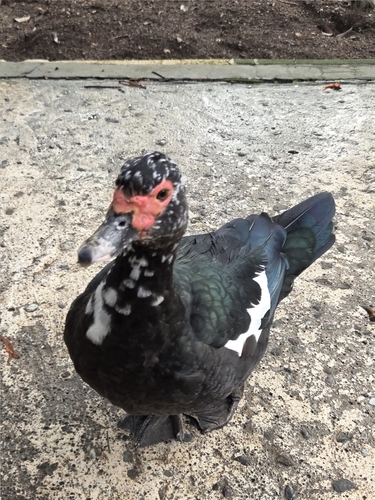
ノバリケン (Cairina moschata) ノバリケン
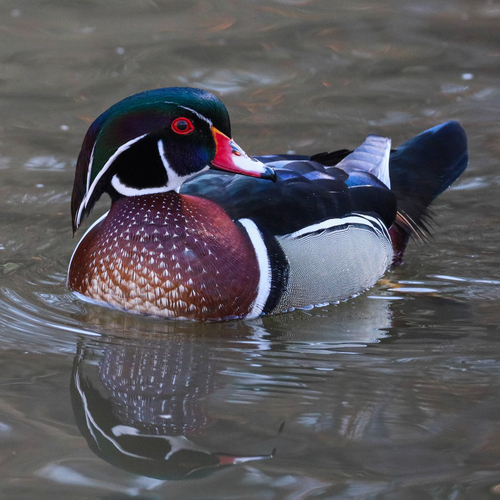
アメリカオシ (Aix sponsa) アメリカオシ

メディア

読み込み中…

要点

ノバリケンとアメリカオシの最も信頼できるフィールドマークは、全体のサイズと構造です:ノバリケンは非常に大きく、ずんぐりしており、重く平らな口ばしとしばしば目立つ赤い顔の肉垂があります。一方、アメリカオシはコンパクトで、細い首を持ち、冠があります。飛んでいるときや止まっているとき、ノバリケンは翼に広範な白い斑点を示します(野生/飼い鳥によって変動します)が、アメリカオシは青緑のスペキュラムと白い後縁を持っています。幼鳥のノバリケンは全体的に鈍く、翼にほとんど白がなく、アメリカオシの幼鳥は青緑のスペキュラムを保持しています。両者の性別は異なりますが、アメリカオシでは対比がはるかに大きく、オスは明るく多色で、メスは灰褐色で白い目のリングがあります。生息地と文脈も役立ちます:ノバリケンはしばしば野生または飼い鳥の環境で見られ、アメリカオシは森林の湿地に生息しています。

識別のコツ

  1. サイズは最も早い区別要素:ノバリケンはアメリカオシよりもはるかに大きく、重いです。距離があっても、もしそのカモがガチョウのサイズであれば、それはアメリカオシではありません。
  2. 口ばしと顔の構造:ノバリケンは赤または黒っぽいノブのある広く平らな口ばしを持ち、しばしば顔の周りに赤いイボ状の皮膚があります(特にオスと野生/飼い鳥において)。アメリカオシは、裸の皮膚や肉垂のない整った短い口ばしを持っています。
  3. 飛行中の翼のパターン:成鳥のノバリケンは上翼に大きな白い斑点を示します(野生/飼い鳥によって変動します)が、アメリカオシは常に青緑のスペキュラムと白い後縁を持っています。幼鳥のノバリケンは翼に白がない場合があり、均一に暗く見えますが、幼鳥のアメリカオシはまだスペキュラムを示します。
  4. 頭と冠:両者ともに冠がありますが、ノバリケンの冠は短い後頭部の冠であり、アメリカオシの冠は長く、後ろに撫でつけられた冠で、特にオスにおいて明らかです。
  5. 羽毛の色とパターン:オスのアメリカオシは、虹色の緑、紫、栗色、そして大胆な白いマーキングを持つ非常に多色です。メスは灰褐色で白い目のリングと喉を持っています。ノバリケンは主に黒で、翼に白い斑点があり、野生/飼い鳥は頭/首にもっと白がある場合があります。
  6. 脚と足の色:ノバリケンは黒っぽい脚と足を持っています;アメリカオシの脚は鈍く、より頑丈ではありません。
  7. 尾と体の形:ノバリケンは広く平らな尾と重く、深い胸の体を持っています。アメリカオシはスリムで、よりコンパクトで直立した姿勢を持っています。
  8. 性差:アメリカオシは強い性差を示します(明るいオス、地味なメス);ノバリケンの性別は似ており、オスは大きく、光沢があり、顔の装飾が多いです。
  9. 幼鳥の混乱:若いノバリケンは鈍く、翼に白がなく、しかし重い構造と(オスの場合)顔の肉垂を示します。幼鳥のアメリカオシは小さく、青緑のスペキュラムと白い目のリングを持っています。
  10. 野生/飼い鳥のノバリケンの変異:野生のノバリケンは頭/首や口ばしの色に変動する白を示すことがありますが、常に重い体格と顔の肉垂を持っています。アメリカオシは赤い顔の皮膚や重い口ばしを示すことはありません。
  11. 鳴き声:ノバリケンは静かで、息を吐くようなまたはトリルのような鳴き声を出します;アメリカオシは騒がしく、特に驚かされたときに、特徴的な口笛や悲鳴を出します。
  12. 生息地の文脈:ノバリケンは都市公園、農場、人の近くで一般的です;アメリカオシは森林の湿地を好み、より秘密主義です。
  13. 行動:ノバリケンはしばしば飼いならされており、動きが遅いです;アメリカオシは警戒心が強く、素早く、敏捷で、しばしば木に止まります。
  14. 群れの構成:ノバリケンは飼い鳥のカモと一緒に見られることもあれば、一人でいることもあります;アメリカオシは通常、自分の種と一緒にいるか、他の野生のカモと混合した群れにいます。
  15. 地理的文脈:北アメリカでは、ノバリケンは南部テキサスにのみ自生しています;他の場所では、野生です。アメリカオシは大陸全体の森林の湿地に広く分布しています。

大きさ

ノバリケンはアメリカオシと比べて巨大です:成鳥のノバリケンのオスは3 kg(平均2125 g)を超えることができ、メスはその約半分で、長さは最大84 cm、翼幅は152 cmに達します。アメリカオシは中型で、長さは47〜54 cm、翼幅は66〜73 cm、体重は454〜862 gです。ノバリケンのメスでさえ、アメリカオシを圧倒します。フィールドでは、ノバリケンの巨大で重い体と広い翼は、スリムでコンパクトなアメリカオシの隣では間違いなく目立ちます。

羽色

行動

ノバリケンはしばしば水の近く、芝生の上、または野生の個体群では木や建物に止まっているのが見られます。彼らは動きが遅く、飛行中は重く、広く浅い翼の拍動を持っています。アメリカオシは敏捷で素早く、しばしば木に止まっているか、急速な翼の拍動で森林の湿地を飛び回っているのが見られます。ノバリケンの行動はより飼いならされたまたは野生的であり、しばしば人に近づきますが、アメリカオシは警戒心が強く、秘密主義です。

生息環境

ノバリケンは非常に広範な生息地で見られ、特に人間の居住地の近くにあります:都市/郊外の湖、農場、公園、そして時には彼らの自生範囲内の野生の森林湿地。野生の個体群は都市公園や池に一般的です。アメリカオシは森林の湿地、森林の池、川に密接に結びついており、しばしば木の空洞や巣箱に巣を作ります。都市公園や農場の池で飼い鳥のカモと一緒にカモを見ると、ノバリケンの可能性が高く、森林の湿地や川で恥ずかしがり屋のカモはアメリカオシの可能性が高いです。

声

ノバリケンのオスは低く、息を吐くような鳴き声を出し、メスは静かなトリルのようなクーを出します。アメリカオシのオスは高く、上昇する口笛(ジーーー)を持ち、メスは驚かされたときに引き伸ばされた上昇する悲鳴(ドウウィープドウウィープ)を出し、鋭い警報音(クルーク)を出します。アメリカオシは飛行中や驚かされたときに、はるかに声が大きく、特徴的です。

より良い説明を送る

比較と同じ項目を使ってください。文章はすぐに公開されます。

The most reliable field mark between Muscovy Duck and Wood Duck is overall size and structure: Muscovy is vastly larger and bulkier, with a heavy, flat-topped bill and often prominent red facial wattles, while Wood Duck is compact, slim-necked, and crested. In flight or perched, Muscovy shows extensive white patches on the wings (variable in feral/domestic birds), whereas Wood Duck has a blue-green speculum with a white trailing edge. Juvenile Muscovy are duller with little or no white in the wing, while Wood Duck juveniles retain the blue-green speculum. Sexes differ in both, but the contrast is much greater in Wood Duck, where the male is brightly multicolored and the female is gray-brown with a white eye-ring. Habitat and context can also help: Muscovy is often found in feral or domestic settings, Wood Duck in wooded wetlands.

  1. Size is the quickest separator: Muscovy is much larger and heavier than Wood Duck, even at a distance. If the duck is goose-sized, it's not a Wood Duck.
  2. Bill and face structure: Muscovy has a broad, flat-topped bill with a red or blackish knob and often red warty skin around the face (especially in males and feral/domestic birds). Wood Duck has a neat, short bill with no bare skin or wattles.
  3. Wing pattern in flight: Adult Muscovy shows large white patches on the upperwing (variable in feral/domestic birds), while Wood Duck always has a blue-green speculum with a white trailing edge. Juvenile Muscovy may lack white in the wing, appearing uniformly dark; juvenile Wood Duck still shows the speculum.
  4. Head and crest: Both have crests, but Muscovy's is a short nape crest, while Wood Duck's is a long, slicked-back crest, especially obvious in males.
  5. Plumage color and pattern: Male Wood Duck is spectacularly multicolored with iridescent green, purple, chestnut, and bold white markings; female is gray-brown with a white eye-ring and throat. Muscovy is mostly black with white wing patches, and feral/domestic birds may have more white on the head/neck.
  6. Leg and foot color: Muscovy has blackish legs and feet; Wood Duck legs are duller and less robust.
  7. Tail and body shape: Muscovy has a broad, flat tail and heavy, deep-chested body. Wood Duck is slim, with a more compact, upright posture.
  8. Sexual dimorphism: Wood Duck shows strong sexual dimorphism (bright male, drab female); Muscovy sexes are similar, with males larger, glossier, and more facial ornamentation.
  9. Juvenile confusion: Young Muscovy are dull and lack white in the wing, but still show heavy structure and (in males) facial wattles. Juvenile Wood Ducks are smaller, with the blue-green speculum and white eye-ring.
  10. Feral/domestic Muscovy variation: Feral Muscovy can show variable white on head/neck and bill color, but always have heavy build and facial wattles. Wood Duck never shows red facial skin or a heavy bill.
  11. Vocalizations: Muscovy is quiet, with breathy or trilling calls; Wood Duck is noisy, especially when flushed, with distinctive whistles and squeals.
  12. Habitat context: Muscovy is common in urban parks, farms, and near people; Wood Duck prefers wooded wetlands and is more secretive.
  13. Behavior: Muscovy is often tame and slow-moving; Wood Duck is wary, quick, and agile, often perching in trees.
  14. Group composition: Muscovy may be found with domestic ducks or alone; Wood Duck is usually with its own kind or in mixed flocks with other wild ducks.
  15. Geographic context: In North America, Muscovy is native only to southernmost Texas; elsewhere, feral. Wood Duck is widespread in wooded wetlands across the continent.

Muscovy Duck is enormous compared to Wood Duck: adult Muscovy males can weigh over 3 kg (2125 g average), with females about half that, and reach up to 84 cm in length and 152 cm in wingspan. Wood Duck is medium-sized, only 47–54 cm long with a wingspan of 66–73 cm, and weighs 454–862 g. Even a female Muscovy dwarfs a Wood Duck. In the field, Muscovy's massive, heavy body and broad wings are unmistakable next to the slim, compact Wood Duck.

  • Juvenile/immature Muscovy: Duller overall, with little or no white on the wing, making them more uniformly dark than adults. Juvenile Wood Ducks retain the blue-green speculum with a white trailing edge, and the female's white eye-ring is present from a young age.
  • Adult Muscovy: Predominantly black with large white patches on the wings (amount of white variable in feral/domestic birds), iridescent glossy back and wings in males, and a feathered or bare red warty face (especially in males). Females are similar but smaller and lack the prominent knob. Bill is black with pale pink speckling, legs and feet blackish. Feral/domestic birds may show more white on head/neck and variable bill color.
  • Adult Wood Duck: Male is strikingly multicolored with iridescent green, purple, and chestnut, a bold white neck flare, and red eyes. Female is gray-brown with a white eye-ring and throat, and both sexes have a crested head. The speculum is always blue-green with a white trailing edge. No red facial wattles or bare skin.

Muscovy Ducks are often seen loafing near water, on lawns, or even perched in trees or on buildings in feral populations. They are slow-moving and heavy in flight, with broad, shallow wingbeats. Wood Ducks are agile and quick, often seen perching in trees or quickly flying through wooded wetlands with rapid wingbeats. Muscovy's behavior is more domesticated or feral, often approaching people, while Wood Duck is wary and secretive.

Muscovy Ducks are found in a wide range of habitats, especially near human habitation: urban/suburban lakes, farms, parks, and sometimes wild wooded wetlands in their native range. Feral populations are common in city parks and ponds. Wood Ducks are closely tied to wooded wetlands, forested ponds, and rivers, often nesting in tree cavities or nest boxes. Seeing a duck in a city park or farm pond with domestic ducks favors Muscovy; a shy duck in a wooded swamp or river is likely Wood Duck.

Muscovy males give a low, breathy call, while females make a quiet trilling coo. Wood Duck males have a high, rising whistle (jeeeeee), and females give a drawn-out, rising squeal (do weep do weep) when flushed, and a sharp alarm call (cr-r-ek). Wood Duck is much more vocal and distinctive, especially in flight or when alarmed.

変更を破棄しますか?

保存していない編集があります。今離れると失われます。

ノバリケン · アメリカオシ · 苦手な鳥