

Motmot

ノバリケン 対 ミカヅキシマアジ

Cairina moschata 対 Spatula discors

ノバリケンとミカヅキシマアジのクイズ
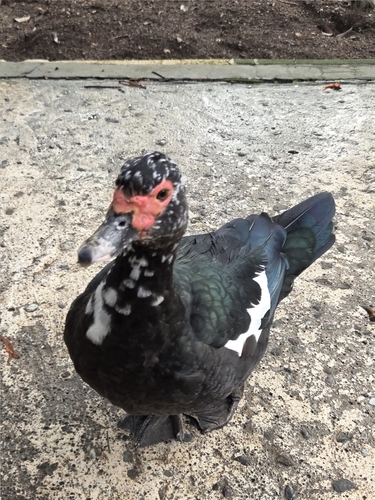
ノバリケン (Cairina moschata) ノバリケン
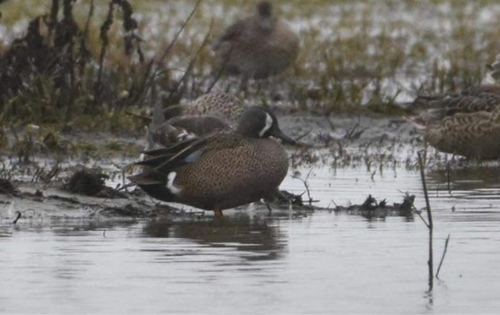
ミカヅキシマアジ (Spatula discors) ミカヅキシマアジ

メディア

読み込み中…

要点

ミカヅキシマアジとノバリケンを区別する最も信頼できるフィールドマークは、サイズと構造の違いです。ノバリケンは、長くて幅広い尾と目立つ赤い顔の肉垂を持つ巨大で重い体のカモであり、ミカヅキシマアジは短い尾と顔の肉垂がない小型でコンパクトな水面をつつくカモです。飛行中、オスとメスの成鳥のミカヅキシマアジは、特徴的な空色の翼の覆い羽と緑色の鏡を示しますが、ノバリケンはこれを示しません。幼鳥のノバリケンは全体的に鈍い色合いで、翼に白色がほとんどないか全くありませんが、若いミカヅキシマアジは青い翼のパネルを示します。ノバリケンの羽毛は主に光沢のある黒で、大きな白い翼の斑点があります(野生/飼育個体で変動あり)、オスは短い後頭部の冠とこぶのある赤い顔を持っています。ミカヅキシマアジのオスは、白い三日月模様のある青灰色の頭を持ち、両性ともに非常に微妙な模様を持っています。非常に大きくて重いカモで、裸の赤いイボのある顔を持つものを見たら、それはノバリケンです。空色の翼のパッチを持つ小さなカモを見たら、それはミカヅキシマアジです。

識別のコツ

  1. サイズが決定的: ノバリケンは巨大で、しばしばガチョウサイズですが、ミカヅキシマアジは小型でコンパクトです。メスのノバリケンでさえ、どのミカヅキシマアジよりもはるかに大きいです。
  2. 顔の特徴: ノバリケンは、特にオスにおいて、裸の赤または暗いイボのある顔(肉垂)を持っています。ミカヅキシマアジは顔の肉垂や裸の皮膚を示しません。
  3. くちばしの構造と色: ノバリケンのくちばしは、広くて平らで、ピンクの斑点がある黒色です(野生/飼育個体で変動あり)、時には基部にこぶがあります。ミカヅキシマアジは、オスは暗色で、メスは淡い基部を持つより典型的なカモのくちばしを持っています。
  4. 飛行中の翼の模様(すべての年齢): ミカヅキシマアジは、すべての年齢で空色の翼のパネル(覆い羽)と緑色の鏡を示します。ノバリケンは翼に青や緑を示しません。成鳥は大きな白い斑点を示し(変動あり)、幼鳥は鈍く、白色がほとんどありません。
  5. 尾の形: ノバリケンは長くて幅広い平らな尾を持ち、しばしば少し扇状に持たれます。ミカヅキシマアジの尾は短くて整っています。
  6. 羽毛の光沢と色: 成鳥のオスのノバリケンは光沢のある黒で、虹色の輝きと大きな白い翼の斑点を持っています。メスは鈍いですが、まだ暗いです。ミカヅキシマアジのオスは、白い三日月模様のある灰色がかった青の頭、茶色の体、白い後部の斑点、黒い尾を持っています。メスは斑点のある茶色で、くちばしの基部は淡いです。
  7. 足の色: ミカヅキシマアジは黄色い足を持っています。ノバリケンの足と足は黒っぽいです。
  8. 冠: オスのノバリケンは後頭部に短い冠を持っています。ミカヅキシマアジは冠を示しません。
  9. 幼鳥の混乱: 幼鳥のノバリケンは鈍く、翼に白色がありませんが、重い体型と顔の肉垂を示します。幼鳥のミカヅキシマアジは小さく、茶色で、飛行中に青い翼のパネルを示します。
  10. 野生/飼育のノバリケンの変異: 野生のノバリケンは、頭や首により多くの白色を持ち、くちばしの色が変動することがありますが、常にいくつかの赤い顔の肉垂と重い体型を示します。
  11. 行動: ノバリケンは木や建物に止まることがあり、都市や農場の環境でよくくつろいでいます。ミカヅキシマアジはあまり止まらず、通常は自然の湿地で見られます。
  12. 飛行スタイル: ノバリケンは重くて遅い飛行をし、広い翼と長い尾を持っています。ミカヅキシマアジは素早くて敏捷で、急速な羽ばたきで飛びます。
  13. 生息地の文脈: 都市の公園や農場の庭では、特にその生息地の範囲外では、赤い顔を持つ大きな黒いカモはほぼ確実にノバリケンです。特に移動中の浮き草のある浅い湿地では、青い翼のパネルを持つ小さなカモはミカヅキシマアジです。
  14. 声: 通常は診断的ではありませんが、ノバリケンは静かで息を呑むような声を出します。ミカヅキシマアジのオスは口笛を吹き、メスは柔らかいクワックを出します。
  15. 季節的文脈: ミカヅキシマアジは渡り鳥で、北部の地域では冬に不在になることがありますが、ノバリケン(特に野生)は都市や郊外の生息地で年間を通じて生息することがあります。

大きさ

サイズは最も劇的な区別要因です。ノバリケンは巨大で、オスは2 kgを超え(しばしば3〜4 kg)、メスはその半分程度で、翼の長さは137〜152 cmです。ミカヅキシマアジはずっと小さく、軽く、約40 cmの長さ、58 cmの翼の長さ、重さはわずか370 gです。ノバリケンはミカヅキシマジよりもガチョウに近いサイズであり、メスのノバリケンでさえミカヅキシマアジを圧倒します。両方が存在する場合、サイズの違いは明白です。

羽色

年齢と翼の模様について: 幼鳥のノバリケンは全体的に鈍い色合いで、成鳥の目立つ白い翼の斑点がなく、翼に白色がほとんどないか全くありません。これにより、飛行中により均一に暗く見えることがあります。すべての年齢のミカヅキシマアジ、幼鳥やメスを含めて、飛行中に特徴的な空色の翼のパネル(覆い羽)と緑色の鏡を示しますが、これはノバリケンには存在しません。成鳥のオスのノバリケンは光沢のある黒で、翼に大きな白い斑点があります(量は変動します、特に野生/飼育個体で)、短い冠と目立つ赤い顔のこぶと肉垂を持っています。メスは似ていますが、より小さく、地味で、大きなこぶがありません。ミカヅキシマアジのオスは、目の前に白い三日月模様のある灰色がかった青の頭、淡い茶色の体、後部に白い斑点、黒い尾を持っています。メスは斑点のある茶色で、くちばしの基部は淡いです。両性のミカヅキシマアジは黄色い足を持っています。ノバリケンのくちばしは黒で、ピンクの斑点があります(野生の個体で変動あり)、顔は裸で赤または黒っぽいです。野生のノバリケンは、頭や首により多くの白色を示し、くちばしの色が変動することがありますが、常にいくつかの顔の肉垂を持っています。

行動

ノバリケンはしばしば丸太や岸、あるいは木に止まることがあり(特に巣作りの際)、都市の公園や農場の庭でくつろいでいるのが見られます。彼らは重くて動きが遅く、地上では大きくてやや労力を要するように見え、広い翼と長く平らな尾を持っています。ミカヅキシマアジは敏捷で、素早い水面をつつくカモで、通常は小さな群れで見られ、浅い水で傾いて餌を食べたり、泥干潟や浮き草の上で休んだりします。彼らの飛行は迅速で直接的であり、小型の水面をつつくカモに典型的で、木に止まることはほとんどありません。

生息環境

ノバリケン(野生または飼育)は、最もよく木の湿地、緩やかな川、または池の近くで見られますが、飼育個体は都市や郊外の公園、農場の庭、さらには都市の池でも一般的で、時には建物やバルコニーに巣を作ることもあります。ミカヅキシマアジは、密な浮き草のある浅い淡水または塩水の湿地、池、湖を好み、自然の湿地環境や移動中の中継地点で見られる可能性が高いです。ノバリケンは、特にその生息地の範囲外では、都市や人間が改変した環境に対してはるかに耐性があります。

声

ノバリケンのオスは低くて息を呑むような声を出し、メスは静かなトリルのような声を出します。どちらも遠くでは聞こえない可能性があります。ミカヅキシマアジのオスは短い口笛を吹き、メスは柔らかいクワックを出します。声は、特に遠くでは、これら二つを区別するために非常に特徴的ではありません。

より良い説明を送る

比較と同じ項目を使ってください。文章はすぐに公開されます。

The most reliable field mark separating Muscovy Duck from Blue-winged Teal is sheer size and structure: Muscovy is a massive, heavy-bodied duck with a long, broad tail and prominent red facial wattles, while Blue-winged Teal is a small, compact dabbling duck with a short tail and no facial caruncles. In flight, adult Blue-winged Teal of both sexes show distinctive sky-blue wing coverts and a green speculum, which Muscovy never shows. Juvenile Muscovy Ducks are dull overall with little or no white in the wing, while even young Blue-winged Teal show the blue wing panel. Muscovy’s plumage is mostly glossy black with large white wing patches (variable in feral/domestic birds), and the males have a short nape crest and a knobby red face. Blue-winged Teal males have a blue-grey head with a white crescent, and both sexes are much more subtly patterned. If you see a very large, heavy duck with a naked, red, warty face, it is a Muscovy; if you see a small duck with a sky-blue wing patch, it is a Blue-winged Teal.

  1. Size is decisive: Muscovy Duck is massive, often goose-sized, while Blue-winged Teal is small and compact. Even a female Muscovy is much larger than any teal.
  2. Facial features: Muscovy Ducks have a naked, red or dark warty face (caruncles), especially prominent in males; Blue-winged Teal never show any facial wattles or bare skin.
  3. Bill structure and color: Muscovy’s bill is broad, flat, and black with pink speckling (variable in feral/domestic birds), sometimes with a knob at the base; Blue-winged Teal have a more typical duck bill, dark in males, with a pale base in females.
  4. Wing pattern in flight (all ages): Blue-winged Teal always show a sky-blue wing panel (coverts) and green speculum in flight, visible in both sexes and all ages. Muscovy never shows blue or green in the wing; adults show large white patches (variable), juveniles are dull with little or no white.
  5. Tail shape: Muscovy has a long, broad, flat tail, often held slightly fanned; Blue-winged Teal’s tail is short and neat.
  6. Plumage gloss and color: Adult male Muscovy is glossy black with iridescence and large white wing patches; females are duller but still dark. Blue-winged Teal males have a grayish-blue head with a white crescent, brown body, and white rear patch; females are mottled brown.
  7. Leg color: Blue-winged Teal have yellow legs; Muscovy’s legs and feet are blackish.
  8. Crest: Male Muscovy has a short crest on the nape; Blue-winged Teal never show any crest.
  9. Juvenile confusion: Juvenile Muscovy are dull and lack white in the wing, but still show the heavy build and facial caruncles. Juvenile Blue-winged Teal are small, brown, and still show the blue wing panel in flight.
  10. Feral/domestic Muscovy variation: Feral Muscovy can have more white on the head/neck and variable bill color, but always show some red facial caruncles and heavy build.
  11. Behavior: Muscovy may perch in trees or on buildings, and often loafs in urban/farm settings; Blue-winged Teal rarely perches and is usually seen in natural wetlands.
  12. Flight style: Muscovy is heavy and slow in flight, with broad wings and a long tail; Blue-winged Teal is quick and agile, with rapid wingbeats.
  13. Habitat context: In urban parks or farmyards, especially outside the native range, a large black duck with a red face is almost certainly a Muscovy. In shallow marshes with emergent vegetation, especially in migration, small ducks with blue wing panels are Blue-winged Teal.
  14. Voice: Not usually diagnostic, but Muscovy is quiet and breathy; Blue-winged Teal males whistle, females give a soft quack.
  15. Seasonal context: Blue-winged Teal are migratory and may be absent in winter from northern areas, while Muscovy (especially feral) can be resident year-round in urban and suburban habitats.

Size is the most dramatic separator: Muscovy Duck is enormous, with males weighing over 2 kg (often up to 3–4 kg) and females about half that, with a wingspan of 137–152 cm. Blue-winged Teal is much smaller and lighter, at about 40 cm long, 58 cm wingspan, and weighing only 370 g. A Muscovy is closer in size to a goose than to any teal, and even a female Muscovy dwarfs a Blue-winged Teal. If both are present, the size difference is unmistakable.

For age and wing pattern: Juvenile Muscovy Ducks are dull overall, lacking the prominent white wing patches of adults, and have little or no white in the wing—this can make them appear more uniformly dark in flight. Blue-winged Teal of all ages, including juveniles and females, show a distinctive sky-blue wing panel (coverts) and a green speculum in flight, which is never present in Muscovy. Adult male Muscovy Ducks are glossy black with large white patches on the wing (amount variable, especially in feral/domestic birds), a short crest, and a prominent red facial knob and wattles. Females are similar but smaller, more drab, and lack the large knob. Blue-winged Teal males have a grayish-blue head with a white crescent in front of the eye, a light brown body, white patch near the rear, and black tail; females are mottled brown with a pale base to the bill. Both sexes of Blue-winged Teal have yellow legs. Muscovy’s bill is black with pink speckling (variable in feral birds), and the face is naked and red or blackish. Feral Muscovy can show more white on the head/neck and variable bill color, but always have some facial caruncles.

Muscovy Ducks often perch on logs, banks, or even in trees (especially when nesting), and may be seen loafing in urban parks or farmyards. They are heavy and slow-moving on land, and in flight appear large and somewhat labored, with broad wings and a long, flat tail. Blue-winged Teal are agile, quick dabblers, usually seen in small flocks, feeding by tipping in shallow water or resting on mudflats and emergent vegetation. Their flight is rapid and direct, typical of small dabbling ducks, and they rarely perch in trees.

Muscovy Ducks (wild or feral) are most often found near wooded wetlands, slow rivers, or ponds, but feral birds are common in urban and suburban parks, farmyards, and even city ponds, sometimes nesting on buildings or balconies. Blue-winged Teal prefer shallow freshwater or brackish marshes, ponds, and lakes with dense emergent vegetation, and are more likely to be seen in natural wetland settings or on migration stopovers. Muscovy is much more tolerant of urban and human-altered environments, especially outside its native range.

Muscovy Duck males give a low, breathy call, while females emit a quiet trilling coo; neither is likely to be heard at a distance. Blue-winged Teal males give a short whistle, and females a soft quack. Vocalizations are not highly distinctive in the field for separating these two, especially at a distance.

変更を破棄しますか?

保存していない編集があります。今離れると失われます。

ノバリケン · ミカヅキシマアジ · 苦手な鳥