

Motmot

コケアナツバメ 対 オオアナツバメ

Aerodramus salangana 対 Aerodramus maximus

コケアナツバメとオオアナツバメのクイズ
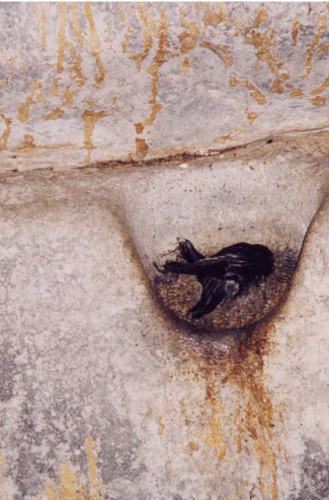
コケアナツバメ (Aerodramus salangana) コケアナツバメ
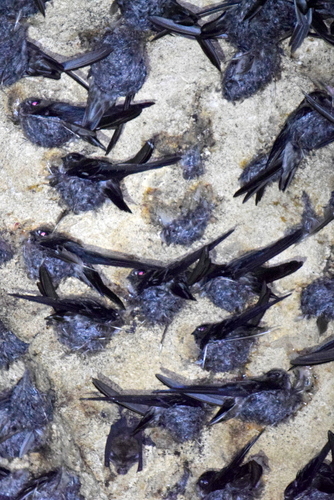
オオアナツバメ (Aerodramus maximus) オオアナツバメ

メディア

読み込み中…

要点

コケアナツバメとオオアナツバメをフィールドで区別することは非常に難しいです。両者は小さく、暗いツバメで、ボルネオ北部とインドネシアの一部で生息域が重なっています。最も信頼できる区別は生息域と微妙な生息地の好みの違いから来ます。直接的な羽毛や構造の違いは利用可能な情報源では十分に文書化されていません。両種は文献において年齢特有の翼や羽毛の特徴が欠けており、全体的な外観は非常に似ています。疑わしい場合は、正確な場所と既知の分布、ならびに生息地の使用における微妙な違いに焦点を当ててください。

識別のコツ

  1. 正確な場所を最初に確認: コケアナツバメはボルネオ北部、ナトゥナ諸島、デラワン諸島、ニアスにのみ生息しています。これらの地域の外にいる場合は、オオアナツバメを優先してください。
  2. 生息地の文脈: 両種は森林生息地を利用しますが、オオアナツバメは東南アジア全体の低地および山地の森林でより広範囲に見られます。コケアナツバメの生息域外の厳密な山地または異常な森林タイプでは、オオアナツバメの方が可能性が高いです。
  3. 診断的な羽毛の特徴がない: 両種は小さく、暗いツバメとして記述されており、特有の淡いまたは模様のある部分はありません。区別のために尾、喉、または腹部の色に依存しないでください。
  4. 年齢特有の翼や尾のパターンがない: 両種間で幼鳥や未成熟の上翼や尾のパターンに報告された違いはありません。すべての年齢がフィールドで似ています。
  5. 構造と印象: 両者は典型的なアエロドラマスのツバメで、比例と飛行スタイルが似ています。くちばし、尾、翼の形状は異なるとは記述されていません。
  6. 行動: 両種は速く、機敏な飛行で餌を探し、止まっているのはめったに見られません。区別のための行動的な手がかりは記載されていません。
  7. 声: 情報源には音声の違いが記載されていません。同定のために鳴き声や歌に依存しないでください。
  8. 季節と性別: 両種に季節的または性的二形性は記載されていません。すべての個体は年間を通じて似ています。
  9. コロニーの場所: 巣作りのコロニーを知っている場合は、地元の記録を確認してください。一部のコロニーは種特異的で、よく文書化されています。
  10. 地元のチェックリストを参照: 重なり合う地域では、地元のバードウォッチングリソースがどの種が存在するかについての最新情報を持っているかもしれません。
  11. 分類学的混乱に注意: 一部の権威はコケアナツバメをムジアナツバメの亜種と見なしているため、地域の最新の分類を確認してください。
  12. サイズを使用しない: 信頼できるサイズの違いは文書化されていません。フィールドでの見かけのサイズは安全な指標ではありません。
  13. 専門家のレビューのために写真を撮る: 不確かな場合は、鳥を記録し、地域の専門家に相談してください。フィールドでの区別は、詳細な研究や遺伝子分析なしではしばしば不可能です。
  14. 過信を避ける: フィールドマークが不足しているため、多くの記録は明確な範囲やコロニーの文脈外ではアエロドラマス sp. として残すのが最良です。
  15. 要約: 実際には、区別はほぼ完全に生息域と既知のコロニーに基づいています。これらの2種のツバメに対する視覚的なフィールドマークは信頼できません。

大きさ

提供された情報源には、コケアナツバメとオオアナツバメをサイズで区別するための直接的な測定データはありません。両者はアエロドラマス属の小さなツバメであり、フィールドでのサイズの違いは無視できる可能性があります。区別のためにサイズに依存しないでください。

羽色

提供された情報源には、コケアナツバメとオオアナツバメの間で年齢や季節に関する診断的な羽毛の違いが記載されていません。両種は典型的な小さく、暗いツバメとして記述されており、対照的な尾、喉、または腹部のパターンについては言及されていません。どちらの種にも年齢特有の上翼や尾のパターンは記載されていません。明らかな淡い部分や特異な翼のマーキングがない均一な暗いツバメを見た場合、両種の期待される範囲内にいることになります。

行動

両種は典型的なツバメで、通常は森林の高いところや巣作りの場所の近くで速く、機敏な飛行をしているのが見られます。フィールドでこれらの2種を確実に区別するための飛行スタイル、餌の取り方、または止まっている行動の違いは文書化されていません。

生息環境

コケアナツバメはボルネオ北部、ナトゥナ諸島、デラワン諸島、そして西スマトラのニアスに制限されています。オオアナツバメはより広範囲に分布し、ブルネイ、インドネシア、マレーシア、ミャンマー、フィリピン、シンガポール、タイ、ベトナム全土で見られます。両者は低地および山地の森林に生息しますが、オオアナツバメは亜熱帯および熱帯の湿った森林、特に山地の地域でより広範囲に見られる可能性があります。コケアナツバメの限られた範囲の外にいる場合、オオアナツバメの方がはるかに可能性が高いです。重なり合うゾーン内では、地元の分布と既知のコロニーに注意を払うことが重要です。

より良い説明を送る

比較と同じ項目を使ってください。文章はすぐに公開されます。

Separating Mossy-nest Swiftlet from Black-nest Swiftlet in the field is extremely challenging, as both are small, dark swifts with overlapping ranges in northern Borneo and parts of Indonesia. The most reliable separation comes from range and subtle differences in habitat preference, as direct plumage or structural differences are not well documented in the available sources. Both species lack distinctive age-specific wing or plumage marks in the literature, and their overall appearance is very similar. When in doubt, focus on precise locality and known distribution, as well as any subtle differences in habitat use.

  1. Check precise location first: Mossy-nest Swiftlet is only found in northern Borneo, Natuna and Derawan Islands, and Nias. If you are outside these areas, rule it out in favor of Black-nest Swiftlet.
  2. Habitat context: Both species use forested habitats, but Black-nest Swiftlet is more likely in a wider range of lowland and montane forests across Southeast Asia. In strictly montane or unusual forest types outside Mossy-nest's range, Black-nest is more probable.
  3. No diagnostic plumage marks: Both species are described as small, dark swifts without distinctive pale or patterned areas. Do not rely on rump, throat, or underpart color for separation.
  4. No age-specific wing or tail pattern: There are no reported differences in juvenile or immature upperwing or tail patterns between the two species. All ages appear similar in the field.
  5. Structure and jizz: Both are typical Aerodramus swiftlets, with similar proportions and flight style. Bill, tail, and wing shape are not described as differing.
  6. Behavior: Both species forage in fast, agile flight and are rarely seen perched. No behavioral cues are noted for separation.
  7. Voice: No vocal differences are described in the sources. Do not rely on calls or songs for identification.
  8. Season and sex: No seasonal or sexual dimorphism is noted for either species. All individuals look alike year-round.
  9. Colony location: If you know of a nesting colony, check local records—some colonies are species-specific and well-documented.
  10. Consult local checklists: In areas of overlap, local birding resources may have more up-to-date information on which species is present.
  11. Beware of taxonomic confusion: Some authorities consider Mossy-nest Swiftlet a subspecies of Uniform Swiftlet, so check the latest taxonomy for your region.
  12. Do not use size: No reliable size difference is documented; apparent size in the field is not a safe mark.
  13. Photograph for expert review: If uncertain, document the bird and consult regional experts, as field separation is often not possible without close study or genetic analysis.
  14. Avoid overconfidence: Given the lack of field marks, many records are best left as Aerodramus sp. when outside clear range or colony context.
  15. Summary: In practice, separation is almost entirely based on range and known colonies; visual field marks are not reliable for these two swiftlets.

There is no direct measurement data in the provided sources to distinguish Mossy-nest Swiftlet from Black-nest Swiftlet by size. Both are small swifts in the Aerodramus genus, and any size difference is likely negligible in the field. Do not rely on size for separation.

No sources describe diagnostic plumage differences between Mossy-nest Swiftlet and Black-nest Swiftlet for any age or season. Both species are described as typical small, dark swifts without mention of contrasting rump, throat, or underpart patterns. No age-specific upperwing or tail pattern is noted for either species. If you see a uniform, dark swift without obvious pale areas or distinctive wing markings, you are within the expected range for both species.

Both species are typical swiftlets, usually seen in fast, agile flight high above forests or near nesting sites. There are no documented behavioral differences in flight style, foraging, or perching that would reliably separate these two species in the field.

Mossy-nest Swiftlet is restricted to northern Borneo, the Natuna and Derawan Islands, and Nias off western Sumatra. Black-nest Swiftlet is more widespread, found throughout Brunei, Indonesia, Malaysia, Myanmar, the Philippines, Singapore, Thailand, and Vietnam. While both occur in lowland and montane forests, Black-nest Swiftlet is more likely in a broader range of subtropical and tropical moist forests, including montane areas. If you are outside the limited range of Mossy-nest Swiftlet, Black-nest Swiftlet is far more likely. Within overlap zones, careful attention to local distribution and known colonies is crucial.

変更を破棄しますか?

保存していない編集があります。今離れると失われます。

コケアナツバメ · オオアナツバメ · 苦手な鳥