

Motmot

ヒメアカゲラ 対 オオアカゲラ

Dendrocoptes medius 対 Dendrocopos leucotos

ヒメアカゲラとオオアカゲラのクイズ
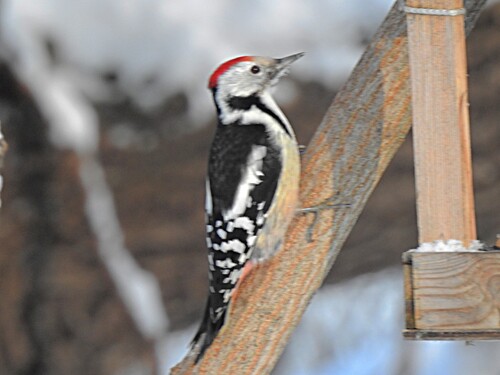
ヒメアカゲラ (Dendrocoptes medius) ヒメアカゲラ
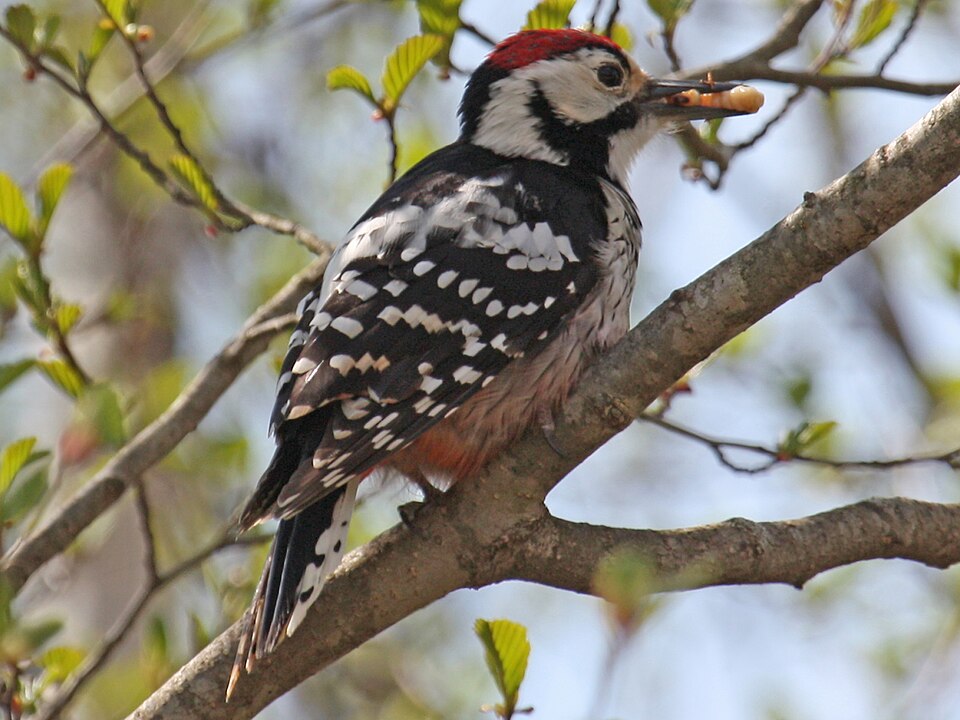
オオアカゲラ (Dendrocopos leucotos) オオアカゲラ

メディア

読み込み中…

要点

ミドルスポッテッドウッドペッカーとホワイトバックウッドペッカーを区別する最も信頼できるフィールドマークは、成鳥のミドルスポッテッド(両性)に固体の赤い冠があることであり、対してホワイトバックはオスにのみ赤い冠があり(メスは黒い冠を持つ)、ミドルスポッテッドには黒い口髭のストライプがないことです。飛んでいる時や止まっている時、ホワイトバックウッドペッカーは目立つ白い下背部と、翼に広い白いバー(斑点ではない)を示し、一方ミドルスポッテッドは楕円形の白い翼の斑点と、背中の白が少ないです。くちばしのサイズと頭の形も異なります:ミドルスポッテッドは小さな頭に短くて細いくちばしを持ち、ホワイトバックはより大きくて頑丈です。幼鳥の混同は可能ですが、頭の模様と翼のマーキングの組み合わせは診断的です。

識別のコツ

  1. Crown color (adults): ミドルスポッテッドウッドペッカーは常に両性に固体の赤い冠を示します;ホワイトバックウッドペッカーはオスにのみ赤い冠があり、メスは黒い冠を示します。これは成鳥の最も迅速な正面からの区別です。
  2. Moustachial stripe: ミドルスポッテッドは完全に黒い口髭のストライプがなく、淡い、開いた顔の印象を与えます。ホワイトバックは明確な黒い口髭のストライプがあり、両性およびすべての年齢で見られます。
  3. Back pattern: ホワイトバックウッドペッカーは目立つ白い下背部を持ち、飛んでいる時や止まっている時にしばしば見える広くてきれいな斑点を形成します。ミドルスポッテッドは主に黒い背中を持ち、白い楕円形の翼の斑点のみを持ち、白い下背部はありません。
  4. Wing pattern (all ages): ミドルスポッテッドは翼に白い楕円形の斑点と白いバーを示し、ホワイトバックは翼に白いバー(斑点ではない)を示します。飛んでいる時、バー(ホワイトバック)と斑点/斑点(ミドルスポッテッド)の違いは診断的です。
  5. Bill size and shape: ミドルスポッテッドは目立って短くて細いくちばしと、より丸みを帯びた淡い頭を持ち、より優雅に見えます。ホワイトバックはより大きなくちばしを持ち、より頑丈な頭を持ち、特に並べて見たり、木のサイズを参照したりすると明らかです。
  6. Flank streaking: ミドルスポッテッドは脇に暗いストライプがあり、ホワイトバックでは欠如しているか、はるかに少ないです。
  7. Vent color: ミドルスポッテッドはピンクのベントを示し;これはホワイトバックでは目立たないか、欠如していることが多いですが、フィールドで見るのは難しいことがあります。
  8. Size impression: ホワイトバックは明らかに大きくてずっしりしており、翼幅も長いです。一緒に見たり、既知の参照と一緒に見たりすると、これは強い支持マークです。
  9. Sexing pitfalls: オスのホワイトバックのみが赤い冠を持ち;メスは黒い冠を持つため、赤い冠のウッドペッカーはこのペアでは必ずしもオスではありません。ミドルスポッテッドは性別に関係なく常に赤い冠を持ちます。
  10. Juvenile confusion: 幼鳥のミドルスポッテッドはシリアンまたはグレートスポッテッドウッドペッカーと混同される可能性がありますが、黒い口髭のストライプがないことと、黒い側面のない赤い冠がホワイトバックの幼鳥と区別するのに役立ちます。ホワイトバックの幼鳥は白い下背部と縞模様の翼を保持します。
  11. Drumming and calls: 非常に大きなドラミング音や「キウク」/「クイーク」の呼び声が聞こえた場合、ホワイトバックを疑ってください。ミドルスポッテッドの声はここでは記述されていないため、音だけで注意してください。
  12. Perched vs. flight views: 飛んでいる時は、背中と翼のパターンに焦点を当ててください:ホワイトバックの白い下背部と縞模様の翼が目立ち、ミドルスポッテッドは楕円形の白い斑点のある暗い背中を示します。
  13. Head shape: ミドルスポッテッドはより丸みを帯びた淡い頭を持ち、近くで見る際に役立ちます。ホワイトバックの頭は相対的に大きく、より頑丈です。
  14. Contextual clues: 厚い枯れ木で採餌しているウッドペッカーを見たり、非常に大きなドラミング音を聞いた場合はホワイトバックに傾く;細い枝の上や繊細な印象であればミドルスポッテッドを考慮してください。
  15. When marks fail: 照明が悪い場合や遠くからの視界では、単一の特徴ではなく、冠の色、背中のパターン、全体のサイズの組み合わせに依存してください。

大きさ

ホワイトバックウッドペッカーは明らかに大きく、長さ24〜26 cm、翼幅38〜40 cmであり、西パレアリックで最大の斑点のあるウッドペッカーです。ミドルスポッテッドウッドペッカーは小さく、長さ20〜22 cmで、相対的に短くて細いくちばしとより丸みを帯びた淡い頭のため、さらに小さく見えます。直接比較すると、ホワイトバックの体格と長い翼が明らかで、特に飛んでいる時や両種が同じ餌場で見られる時に顕著です。

羽色

行動

両種は木の幹や枝で採餌しますが、ホワイトバックウッドペッカーは大きいため、しばしば厚い幹や枯れ木で作業し、時には樹皮を剥がします。ミドルスポッテッドはより敏捷で、しばしば細い枝や小枝で餌を食べます。ホワイトバックのオスによるドラミングは非常に大きいとされ、検出に役立つかもしれません。これらの傾向を超えた独自の行動の区別は記載されていません。

生息環境

ノートには診断的な生息地の区別は提供されていません。両種は成熟した森林環境に生息しますが、生息地は提供された情報源に基づく信頼できるフィールドマークではありません。

声

ホワイトバックウッドペッカーは非常に大きなドラミング音(オスによる)と、柔らかい「キウク」や長い「クイーク」の呼び声を持っています。ノートにはミドルスポッテッドウッドペッカーの声の詳細は記載されていないため、ホワイトバックの大きなドラミング音や特定の呼び声が聞こえた場合にのみ、声の識別が有用です。

より良い説明を送る

比較と同じ項目を使ってください。文章はすぐに公開されます。

The most reliable field mark to separate Middle Spotted Woodpecker from White-backed Woodpecker is the presence of a solid red crown on adult Middle Spotted (both sexes), versus a red crown only on male White-backed (females have a black crown), and the absence of a black moustachial stripe in Middle Spotted. In flight or perched, White-backed Woodpecker shows a strikingly white lower back and broad white bars (not spots) across the wings, while Middle Spotted has oval white wing patches and less extensive white on the back. Bill size and head shape also differ: Middle Spotted appears smaller-headed with a short, slender bill, while White-backed is larger and more robust. Juvenile confusion is possible, but the combination of head pattern and wing markings remains diagnostic.

  1. Crown color (adults): Middle Spotted Woodpecker always shows a solid red crown in both sexes; White-backed Woodpecker has a red crown only in males, with females showing a black crown. This is the quickest head-on separation in adults.
  2. Moustachial stripe: Middle Spotted lacks a black moustachial stripe entirely, giving a pale, open-faced look. White-backed has a distinct black moustachial stripe, which is visible in both sexes and all ages.
  3. Back pattern: White-backed Woodpecker has a striking white lower back, forming a broad, clean patch visible in flight and often when perched. Middle Spotted has a mostly black back with only white oval wing patches, never a white lower back.
  4. Wing pattern (all ages): Middle Spotted shows white oval patches on the wings and white barring, while White-backed displays white bars (not spots) across the wings. In flight, the difference between bars (White-backed) and spots/patches (Middle Spotted) is diagnostic.
  5. Bill size and shape: Middle Spotted has a noticeably short, slender bill and a more rounded, pale head, making it look daintier. White-backed is larger-billed and more robust-headed, especially apparent when seen side-by-side or with reference to tree size.
  6. Flank streaking: Middle Spotted has dark streaks on the flanks, which are absent or much less marked in White-backed.
  7. Vent color: Middle Spotted shows a pink vent; this is less prominent or absent in White-backed, but can be hard to see in the field.
  8. Size impression: White-backed is significantly larger and bulkier, with a longer wingspan. If seen together or with a known reference, this is a strong supporting mark.
  9. Sexing pitfalls: Only male White-backed has a red crown; females have a black crown, so a red-crowned woodpecker is not always a male in this pair. Middle Spotted always has a red crown regardless of sex.
  10. Juvenile confusion: Juvenile Middle Spotted may be confused with Syrian or Great Spotted Woodpecker, but the lack of a black moustachial stripe and the red crown without black sides help separate it from White-backed juveniles, which retain the white lower back and barred wings.
  11. Drumming and calls: If you hear very loud drumming or the 'kiuk'/'kweek' calls, suspect White-backed. Middle Spotted's vocalizations are not described here, so use caution with sound alone.
  12. Perched vs. flight views: In flight, focus on the back and wing pattern: White-backed's white lower back and barred wings stand out, while Middle Spotted shows a darker back with oval white patches.
  13. Head shape: Middle Spotted has a more rounded, pale head, which can help in close views. White-backed's head is proportionally larger and more robust.
  14. Contextual clues: If you see a woodpecker foraging on thick deadwood or hear very loud drumming, lean toward White-backed; if on thin branches or with a delicate jizz, consider Middle Spotted.
  15. When marks fail: In poor light or distant views, rely on the combination of crown color, back pattern, and overall size rather than a single feature.

White-backed Woodpecker is distinctly larger, at 24–26 cm in length with a 38–40 cm wingspan, making it the largest spotted woodpecker in the western Palearctic. Middle Spotted Woodpecker is smaller, 20–22 cm long, and appears even smaller due to its proportionally shorter, thinner bill and more rounded, pale head. In direct comparison, White-backed's bulk and longer wings are evident, especially in flight or when both species are seen at the same feeding site.

  • Juvenile/immature birds: Both species can resemble Great Spotted Woodpecker, but Middle Spotted juveniles lack a black moustachial stripe and have a red crown without black borders. White-backed juveniles (like adults) show a white lower back and white bars across the wings, not oval spots. This upperwing pattern is visible in flight and when perched with wings closed.

  • Adults: Middle Spotted Woodpecker shows a solid red crown (both sexes), no black moustachial stripe, white oval wing patches, and a pink vent. Flanks have dark streaks. White-backed Woodpecker males have a red crown, females a black crown; both sexes have a white lower back, white bars across the wings, and lack the oval wing patches of Middle Spotted. The moustachial stripe is present in White-backed, and the underparts are less streaked than in Middle Spotted.

Both species forage on tree trunks and branches, but White-backed Woodpecker, being larger, often works on thicker trunks and deadwood, sometimes scaling bark. Middle Spotted is more agile, often feeding on thinner branches and twigs. Drumming by White-backed males is described as very loud, which may help in detection. No unique behavioral separation is noted beyond these tendencies.

No diagnostic habitat separation is provided in the notes. Both species occur in mature woodland settings, but habitat is not a reliable field mark based on the provided sources.

White-backed Woodpecker has a very loud drumming (by males) and calls including a soft 'kiuk' and a longer 'kweek.' No vocal details are given for Middle Spotted Woodpecker in the notes, so vocalization is only useful if the loud drumming or specific calls of White-backed are heard.

変更を破棄しますか?

保存していない編集があります。今離れると失われます。

ヒメアカゲラ · オオアカゲラ · 苦手な鳥