

Motmot

Middle American Leaftosser 対 ヒメオニキバシリ

Sclerurus mexicanus 対 Sittasomus griseicapillus

Middle American Leaftosserとヒメオニキバシリのクイズ
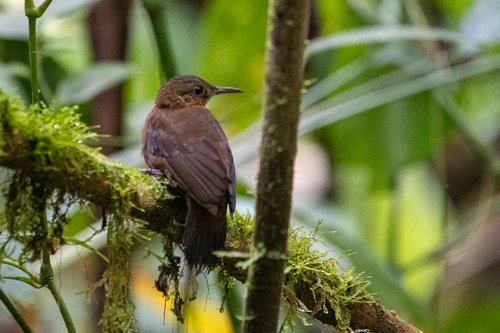
Middle American Leaftosser (Sclerurus mexicanus) Middle American Leaftosser
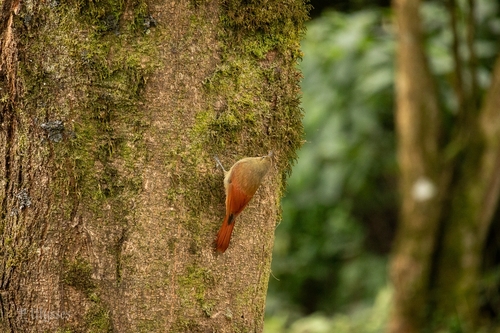
ヒメオニキバシリ (Sittasomus griseicapillus) ヒメオニキバシリ

メディア

読み込み中…

要点

Middle American Leaftosserとヒメオニキバシリを区別する最も信頼できるフィールドマークは行動と構造です:leaftosserは地面に生息するずんぐりした鳥で、下向きのくちばしを持ち、ヒメオニキバシリは細身で、木の幹を登り、まっすぐで短いくちばしを持っています。羽色では、leaftosserは全体的に暗い赤褐色から栗色で、淡い喉を持つのに対し、ヒメオニキバシリは主にオリーブ色からオリーブ褐色で、赤褐色の翼と尾を持っています。幼鳥のleaftosserは喉と胸に淡い縞模様を示し、これはヒメオニキバシリには見られません。両種は薄暗い光の中で似て見えることがありますが、採餌スタイルと姿勢は通常決定的です。

識別のコツ

  1. Foraging substrate is decisive: Leaftosserは常に地面にいて、葉を投げたり、リターを探ったりします;ヒメオニキバシリはほとんど地面にはおらず、代わりに幹や枝を登ります。もし鳥の足が地面の上の樹皮にあるのを見たら、それはヒメオニキバシリです。
  2. Structure and posture: Leaftosserはずんぐりしていて、比較的長く、わずかに下向きのくちばしと短い尾を持っています;ヒメオニキバシリは細身で、短くてまっすぐなくちばしと長い赤褐色の尾を持っています。leaftosserのくちばしは横から見ると明らかに下向きです。
  3. Plumage uniformity: Leaftosserは全体的に暗い赤褐色から栗色で、背中、翼、尾の間にほとんどコントラストがありません。ヒメオニキバシリはよりコントラストがあり、オリーブ色または茶色の上面、赤褐色の尾と飛行羽、時には飛行中に見える翼のバンドがあります。
  4. Juvenile marks: 幼鳥のleaftosserは喉と胸に淡い縞模様を示し、これはヒメオニキバシリのどの年齢にも見られません。
  5. Wing and tail in flight: ヒメオニキバシリは飛行中に赤褐色または淡い翼のバンドと赤褐色の尾を示し、特に「灰色」および「太平洋」グループで;leaftosserはより均一で、翼のバンドがなく、コントラストがそれほど強くない栗色の尾を持っています。
  6. Bill color: 両者は暗い上顎を持っていますが、leaftosserは二色の下顎(暗い色に淡い基部)を持ち、ヒメオニキバシリの下顎は黒から明るい灰色で、時には暗い先端があります。
  7. Leg color: 両者は暗い脚を持っていますが、leaftosserの脚は暗い茶色がかった灰色で、ヒメオニキバシリの脚は灰色、青灰色、または黒です。
  8. Eye color: 両者は暗い虹彩を持っています;これは有用な区別ではありません。
  9. Sexes: 両種は羽色において性別が同じであり;ヒメオニキバシリのサイズ差(雌は小さい)はフィールド診断にはなりません。
  10. Mixed flocks: ヒメオニキバシリはしばしば混成種の群れに加わったり、アリの群れを追ったりします;leaftosserは群れに加わらず、通常は単独またはペアでいます。
  11. Habitat within forest: Leaftosserは地面層に制限されます;ヒメオニキバシリは通常地面の上にいて、下層から亜冠層にいます。
  12. Pitfalls: 薄暗い光の中では、leaftosserは鈍い茶色に見え、ヒメオニキバシリはより暗く見えることがありますが、採餌行動とくちばしの形状は信頼できます。ヒメオニキバシリの亜種変異に注意してください。これにより、一部の個体がより茶色やオリーブ色に見えることがありますが、赤褐色の尾と登る行動は良い手がかりです。
  13. Vocalizations: メモには記載されていません;ここでの区別には歌や鳴き声に頼らないでください。
  14. Season and molt: どちらの種にも季節的な羽色の変化は記載されていません;年齢に関連するマーク(幼鳥のleaftosserの縞模様のある喉)が唯一の年齢特有の特徴です。
  15. Context: 深い落ち葉の中から鳥を追い立てた場合はleaftosserを疑ってください;幹を垂直に移動している鳥を見た場合、それはヒメオニキバシリです。

大きさ

Middle American Leaftosserは重くて頑丈で、体重は約25g [wikidata]で、長さは15〜17cmです。ヒメオニキバシリは小さくて軽く、オスは9〜18g、メスは8.6〜16gで、亜種によって長さは13.1〜19.3cmの範囲です [wikipedia]。長さにいくつかの重複があるにもかかわらず、leaftosserは明らかにずんぐりしていてよりしっかりしており、ヒメオニキバシリは細くて軽量です。

羽色

幼鳥のMiddle American Leaftosserは全体的に鈍い茶色の色合いと喉と胸に淡い縞模様があることで識別できますが、これはヒメオニキバシリには見られません。成鳥のleaftosserは上面が均一な暗い赤褐色から栗色で、淡い赤褐色の喉と胸、そして暗い茶色の翼を持っています。尾と臀部は栗色です。それに対して、ヒメオニキバシリの成鳥は主にオリーブ色からオリーブ褐色で、赤褐色の臀部、尾、飛行羽を持ち、いくつかの亜種では飛行中に見える淡いまたは白っぽい翼のバンドがあります。ヒメオニキバシリは縞模様や斑点がなく、特に飛行中によりコントラストのある翼と尾のパターンを持っているのに対し、leaftosserはより均一です。ヒメオニキバシリの亜種変異により背中がより茶色やオリーブ色になることがありますが、赤褐色の尾と飛行羽は一貫しています。leaftosserのくちばしは長くてわずかに下向きで、ヒメオニキバシリのくちばしは短くてまっすぐです。

行動

Middle American Leaftosserは地面でのみ採餌し、葉をひっくり返したり、落ち葉の中を探ったりし、常に歩くのではなく跳ねて移動し、幹を登ることはありません。通常は単独またはペアで行動し、混成種の群れには加わりません。それに対して、ヒメオニキバシリは木の幹、枝、つるを登って採餌し、地面に来ることはほとんどありません。しばしば混成種の採餌群れに加わり、時にはその中心を形成し、軍隊アリの群れや採餌しているサルを追うこともあります。これらの採餌行動と基質の違いは、フィールドで通常明らかです。

生息環境

両種はメキシコからパナマまでの類似の熱帯および亜熱帯の森林に生息することがありますが、マイクロハビタットの好みは異なります。Leaftosserは常に森林の床の上または近くにいて、密な落ち葉の中にいますが、ヒメオニキバシリは下層から亜冠層にかけて見られ、地面にはほとんどいません。もし幹や枝を登っている鳥を見たら、それはヒメオニキバシリです;もし地面で葉を投げている鳥を見たら、それはleaftosserです。

より良い説明を送る

比較と同じ項目を使ってください。文章はすぐに公開されます。

The most reliable field mark to separate Middle American Leaftosser from Olivaceous Woodcreeper is behavior and structure: leaftosser is a ground-dwelling, chunky bird with a decurved bill, while woodcreeper is slim, climbs tree trunks, and has a straight, short bill. In plumage, leaftosser is overall dark reddish to chestnut brown with a tawny throat, whereas woodcreeper is mostly olive to olive-brown with rufous wings and tail. Juvenile leaftossers show pale streaks on the throat and breast, a feature not present in woodcreeper. Both species can appear similar in poor light, but their foraging style and posture are usually decisive.

  1. Foraging substrate is decisive: Leaftosser is always on the ground, tossing leaves and probing litter; woodcreeper is almost never on the ground, instead hitching up trunks and branches. If you see the bird's feet on bark above ground, it's a woodcreeper.
  2. Structure and posture: Leaftosser is chunky with a relatively long, slightly decurved bill and a short tail; woodcreeper is slim, with a short, straight bill and a longer, rufous tail. The leaftosser's bill is noticeably more downcurved when seen in profile.
  3. Plumage uniformity: Leaftosser is overall dark reddish to chestnut brown, with little contrast between back, wings, and tail. Woodcreeper is more contrasting, with olive or brown upperparts, a rufous tail and flight feathers, and sometimes a visible wing band in flight.
  4. Juvenile marks: Juvenile leaftosser shows pale streaks on the throat and breast, absent in woodcreeper of any age.
  5. Wing and tail in flight: Woodcreeper shows a rufous or tawny wing band and rufous tail in flight, especially in the 'grayish' and 'Pacific' groups; leaftosser is more uniform, with no wing band and a chestnut tail that does not contrast as much.
  6. Bill color: Both have dark maxillae, but leaftosser has a bicolored mandible (dark with pale base), while woodcreeper's mandible is black to light gray, sometimes with a darker tip.
  7. Leg color: Both have dark legs, but leaftosser's are dark brownish gray, woodcreeper's can be gray, bluish gray, or black.
  8. Eye color: Both have dark irises; not a useful separation.
  9. Sexes: Both species are sexually monomorphic in plumage; size difference in woodcreeper (females smaller) is not field-diagnostic.
  10. Mixed flocks: Woodcreeper often joins mixed-species flocks or follows ant swarms; leaftosser does not join flocks and is usually alone or in pairs.
  11. Habitat within forest: Leaftosser is restricted to the ground layer; woodcreeper is usually above ground, from understory to subcanopy.
  12. Pitfalls: In poor light, leaftosser can look dull brown and woodcreeper can appear darker, but the foraging behavior and bill shape are reliable. Beware of subspecific variation in woodcreeper, which can make some individuals browner or more olive, but the rufous tail and climbing behavior remain good clues.
  13. Vocalizations: Not covered in the notes; do not rely on song or call for separation here.
  14. Season and molt: No seasonal plumage changes are noted for either species; age-related marks (streaked throat in juvenile leaftosser) are the only age-specific feature.
  15. Context: If you flush a bird from the ground in deep leaf litter, suspect leaftosser; if you see a bird moving vertically on a trunk, it's a woodcreeper.

Middle American Leaftosser is heavier and more robust, with a body mass around 25 g [wikidata], and measures 15–17 cm in length. Olivaceous Woodcreeper is smaller and lighter, with males weighing 9–18 g and females 8.6–16 g, and a length range of 13.1–19.3 cm depending on subspecies [wikipedia]. Despite some overlap in length, the leaftosser is noticeably bulkier and more solid, while the woodcreeper is slender and lightweight.

Juvenile Middle American Leaftosser can be told by its overall duller brown coloration and pale streaks on the throat and breast, which are absent in Olivaceous Woodcreeper. Adult leaftosser is uniform dark reddish to chestnut brown above, with a tawny-rufous throat and chest, and darker brown wings. Its tail and rump are chestnut. In contrast, Olivaceous Woodcreeper adults are mostly olive to olive-brown, with a rufous rump, tail, and flight feathers, and a tawny or whitish wing band visible in flight in some subspecies. The woodcreeper lacks any streaking or spotting and has a more contrasting wing and tail pattern, especially in flight, while the leaftosser is more uniform. Subspecific variation in woodcreeper can cause the back to be browner or more olive, but the rufous tail and flight feathers are consistent. The leaftosser’s bill is longer and slightly decurved, while the woodcreeper’s is short and straight.

Middle American Leaftosser forages exclusively on the ground, flipping leaves and probing in leaf litter, always hopping rather than walking, and never climbing trunks. It is typically solitary or in pairs and does not join mixed-species flocks. Olivaceous Woodcreeper, in contrast, forages by hitching up tree trunks, branches, and vines, rarely coming to the ground. It often joins mixed-species feeding flocks, sometimes forming their core, and may follow army ant swarms or even foraging monkeys. These differences in foraging behavior and substrate are usually obvious in the field.

Both species can occur in similar tropical and subtropical forests from Mexico to Panama, but their microhabitat preferences differ. Leaftosser is always on or near the forest floor, in dense leaf litter, while woodcreeper is found from the understory to the subcanopy, rarely on the ground. If you see a bird climbing a trunk or branch, it is a woodcreeper; if it is tossing leaves on the ground, it is a leaftosser.

変更を破棄しますか?

保存していない編集があります。今離れると失われます。

Middle American Leaftosser · ヒメオニキバシリ · 苦手な鳥