

Motmot

サカツラハグロドリ 対 マミジロイカル

Tityra semifasciata 対 Saltator maximus

サカツラハグロドリとマミジロイカルのクイズ
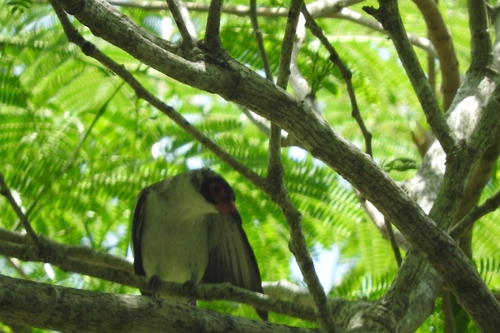
サカツラハグロドリ (Tityra semifasciata) サカツラハグロドリ
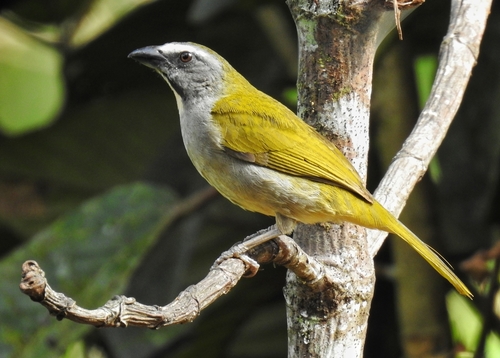
マミジロイカル (Saltator maximus) マミジロイカル

メディア

読み込み中…

要点

マスクドティティラとマミジロイカルを区別する最も信頼できるフィールドマークは、ティティラの目立つ裸のバラ色の顔の皮膚と黒いマスク(オスの場合)であり、対照的にマミジロイカルは短い白い眉毛と裸の皮膚がない平坦な灰色の頭を持っています。マスクドティティラはより大きく、重い体を持ち、厚く、わずかにフック状のバラ色と黒のくちばしを持っていますが、マミジロイカルはスリムで、厚い全黒のくちばしを持っています。止まっている姿では、ティティラの淡い灰色の上面と黒っぽい翼と尾の帯に注意し、マミジロイカルのオリーブグリーンの背中と翼、そして黒い線で縁取られた特徴的なバフ色の喉と対比させてください。両種は範囲が重なることがあり、中間の高さに止まることがあるため、顔、くちばし、全体の色に注意を払うことが重要です。

識別のコツ

  1. Facial Skin and Mask: マスクドティティラ(すべての性別と年齢)は、くちばしから目の周りまで裸のバラ色の皮膚を示し、オスは大胆な黒いマスクを追加します。マミジロイカルは決して裸の顔の皮膚や黒いマスクを示さず、その顔は平坦な灰色で短い白い眉毛があります。
  2. Bill Structure and Color: ティティラのくちばしは厚く、わずかにフック状で、バラ色で黒い先端があります。マミジロイカルのくちばしは厚く、円錐形で全て黒です。くちばしの色は近距離での信頼できるマークです。
  3. Size and Bulk: ティティラははるかに重く、体が大きい(80 g対47 g)で、頑丈で大きな頭の外観を持っています。マミジロイカルはスリムでより細長いですが、両者は長さが似ています。
  4. Upperparts Color: ティティラは淡い灰色の上面を持ち、パールのような光沢(オス)またはより暗い灰色に茶色の筋がある(メス)ことがあります。マミジロイカルはオリーブグリーンの上面と翼を持ち、決して灰色ではありません。
  5. Head Pattern: ティティラのオスは黒い前冠とマスクを持ち、メスは均一な煙のような灰色の頭を持っています。マミジロイカルは緑がかった灰色の冠、灰色の顔、短い白いスーパーシリウムを持ち、決してマスクや裸の皮膚はありません。
  6. Throat and Underparts: ティティラの喉と腹部は白っぽい(オス)または汚れた淡い灰色(メス)です。マミジロイカルは白い顎/上喉、黒い縁取りのあるバフ色の下喉、灰色の胸と腹、バフ色の尾羽の覆いを持ち、バフ色の喉と黒い線を探してください。
  7. Tail Pattern: ティティラの尾は灰白色で、先端近くに広い黒い帯があります。マミジロイカルの尾はオリーブグリーンで、背中と一致し、黒い帯はありません。
  8. Iris Color: ティティラの虹彩は赤褐色からレンガ色で、マミジロイカルの虹彩は茶色です。これは微妙ですが、近距離で役立つことがあります。
  9. Legs and Feet: 両者ともに暗い脚を持ち、役立つ区別にはなりません。
  10. Flight and Perched Jizz: ティティラは直立してオープンに止まり、高い位置にいることが多いですが、マミジロイカルはより隠れる傾向があり、低い位置で密な葉の中を移動することが多いです。
  11. Juvenile/Immature Marks: どちらの種にも特有の翼のパターンや年齢特有の飛行マークは記載されていません。分離は若い鳥でも成鳥のような特徴に依存します。
  12. Vocalizations: ティティラの鳴き声はブザー音、鼻音、機械的な音であり、マミジロイカルの鳴き声は音楽的でおしゃべりまたはミューイングです。穏やかなキャロリングや電気的なチャッターを聞いたら、それはマミジロイカルです。厳しいクローク音やうなり声はティティラを指します。
  13. Habitat Context: 鳥が密な茂みや低い木にいる場合、マミジロイカルの可能性が高く、高くて露出した場所ではティティラが好まれますが、両者は重なることがあります。
  14. Sexual Dimorphism: ティティラだけが性差があり(オスは黒いマスク、メスはそれがない)、マミジロイカルの性別は似ています。
  15. Common Pitfalls: 黒いマスクがないメスや若いティティラはマミジロイカルと混同されることがありますが、裸の赤い皮膚と淡い灰色の上面は依然として特徴的です。光が悪い場合、マミジロイカルのオリーブ色のトーンとバフ色の喉が見逃されることがありますが、顔の皮膚とマスクの欠如が重要です。

大きさ

マスクドティティラはマミジロイカルよりもかなり重く(80 g対47 g)、わずかに長い(20–24 cm対20 cm)です。フィールドでは、ティティラはより大きく、頑丈に見え、太い首と大きな頭を持っていますが、マミジロイカルはよりスリムで細長いです。ティティラのくちばしはより厚く、わずかにフック状で、二色(バラ色と黒い先端)ですが、マミジロイカルのくちばしは強いですが全て黒で、より円錐形です。ティティラの大きなサイズは、両種が一緒に見られるときや、同じサイズの鳥の近くで特に目立ちます。

羽色

どちらの種にも特有の年齢別の上翼パターンや飛行マークは、情報源には記載されていません。大人の場合、マスクドティティラのオスは、くちばしから目の周りまでの裸のバラ色の皮膚の上に大胆な黒いマスクを示し、淡い灰色の上面と黒っぽい翼と尾の帯を持っています。メスは黒いマスクがなく、同じ赤い顔の皮膚、煙のような灰色の頭、上面に茶色の筋があります。両性ともに白っぽい腹部を持っています。すべての年齢と性別のマミジロイカル(性差なし)は、緑がかった灰色の冠を持つ主に灰色の頭、短い白いスーパーシリウム、オリーブグリーンの上面、黒い線で縁取られた特徴的なバフ色の下喉を示します。顎と上喉は白く、腹部は灰色でバフ色の尾羽の覆いがあります。マミジロイカルの虹彩は茶色で、ティティラの虹彩は赤褐色からレンガ色です。飛行中、どちらの種も大胆な翼のフラッシュやパネルを示さないため、止まっている姿がより診断的です。

行動

マスクドティティラは、しばしば直立して目立つように露出した枝の高い位置や中間の高さに止まり、時には果物や昆虫を求めて飛び出します。枝に沿って翼を垂らして走ることでディスプレイすることがあります。マミジロイカルは、ペアや小グループで見つかる可能性が高く、密な葉の中やエッジを移動し、完全にオープンに止まる可能性は低いです。マミジロイカルは通常、より隠れる傾向があり、低い位置で採餌しているのが見られることがあり、茂みや低木の中でも見られます。両種は果実を持つ木を訪れることがありますが、ティティラの行動はよりオープンで直接的であり、マミジロイカルはより隠れた行動をします。

生息環境

両種は中米と南米北部で広く重なり、森林や半開放的な生息地の範囲で発生します。マスクドティティラは森林のエッジ、開けた場所、二次成長を好み、しばしば中間から上の高さで見られ、オープンに見られる可能性が高いです。マミジロイカルは同様の生息地に見られますが、茂み、庭、密なエッジでより一般的で、しばしば低いから中間の高さで見られます。マミジロイカルはエルサルバドルと南米の最南部には存在せず、ティティラはギアナには存在しません。

声

マスクドティティラは、ブザー音、鼻音、スタッカート、クローキング、うなり声など、さまざまな鳴き声を持っています(例: "zzzu rrk", "querp")、時には豚のような音や昆虫のような音もあります。ティティラの鳴き声は一般的に粗く、乾燥しており、機械的です。マミジロイカルの歌は、高音の電気的なチャッターや穏やかなキャロリングのフレーズの長く変動するシリーズです(例: "will-cheeloo will-cheelo")、高いキュッキュ音、金属的な音、ミューイングの音を含む鳴き声があります。マミジロイカルの鳴き声はより音楽的で多様であり、ティティラの鳴き声はより厳しく、機械的です。

より良い説明を送る

比較と同じ項目を使ってください。文章はすぐに公開されます。

The most reliable field mark to separate Masked Tityra from Buff-throated Saltator is the tityra’s striking bare rosy red facial skin and black mask (in males), versus the saltator’s plain grayish head with a short white eyebrow and no bare skin. Masked Tityra is bulkier and heavier-bodied, with a thicker, slightly hooked rosy red and black bill, while Buff-throated Saltator is slimmer and has a thick, all-black bill. In perched views, note the tityra’s pale grayish upperparts and blackish wings and tail band, contrasting with the saltator’s olive-green back and wings and distinctive buffy throat bordered by black lines. Both species can overlap in range and perch at mid-levels, so careful attention to face, bill, and overall color is essential.

  1. Facial Skin and Mask: Masked Tityra (all sexes and ages) shows bare rosy red skin from the bill to around the eye; males add a bold black mask. Buff-throated Saltator never shows bare facial skin or a black mask—its face is plain gray with a short white eyebrow.
  2. Bill Structure and Color: Tityra’s bill is thick, slightly hooked, and rosy red with a black tip; saltator’s bill is thick, conical, and all black. Bill color is a reliable mark at close range.
  3. Size and Bulk: Tityra is much heavier and bulkier (80 g vs. 47 g), with a robust, big-headed appearance. Saltator is slimmer and more elongated, though both are similar in length.
  4. Upperparts Color: Tityra has pale grayish upperparts with a pearly cast (male) or darker gray with brown streaks (female). Saltator has olive-green upperparts and wings, never gray.
  5. Head Pattern: Tityra males have a black forecrown and mask; females have a uniform smoky gray head. Saltator has a greenish gray crown, gray face, and a short white supercilium—never a mask or bare skin.
  6. Throat and Underparts: Tityra’s throat and underparts are whitish (male) or dingy pale grayish (female). Saltator has a white chin/upper throat, buffy lower throat with black borders, gray breast and belly, and buffy undertail coverts—look for the buff throat and black lines.
  7. Tail Pattern: Tityra’s tail is grayish white with a wide black band near the end. Saltator’s tail is olive-green, matching the back, with no black band.
  8. Iris Color: Tityra’s iris is reddish brown to brick-red; saltator’s is brown. This is subtle but can help at close range.
  9. Legs and Feet: Both have dark legs, not a useful separator.
  10. Flight and Perched Jizz: Tityra perches upright and openly, often high; saltator is more likely to skulk or move through dense foliage at lower levels.
  11. Juvenile/Immature Marks: No distinctive wing patterns or age-specific flight marks are noted for either species; separation relies on adult-like features even in young birds.
  12. Vocalizations: Tityra’s calls are buzzy, nasal, and mechanical; saltator’s are musical, chatty, or mewing. If you hear a mellow caroling or electric chatter, it’s saltator; harsh croaks or grunts point to tityra.
  13. Habitat Context: If the bird is in a dense thicket or low bush, saltator is more likely; if high and exposed, tityra is favored, but both can overlap.
  14. Sexual Dimorphism: Only tityra is sexually dimorphic (males with black mask, females without); saltator sexes look alike.
  15. Common Pitfalls: Females and young tityras lacking a black mask can be confused with saltator, but the bare red skin and pale gray upperparts remain distinctive. In poor light, saltator’s olive tones and buff throat may be missed, but lack of facial skin and mask is key.

Masked Tityra is substantially heavier (80 g vs. 47 g) and slightly longer (20–24 cm vs. 20 cm) than Buff-throated Saltator. In the field, tityra appears bulkier and more robust, with a thick neck and big head, while the saltator is more slender and elongated. The tityra’s bill is thicker, slightly hooked, and bicolored (rosy red with black tip), whereas the saltator’s bill is strong but all black and more conical. The tityra’s larger size is especially noticeable when both species are seen together or near similarly sized birds.

There are no distinctive age-specific upperwing patterns or flight marks for either species noted in the sources. For adults, Masked Tityra males show a bold black mask over bare rosy red skin from bill to around the eye, with pale grayish upperparts and blackish wings and tail band. Females lack the black mask but have the same red facial skin, a smokier gray head, and brownish streaks on the upperparts. Both sexes have whitish underparts. Buff-throated Saltator of all ages and sexes (no sexual dimorphism) shows a mostly gray head with a greenish gray crown, a short white supercilium, olive-green upperparts, and a distinctive buffy lower throat bordered by black lines. The chin and upper throat are white, and the underparts are gray with buffy undertail coverts. The saltator’s iris is brown, while the tityra’s is reddish brown to brick-red. In flight, neither species shows bold wing flashes or panels, so perched views are more diagnostic.

Masked Tityra often perches upright and conspicuously on exposed branches high in the canopy or at mid-levels, sometimes sallying for fruit or insects. It may display by running along branches with drooped wings. Buff-throated Saltator is more likely to be found in pairs or small groups, moving through dense foliage or edges, and is less likely to perch fully in the open. Saltators are typically more skulking and may be seen foraging at lower levels, including in bushes or low trees. Both species may visit fruiting trees, but tityra’s behavior is more open and direct, while saltator is more furtive.

Both species overlap widely in Central America and northern South America, occurring in a range of forested and semi-open habitats. Masked Tityra favors forest edges, clearings, and secondary growth, often at mid to upper levels, and is more likely to be seen in the open. Buff-throated Saltator is found in similar habitats but is more common in thickets, gardens, and dense edges, often at lower to mid-levels. Saltator is absent from El Salvador and the southernmost parts of South America, while tityra is absent from the Guianas.

Masked Tityra has a wide variety of calls, including buzzy, nasal, staccato, croaking, and grunting notes (e.g., "zzzu rrk", "querp"), sometimes pig-like or insect-like. Its calls are generally rough, dry, and mechanical. Buff-throated Saltator’s song is a long, variable series of high-pitched, electric chatters or mellow caroling phrases (e.g., "will-cheeloo will-cheelo"), with calls that include high squeaks, metallic ticks, and mewing notes. Saltator’s vocalizations are more musical and varied, while tityra’s are harsher and more mechanical.

変更を破棄しますか?

保存していない編集があります。今離れると失われます。

サカツラハグロドリ · マミジロイカル · 苦手な鳥