

Motmot

コアオアシシギ 対 タカブシギ

Tringa stagnatilis 対 Tringa glareola

コアオアシシギとタカブシギのクイズ
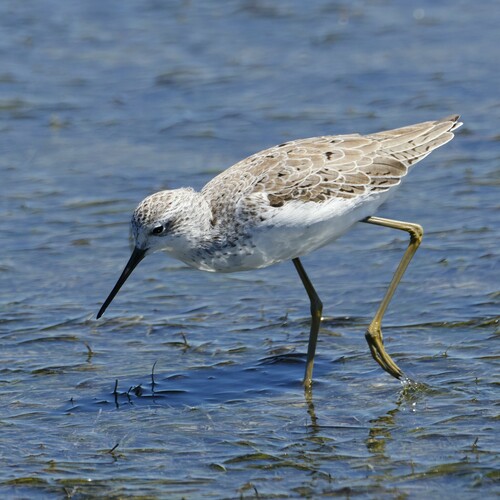
コアオアシシギ (Tringa stagnatilis) コアオアシシギ
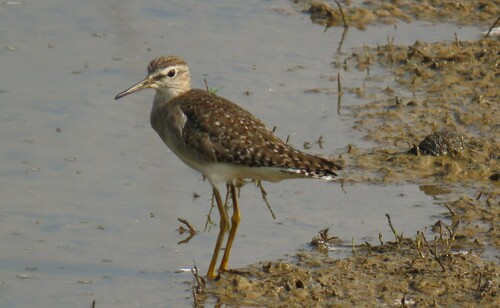
タカブシギ (Tringa glareola) タカブシギ

メディア

読み込み中…

要点

コアオアシシギとタカブシギの最も信頼できるフィールドマークは構造です:コアオアシシギは明らかに細身で、非常に長くて細いくちばしと、非常に長くて細い黄褐色の脚を持ち、繊細で優雅な外観を与えています。タカブシギは脚が短く、よりコンパクトで、短くて細いくちばしと茶色の背中を持っています。両種は控えめな茶色の上面にまだら模様と黄褐色の脚を示しますが、コアオアシシギは全体的により淡く、優雅です。飛行中、コアオアシシギは背中に明確な白いくさびを示し、タカブシギの尾はあまり対照的ではありません。未成熟と成鳥の羽毛は似ていますので、分離のためには形と脚の長さに焦点を当ててください。

識別のコツ

  1. 脚の長さと構造:コアオアシシギは非常に長くて細い黄褐色の脚を持ち、タカブシギの脚よりも明らかに長いです。これはすべての年齢と季節で最も一貫したフィールドマークです。
  2. くちばしの形:コアオアシシギのくちばしは長く、細く、まっすぐで、針のような外観を持っています。タカブシギのくちばしは短くて細いですが、コアオアシシギのように長くて細くはありません。
  3. 全体的な印象:コアオアシシギは優雅で、細く、長い形をしており、小さな頭、長い首、直立した姿勢を持っています。タカブシギはよりコンパクトで、短い首とあまり伸びていないプロポーションを持っています。
  4. 飛行中の尾のパターン:飛行中、コアオアシシギは背中に目を引く白いくさびを示し、すべての羽毛で見えます。タカブシギは小さく、対照的ではない白い尾の斑点を持っています。
  5. 上面の色:両者は上面が茶色で、より暗いまだら模様がありますが、コアオアシシギは特に非繁殖羽毛でより淡いです。タカブシギの背中はより豊かな茶色です。
  6. 胸の斑点:両者は繁殖羽毛で胸と首にぼんやりとした茶色の斑点を持っていますが、これは信頼できる分離要因ではありません。
  7. 脚の色:両者は黄褐色の脚を持っていますが、コアオアシシギの脚は長くて細いです。タカブシギの脚はやや鈍いまたは緑がかった黄色に見えることがありますが、これは変動があり信頼できません。
  8. サイズの印象:コアオアシシギはわずかに大きく、長いですが、違いは微妙です;全体的なサイズではなく、形と脚の長さに焦点を当ててください。
  9. 生息地の文脈:もし鳥がより深い水やより開けた草地の湿地にいる場合、コアオアシシギの可能性が高いです。タカブシギは浅い縁を好み、小さなプールやより植生の多い場所で見られることがあります。
  10. 行動:コアオアシシギはより優雅で直立した歩き方で、しばしばより深く水に入ります。タカブシギはよりコンパクトで、より活発または急いでいるように見えることがあります。
  11. 幼鳥/未成熟の混乱:両種の若い鳥は似ています;それらを分離するための強い年齢特有の上翼または飛行マークはありませんので、構造と飛行中の尾のパターンに依存してください。
  12. 止まっている時と飛んでいる時:脚の長さとくちばしの形は、鳥が立っているか歩いている時に最も判断しやすいです。飛行中は、コアオアシシギの背中の白いくさびに焦点を当ててください。
  13. 群れの文脈:他のシギと混ざっている場合、コアオアシシギはその優雅さと長い脚で目立ちます;タカブシギは他の小型の水鳥とより混ざり合います。
  14. 声:利用可能な情報源では診断的ではありません;分離のために呼び声に依存しないでください。
  15. 季節変動:両種は冬により淡くなりますが、コアオアシシギは全体的により繊細で淡いままです。繁殖羽毛はより多くのまだら模様をもたらしますが、構造的な違いは年間を通じて持続します。

大きさ

両種は小型のシギですが、コアオアシシギはわずかに重い(平均体重約71.5g対67.5gのタカブシギ [wikidata])。コアオアシシギはまた長い(22–26 cmの長さ、55–59 cmの翼幅)ですが、これらの違いはフィールドでは微妙です。主な印象は、コアオアシシギがより細長く優雅で、脚とくちばしが長いのに対し、タカブシギは最小のシギで、よりコンパクトであまり伸びていないように見えることです。

羽色

成鳥と未成熟の両者において、羽毛の違いは微妙で混乱しやすいです。両種は控えめな茶色の上面により暗いまだら模様と繁殖羽毛で胸と首にぼんやりとした茶色の斑点を持っています。コアオアシシギは一般的により淡く、特に冬に、飛行中に見える背中の特徴的な白いくさびを持っています(すべての年齢)。タカブシギは茶色の背中とあまり対照的ではない白い尾の斑点を持っています。両種は黄褐色の脚を持っていますが、コアオアシシギの脚ははるかに長くて細いです。幼鳥と未成熟の鳥はそれらを分離する強い年齢特有の上翼パターンを示さないので、構造と飛行中の尾のパターンに焦点を当ててください。

行動

両種は浅い水と湿った泥の中で無脊椎動物を探し、探ります。コアオアシシギの長い脚は、より深く水に入ることを可能にし、より優雅で直立した歩き方をします。タカブシギはやや乾燥した縁や浅い水で見られることが多く、よりコンパクトな姿勢で移動します。両種は活発で警戒心が強いことがありますが、コアオアシシギの動きはより優雅で急いでいません。

生息環境

両種は淡水の湿地、沼地、湿った草地を好みますが、コアオアシシギは開けた草地のステップとタイガの湿地で繁殖し、しばしばより開けた、植生の少ない場所にいます。タカブシギはより柔軟で、より多様な淡水と湿地の生息地で見られ、小さなプール、泥の縁、時にはより植生の多い場所にも見られます。両者は厳密に沿岸または海洋の生息地を避けます。

より良い説明を送る

比較と同じ項目を使ってください。文章はすぐに公開されます。

The most reliable field mark between Marsh Sandpiper and Wood Sandpiper is structure: Marsh Sandpiper is noticeably more slender, with a very long, fine bill and extremely long, spindly yellowish legs, giving it a delicate, elegant look. Wood Sandpiper is shorter-legged and more compact, with a shorter, finer bill and a brown back. Both species show subdued brown upperparts with mottling and yellowish legs, but Marsh Sandpiper is paler and more graceful overall. In flight, Marsh Sandpiper shows a clear white wedge up the back, while Wood Sandpiper’s rump is less contrasting. Immature and adult plumages are similar, so focus on shape and leg length for separation.

  1. Leg length and structure: Marsh Sandpiper has extremely long, thin yellowish legs that are noticeably longer than Wood Sandpiper’s. This is the most consistent field mark in all ages and seasons.
  2. Bill shape: Marsh Sandpiper’s bill is long, fine, and straight, giving a needle-like appearance. Wood Sandpiper’s bill is shorter and finer, but not as long or slender as Marsh Sandpiper’s.
  3. Overall jizz: Marsh Sandpiper looks elegant, slim, and elongated, with a small head, long neck, and upright stance. Wood Sandpiper is more compact, with a shorter neck and less stretched proportions.
  4. Flight rump pattern: In flight, Marsh Sandpiper shows a striking white wedge up the back, visible in all plumages. Wood Sandpiper has a smaller, less contrasting white rump patch.
  5. Upperpart color: Both are brown above with darker mottling, but Marsh Sandpiper is paler, especially in non-breeding plumage. Wood Sandpiper’s back is a richer brown.
  6. Breast spotting: Both have diffuse brownish spots on the breast and neck in breeding plumage; this is not a reliable separator.
  7. Leg color: Both have yellowish legs, but Marsh Sandpiper’s are longer and spindlier. Wood Sandpiper’s legs may appear slightly duller or greenish-yellow, but this is variable and unreliable.
  8. Size impression: Marsh Sandpiper is slightly larger and longer, but the difference is subtle; focus on shape and leg length instead of overall size.
  9. Habitat context: If the bird is in deeper water or more open, grassy wetlands, Marsh Sandpiper is more likely. Wood Sandpiper prefers shallower margins and can be found in smaller pools or more vegetated areas.
  10. Behavior: Marsh Sandpiper moves with a more elegant, upright gait, often wading deeper. Wood Sandpiper is more compact and may appear more active or hurried.
  11. Juvenile/immature confusion: Both species’ young birds look similar; there are no strong age-specific upperwing or flight marks to separate them, so rely on structure and flight rump pattern.
  12. Perched vs. in flight: Leg length and bill shape are easiest to judge when the bird is standing or walking. In flight, focus on the white wedge up the back for Marsh Sandpiper.
  13. Group context: If mixed with other shanks, Marsh Sandpiper stands out for its elegance and long legs; Wood Sandpiper blends in more with other small waders.
  14. Voice: Not diagnostic with available sources; do not rely on calls for separation.
  15. Seasonal variation: Both species are paler in winter, but Marsh Sandpiper remains more delicate and pale overall. Breeding plumage brings more mottling, but the structural differences persist year-round.

Both species are small shanks, but Marsh Sandpiper averages slightly heavier (mean body mass ~71.5g vs. 67.5g for Wood Sandpiper [wikidata]). Marsh Sandpiper is also longer (22–26 cm length, 55–59 cm wingspan), but these differences are subtle in the field. The main impression is that Marsh Sandpiper is more elongated and elegant, with longer legs and bill, while Wood Sandpiper is the smallest shank, appearing more compact and less stretched.

For both adults and immatures, plumage differences are subtle and easily confused. Both species have subdued brown upperparts with darker mottling and diffuse brownish spots on the breast and neck in breeding plumage. Marsh Sandpiper is generally paler, especially in winter, and has a distinctive white wedge up the back visible in flight (all ages). Wood Sandpiper has a brown back and a less contrasting white rump patch. Both species have yellowish legs, but Marsh Sandpiper’s are much longer and thinner. Juvenile and immature birds do not show strong age-specific upperwing patterns that separate them, so focus on structure and flight rump pattern.

Both species forage in shallow water and wet mud, probing for invertebrates. Marsh Sandpiper’s longer legs allow it to wade deeper and move with a more elegant, upright gait. Wood Sandpiper is more likely to be seen in slightly drier margins or shallower water, moving with a more compact posture. Both species can be active and alert, but Marsh Sandpiper’s movements are more graceful and less hurried.

Both species favor freshwater wetlands, marshes, and wet grasslands, but Marsh Sandpiper breeds in open grassy steppe and taiga wetlands, often in more open, less vegetated areas. Wood Sandpiper is more flexible, found in a wider variety of freshwater and wetland habitats, including smaller pools, muddy margins, and sometimes more vegetated spots. Both avoid strictly coastal or marine habitats.

変更を破棄しますか?

保存していない編集があります。今離れると失われます。

コアオアシシギ · タカブシギ · 苦手な鳥