

Archibebe Fino vs Andarríos Bastardo
Tringa stagnatilis frente a Tringa glareola
Juega un quiz con Archibebe Fino y Andarríos Bastardo
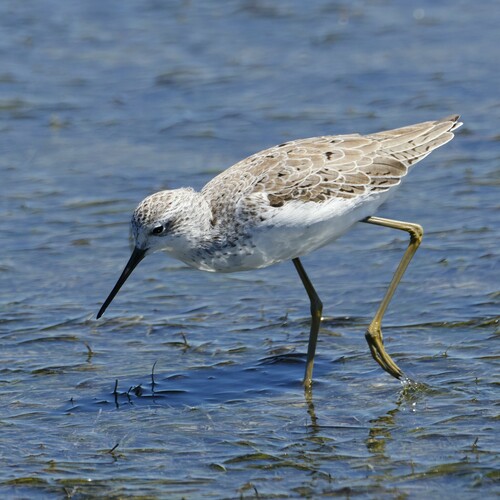 Archibebe Fino
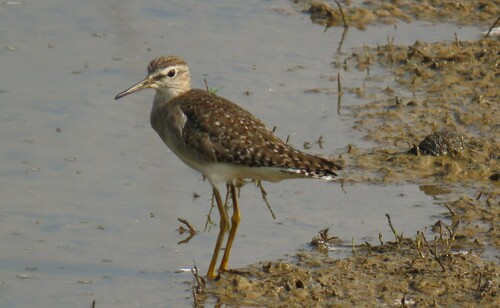 Andarríos Bastardo
En breve
La marca de campo más confiable entre el Archibebe Fino y el Andarríos Bastardo es la estructura: el Archibebe Fino es notablemente más esbelto, con un pico muy largo y fino y patas amarillentas extremadamente largas y delgadas, lo que le da un aspecto delicado y elegante. El Andarríos Bastardo tiene patas más cortas y es más compacto, con un pico más corto y fino y un dorso marrón. Ambas especies muestran partes superiores marrones atenuadas con moteado y patas amarillentas, pero el Archibebe Fino es más pálido y más gracioso en general. En vuelo, el Archibebe Fino muestra una clara cuña blanca en la parte posterior, mientras que el rabadilla del Andarríos Bastardo es menos contrastante. Las plumajes inmaduras y adultas son similares, así que concéntrate en la forma y la longitud de las patas para diferenciarlas.
Consejos de identificación
- Longitud y estructura de las patas: El Archibebe Fino tiene patas amarillentas extremadamente largas y delgadas que son notablemente más largas que las del Andarríos Bastardo. Esta es la marca de campo más consistente en todas las edades y estaciones.
- Forma del pico: El pico del Archibebe Fino es largo, fino y recto, dando una apariencia similar a una aguja. El pico del Andarríos Bastardo es más corto y fino, pero no tan largo o esbelto como el del Archibebe Fino.
- Aspecto general: El Archibebe Fino se ve elegante, delgado y alargado, con una cabeza pequeña, cuello largo y postura erguida. El Andarríos Bastardo es más compacto, con un cuello más corto y proporciones menos estiradas.
- Patrón de la rabadilla en vuelo: En vuelo, el Archibebe Fino muestra una llamativa cuña blanca en la parte posterior, visible en todas las plumajes. El Andarríos Bastardo tiene una mancha de rabadilla blanca más pequeña y menos contrastante.
- Color de las partes superiores: Ambos son marrones por encima con moteado más oscuro, pero el Archibebe Fino es más pálido, especialmente en plumaje no reproductivo. El dorso del Andarríos Bastardo es de un marrón más rico.
- Manchas en el pecho: Ambos tienen manchas marrones difusas en el pecho y cuello en plumaje de cría; esto no es un separador confiable.
- Color de las patas: Ambos tienen patas amarillentas, pero las del Archibebe Fino son más largas y delgadas. Las patas del Andarríos Bastardo pueden parecer ligeramente más apagadas o amarillentas-verdosas, pero esto es variable y poco confiable.
- Impresión de tamaño: El Archibebe Fino es ligeramente más grande y largo, pero la diferencia es sutil; concéntrate en la forma y la longitud de las patas en lugar del tamaño general.
- Contexto del hábitat: Si el ave está en agua más profunda o en humedales más abiertos y herbosos, es más probable que sea un Archibebe Fino. El Andarríos Bastardo prefiere márgenes más superficiales y se puede encontrar en charcas más pequeñas o áreas más vegetadas.
- Comportamiento: El Archibebe Fino se mueve con un andar más elegante y erguido, a menudo vadear más profundo. El Andarríos Bastardo es más compacto y puede parecer más activo o apresurado.
- Confusión juvenil/inmaduro: Las aves jóvenes de ambas especies se ven similares; no hay marcas de alas o vuelo específicas de edad fuertes para separarlas, así que confía en la estructura y el patrón de la rabadilla en vuelo.
- Posado vs. en vuelo: La longitud de las patas y la forma del pico son más fáciles de juzgar cuando el ave está de pie o caminando. En vuelo, concéntrate en la cuña blanca en la parte posterior del Archibebe Fino.
- Contexto grupal: Si se mezcla con otros zarapitos, el Archibebe Fino se destaca por su elegancia y patas largas; el Andarríos Bastardo se mezcla más con otros limícolas pequeños.
- Voz: No es diagnóstica con las fuentes disponibles; no confíes en los llamados para la separación.
- Variación estacional: Ambas especies son más pálidas en invierno, pero el Archibebe Fino sigue siendo más delicado y pálido en general. El plumaje de cría trae más moteado, pero las diferencias estructurales persisten durante todo el año.
Tamaño
Ambas especies son pequeños zarapitos, pero el Archibebe Fino promedia ligeramente más pesado (masa corporal media ~71.5g frente a 67.5g para el Andarríos Bastardo [wikidata]). El Archibebe Fino también es más largo (22–26 cm de longitud, 55–59 cm de envergadura), pero estas diferencias son sutiles en el campo. La impresión principal es que el Archibebe Fino es más alargado y elegante, con patas y pico más largos, mientras que el Andarríos Bastardo es el zarapito más pequeño, apareciendo más compacto y menos estirado.
Plumaje
Para ambos adultos e inmaduros, las diferencias de plumaje son sutiles y fácilmente confundibles. Ambas especies tienen partes superiores marrones atenuadas con moteado más oscuro y manchas marrones difusas en el pecho y cuello en plumaje de cría. El Archibebe Fino es generalmente más pálido, especialmente en invierno, y tiene una distintiva cuña blanca en la parte posterior visible en vuelo (todas las edades). El Andarríos Bastardo tiene un dorso marrón y una mancha de rabadilla blanca menos contrastante. Ambas especies tienen patas amarillentas, pero las del Archibebe Fino son mucho más largas y delgadas. Las aves juveniles e inmaduras no muestran patrones de alas específicos de edad que las separen, así que concéntrate en la estructura y el patrón de la rabadilla en vuelo.
Comportamiento
Ambas especies forrajean en agua poco profunda y barro húmedo, sondeando en busca de invertebrados. Las patas más largas del Archibebe Fino le permiten vadear más profundo y moverse con un andar más elegante y erguido. El Andarríos Bastardo es más probable que se vea en márgenes ligeramente más secos o en agua más superficial, moviéndose con una postura más compacta. Ambas especies pueden ser activas y alertas, pero los movimientos del Archibebe Fino son más graciosos y menos apresurados.
Hábitat
Ambas especies prefieren humedales de agua dulce, pantanos y praderas húmedas, pero el Archibebe Fino cría en estepas herbosas abiertas y humedales de taiga, a menudo en áreas más abiertas y menos vegetadas. El Andarríos Bastardo es más flexible, encontrado en una variedad más amplia de hábitats de agua dulce y humedales, incluyendo charcas más pequeñas, márgenes fangosos y a veces lugares más vegetados. Ambas evitan hábitats estrictamente costeros o marinos.