

Motmot

クロエリシロチドリ 対 シロチドリ

Anarhynchus peronii 対 Anarhynchus alexandrinus

クロエリシロチドリとシロチドリのクイズ
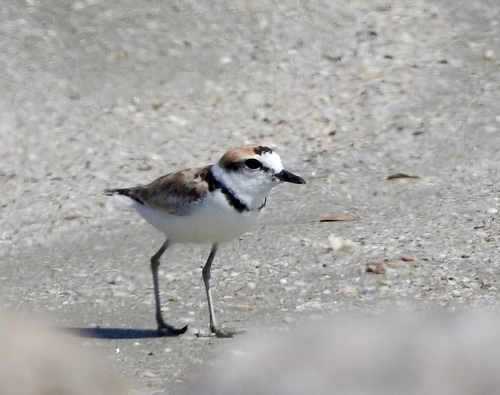
クロエリシロチドリ (Anarhynchus peronii) クロエリシロチドリ
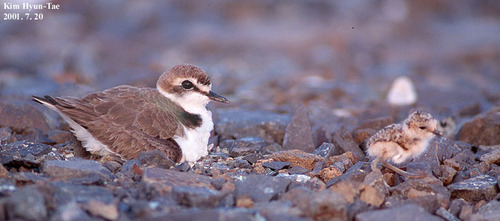
シロチドリ (Anarhynchus alexandrinus) シロチドリ

メディア

読み込み中…

要点

マレーシアシロチドリとシロチドリの最も信頼できるフィールドマークは、オスのシロチドリの大胆で暗い頭部の模様と不完全な胸のバンドであり、これはマレーシアシロチドリには存在しないか、はるかに弱いです。両種の雌と非繁殖個体は非常に似て見えることがありますが、繁殖羽のオスのシロチドリは強い性差を示し、マレーシアシロチドリはより微妙な模様です。どちらも小さく、淡い色のシロチドリで、暗い脚とくちばしを持っていますが、生息地や微妙な羽毛の手がかりがそれらを区別するのに役立ちます。幼鳥や非繁殖個体は特に難しいため、頭部と胸部の模様、ならびに文脈に注意を払うことが重要です。

識別のコツ

  1. 繁殖羽のオスのシロチドリ: おでこに大胆な黒い横帯、黒い耳羽、そして2つの不完全な暗い胸のバンドを探してください。これらはマレーシアシロチドリや雌/非繁殖のシロチドリには存在しません。
  2. 赤褐色の冠と後頭部(シロチドリのオス): 冠と後頭部に赤褐色の洗いがかかるのは繁殖期のオスのシロチドリに典型的ですが、マレーシアシロチドリには見られません。
  3. 胸のバンド: マレーシアシロチドリはオスのシロチドリに見られる強い暗い不完全な胸のバンドが欠けており、マレーシアシロチドリの胸の模様は淡く、はっきりしていません。
  4. 雌と非繁殖個体の頭部模様: 雌と非繁殖のシロチドリは大胆な頭部と胸部の模様を失い、マレーシアシロチドリに非常に似てしまいます。この場合、羽毛だけでの区別は非常に難しく、できないかもしれません。
  5. 幼鳥/未成熟の鳥: 両種は淡く、幼鳥として強い模様が欠けているため、フィールドではほとんど区別がつきません。この年齢では羽毛に頼らないでください。
  6. くちばしと脚の色: 両種は暗いくちばしと脚を持っているため、これらの特徴は識別に役立ちません。
  7. サイズと形: 両者は小さく、コンパクトなシロチドリで、構造は似ています。サイズは信頼できるフィールドマークではありません。
  8. 生息地の文脈: マレーシアシロチドリは東南アジアのビーチと塩原に特化していますが、シロチドリは内陸の塩湖や湿地を含むはるかに広範な生息地に生息しています。位置を補助的な手がかりとして使用し、主要なマークとしては使用しないでください。
  9. 行動: 両種は類似の領土行動と気をそらす行動を示しますが、これらは診断的ではありません。
  10. シーズンの変化: 繁殖シーズンの初めにオスのシロチドリは最も特徴的で、頭部と胸部の模様が最も大胆です。シーズンが進むにつれて、これらのマークは薄れ、識別に役立たなくなることがあります。
  11. 性差: 繁殖羽において強い性差を示すのはシロチドリのみで、マレーシアシロチドリは両性ともにより微妙な模様です。
  12. 地域の豊富さ: eBirdや地域のチェックリストを使用する場合、シロチドリは世界的に広く分布し一般的ですが、マレーシアシロチドリは東南アジアのビーチではデフォルトです。
  13. 疑わしい場合: 大胆な頭部や胸部の模様が見えず、東南アジアのビーチにいる場合、マレーシアシロチドリの可能性が高いです。強い黒と赤褐色の頭部模様と不完全な胸のバンドを持つオスを見た場合、それはシロチドリです。
  14. 信頼できる飛行パターンの違いはない: どちらの種もフィールドでの区別のために特有の上翼や飛行パターンを持つとは記述されていません。
  15. 地域のガイドに相談: 難しい場合(例:幼鳥、雌、非繁殖個体)には、微妙な違いについて地域の専門家や写真ガイドに相談してくださいが、重複や不確実性があることを期待してください。

大きさ

両種は非常に小さなシロチドリで、サイズが重なり合い、マレーシアシロチドリは約35–42g [wikipedia]、シロチドリは平均47g [wikidata]です。フィールドでは、このサイズの違いは無視できるものであり、信頼できる区別のポイントではありません。両者は似たような比率と全体的な印象を持っているため、サイズだけに頼らないでください。

羽色

羽毛の違いは繁殖期の成鳥のオスに最も明らかです。オスのシロチドリはおでこに大胆な黒い横帯、黒い耳羽、赤褐色の後頭部と冠、そして胸の両側に2つの不完全な暗い胸のバンドを持っています。これらの模様は雌や非繁殖個体では大幅に減少するか欠けており、マレーシアシロチドリに非常に似ています。マレーシアシロチドリはオスのシロチドリの大胆な黒い頭部と胸部の模様が欠けており、代わりに両性ともにより控えめな模様を示し、頭部や胸部に強い黒色はありません。両種の幼鳥や初冬の鳥は淡く、強い模様が欠けているため、羽毛だけでの区別は非常に難しいです。どちらの種についても、特有の上翼や飛行パターンの違いは記述されていないため、鳥が止まっているときや近くにいるときは頭部と胸部の模様に焦点を当ててください。

行動

両種は領土性があり、開けた地面に巣を作り、親は巣を守り、気をそらすディスプレイを使用します。シロチドリは特に柔軟な繁殖システムとより攻撃的な領土防衛で知られ、オスはしばしば戦い、両性ともに気をそらすディスプレイを使用します。マレーシアシロチドリは行動的にはあまり文献に記載されていませんが、領土性があり、開けたビーチに巣を作ります。行動の違いは微妙で、フィールドでの区別には信頼できません。

生息環境

生息地は有用な手がかりになることがあります: マレーシアシロチドリは東南アジアのビーチと塩原に制限されているのに対し、シロチドリははるかに広範な範囲を持ち、北アフリカからユーラシアにかけての塩湖、潟、海岸、砂丘、湿地、半乾燥の砂漠、さらにはツンドラで繁殖します。もしあなたが東南アジアの砂浜や塩原にいるなら、マレーシアシロチドリの可能性が高いです; より多様なまたは内陸の生息地、特に東南アジアの外では、シロチドリが期待されます。しかし、両者は沿岸のビーチにも出現する可能性があるため、常に羽毛で確認してください。

より良い説明を送る

比較と同じ項目を使ってください。文章はすぐに公開されます。

The most reliable field mark between Malaysian Plover and Kentish Plover is the male Kentish Plover’s bold, dark head markings and incomplete breast bands, which are absent or much weaker in Malaysian Plover. Females and non-breeding birds of both species can look very similar, but Kentish Plover males in breeding plumage show strong sexual dimorphism, while Malaysian Plover is more subtly marked. Both are small, pale plovers with dark legs and bills, but habitat and subtle plumage cues help separate them. Juvenile and non-breeding birds are especially challenging, so attention to head and breast pattern, as well as context, is crucial.

  1. Male Kentish Plover in breeding plumage: Look for a bold black horizontal bar across the forehead, black ear coverts, and two incomplete dark breast bands. These are absent in Malaysian Plover and in female/non-breeding Kentish Plovers.
  2. Rufous crown and nape (Kentish Plover male): A rufous wash on the crown and nape is typical of breeding male Kentish Plover, but not shown by Malaysian Plover.
  3. Breast band: Malaysian Plover lacks the strong, dark, incomplete breast bands seen in male Kentish Plover; any breast markings on Malaysian Plover are faint and not as well defined.
  4. Head pattern in females and non-breeding birds: Female and non-breeding Kentish Plovers lose much of the bold head and breast pattern, making them very similar to Malaysian Plover. In these cases, separation is very difficult and may not be possible on plumage alone.
  5. Juvenile/immature birds: Both species are pale and lack strong markings as juveniles, making them nearly indistinguishable in the field; do not rely on plumage for separation at this age.
  6. Bill and leg color: Both species have dark bills and legs, so these features do not help with identification.
  7. Size and shape: Both are small, compact plovers with similar structure; size is not a reliable field mark.
  8. Habitat context: Malaysian Plover is a Southeast Asian beach and salt flat specialist; Kentish Plover occurs in a much wider range of habitats, including inland saline lakes and marshes. Use location as a supporting clue, not a primary mark.
  9. Behavior: Both species show similar territorial and distraction behaviors; these are not diagnostic.
  10. Seasonal change in Kentish Plover: Male Kentish Plovers are most distinctive early in the breeding season, when their head and breast markings are at their boldest. As the season progresses, these marks may fade and become less useful for identification.
  11. Sexual dimorphism: Only Kentish Plover shows strong sexual dimorphism in breeding plumage; Malaysian Plover is more subtly marked in both sexes.
  12. Local abundance: If using eBird or local checklists, note that Kentish Plover is far more widespread and common globally, but Malaysian Plover is the default on Southeast Asian beaches.
  13. When in doubt: If you cannot see bold head or breast markings and are in Southeast Asia on a beach, Malaysian Plover is likely. If you see a male with strong black and rufous head pattern and incomplete breast bands, it is a Kentish Plover.
  14. No reliable flight pattern difference: Neither species is described as having a distinctive upperwing or flight pattern for field separation.
  15. Consult local guides: In difficult cases (e.g., juveniles, females, non-breeding birds), consult local experts or photographic guides for subtle differences, but expect overlap and uncertainty.

Both species are very small plovers and overlap in size, with Malaysian Plover weighing about 35–42 g [wikipedia] and Kentish Plover averaging 47 g [wikidata]. In the field, this size difference is negligible and not a reliable separation point. Both have similar proportions and overall jizz, so do not rely on size alone.

Plumage differences are most obvious in adult males during the breeding season. Male Kentish Plovers have a bold black horizontal bar across the forehead, black ear coverts, a rufous nape and crown, and two incomplete dark breast bands on each side of the breast. These markings are much reduced or absent in females and non-breeding birds, making them much more similar to Malaysian Plover. Malaysian Plover lacks the bold black head and breast markings of male Kentish Plover; instead, both sexes show a more subdued pattern, with no strong black on the head or breast. Juvenile and first-winter birds of both species are pale and lack strong markings, making separation extremely difficult on plumage alone. No distinctive upperwing or flight pattern differences are described for either species in the sources, so focus on head and breast pattern when birds are perched or close.

Both species are territorial and nest on open ground, with parents defending their nests and using distraction displays. Kentish Plover is noted for especially flexible breeding systems and more aggressive territorial defense, with males often fighting and both sexes using distraction displays. Malaysian Plover is less well documented behaviorally in the sources but is also territorial and nests on open beaches. Behavioral differences are subtle and not reliable for field separation.

Habitat can be a useful clue: Malaysian Plover is restricted to beaches and salt flats in Southeast Asia, while Kentish Plover has a much broader range, breeding on saline lakes, lagoons, coasts, sand dunes, marshes, semi-arid desert, and even tundra from North Africa through Eurasia. If you are in Southeast Asia on a sandy beach or salt flat, Malaysian Plover is more likely; in more varied or inland habitats, especially outside Southeast Asia, Kentish Plover is expected. However, both can occur on coastal beaches, so always confirm with plumage.

変更を破棄しますか?

保存していない編集があります。今離れると失われます。

クロエリシロチドリ · シロチドリ · 苦手な鳥