

Motmot

マラヤシマヤイロチョウ 対 ボルネオシマヤイロチョウ

Hydrornis irena 対 Hydrornis schwaneri

マラヤシマヤイロチョウとボルネオシマヤイロチョウのクイズ
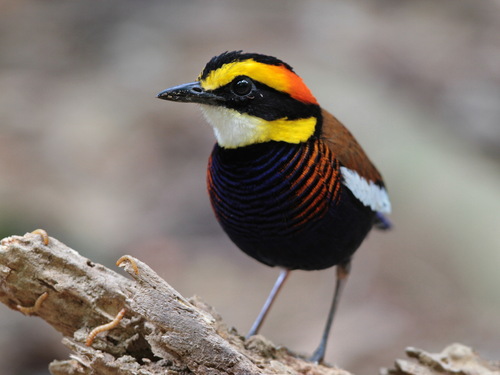
マラヤシマヤイロチョウ (Hydrornis irena) マラヤシマヤイロチョウ
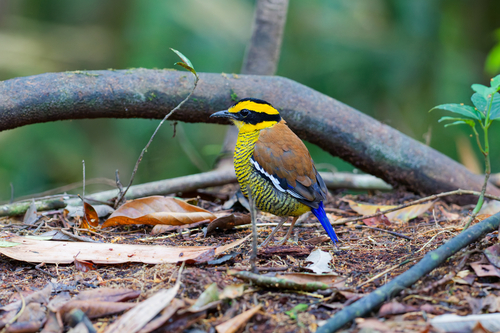
ボルネオシマヤイロチョウ (Hydrornis schwaneri) ボルネオシマヤイロチョウ

メディア

読み込み中…

要点

マラヤシマヤイロチョウとボルネオシマヤイロチョウを区別する最も信頼性の高い方法は分布によるものです:マラヤはタイ、マレー半島、スマトラに生息し、ボルネオはボルネオに限定されています。現地では、両者ともに非常に色鮮やかですが、マラヤはレモンイエローの喉と胸の側面によりオレンジ色が見られ、ボルネオはこれらの羽毛の詳細で微妙に異なります。構造的な違いや鳴き声は利用可能な情報源には記載されていないため、地理と微妙な羽毛のコントラストに焦点を当てて観察してください。未熟な個体や飛行中の鳥については詳細が記載されていないため、非成鳥や視界が悪い場合には注意が必要です。

識別のコツ

  1. 地理的分布が最も決定的な手がかりです: マラヤシマヤイロチョウはボルネオには存在せず、ボルネオシマヤイロチョウはボルネオ特産です。まずは自分の位置を確認してください。
  2. 喉の色: 成鳥のマラヤはレモンイエローの喉を持っています。ボルネオは色合いや範囲が異なる場合がありますが、これらのメモには詳細が記載されていないため、注意して使用してください。
  3. 胸の縞模様: マラヤの胸にはオレンジと濃い青の縞模様があり、側面にはよりオレンジが、中央にはより青が見られます。ボルネオの胸の模様は微妙に異なる場合がありますが、具体的な情報はここには提供されていません。
  4. 眉斑と後頭部: マラヤは黄色/オレンジの眉斑とオレンジレッドの後頭部を持っています。ボルネオの頭部の模様は詳細に記載されていないため、このマークは注意して使用してください。
  5. 腹部と尾: マラヤは青い腹部と青い尾を持っています。ボルネオもおそらく似ているため、これは強力な区別要因ではありません。
  6. 背中の色: 両者ともに茶色の背中を持っており、これは有用な区別要因ではありません。
  7. 幼鳥と未熟な羽毛: どちらの種についても情報はありませんので、非成鳥の鳥を区別しようとしないでください。
  8. 飛行と上翼の模様: どちらの種についても、年齢に関係なく特徴的な飛行や翼のパネルのマークは記載されていません。
  9. サイズと構造: 両種はサイズと形状が似ており、サイズやくちばしの形状を区別に使用しないでください。
  10. 行動: 両者は典型的なシマヤイロチョウのように振る舞い、行動は区別要因ではありません。
  11. 生息地: 両者はそれぞれの分布内で似たような森林生息地を利用しており、生息地は位置を知っている場合にのみ有用です。
  12. 鳴き声: 違いは記載されていません。地元の知識や録音がない限り、声を区別に使用しないでください。
  13. 性的二形性: 記載されていません。現地では両性が似ていると考えてください。
  14. 季節的変異: 記載されていません。成鳥は年間を通じて似ていると考えてください。
  15. 要約のヒント: ボルネオの外にいる場合はマラヤ、ボルネオにいる場合はボルネオです。羽毛に頼る必要がある場合は、喉の色と胸の縞模様に焦点を当ててください。ただし、詳細な参考画像がない場合は重複や不確実性があることを期待してください。

大きさ

利用可能な情報源には、マラヤシマヤイロチョウとボルネオシマヤイロチョウの間に直接的なサイズや質量の違いは記載されていません。両者ともに中型のシマヤイロチョウで、比例が似ており、サイズはこれら二つを区別するための有用なフィールドマークではありません。

羽色

羽毛の違いは微妙で、成鳥の良好な光の下での近距離観察で最もよく評価されます。マラヤシマヤイロチョウは、目立つ黄色/オレンジの眉斑、オレンジレッドの後頭部、レモンイエローの喉、オレンジと濃い青の縞模様の胸を持ち、側面にはよりオレンジが、中央にはより青が見られます。腹部は青、背中は茶色、尾は青です。ボルネオシマヤイロチョウはここでは詳細に記載されていませんが、喉と胸の色合いや範囲、縞模様のパターンや強度が異なることが知られています。幼鳥や未熟な羽毛、上翼の模様についてはどちらの種についても記載されていないため、これらの年齢は現在の情報に基づいて信頼性をもって区別することはできません。

行動

利用可能な情報源には、これら二つの種の間に行動の違いは記載されていません。両者は典型的なシマヤイロチョウであり、秘密主義で地上に生息し、単独またはペアで行動する可能性があります。

生息環境

マラヤシマヤイロチョウはタイ、マレー半島、スマトラの低地および丘陵の森林に生息しており、ボルネオシマヤイロチョウはボルネオに限定されています。両者はそれぞれの分布内で似たような森林タイプに生息しているため、生息地だけでは診断には役立ちません。

より良い説明を送る

比較と同じ項目を使ってください。文章はすぐに公開されます。

The most reliable way to separate Malayan Banded-Pitta from Bornean Banded-Pitta is by range: Malayan occurs in Thailand, the Malay Peninsula, and Sumatra, while Bornean is restricted to Borneo. In the field, both are strikingly colorful, but Malayan shows a lemon-yellow throat and more orange on the sides of the chest, while Bornean differs subtly in these plumage details. Structural differences and vocalizations are not documented in available sources, so focus on geography and subtle plumage contrasts if seen well. Immature or in-flight birds are not described in detail, so caution is needed with non-adult or poor views.

  1. Geographic range is the most decisive clue: Malayan Banded-Pitta is never found on Borneo, and Bornean Banded-Pitta is endemic to Borneo. Always check your location first.
  2. Throat color: Adult Malayan has a lemon-yellow throat; Bornean may differ in shade or extent, but details are not specified in these notes—use with caution.
  3. Chest barring: Malayan's chest shows orange and dark blue bars, with more orange on the sides and more blue in the center. Bornean's chest pattern may differ subtly, but specifics are not provided here.
  4. Supercilium and nape: Malayan has a yellow/orange supercilium and orange-red nape. Bornean's head pattern is not described in detail, so use this mark cautiously.
  5. Belly and tail: Malayan has a blue belly and blue tail. Bornean is likely similar, so this is not a strong separator.
  6. Back color: Both have brown backs, not a useful separator.
  7. Juvenile and immature plumage: No information is available for either species, so do not attempt to separate non-adult birds.
  8. Flight and upperwing pattern: No distinctive flight or wing panel marks are described for either species at any age.
  9. Size and structure: Both species are similar in size and shape; do not use size or bill shape for separation.
  10. Behavior: Both behave like typical pittas; behavior is not a separator.
  11. Habitat: Both use similar forest habitats within their respective ranges; habitat is only useful if you know your location.
  12. Vocalizations: No differences are described; do not use voice for separation unless you have local knowledge or recordings.
  13. Sexual dimorphism: Not described; assume both sexes look similar in the field.
  14. Seasonal variation: Not described; assume adults look similar year-round.
  15. Summary tip: If you are outside Borneo, you have Malayan; if on Borneo, you have Bornean. If you must rely on plumage, focus on throat color and chest barring, but expect overlap and uncertainty without detailed reference images.

No direct size or mass differences are documented between Malayan and Bornean Banded-Pitta in the available sources. Both are medium-sized pittas with similar proportions, and size is not a useful field mark for separating these two.

Plumage differences are subtle and best appreciated in good light and close views of adults. Malayan Banded-Pitta shows a black head with a prominent yellow/orange supercilium, an orange-red nape, a lemon-yellow throat, and a chest with orange and dark blue barring—more orange towards the sides, more blue centrally. The belly is blue, the back brown, and the tail blue. Bornean Banded-Pitta is not described in detail here, but is known to differ in the extent and shade of throat and chest coloration, as well as the pattern and intensity of barring. Juvenile or immature plumages and upperwing patterns are not described for either species, so these ages cannot be reliably separated based on current information.

No behavioral differences are documented between these two species in the available sources. Both are typical pittas, likely to be secretive, ground-dwelling, and solitary or in pairs.

Malayan Banded-Pitta is found in lowland and foothill forests of Thailand, the Malay Peninsula, and Sumatra, while Bornean Banded-Pitta is restricted to Borneo. Both inhabit similar forest types within their respective ranges, so habitat alone is not diagnostic unless the location is known.

変更を破棄しますか?

保存していない編集があります。今離れると失われます。

マラヤシマヤイロチョウ · ボルネオシマヤイロチョウ · 苦手な鳥