

Motmot

マダガスカルチョウゲンボウ 対 セーシェルチョウゲンボウ

Falco newtoni 対 Falco araeus

マダガスカルチョウゲンボウとセーシェルチョウゲンボウのクイズ
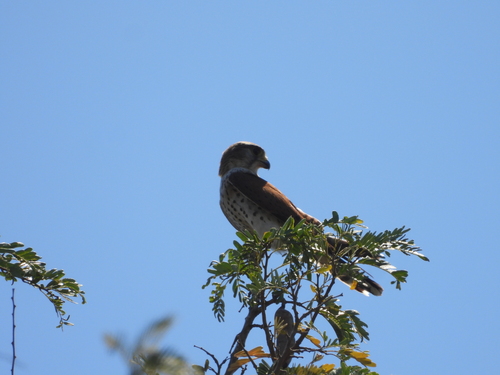
マダガスカルチョウゲンボウ (Falco newtoni) マダガスカルチョウゲンボウ
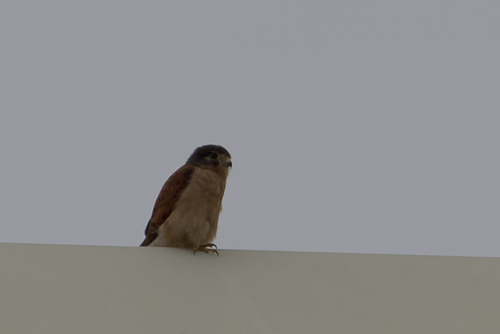
セーシェルチョウゲンボウ (Falco araeus) セーシェルチョウゲンボウ

メディア

読み込み中…

要点

マダガスカルチョウゲンボウとセーシェルチョウゲンボウを区別する最も信頼できるフィールドマークは、腹部の斑点です。すべての年齢のマダガスカルチョウゲンボウは、白っぽい腹部に明確な黒い斑点を示しますが、成鳥のセーシェルチョウゲンボウは、無地の斑点のないバフ色の腹部を持っています。幼鳥のセーシェルチョウゲンボウは、いくつかの胸の斑点を示すことがありますが、頭は茶色で縞模様があり、マダガスカルチョウゲンボウのような赤褐色や栗色ではありません。飛行中、両者は尾に縞模様のある小型のチョウゲンボウですが、セーシェルチョウゲンボウは明らかに小さく、よりコンパクトで、短く丸い翼を持っています。頭と尾の色も役立ちます。セーシェルチョウゲンボウの成鳥は、暗い青灰色の頭と尾を持ち、マダガスカルチョウゲンボウのオスは、暗い縞模様のある赤褐色の頭を持っています。生息地は強力な手がかりです。マダガスカルチョウゲンボウはマダガスカルとアルダブラに生息し、セーシェルチョウゲンボウはセーシェルに特有です。

識別のコツ

  1. Underpart spotting: マダガスカルチョウゲンボウはすべての年齢で白っぽい腹部に黒い斑点を示し、セーシェルチョウゲンボウの成鳥は無地のバフ色です。これは、止まっている鳥や飛んでいる鳥で最も信頼できるフィールドマークです。
  2. Juvenile head and breast: 幼鳥のセーシェルチョウゲンボウは、茶色の縞模様のある頭といくつかの胸の斑点を持っていますが、マダガスカルチョウゲンボウの幼鳥のような赤褐色/灰色や栗色の頭と重い斑点はありません。
  3. Adult head color: セーシェルチョウゲンボウの成鳥は暗い青灰色の頭と尾を持ち、マダガスカルチョウゲンボウのオスは赤褐色の縞模様のある頭を持ち、メスはより強い栗色の頭を持っています。
  4. Tail pattern: 両者は尾に縞模様がありますが、マダガスカルチョウゲンボウの尾は灰色で、6〜7本の狭い黒い縞模様と広い下端の縞模様があり、すべての羽は白い先端を持っています。セーシェルチョウゲンボウの尾は青灰色で黒い縞模様があり、幼鳥はバフ色の先端を持っています。
  5. Upperparts: マダガスカルチョウゲンボウの上面は栗色で黒い斑点があります。セーシェルチョウゲンボウの上面は赤褐色で黒い斑点がありますが、違いは微妙で、必ずしもフィールドで信頼できるわけではありません。
  6. Size and structure: セーシェルチョウゲンボウは明らかに小さく、よりコンパクトで、短く丸い翼と短い尾を持っています。マダガスカルチョウゲンボウは特に飛行中に長くスリムに見えます。
  7. Rufous morph: マダガスカルチョウゲンボウだけが赤褐色の形態を示し、ほぼ黒い頭と暗い栗色の体を持ち、下部にはまだ黒い縞模様と斑点があります。この形態を見た場合、それはセーシェルチョウゲンボウではありません。
  8. Bill, cere, and legs: 両者は暗いくちばしと黄色のセレと脚を持っていますが、マダガスカルチョウゲンボウ(赤褐色の形態)は明るいオレンジ色の脚を示すことがあります。これは主要なフィールドマークではありません。
  9. Sex differences: メスのマダガスカルチョウゲンボウは、オスよりも腹部に斑点が多く、より強い栗色の頭を持っています。セーシェルチョウゲンボウのメスはオスよりも淡いですが、腹部はまだ無斑点です。
  10. Flight jizz: 飛行中、セーシェルチョウゲンボウはコンパクトで短い翼を持ち、マダガスカルチョウゲンボウは長い翼を持ち、より浮遊感があります。
  11. Habitat and range: マダガスカルチョウゲンボウはマダガスカルとアルダブラに生息し、セーシェルチョウゲンボウはセーシェルに特有です。場所は強力な手がかりです。
  12. Perching behavior: 両者は低い場所に止まりますが、マダガスカルチョウゲンボウは夜明けや夕暮れに昆虫を捕まえているのが見られることがありますが、セーシェルチョウゲンボウは森林や岩の多い地域で見られる可能性が高いです。
  13. Immature tail tip: 幼鳥のセーシェルチョウゲンボウは尾のバフ色の先端を持っていますが、マダガスカルチョウゲンボウにはありません。
  14. Voice: 両者はその高い叫び声のために地元のクレオールで「カティティ」と呼ばれていますが、声による信頼できる区別は文書化されていません。
  15. When in doubt: 腹部の斑点(マダガスカルに存在し、成鳥のセーシェルには存在しない)、頭の色(セーシェルは青灰色、マダガスカルは赤褐色/栗色)、全体のサイズ/構造に焦点を当ててください。

大きさ

マダガスカルチョウゲンボウは大きくて重く、オスは112〜118g、メスは最大128gです [wikidata]。体長は約30cmに達し、翼は180〜203mmです。セーシェルチョウゲンボウは最小のチョウゲンボウで、長さはわずか18〜23cm、翼幅は40〜45cmです [wikipedia]。フィールドでは、セーシェルチョウゲンボウは明らかに小さく、よりコンパクトで短い翼と短い尾の外観を持ち、長くスリムなマダガスカルチョウゲンボウと比較されます。

羽色

行動

両種は低い止まり木から狩りをし、ホバリングすることもありますが、マダガスカルチョウゲンボウは夜明けや夕暮れに昆虫を捕まえているのが見られることが多く、しばしば開けたまたは半開けの生息地から見られます。セーシェルチョウゲンボウは島に制限されており、その範囲内で唯一の猛禽類であるため、より人懐っこく、森林や岩の多い生息地で見られることが多いです。両者は小型の脊椎動物を捕食することがありますが、マダガスカルチョウゲンボウは全体的により昆虫食性です。

生息環境

生息地は強力な区別要因です。マダガスカルチョウゲンボウはマダガスカルとアルダブラ全体に生息し、しばしば開けた国、森林の端、さらには人間の居住地の近くに見られます。セーシェルチョウゲンボウはセーシェル諸島に厳密に特有で、唯一の繁殖猛禽類であり、森林、林地、岩の多い地域に生息しています。セーシェルの外で見られた場合、その鳥はデフォルトでマダガスカルチョウゲンボウです。

声

両種はその大きく高い叫び声のために地元のクレオールで「カティティ」と呼ばれていますが、利用可能なメモには声の診断的な違いは記載されていません。

より良い説明を送る

比較と同じ項目を使ってください。文章はすぐに公開されます。

The most reliable field mark to separate Malagasy Kestrel and Seychelles Kestrel is the underpart spotting: Malagasy Kestrel of all ages shows distinct black spots on the whitish underparts, while adult Seychelles Kestrel has plain, unspotted buff underparts. Juvenile Seychelles Kestrel can show some breast spotting, but the head is brown and streaked, not rufous-grey or chestnut as in Malagasy Kestrel. In flight, both are small kestrels with barred tails, but the Seychelles Kestrel is noticeably smaller and more compact, with shorter, rounder wings. Head and rump color also help: Seychelles Kestrel adults have a dark blue-grey head and rump, while Malagasy Kestrel males have a rufous-grey head with dark streaks. Habitat is a strong clue: Malagasy Kestrel is found on Madagascar and Aldabra, while Seychelles Kestrel is endemic to the Seychelles.

  1. Underpart spotting: Malagasy Kestrel of all ages shows black spots on the whitish underparts; Seychelles Kestrel adults are plain buff below. This is the most reliable field mark in perched or flying birds.
  2. Juvenile head and breast: Juvenile Seychelles Kestrel has a brown, streaked head and some breast spotting, but not the rufous/grey or chestnut head and heavy spotting of juvenile Malagasy Kestrel.
  3. Adult head color: Seychelles Kestrel adults have a dark blue-grey head and rump; Malagasy Kestrel males have a rufous-grey, streaked head, and females a stronger chestnut head.
  4. Tail pattern: Both have barred tails, but Malagasy Kestrel's tail is grey with 6–7 narrow black bars and a broad subterminal bar, all feathers tipped white; Seychelles Kestrel's tail is blue-grey with black bars, and immatures have a buff tip.
  5. Upperparts: Malagasy Kestrel upperparts are chestnut with black spots; Seychelles Kestrel upperparts are reddish brown with black spots, but the difference is subtle and not always reliable in the field.
  6. Size and structure: Seychelles Kestrel is noticeably smaller and more compact, with shorter, rounder wings and a shorter tail. Malagasy Kestrel appears longer and slimmer, especially in flight.
  7. Rufous morph: Only Malagasy Kestrel shows a rufous morph, with a nearly black head and dark chestnut body, still with black streaks and spots below. If you see this morph, it is not Seychelles Kestrel.
  8. Bill, cere, and legs: Both have a dark bill with yellow cere and legs, but Malagasy Kestrel (rufous morph) may show bright orange legs. This is not a primary field mark.
  9. Sex differences: Female Malagasy Kestrel is more heavily spotted below and has a stronger chestnut head than the male; Seychelles Kestrel female is paler than the male but still unspotted below.
  10. Flight jizz: In flight, Seychelles Kestrel is compact and short-winged; Malagasy Kestrel is longer-winged and more buoyant.
  11. Habitat and range: Malagasy Kestrel is found on Madagascar and Aldabra; Seychelles Kestrel is endemic to the Seychelles. Location is a strong clue.
  12. Perching behavior: Both perch low, but Malagasy Kestrel may be seen hawking insects at dawn/dusk, while Seychelles Kestrel is more likely to be seen in forested or rocky areas.
  13. Immature tail tip: Juvenile Seychelles Kestrel has a buff tip to the tail, which is absent in Malagasy Kestrel.
  14. Voice: Both are called 'katiti' for their shrill calls, but no reliable separation by voice is documented.
  15. When in doubt: Focus on underpart spotting (present in Malagasy, absent in adult Seychelles), head color (blue-grey in Seychelles, rufous/chestnut in Malagasy), and overall size/structure.

Malagasy Kestrel is larger and heavier, with males weighing 112–118 g and females up to 128 g [wikidata]. Its body length reaches about 30 cm, and wings measure 180–203 mm. Seychelles Kestrel is the smallest kestrel, only 18–23 cm long with a 40–45 cm wingspan [wikipedia]. In the field, Seychelles Kestrel looks distinctly smaller, with a more compact, short-winged, and short-tailed appearance compared to the longer, slimmer Malagasy Kestrel.

  • Juvenile/immature birds: Malagasy Kestrel juveniles resemble females, with strong chestnut tones on the head and heavy black spotting below. Seychelles Kestrel immatures have a brown, streaked head, spots on the breast (not belly), and a buff tip to the tail. The underparts of young Seychelles Kestrel are less heavily marked than Malagasy Kestrel, and the head is never rufous or chestnut.
  • Adult males: Malagasy Kestrel males have a rufous-grey, streaked head, chestnut upperparts with black spots, and whitish underparts with black spots. Seychelles Kestrel males have a dark blue-grey head and rump, reddish brown upperparts with black spots, and plain buff underparts.
  • Adult females: Malagasy Kestrel females have a stronger chestnut head, more spotting below, and a brown tail with black bars. Seychelles Kestrel females are similar to males but paler and slightly larger; underparts remain unspotted and buff.
  • Tail: Both species have barred tails, but Malagasy Kestrel's tail is grey with 6–7 narrow black bars and a broad subterminal bar, all feathers tipped white. Seychelles Kestrel's tail is blue-grey with black bars, and immatures have a buff tip.
  • Rufous morph: Only Malagasy Kestrel shows a rufous morph, with almost black head and dark chestnut body, still with black streaks and spots below.

Both species hunt from low perches and may hover, but Malagasy Kestrel is more likely to be seen hawking insects at dawn or dusk, often from open or semi-open habitats. Seychelles Kestrel, being island-restricted and the only raptor in its range, may be more confiding and is often seen in forested or rocky habitats. Both may take small vertebrates, but Malagasy Kestrel is more insectivorous overall.

Habitat is a strong separator: Malagasy Kestrel is found throughout Madagascar and Aldabra, often in open country, forest edges, and even near human habitation. Seychelles Kestrel is strictly endemic to the Seychelles Islands, where it is the only breeding raptor, and is found in forest, woodland, and rocky areas. If seen outside the Seychelles, the bird is Malagasy Kestrel by default.

Both species are called 'katiti' in local Creole after their loud, shrill calls, but no diagnostic differences in voice are described in the available notes.

変更を破棄しますか?

保存していない編集があります。今離れると失われます。

マダガスカルチョウゲンボウ · セーシェルチョウゲンボウ · 苦手な鳥